The re-imagined story …
Word quickly travelled around the Works. Lord Bolingbroke was trying to silence the hooter. The Swindon Advertiser had published in full his application for the abolition of the Works hooter. This wasn’t his first attempt. In 1868 he successfully forced the GWR to dampen the noise by erecting a screen around the hooter. However, the workmen complained that this rendered the hooter ineffective and the screen was removed.
Now his Lordship was at it again, complaining that the early morning call disturbed his sleep and was injurious to his health.
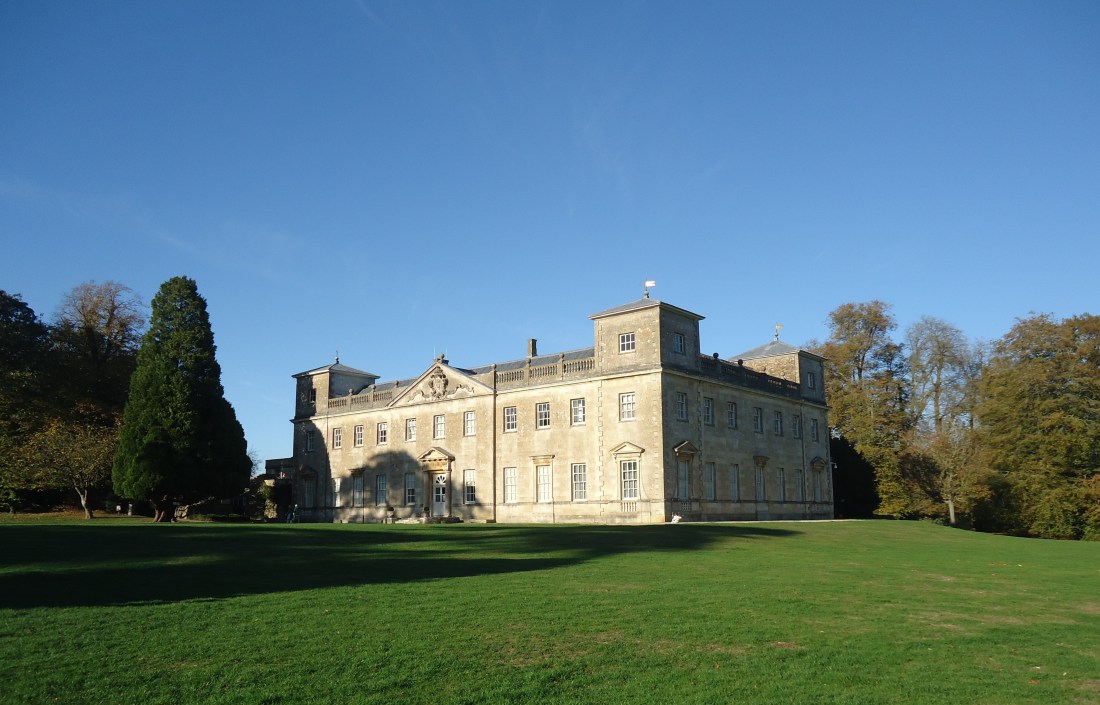
Lord Bolingbroke lived in a mansion at Lydiard Park, about 2½ miles west of the railway works, as the crow flies, but you could hardly describe him as a resident. For many years he had lived on the continent returning to Lydiard Park for barely two months of the year during the shooting season.
Unlike us working men Lord Bolingbroke could lie abed as long as he liked. To be late to work for us was to lose pay and unlike his lordship we do not have fancy timepieces to waken us. I am sure without the blast of the hooter I should lose many morning quarters.
The hooter punctuated the daily routine of the railway factory and we depended upon it. And not only us railway workers. Other employers such as Arkell’s brewery in Kingsdown supported keeping the hooter. It was even suggested that Lord Bolingbroke’s tenants probably found it useful.
We resolved to challenge his lordship and who better to lead us into battle than Mr Frederick O’Conor, a newly elected member of the Mechanics’ Institute Council.
A campaign headquarters was established at the Mechanics’ Institute and a petition was drawn up. More than 4,335 signatures were obtained and when the pieces of paper were pasted together they measured 43 yards in length.
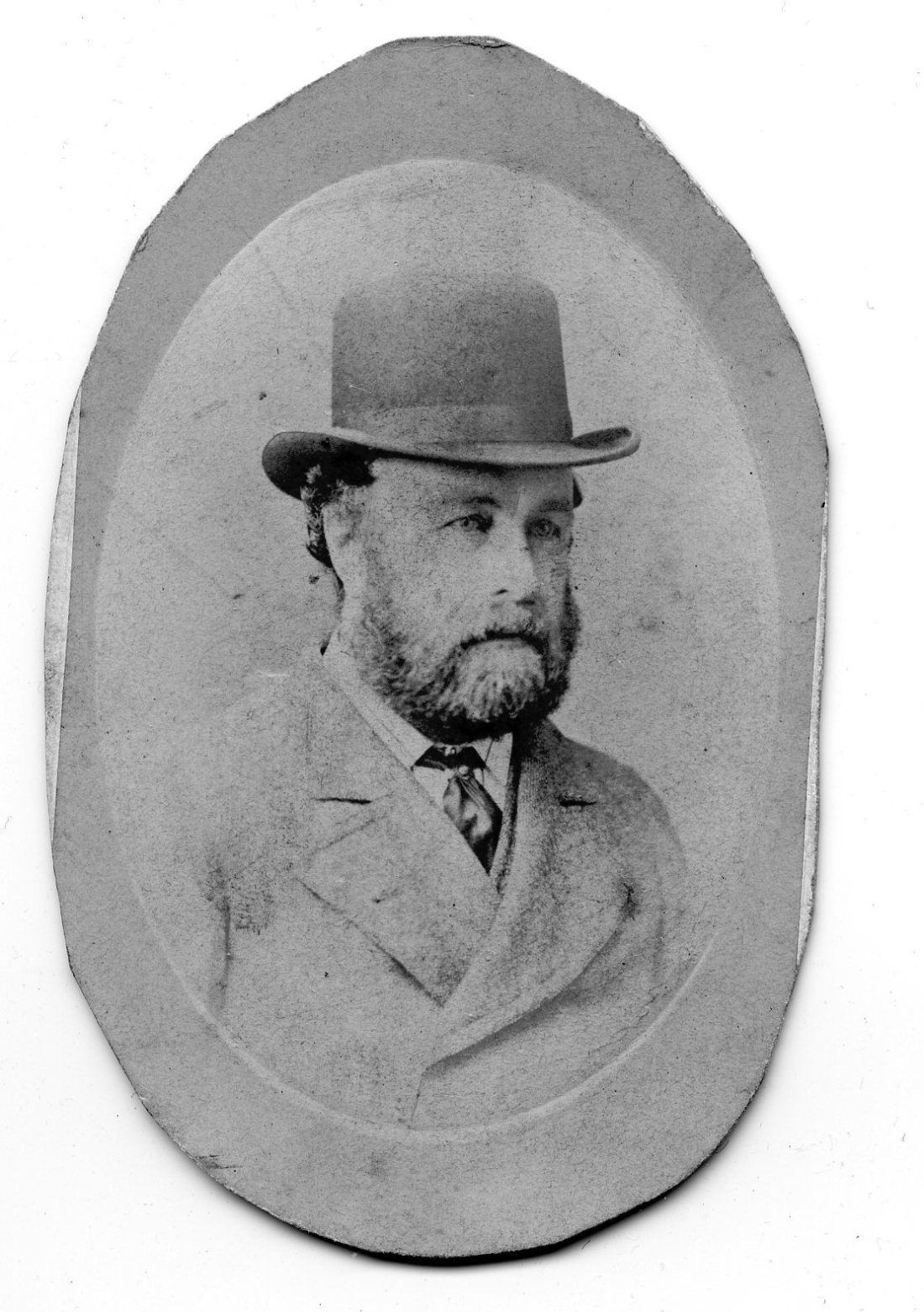
The matter went to Whitehall and despite the fact that Bolingbroke was the only complainant, he won the day and the licence to operate the hooter was revoked. But with Mr O’Conor at the helm we were not to be defeated.
Despite the decision by Whitehall, the Mechanics’ Institute Council and the working men of Swindon united and carried on the battle for the hooter.
We held another protest meeting at the Mechanics’ Institute where the case was reassessed, and reason won over entitlement. The hooter was reinstated.
The facts …
Frederick George O’Conor was born in Swindon in 1843 the son of John and Mary O’Conor. In 1865 he entered work in the service of the Great Western Railway as a clerk in the loco office at Swindon Works.
In April 1876 he married Mary Adelaide Kerr. The couple had two daughters, Mary born in 1878 and Adelaide born in 1879. His wife died shortly after the birth of their second daughter.
Frederick died on February 19, 1892 following a long illness, most likely tuberculosis. He was just 48 years old.
In a lengthy obituary the Advertiser referred to his many other involvements. He was chairman of the local education committee, a member of the Wilts Archaeological Society and a prominent member of St. Mark’s Church.
The funeral at St Mark’s was attended by a large congregation and members of the Mechanics’ Institute Council followed behind the hearse as the cortege made its way to Radnor Street Cemetery where the service at the graveside was concluded by Rev. Ponsonby.
The magnificent pink granite obelisk was erected by the members of the GWR Mechanics’ Institution.


 Radnor Street Cemetery