When my much anticipated visit to Gloucester History Festival was scuppered by a total train wipeout, I was determined not to give up on my planned day out.
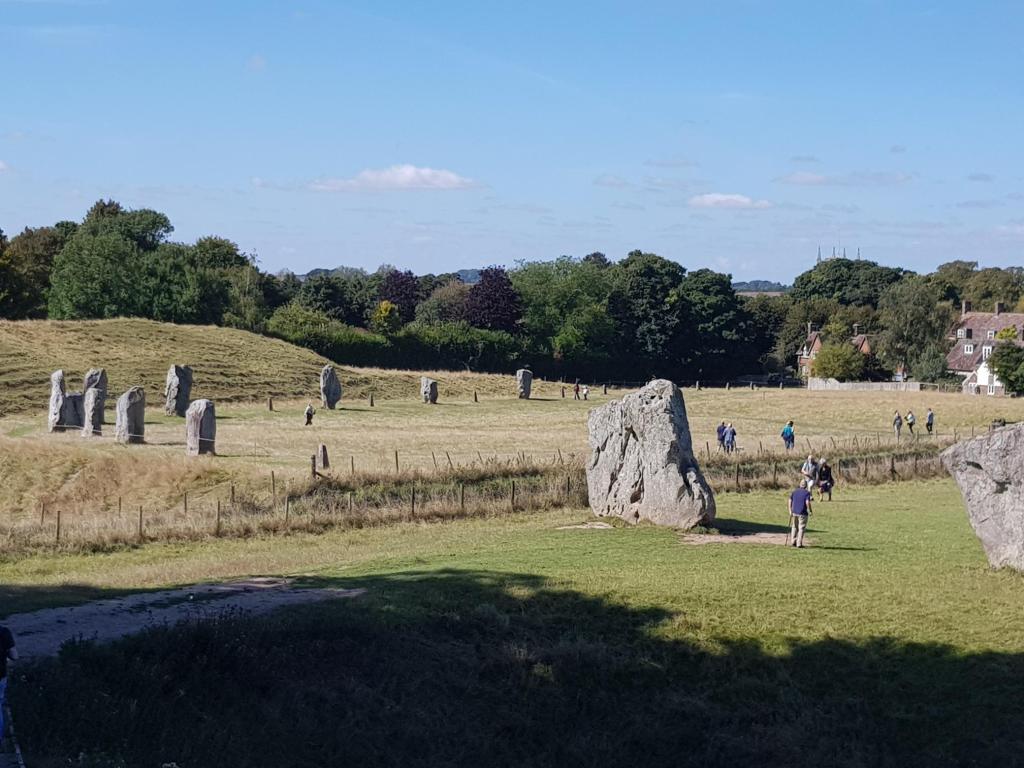
If, like me, you’ve enjoyed a visit to Avebury and a walk around the stones, take my advice and join a guided tour. National Trust volunteer guide Keith treated us to a master class. He posed (and answered) the questions we all want to ask but are too embarrassed to do so. Like, why was the henge built? No one knows! It wasn’t for defensive purposes, nor was it a place of burial (no evidence so far found). How many people did it take to move the stones? (Loads!) Experimental archaeology has suggested at least 200 were required to shift a single stone pulling it on a sledge. Now I’m not giving away any more answers – you’ll have to join one of Keith’s tours.
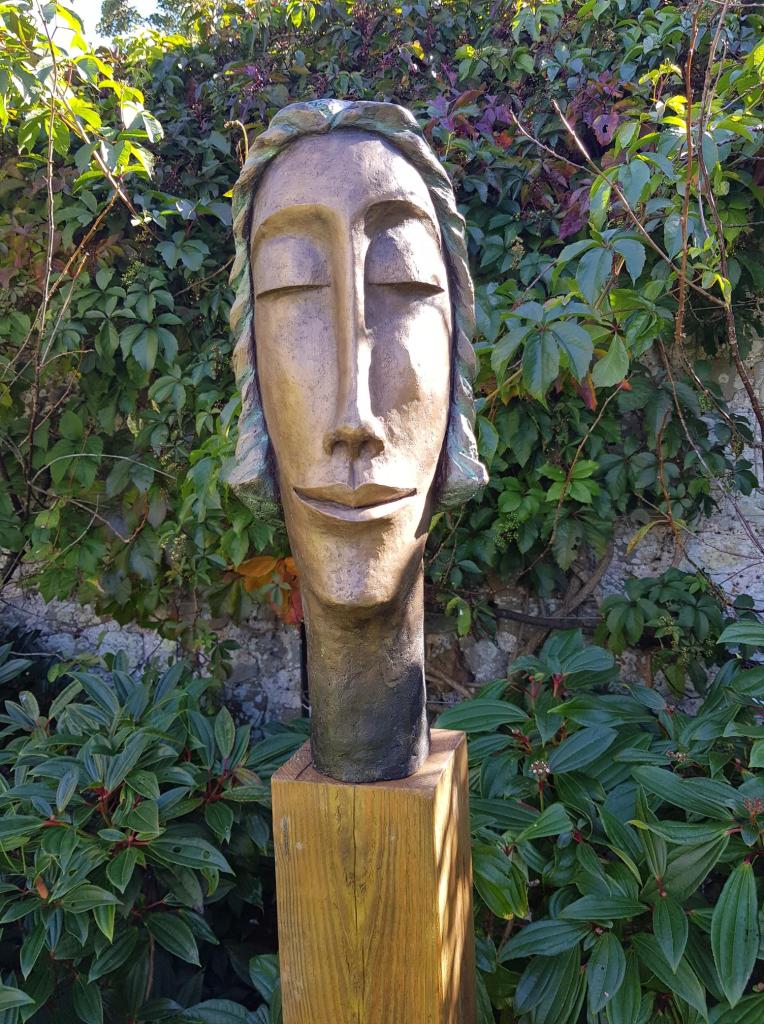
Sadly, Avebury Manor remains closed following devastating flooding in January 2024. However, the gardens are open where there is a sculpture exhibition running until October 20,10 am – 5pm.

Keith and the Swindon Stone, a portal stone, one of a pair of two at one of the entrances to the henge. The second one had disappeared by the 17th century.

The blacksmith’s stone discovered by Alexander Keiller beneath a blacksmith’s forge.

One of several Cove stones built in alignment with sun rise at the summer solstice/
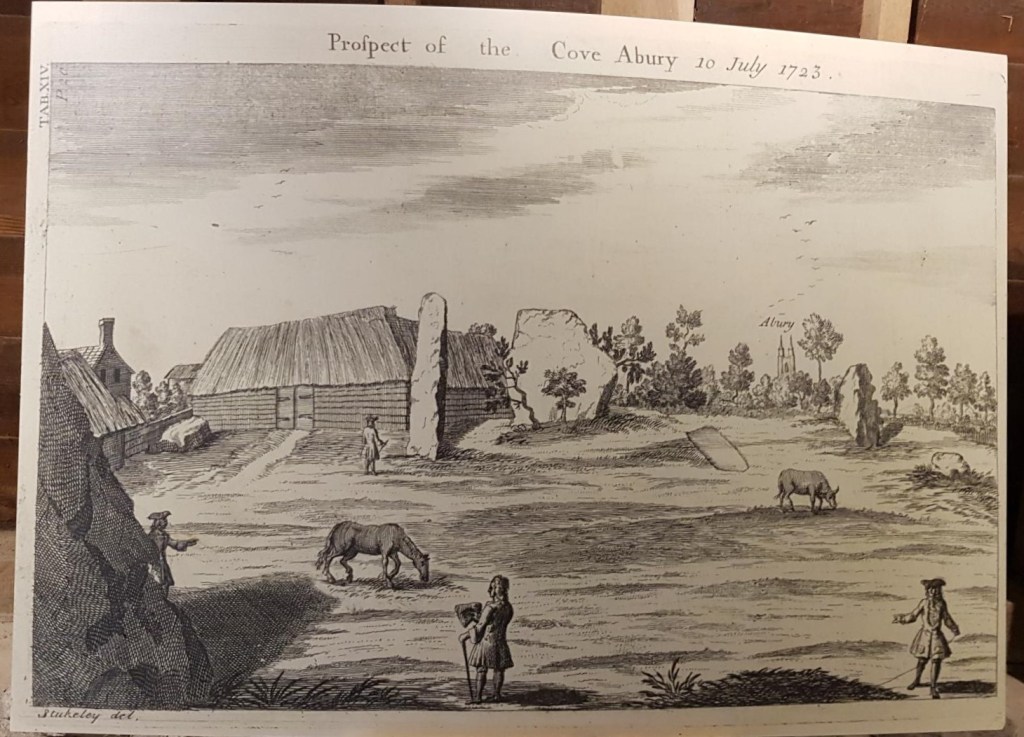
William Stukeley’s ‘Prospect of the Cove Abury 10 July 1723.’

Kay Singla

Kay Singla

Nick Marsh


 Radnor Street Cemetery