Upon a White Horse – Journeys in Ancient Britain and Ireland by Peter Ross

If you have yet to discover the writer Peter Ross you are in for a real treat.

Peter Ross is an awarding winning journalist and author based in Glasgow. He has written for The Guardian, Sunday Times and The Times among others and is an Orwell journalism fellow.

Among his five books are three I’m pretty sure Radnor Street Cemetery followers would enjoy. His latest, published this year, is Upon a White Horse – Journeys in Ancient Britain and Ireland.

As you might imagine, given the historic nature of our neck of the woods, he covers Wiltshire in some detail – Stonehenge, Avebury, Wayland’s Smithy, Kennet Long Barrow and those two iconic chalk figures the Uffington White Horse and the Cerne Abbas Giant – even Swindon band XTC gets a mention.

Peter travels the length and breadth of the British Isles from Cornwall to Orkney, taking in Dublin, Pembrokeshire and Anglesey en route and paying a moving yet optimistic visit to the site of the Sycamore Gap.

The writing is lyrical, the descriptions evocative – Upon a White Horse is a joy to read. But don’t just take my word for it.

Available from Bert’s Books https://bertsbooks.co.uk/product/upon-a-white-horse/ and Central Library although it is on loan at the moment. Keep checking the library catalogue.

Avebury images are my own

You may also like to read

A Tomb with a View

Book Review – The End of the Road

When Jack Cooke turned 33 years old he embarked upon a road trip like no other.

After a visit to a local churchyard Jack had a few big questions to which he hoped to find the answers. “Most of us live in denial of death,” he writes and wondered why as an individual (and a society) we are so divorced from death. “I had become morbidly obsessed, preoccupied with the thought of all those men and women underground.” Sound familiar, Radnor Street Cemetery followers?

I’m guessing he undertook a fair bit of research before he embarked upon his taphophile tour of the British Isles. And what mode of transport did he choose – why, a hearse, of course. At this point I wondered if the book might be an irreverent Disney-like gallop through numerous cemeteries, but nothing could be further from the truth.

During the course of his 2,000 mile, month long journey Jack visited ‘the last grave’ at All Saints graveyard Dunwich, in danger of sliding into the North Sea; crept around Highgate Cemetery in the dead of night and travelled to the Isle of Rum in the Inner Hebrides.

And now I intend to google all the places he visited and see what pictorial evidence there remains.

The End of the Road by Jack Cooke – A journey around Britain in search of the dead. First published by Mudlark 2021.

A Swindon Time Capsule

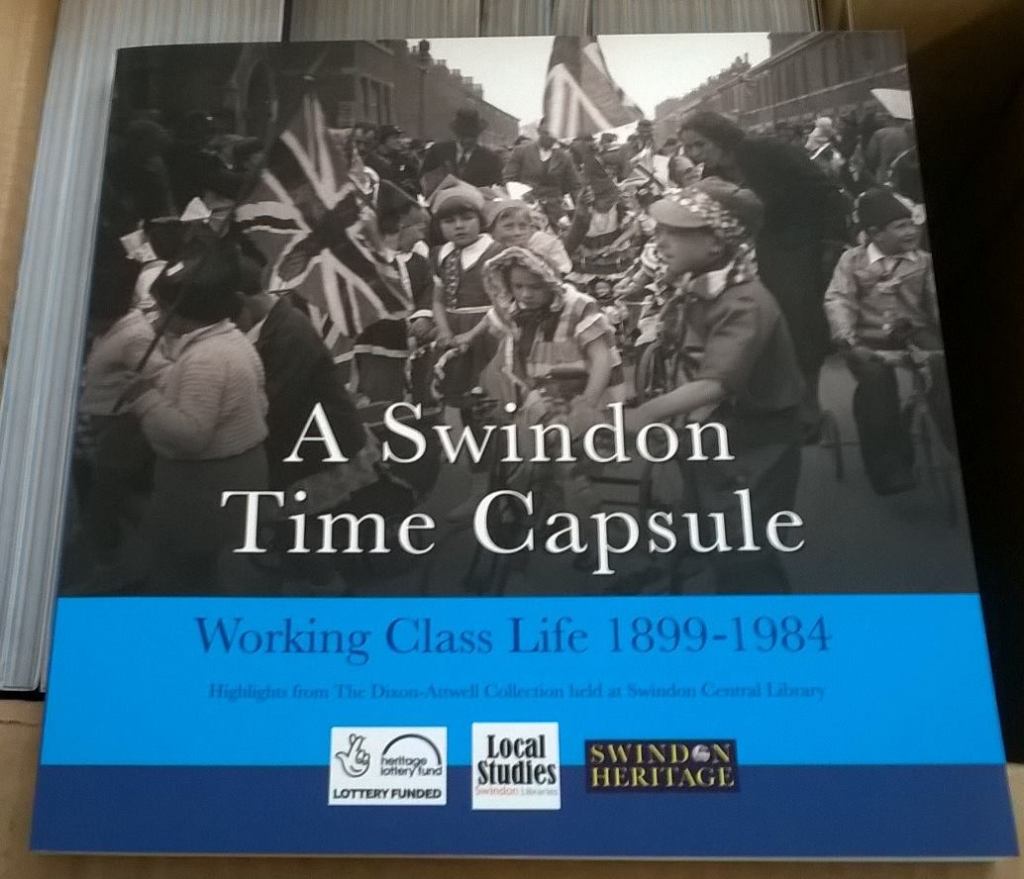
If you’re looking for a last minute Christmas gift for a history loving member of the family then I can recommend A Swindon Time Capsule.

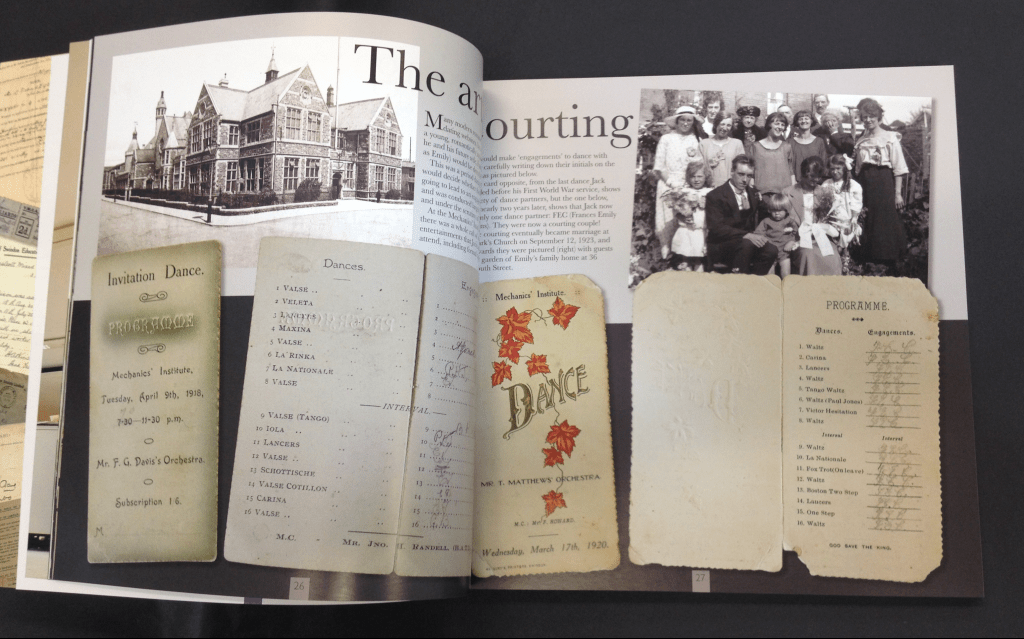
In 2018 the Swindon Heritage team in partnership with Mike Attwell and Local Studies, Swindon Central Library (supported by funding from the HLF) produced an *award winning book entitled A Swindon Time Capsule: Working Class Life 1899-1984.

The book came about following a donation to the Swindon collection made by Mike Attwell when he cleared his family home following the death of his mother Audrey.

Audrey was the daughter of Jack Dixon, a second generation Swindonian whose grandparents George and Mary Hemsley and Francis and Martha Dixon migrated from the North East of England between the years 1840-1850.

George Hemsley worked as a fitter and turner and Francis Dixon as a boilermaker who with their wives were pioneer residents in the new railway town. Both men were active members of the New Swindon society, George was a member of the Liberal & Radical Association and co-founder of the New Swindon Industrial Co-operative Society. For more about George’s life see.

Francis Stephenson Dixon married Martha Charlton at the church of St. Andrew, Newcastle on May 21, 1843. By the time of the 1851 census they were living in Taunton Street with their two children, John 7 and 11 months old Ann.

And like so many of the early railway settlers in Swindon, members of the Hemsley and Dixon families found their final resting place in Radnor Street Cemetery. Francis died at his home, 10 Faringdon Street, on January 2, 1884 aged 63. The cause of death is recorded as cardiac disease. He was buried on January 3 in plot D8283 where his wife Martha followed him the following year.

The Dixon-Attwell family, apparently threw nothing away. As a result ordinary ephemera such as clothing catalogues and dance cards have survived along with apprenticeship indentures and military service records and provide a unique example of everyday life from 1899-1984. A selection from this vast collection can be viewed here.

*In 2019 a Swindon Time Capsule won the Alan Ball award, which rewards local organisations for their work to promote and share local history. Copies of the book are available from the Library Shop.

Moonies, Movers & Shakers

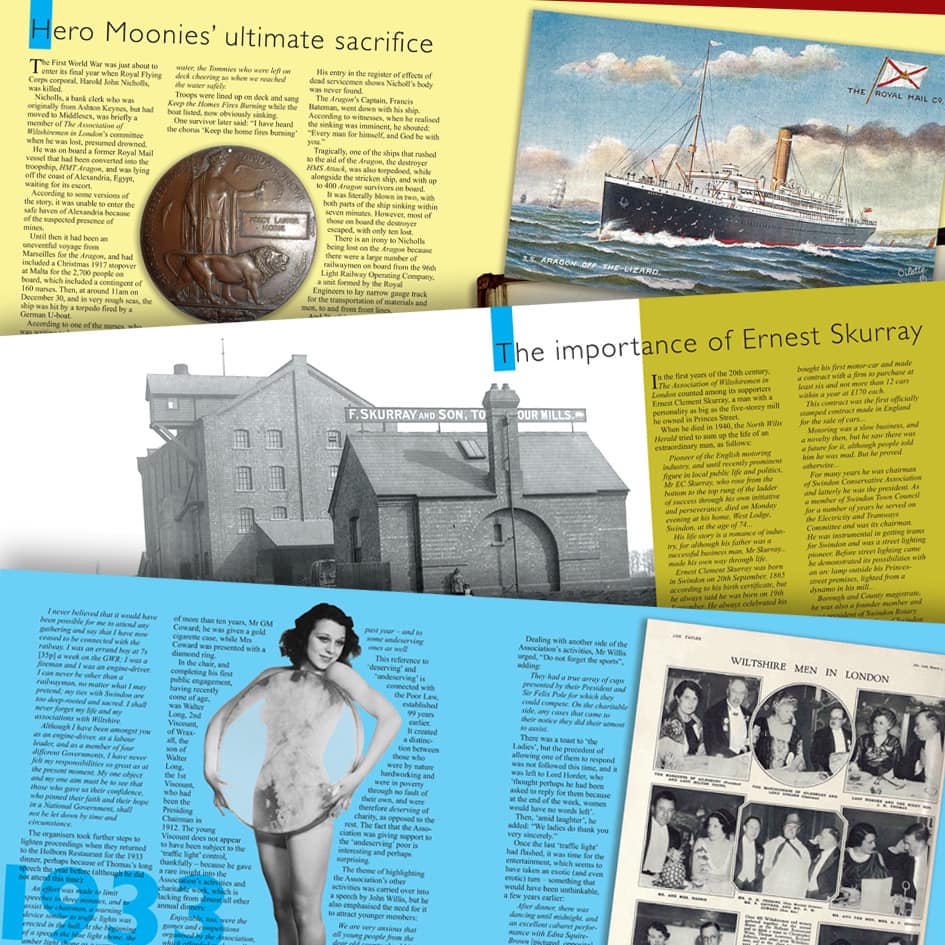
My friends and former Swindon Heritage magazine colleagues, Graham Carter and Noel Ponting, have written and produced a stunning new book.

Their third collaborative work is called Moonies, Movers & Shakers and is a history of the charitable fraternity called the Association of Wiltshiremen in London – nicknamed The Moonies in London. The inaugural dinner of this association (an event to bring together former Swindon railwaymen who found themselves in London) was held on March 13, 1886 in Plumstead.

Among the fascinating stories Noel and Graham have discovered during their research is that of the musically talented James brothers, the sons of William James and his wife Mary Ann.

William, an engine fitter born in Brecon in about 1830, married Mary Ann Hawkins at St. Mark’s Church in 1858. The young couple lived at various addresses in New Swindon where they raised a family of 7 children, 5 sons and 2 daughters. And while the 4 surviving sons initially followed their father into apprenticeships in the railway works, the future of three of them turned out quite differently.

You can read about the musical James brothers in Moonies, Movers & Shakers available from the Library Shop, Swindon Central Library; Hobnob Press and Amazon.

William James died in November 1904 and Mary Ann in 1908. They are buried together in grave plot E7581.

You may also like to read:

William David James – a well known Swindon musician

Swindon Photographers

Swindonians were an adventurous lot, embracing new ideas and new inventions. In the early 19th century photography exploded in a blaze of magnesium and by the 1860s the popular carte de visite had become affordable to all but the very poorest in society.

In 1861 Richard Keylock Passmore, one of the first Swindon based photographers, was established at Victoria Street. By 1895 there were six local photographers listed in Kelly’s Directory with two in Regent Street and one in Regent Circus.

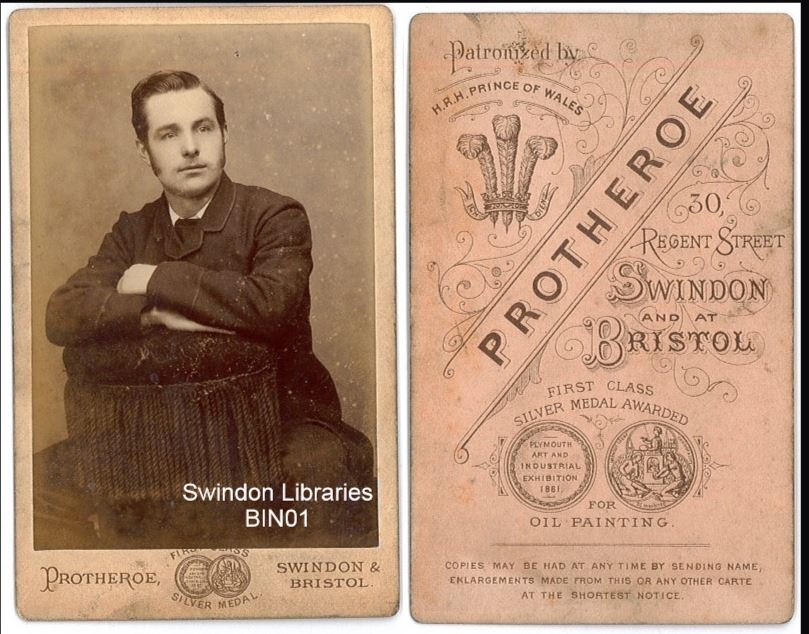
In 1889 James Smith Prothero had a studio at 30 Regent Street where he worked alongside his nephew Thomas Henry Simons who eventually took over the business. James Prothero died in Mumbles, Glamorganshire in 1929 and is buried in Radnor Street Cemetery. You can read more about him here.

Perhaps the most ‘famous’ of Swindon’s photographers is William Hooper who began his business following a disabling accident in the GWR Works which led to his dismissal on medical grounds. Hooper’s photographic career spanned more than 20 years and today his collection is managed by his descendent Paul A. Williams. William Hooper died in 1955 and is buried in Radnor Street Cemetery. You can read more about him here.

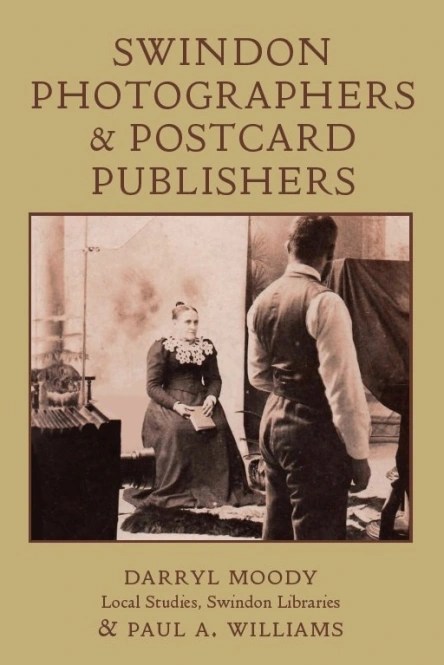
You might also like to read Swindon Photographers & Postcard Publishers by Darryl Moody and Paul A. Williams available from the Library Shop.

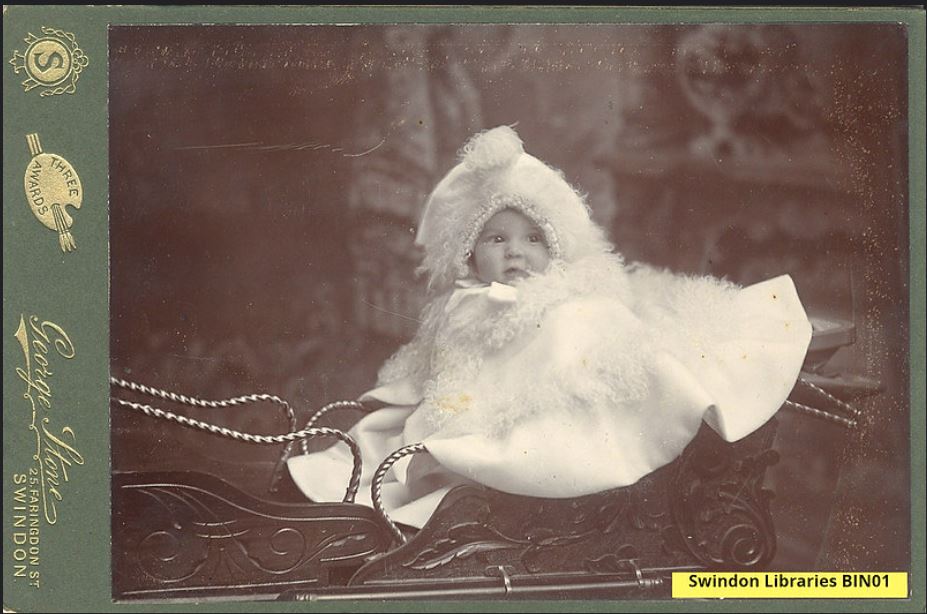
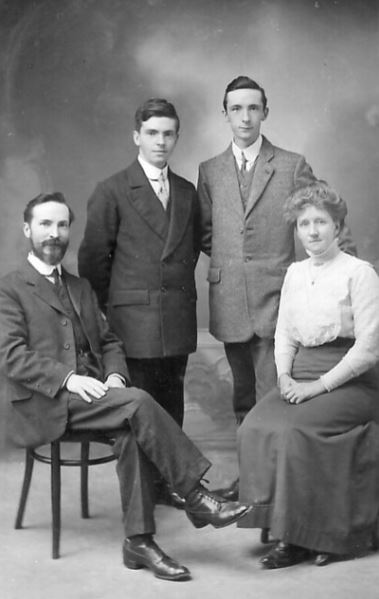
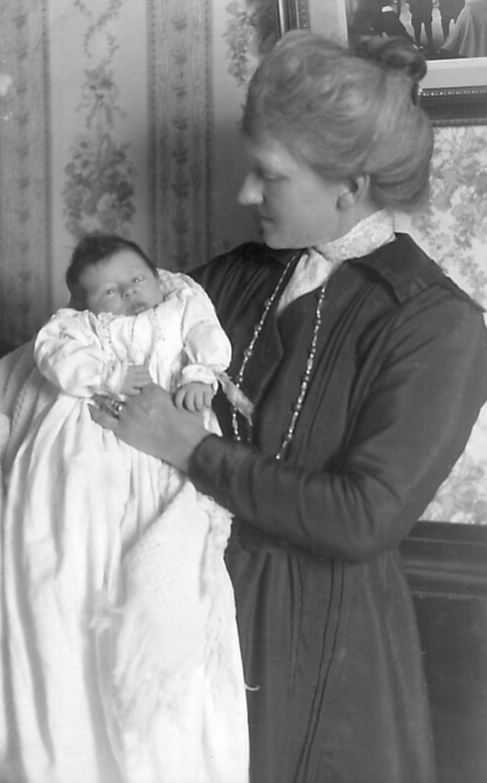
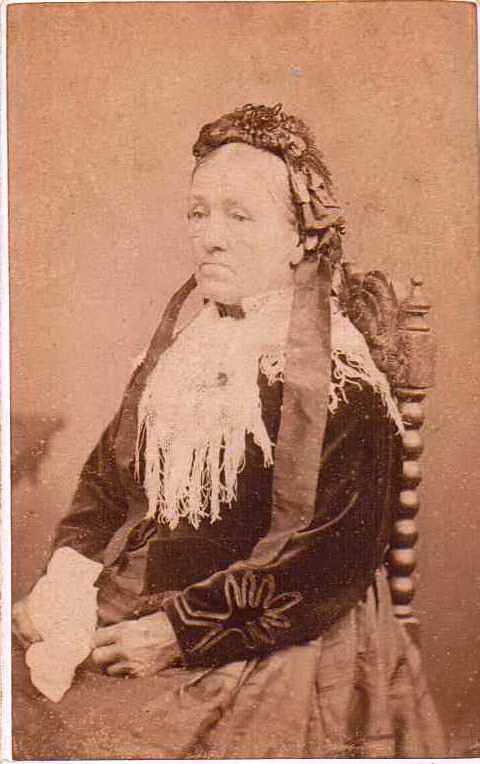
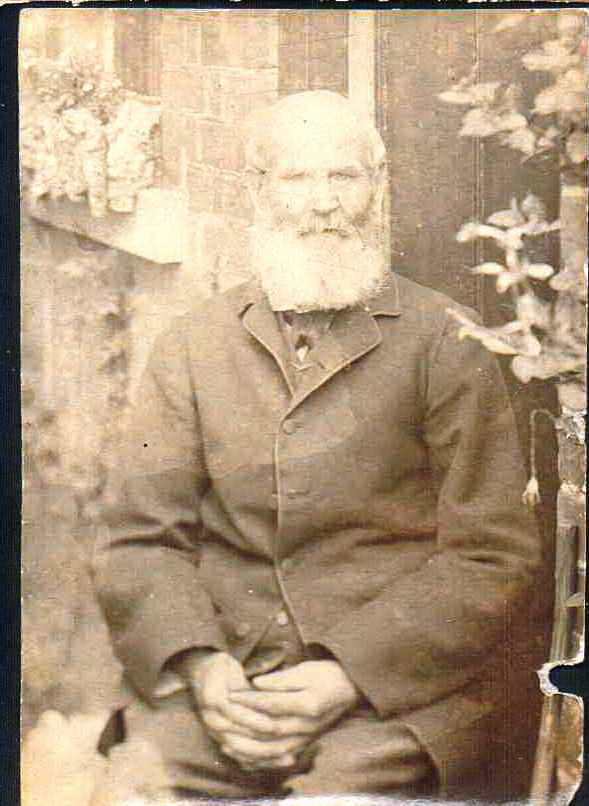
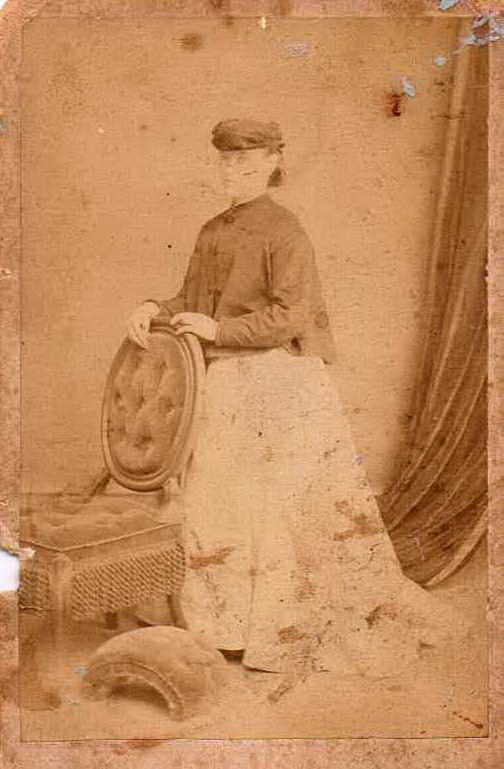
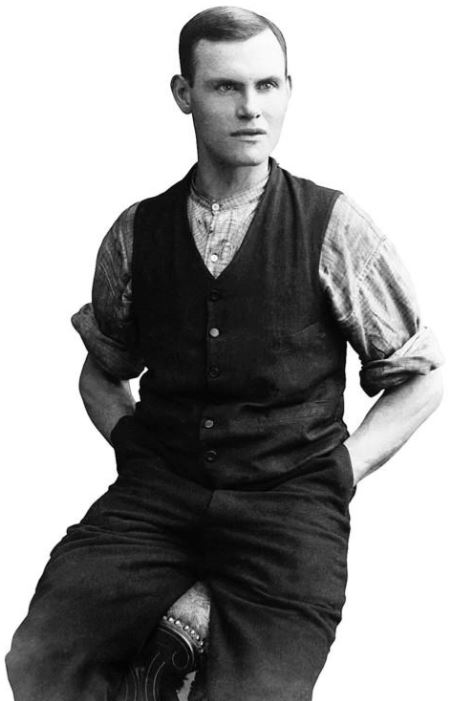
Carte de visite and cabinet card photographs survive in great numbers but sadly, unless in a family collection, most are identifiable. Local Studies at Swindon Central Library have reproduced some of their collection on their website. Here are just a few, people I am sure must now lie in Radnor Street Cemetery, if only I knew their names.

Alice Kate Richards – smile please!

When you have a professional photographer in the family you can be guaranteed some super snaps – and Alice Kate Stroud had one of Swindon’s best.

Alice Kate Stroud was born in Hereford on February 27, 1870 the younger of James and Ellen’s (Eleanor) two daughters. The family lived at 49 Portland Street, Hereford where James worked as a railway guard. It was probably inevitable that they would eventually end up in Swindon and in 1881 they were living at 22 Merton Street, a property they shared with Edwin and Louisa Brittain.

In 1892 Alice married railway clerk Thomas Richards and by 1901 Alice, Thomas and their two sons Leslie & Stanley were living at 15 Medgbury Road, next door to Alice’s in-laws. But by 1911 they were living at 10 London Street where they would remain for the rest of their lives.

So, who was this talented photographer of whom you speak, I hear you ask?

Well, in 1890 Alice’s elder sister Mary Jane Stroud married William Hooper.

Ah, now you understand.

Alice was photographed by Hooper as a young woman and appears frequently in many Hooper family photographs. We see her with her sister on a boat on Coate Water; with her husband and two sons; cradling her little granddaughter Mary and we watch her grow old alongside Mary Jane and William Hooper.

Alice died in 1958 at Kingsdown Nursing Home and was buried in grave plot D1030 which she shares with her in-laws Maria and Richard Nathaniel Richards. Thomas Richards died at 10 London Street and was buried with his parents and his wife on October 14, 1959.

Images are published courtesy of P.A. Williams and Local Studies, Swindon Central Library.

You may also like to read:

William and Mary Hooper rock up at Stonehenge

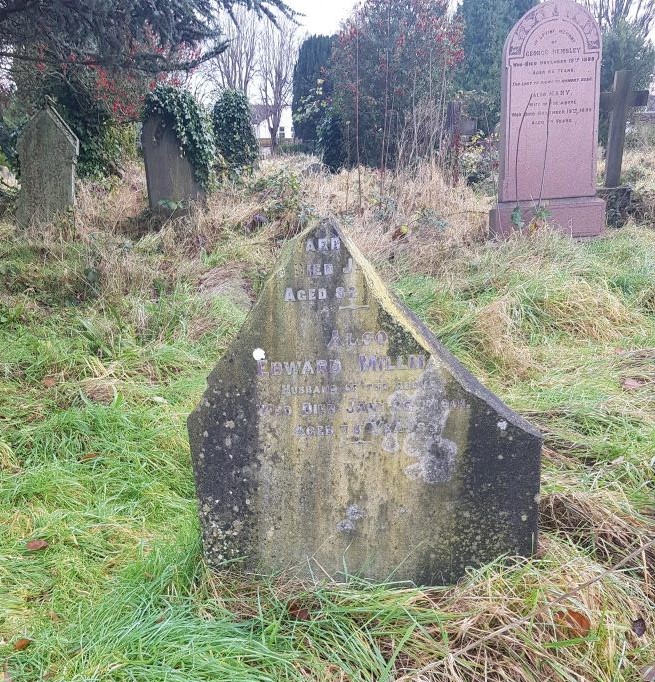
The story of the broken headstone

I’ve had this broken headstone on my to-do list for a very long time. I thought it might prove something of a challenge. I had long wondered who Frederick Millman’s lost wife was and once I discovered her, she pieced together a large Radnor Street Cemetery family history.

Delia Spry was born on December 25, 1805 in Ninfield, Sussex and was baptised in the parish church there on March 26, 1806. In 1829 she married Richard Veness at the Church of St Peter the Great, Chichester.

Delia Millman formerly Veness born Spry

I discovered Delia on the 1841 census returns, the first complete census available online. She is living in Hartlebury, Worcestershire, a widow with 5 young children – Maria 10, Jane 9, Thomas 7, Alfred 5 and 3 year old Louisa.

Needs must and it would not be long before she married again. Her second husband was Edward Millman, a bricklayer, and in 1851 the family were living in Wolverhampton. Delia’s two sons by her first marriage have taken their stepfather’s name and Delia has three children by her second marriage – Edward 6, Elizabeth 4 and 2 year old Mary.

Thomas Veness

By 1881 Thomas Veness, married with four children – Thomas, Alfred, Harriet and Reginald, had arrived in Swindon and the family were living at 30 Sheppard Street. You can read their story (especially that of their daughter political activist Harriet) here.

The death occurred at Worcester, on May 21st, of Mr. Thos. Veness, a retired foreman from the Locomotive Department at Swindon, at the ripe age of 87. Mr. Veness was one of the founders of the Swindon branch of the GWR Temperance Union, and as a member and chairman of the branch Committee rendered great service in the early days of the Union. He was an abstainer for over 60 years and an earnest worker. He was for many years connected with the Band of Hope movement, the Church of England Temperance Society, and the Good Templars. After the formation of a branch of the GWR Union in Swindon he gave himself whole-heartedly to forwarding the work and influence amongst the railway staff.

Great Western Railway Magazine August 1920

By 1881 Delia and Edward had returned to Bexhill but they would soon make there way to Swindon. Delia died at her home, 72 Bridge Street and was buried on January 6, 1887 in grave plot E8430 – the headstone broken and her name missing. Edward died 14 years later, at his daughter Mary’s home, 83 Victoria Road. He was buried with Delia on January 30, 1901.

Edward Millman

Elizabeth Millman had also made her way to Swindon by 1881. She had married Frederick Benjamin Hook, another bricklayer, and in the census of that year was living in Upper Stratton with Frederick and her family of six children. You can read the sad story of Ben Lawson Hook who died in an accident in the Works here.

Elizabeth Hook nee Millman

Elizabeth died in 1892 and is buried in grave plot B1711 with her husband and her 16 year old daughter Nora who died in 1909.

And finally, (or is there more to discover) there is Mary Millman, Delia’s youngest daughter born in 1848. After working in domestic service as a nurse she married builder Henry William Bennett and by the mid-1870s they were also living in Swindon. (It was at Mary’s home that her father Edward died in 1901).

Mary Bennett nee Millman

Mary died in 1922 and is buried in grave plot C3672 with her husband Henry William, her son Aleck and daughter-in-law Sarah Annie.

My thanks go to family historians Ellen Magill and S.C. Hatt who have generously shared so much of their family history and photographs on Ancestry and Local Studies, Swindon Central Library enabling me to tell all these Swindon stories.

William Thomas and a life in the railway factory

William Thomas spent his entire working life in an iron foundry; first in his home town of Llanelly, Breconshire where he worked as a ‘Baller.’ By 1871 he appears on the census returns here in Swindon living at 13 Cambria Place with his wife Cecilia and his two daughters. His job description is ‘rail rougher.’

In 1915 Alfred Williams published a book entitled ‘Life in a Railway Factory.’ It was a controversial book; a warts and all description of working ‘Inside.’ It didn’t go down well with the Great Western Railway where Alfred had worked as a hammerman for 23 years. Today it provides us with a first hand account of what it was really like in the Works at that time.

If you have a railway ancestor who appears on the census returns as a ‘baller’ or a ‘puddler’ and you’ve thought this sounds a rather quaint occupation – well, this is what it involved.

Punchings and drillings are also treated by the process known as “puddling.” In this case, the furnaces will have a cavity in the floor, into which the small scrap material is shovelled or tipped. The door is now made fast and the heat applied, which must not be too fierce, however, or the whole mass would soon be burned and spoiled. When the drillings and chippings have cohered, the puddler, by an aperture through the iron door, inserts a steel bar, curved at the end, and prises the lump and turns it over and over. This is called “balling up.” By and by, when the iron is thoroughly heated and fairly consistent, it is brought to the “shingler,” who soon gives it shape and solidity. 

Alfred Williams writes:

You can always tell these young men of the steam-hammer or rolling mills, whenever you meet them. They are usually lank and thin and their faces are ghastly white. Their nostrils are distended; black and blue rings encircle their eyes. Their gait is careless and shuffling, and their dress, on a holiday, is a curious mixture of the rural and urban styles. On week-days they are as black as sweeps, and the blacker they are the better, in their opinion, for they take pride in parading the badge of their profession and are not ashamed of it as are their workmates who dwell in the town.

William and Cecilia Thomas continued to live in the Welsh enclave around Faringdon Road and Cambria Place. William died in 1899. He was 73 years old and the burial registers describe his occupation as ‘puddler.’ Whether he was still working until the time of his death remains unknown, but it is quite likely.

Cecilia died at her home 4 Park Terrace in 1901 and was buried in grave plot D46 where she joined William. Their beautiful pink granite memorial describes Cecilia (and presumably William as well) as ‘Angels Waiting.’

George Albert Hallard – Swindon Veteran of Industry

It was said that an apprenticeship served in the Great Western Railway Works was a passport to a job anywhere in the world. Some of the long past railway men might argue that it didn’t necessarily guarantee a job in the Swindon Works though! Skilled, newly qualified men went up a pay scale and the GWR only retained those where vacancies existed in specific shops.

In Doing Time Inside – Apprenticeship and Training in GWR’s Swindon Works Dr. Rosa Matheson reproduces the regulations under which apprentices were employed in the GWR Carriage Works in Swindon in both 1892 and 1908. Apprentices were not taken on under 15 nor over 16½ years of age (later revised to 15½ and 17 years). All candidates had to complete a one month trial without wages before being accepted.

In 1892 a working day began at 6 am and finished at 5.30 pm with a 45 minute breakfast break and an hour for lunch. The daily rate for an apprentice in his first year was 10d. He was expected to ‘commence work punctually at 8 am and to make, as a rule, full time (54) hours during the week.’

One such apprentice was George Albert Hallard who began his months trial on February 20, 1879 aged 15.

George Albert Hallard was born in Bristol in 1864, the eldest of 8 children. His father George was an Erector, Engineer, Fitter and by 1881 the family were living at 38 Westcott Place, next to the Falcon Inn.

George Albert Hallard married Marcella Ellen Kirkham in 1889. At the time of the 1891 census the couple were living at 13 Conduit Street, Plumstead, London but by 1901 they had returned to Swindon and a home in Birch Street.

George Albert Hallard was one of 228 men who retired under the 66 year retirement age limit in 1931.

Mr G.A. Hallard, of 70, Jennings Street, chargeman fitter and turner in “W” Shop, worked in the GWR works for 38 years and was chargeman for about 27. He was apprenticed in the works and then obtained a position in London. He then returned to Swindon. Mr. Hallard’s father, who is 91 years of age, also worked in the works for many years.

Swindon Veterans of Industry – North Wilts Herald, Friday, January 2, 1931.

George Albert Hallard died aged 77 years in Ogbourne Hospital. His home address was 70 Jennings Street. His funeral took place on December 12, 1941 when he was buried in grave plot C745 with his wife Marcella who died in 1903.

W Shop where George Albert Hallard worked for more than 27 years. Image published courtesy of Local Studies, Swindon Central Library.

Swindon and District History Network

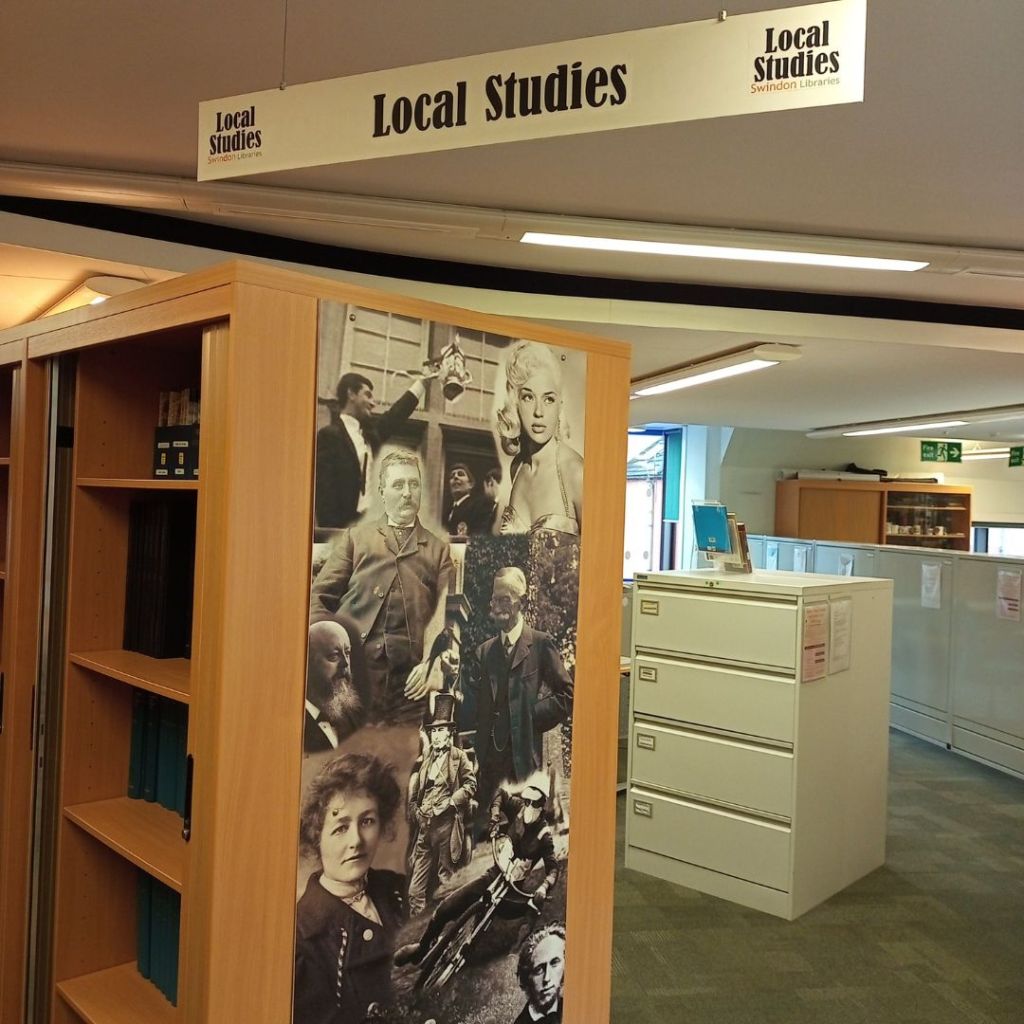
Last evening I attended the 50th meeting of the Swindon and District History Network. The Network was formed as an initiative by staff in Local Studies at Swindon Central Library to bring together all the various history societies, writers and researchers who regularly used the resources there, to share and support their work. More than thirteen years later the Network continues to thrive and this week saw new and existing members squeeze into the Reading Room in Central Library to celebrate and share our projects.

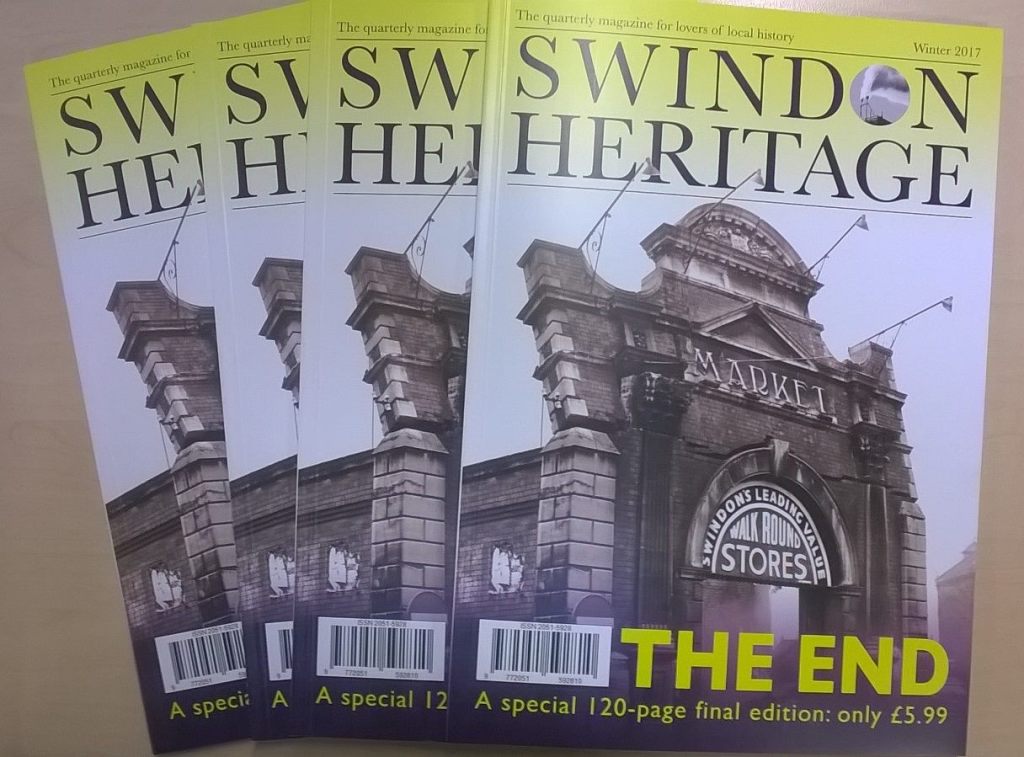
The Network has been hugely supportive to me as both an individual and as a member of the Swindon Heritage magazine team (published 2013-2017). As one of the original members of the Network, I took the opportunity to thank those societies who opened their archives, contributed articles and supported the magazine across five busy years of publication. I spoke about Mark Sutton, military and local historian, author and co-founder of Swindon Heritage who sadly died last year and is greatly missed on the local history scene in Swindon.

This coming weekend – September 9 and 10 – sees Swindon’s history on display during the Heritage Open Day events (8-17 September) when local history groups show Swindonians what a fascinating history their town has. I will be at the Heritage Apple Day event with the Friends of Lydiard Park in the Walled Garden at Lydiard House on Sunday, September 10 – 11-4 pm.

Our next guided cemetery walk takes place on Sunday September 17. Meet at the Chapel in Radnor Street Cemetery for 2 pm.

Local history is alive and busy in 21st century Swindon – come and join us.

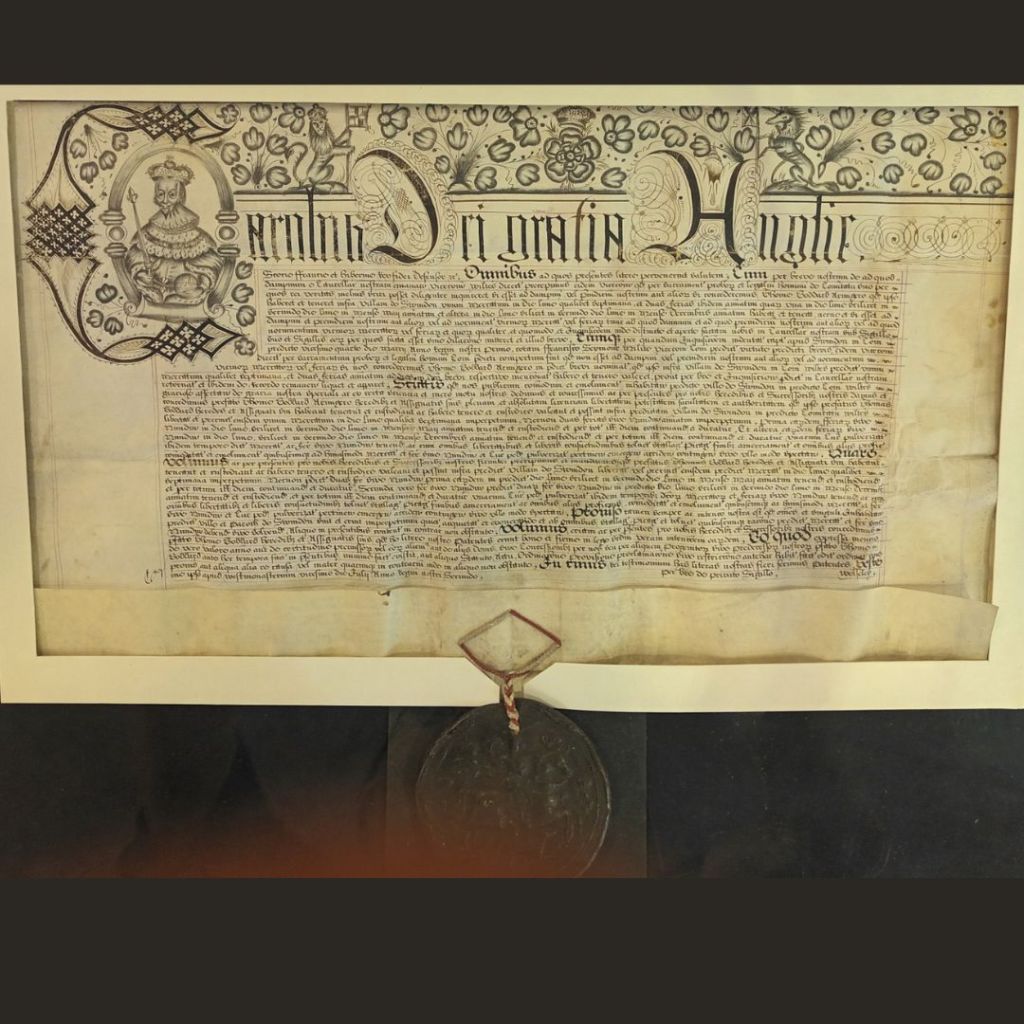
Swindon’s Market and Fair Charter 1626 on display in Central Library, ground floor.