Scotland met Italy in the opening weekend of the 2026 Mens Rugby Six Nations. In atrocious weather conditions Scotland lost by the narrowest of margins. But let us remember a Scottish rugby hero buried in Radnor Street Cemetery.
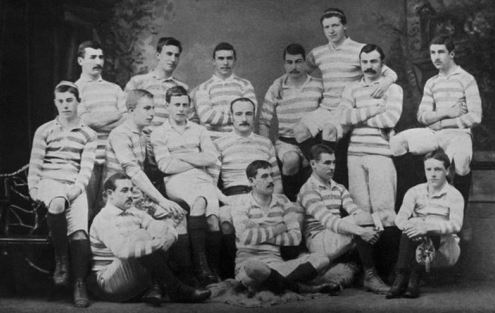
Edinburgh Academicals – Charles Reid pictured seated middle row 4th from left
Charles Reid was born January 4, 1864 at Lochwinnoch, Renfrewshire, the youngest son of John and Margaret Reid. By the age of 17 he stood 6ft 3ins tall and weighed in at around 15-16 stone.
He played for Edinburgh Academical Football Club, the oldest rugby club in Scotland and the second oldest in the World, which he captained from 1883-1888, beginning his international career in 1881.
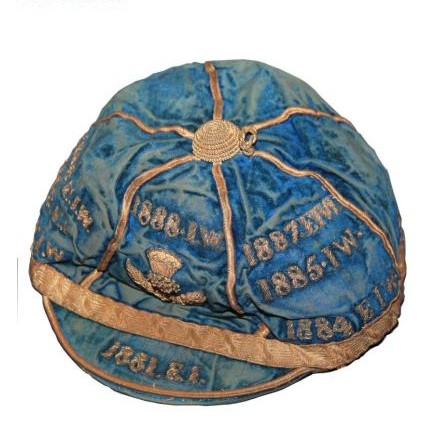
Charles Reid’s first cap published courtesy of Edinburgh Academicals
He was 17 years and 36 days old when he was first capped in 1881, the first schoolboy to play in a forward position in an international match. He went on to captain Scotland to 17 wins in 21 games. He was known for his skilful play and his ferocious tackling and today many rugby pundits place him in their ‘fantasy rugby team.’
Dr Charles Reid’s medical qualifications were registered at the University of Edinburgh in 1888. He worked for sometime in Selkirk where he met and married Catherine Louise Steedman. His medical practice was at 32 Wood Street where he was based for some four years. Sadly, Catherine died just 18 months later after their arrival in Swindon.
Death of Dr. Reid
Well known Medical Practitioner
A Great Rugby Football Player
Famous International
The news of the death of Dr. Charles Reid, partner with Dr. J. Campbell Maclean, of Swindon, was received with unfeigned regret on Tuesday last. Deceased, who was only 45 years of age, passed away at a Surgical Home in London on Monday night, whither he had undergone several operations of a painful malady. He had been in failing health for some time, but the end came somewhat suddenly. Dr. Reid lost his wife by death about four years ago after being married only 18 months.
Deceased was born in Scotland, and was educated at the Royal Academy, Edinburgh, and subsequently studied at Edinburgh University. He secured the degree of M.B., and of C.M. (Edinburgh) in 1883, and practised for some time at Selkirk, where he fell into bad health. He then lived at Craigie with Mr. Campbell for several years, and in 1903 came to Swindon to join Dr. Maclean. He then married, but his wife died 18 months later.
Dr. Reid was an able practitioner, and his opinion was held in high estimation by members of the profession. With patients he was most popular.
Dr. Reid was in his early days a great athlete, and he captained the Scottish Rugby team for many years and possessed no less than a score of International caps. He was the great Edinburgh Academical and Scottish International forward of the early eighties. A new football generation has grown up, but the twenty times capped giant forward is far from being forgotten across the border, he being spoken of as perhaps the greatest forward Scotland ever produced.
The fact that his death took place at the comparatively early age of 45, brings the reminder (says an Edinburgh correspondent) that he was barely 17 when he played against England in 1881 for the first time, and he was only 24 when he retired from football. From 1883 to 1888 he captained the Edinburgh Academical team, and in his last two International matches no fewer than five of the Scottish forwards were Edinburgh Academicals.
The funeral
The mortal remains of the deceased were brought to Swindon on Wednesday night, and the interment took place in Swindon Cemetery this afternoon, where lie the remains of his late wife.
The Swindon Advertiser, Friday, October, 29, 1909.
Dr Charles Reid died following a surgical procedure in London. His body was returned to Swindon to lie next to his wife and was buried here on October 29, 1909 in grave plot E8478.


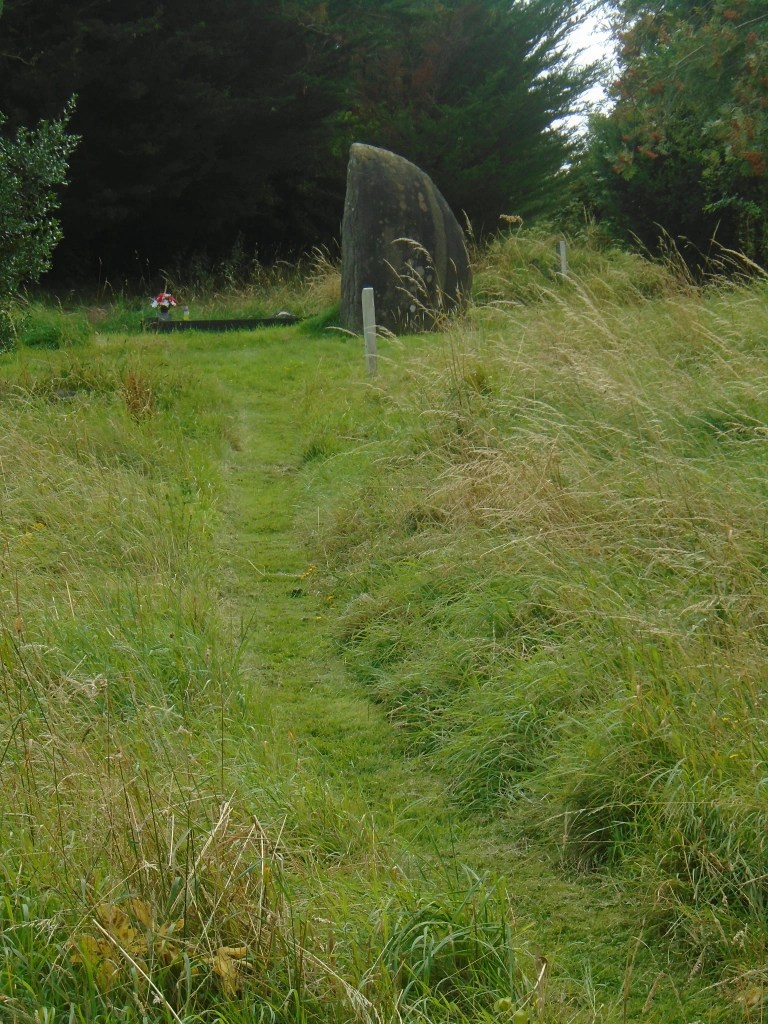



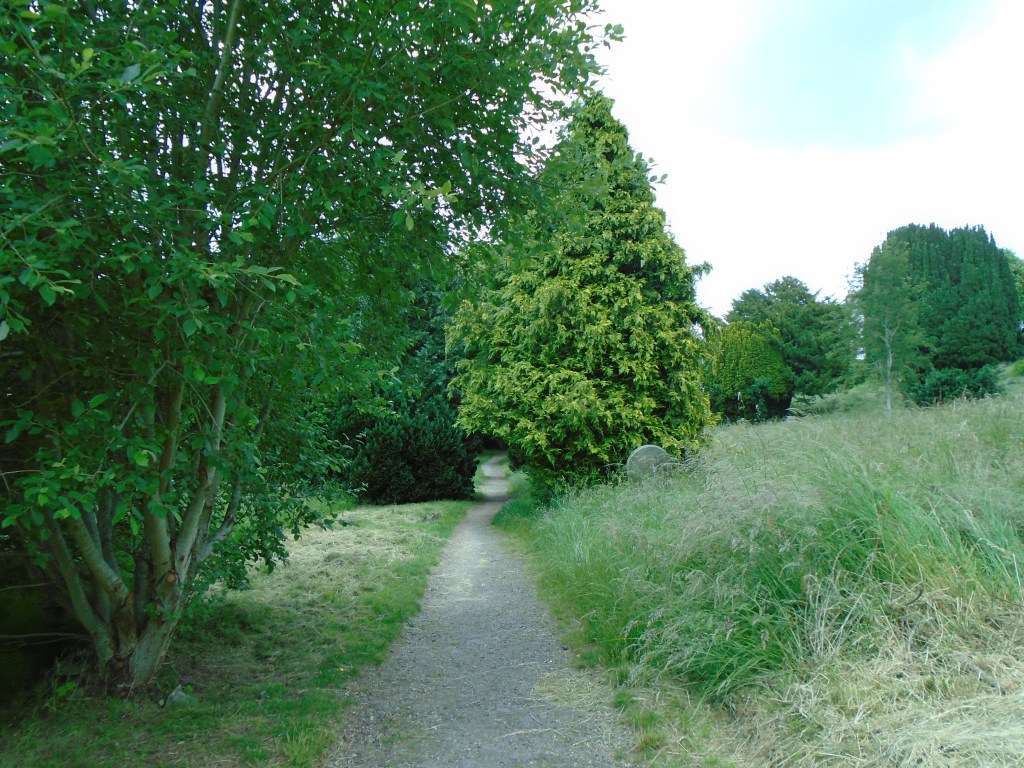
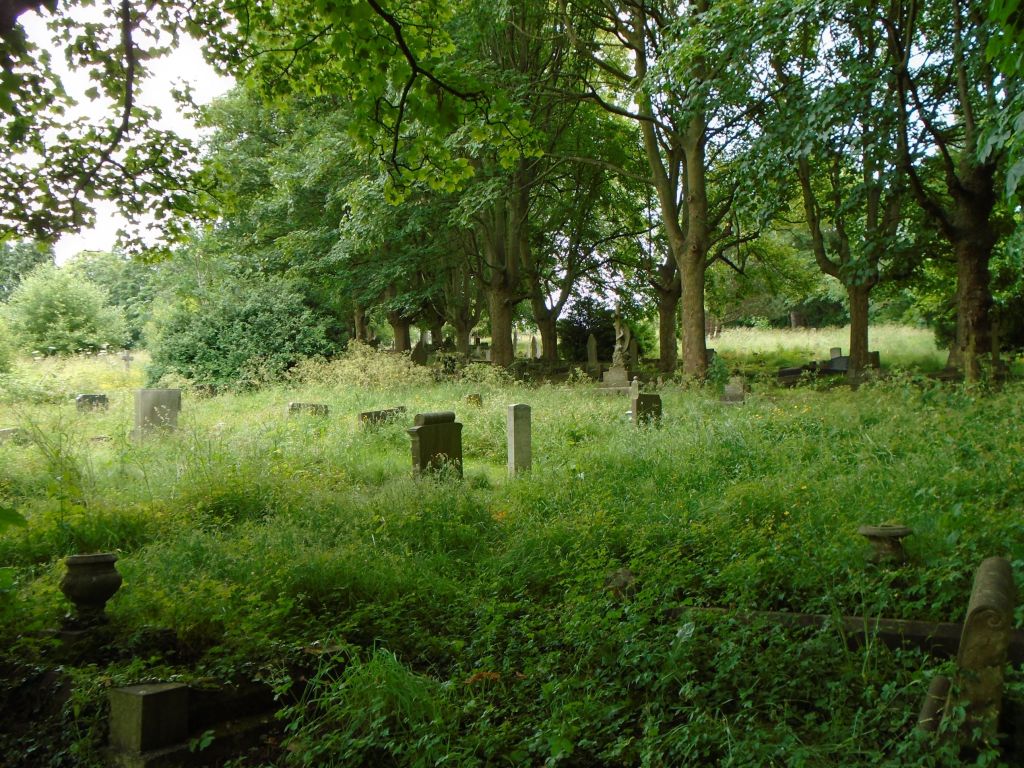





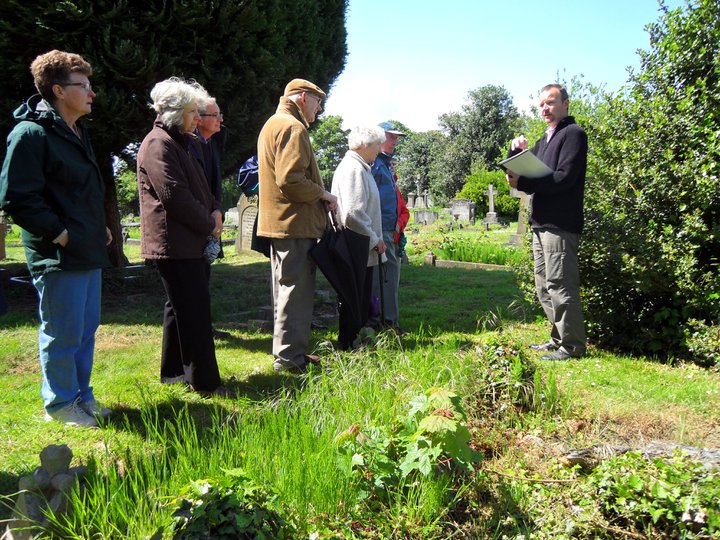


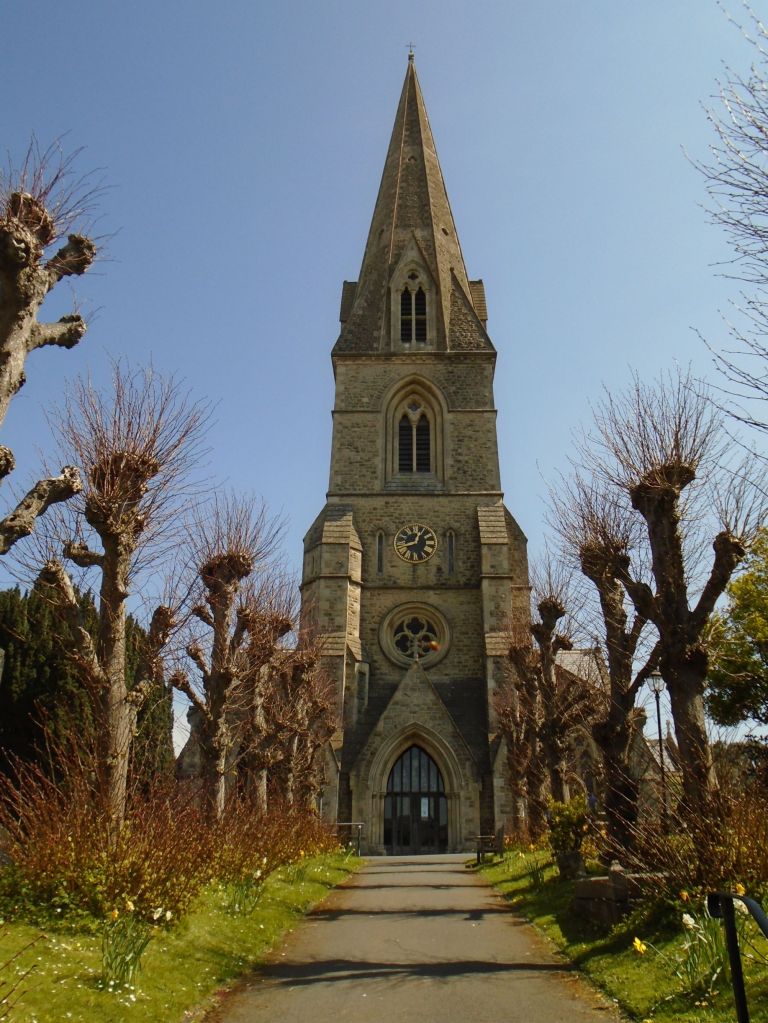


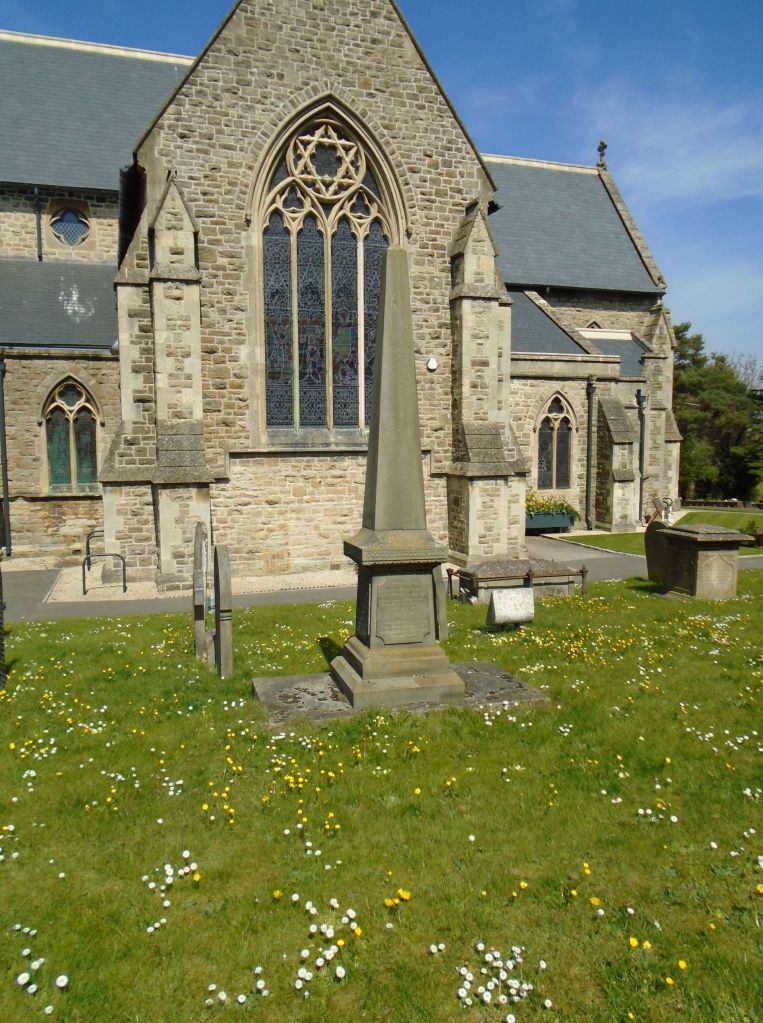




 Radnor Street Cemetery