Grass for sale

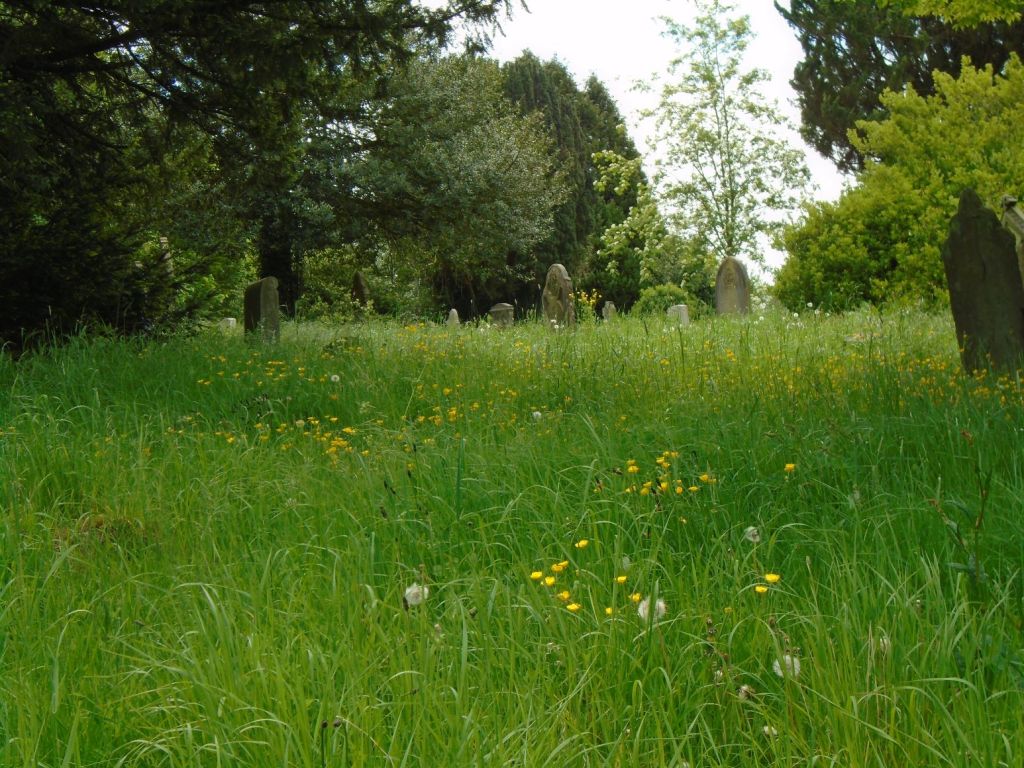
In the cemetery we have a problem with grass and it would appear that it was ever thus …
There was quite a commotion at the monthly meeting of the New Swindon Local Board held in the summer of 1882.

Mr Dawson asked the Chairman if he would be in order in referring to the late sale of grass at the Cemetery? –

Mr Dawson then said there were three tenders received for the grass, one from Mr Wiltshire of £5, Mr Barker £5 and Mr Morris, junr., or one of the young Morris’s, of £4 5s. The committee appointed to sell the grass, Messrs W. Wearing and W. Morris, after opening the tenders, went and looked at the grass, and then Mr Morris said he would give £5 5s for the same for his son, and this was agreed to between the two. He (Mr Dawson) looked upon this as a very unfair and discreditable transaction on the part of Mr Morris, and having said this much left the matter in the hands of the Board.

The Chairman said there certainly appeared to have been some irregularity, but after what had taken place he did not think such a thing was likely to occur again.

Mr W.E. Morris said he had heard a good deal about the said “tenders,” were they in writing or by word of mouth?

The committee had no idea that there was £5 worth of grass at the place, and simply gave instructions that any one wishing to purchase could leave word with the caretaker at the lodge. The grass, however, appeared to have grown very rapidly and hence the competition for it.

The Chairman repeated that much irregularity appeared to have taken place, but the fault rested as much with the whole committee as with any individual member. The sum in question appeared to be so small that no one for a moment would believe that a gentleman in Mr Morris’ position would knowingly sacrifice his honour over it.

After further remarks the subject dropped, and the meeting broke up at an early hours.

Extracts from the Swindon Advertiser, Saturday, August 5, 1882.

By the spring of the following year the situation would appear to have been resolved and the sale of grass was advertised in the Swindon Advertiser.

Swindon Cemetery

The Swindon Burial Board are desirous of selling the GRASS growing in the Cemetery, for cropping or feeding purposes, to the 31st October next.

Particulars may be obtained of the Caretaker at the Cemetery.

Sealed tenders to be sent to the undersigned, on or before the 16th April latest.

J.C. Townsend, Clerk.

42 Cricklade-street, Swindon, 6th April, 1883.

The Swindon Advertiser, Saturday, April 7, 1883
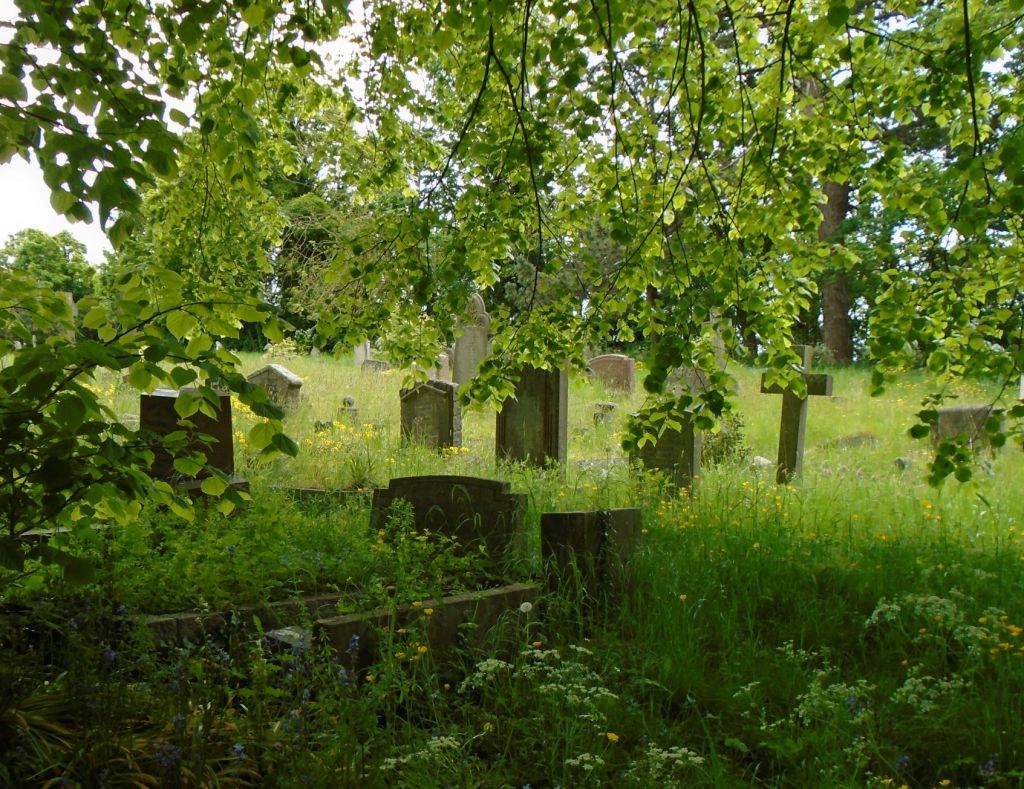
Now I wonder if anyone would be prepared to come and cut the cemetery grass for a fiver today!

August 1882

August 1882 and the new cemetery on Kingshill had been open a year. There were 14 burials during the month of August 1882, numbered 221 to 235 in the burial registers. In those early years most of the burials took place in Section A.

The oldest person buried in August 1882 was Richard Cowley aged 91. Richard Cowley was baptised on December 12, 1790 at St. Mary’s Church, Lydiard Tregoze, the son of John and Sarah. In 1810 he married Susannah Smith at the church where he had been baptised and they had five children (possibly more) Maria, Joseph, William, Sarah and John. In 1841 they were living in the Lodge Gate, Spittleborough Farm, Lydiard Tregoze, close to present day Junction 16 on the M4. They were living alone, both in their 50s, the children had all left home. In 1851 the couple were living near Marsh Farm, Lydiard Tregoze. No chance of retirement for Richard who still worked as an agricultural labourer. Susannah died in 1858.

The following year Richard married Elizabeth Green at All Saint’s Church, Lydiard Millicent. He was 68, she was twenty years younger. In 1861 Richard and Elizabeth lived at The Green, Lydiard Millicent. Richard, aged 70, was still working as an agricultural labourer, possibly for Anthony Kibblewhite at neighbouring Godwin Farm. By 1871 Richard was widowed for the second time; still living in Lydiard Millicent, still working.

Richard died in August 1882, aged 91. His last home was 63 Westcott Place where he lived with his youngest son John and daughter-in-law Caroline. He was buried on August 19, 1882 in grave plot A551, a public grave.

The youngest person to be buried in August 1882 was 2 month old Arthur William Thomas. He was baptised William Arthur Thomas at St. Mark’s Church on August 13. He was buried 15 days later in a babies grave plot A285 when he was recorded as Arthur William Thomas. Were his parents too distraught to notice his name was incorrectly recorded?

If William Arthur Thomas had lived as many years as Richard Cowley he would have seen man land on the moon!

In August 1882 Radnor Street Cemetery had been open a year; 14 burials took place that month, the oldest person was Richard Cowley, the youngest was William Arthur Thomas.

Our cemetery cat

Every cemetery should have a cat – and we used to have one.

We never knew where he lived, only that it was somewhere local – maybe Kent Road or Clifton Street or perhaps Radnor Street itself. Most days he would be in the cemetery, prowling through the long grass on his deathly, daily business; stalking the wildlife. He barely acknowledged us and we never approached him – he wasn’t that kind of cat. He had a distinctive face and we had a nickname for him – too controversial to reveal here.

And then one day I saw his photograph on a local vet’s Facebook page, like a fugitive on a wanted poster – Found in Radnor Street Cemetery – some well meaning animal lover had captured him and deposited him at the vet’s.

We wondered if he would ever find his way back home, and more importantly, back to the cemetery.

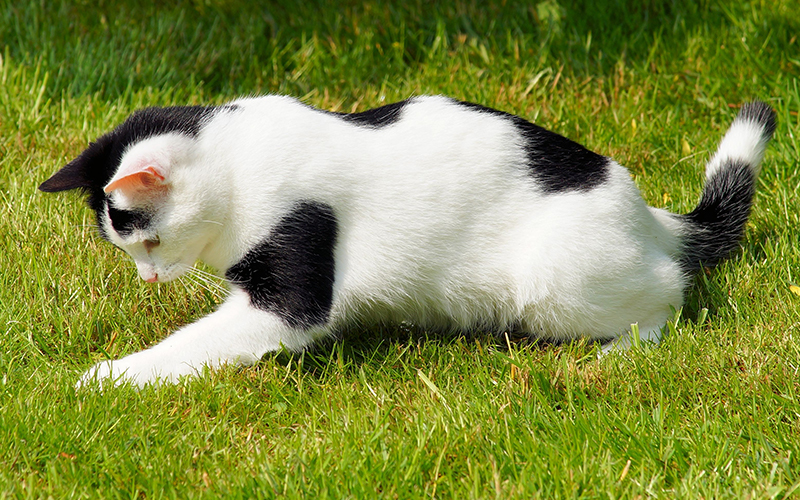
Every cemetery should have a cat. We had one once. He looked a bit like this – only more menacing.

A public grave and an unusual discovery

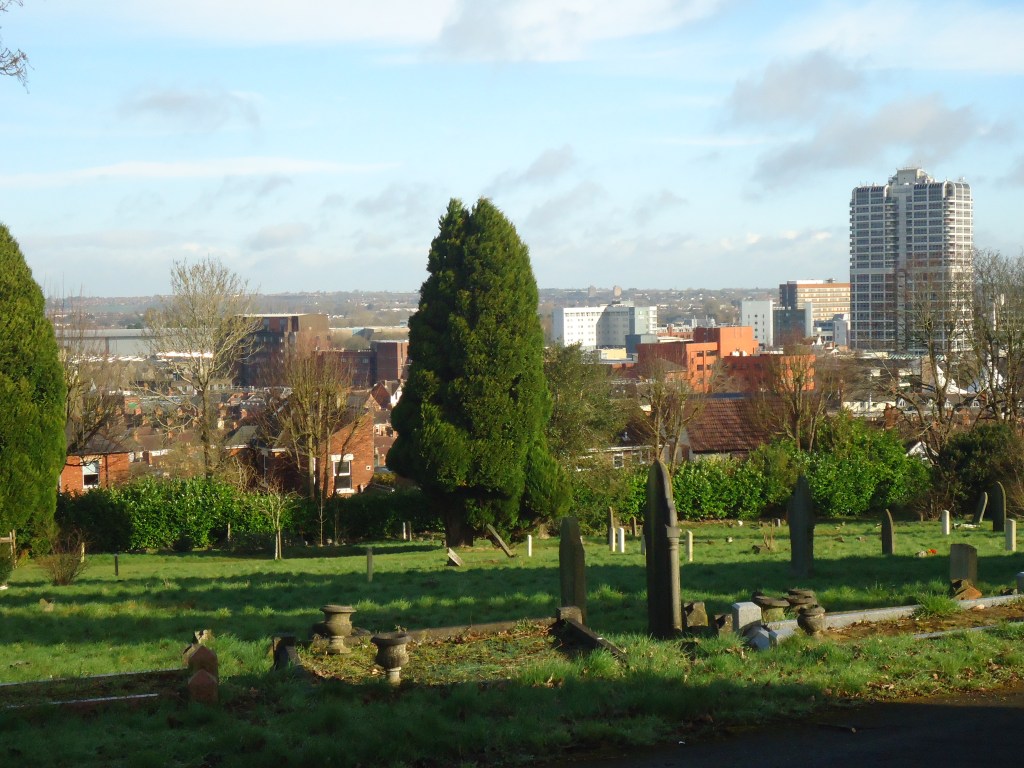
As you look across the cemetery, you will see large areas without headstones or grave markers. But we know there are no empty burial spaces here as the cemetery was full when it closed in the 1970s.

These empty spaces are graves where families were unable to afford a headstone or memorial of any kind. There are also a large number of public graves where families were unable to afford even a burial plot. These plots often contain numerous burials, usually of unrelated persons. And then there are also the infant burial plots where the babies are buried and there are a large number of those in the cemetery.

I came across plot C63 while was researching the death of Emily Hobbs. Emily had died at the Stratton Infirmary aged 75 years old. Her home address was given as 34 Linslade Street and she was buried here on September 24, 1938.

When I looked at the plot details I soon discovered that this was a public plot, so I knew there would not be a headstone. But what surprised me was that there were four other people by the name of Hobbs already buried here when Emily died in 1938.

Research revealed that this plot was originally designated as a babies plot. The first burial to take place was that of Edgar Henry Smith a 10 week old baby who died in June 1896. A week later another baby was buried here 17 month old Grace Emily Hobbs from 31 Linslade Street. In February 1897 Laura Louise Hobbs aged 5 years old from 31 Linslade Street was buried here. In November of that year Myra Agnes Smith, little Edgar’s sister, was buried here aged 3 months old. And on February 13, 1909 the last burial of a baby was that of three day old Violet Mary Bishop. However, nine years before that, William John Hobbs aged 15 months of Groves Street was also buried here.

Could it be a coincidence that so many babies by the name of Hobbs were buried in this plot?

Emily Leviss married Charles Hobbs at St Leonard’s Church, Blunsdon on December 22, 1883. The young couple were both aged 20 and had to obtain the consent of their parents to marry. On the marriage certificate Charles’s father is named as William Hobbs a labourer but Emily has given no father’s name or details, suggesting that she was probably born illegitimately.

The couple moved to Rodbourne where they lived at various address in Groves Street, Linslade Street and Redcliffe Street.

In 1891 Emily and Charles are living at 31 Linslade Street. Charles works as a Blacksmith Striker in the Works. The couple have two children – five year old Frederick Thomas and Henry James aged 3. Living with them is Emily’s grandmother Hannah Matthews aged 75 who works as a Laundress. Charlotte M. Willis is visiting the family on census night.

By 1901 the family are living at 31 Linslade Street and by then they have another son Reginald Charles who is 7 years old.

But it isn’t until we get to the 1911 census that the full tragedy of the family comes to light. Charles and Emily are by then both 48 years old. Elder sons Frederick and Henry have moved out and moved on. Still living at home are Reginald Charles, Edward Alfred and youngest son Norman Stanley Leviss Hobbs aged just 2 years old. Charles and Emily have been married for 27 years and during that time Emily has had 10 children and 5 have died.

As well as the three children buried here Hubert Robert Hobbs died in 1904 aged 10 months and is buried in plot B1318. Florence Maud Hobbs died in January 1907 aged one year old and is buried in B1845.

When Emily’s husband Charles died in 1913, he was buried in grave plot C63 with his children, presumably at Emily’s request, and then when she died 25 years later she joined them. This is quite an unusual situation for a public grave. Perhaps it shows a more compassionate side of an authority that allowed this family to be reunited even though they could not afford to buy their own grave plot.

Tenders for work

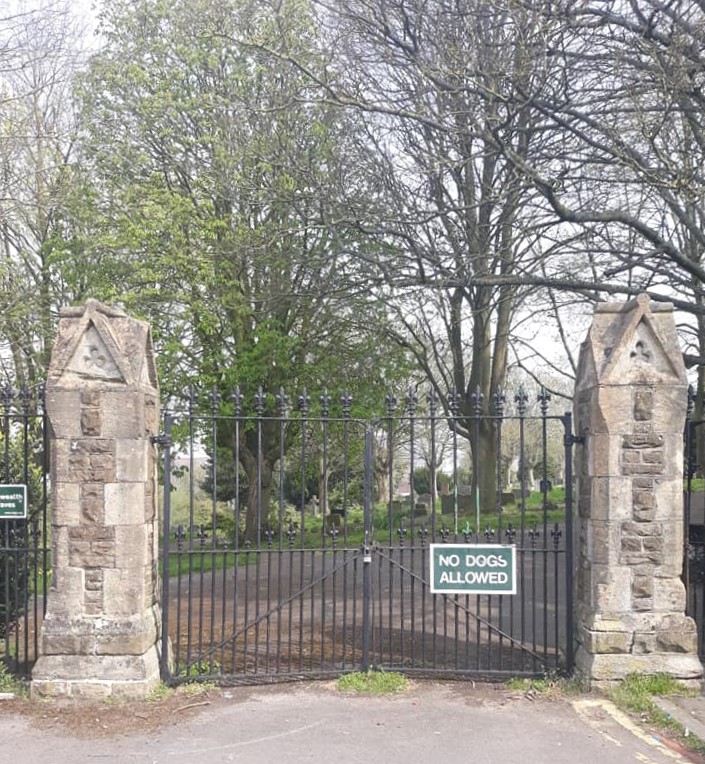
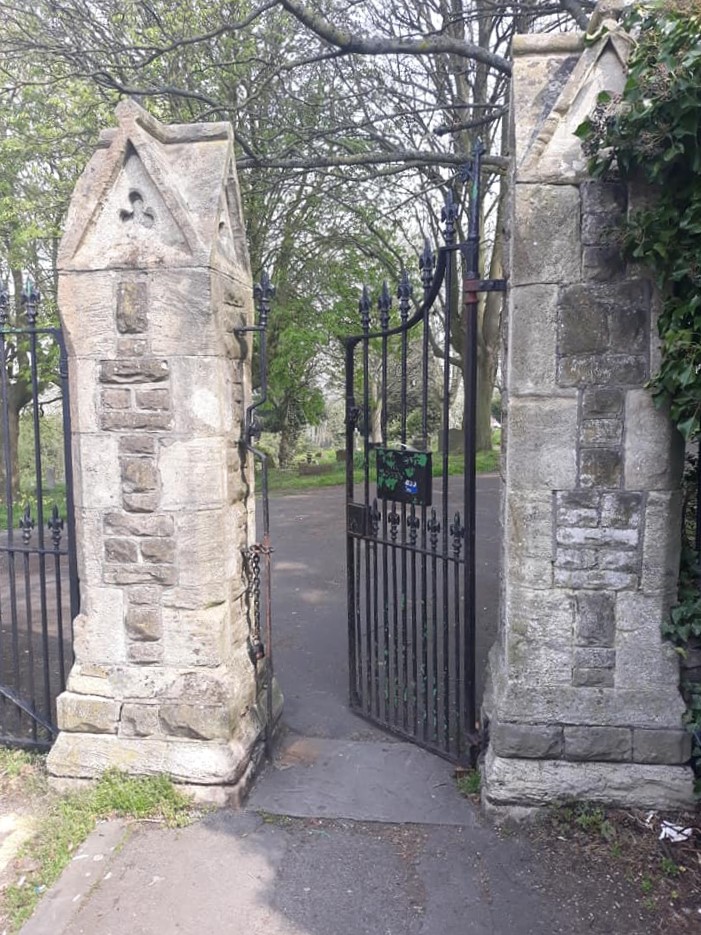
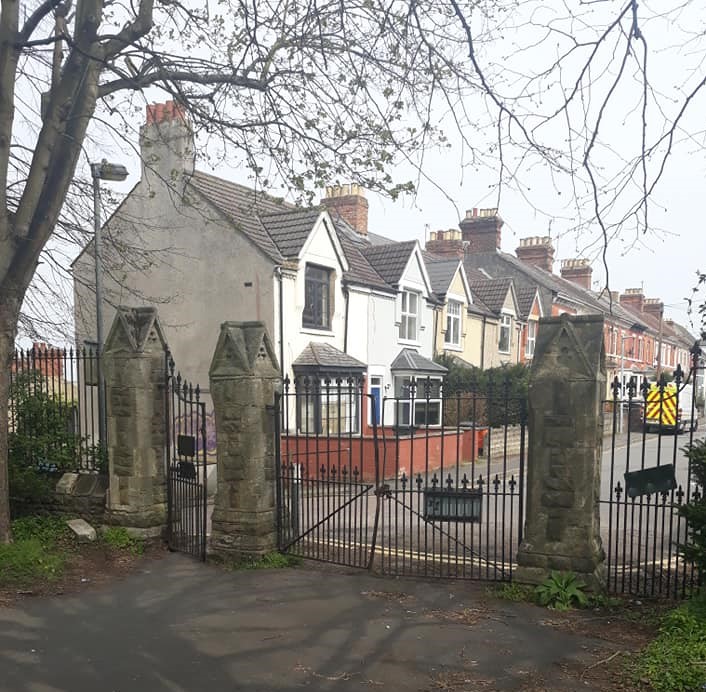
It was always Mark’s dream to see the cemetery gates and railings painted black with the fleur de lis finials burnished in gold. Custodian of the military history of the cemetery, Mark was a painter and decorator by trade and the state of the cemetery railings was a source of professional frustration for him. Today the gates and railings reveal a motley coat of green and black paint, which came first is difficult to work out.

In 1885, just four years after the cemetery had opened, it would seem the railings were already in need of maintenance.

The Swindon Burial Board are desirous of receiving tenders for the following work:- Clean and Paint, with two coats of good oil paint, the whole of the iron fencing around the Cemetery; Paint twelve seats with three coats of good oil paint; Size and Varnish the outside of the chapel door.

For further Particulars, apply to the Caretaker, The Cemetery Lodge.

Tenders to be sent to me the undersigned, on or before the 11th day of May, 1885.

The Board do not bind themselves to accept the lowest or any Tender.

H.F. Townsend

42, Cricklade Street, Swindon, 22nd April, 1885.

The North Wilts Herald, Friday, April, 24, 1885.

Kent Road gate

Clifton Street gate

Clifton Street gate

Radnor Street gate

Dixon Street gate

#TellThemofUs

#MarkSutton

Swindon’s working class history

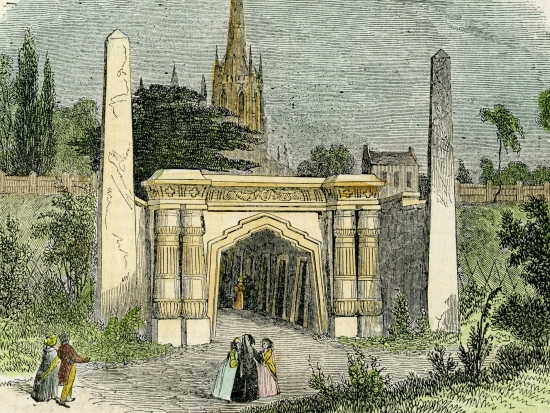
Unlike Highgate Cemetery in London, Radnor Street Cemetery is not a tourist destination. Plenty of Swindonians don’t even know of its existence. There are no elaborate mausolea, no Egyptian Avenue or Terrace Catacombs and although at first sight there appear to be large numbers of headstones, the vast majority of graves are unmarked.

The GWR Works opened in 1842 and employed more than 1,700 men twenty years later. At the same time a shortage of burial spaces in the town became of critical concern, but the Radnor Street cemetery was not opened until 1881.

Highgate Cemetery has been the setting for numerous books, several films and in the 1970s was subject to a bizarre vampire obsession. Radnor Street cemetery online archives include just a few early 20th century photographs and a 1980s music video filmed by Swindon music legend XTC.

Highgate Cemetery is famous for being famous; for the number of people of note and celebrities interred there. Radnor Street cemetery is all about working class history. The men who rose through the ranks of the railway engineering hierarchy and others who spent a lifetime on the factory floor in the GWR Works. Those men who served in two world wars and died as the result of their service. The women who trained as nurses, who taught in Swindon’s schools, worked in factories, shops and offices and raised large families who began the cycle all over again.

This is Swindon’s working class history – stories of the triumphs and the tragedies and the sheer hard work.

The Egyptian Avenue at Highgate Cemetery

Elsie Wootten White