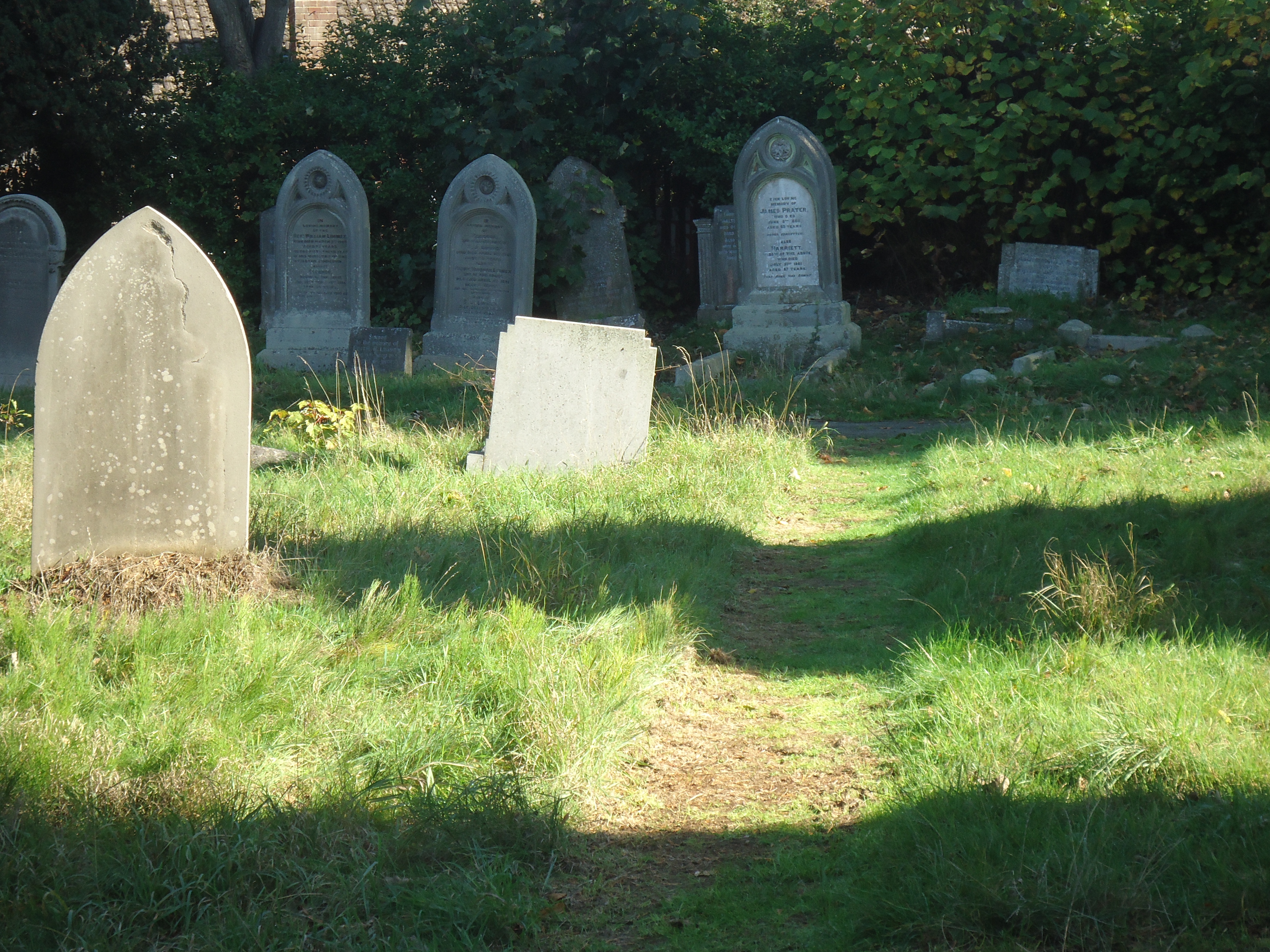
Radnor Street Cemetery event – May 2011

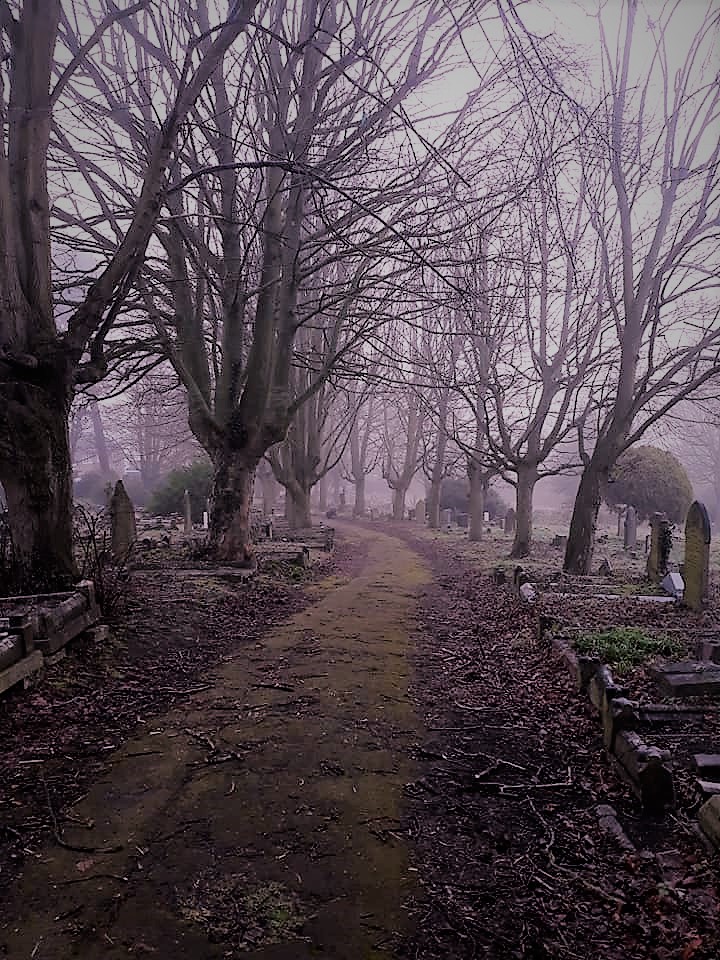
I have spent this week scrolling through the Radnor Street Cemetery archives in search of stories to tell on our next guided cemetery walk. And then up popped a memory on Facebook from May 2011.

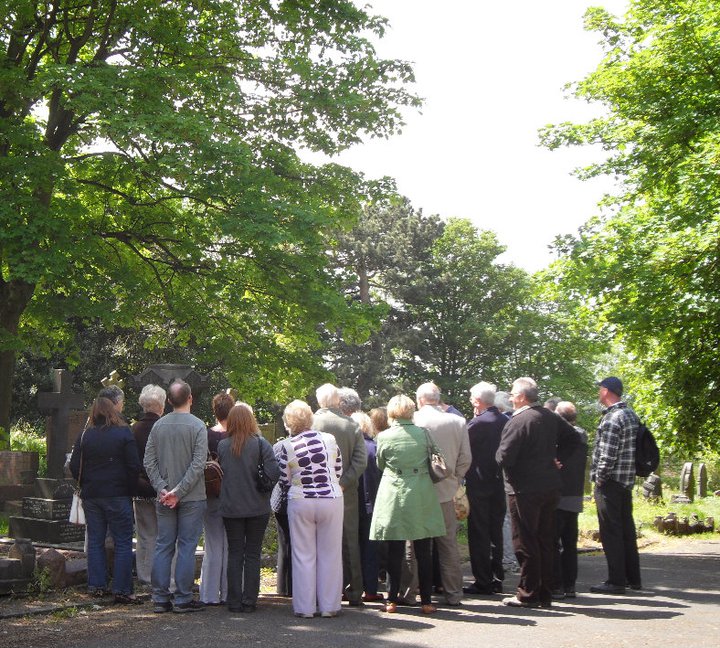
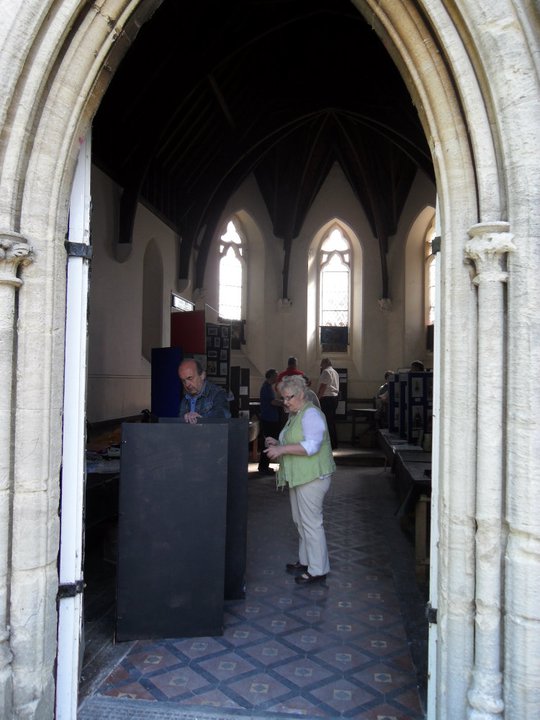
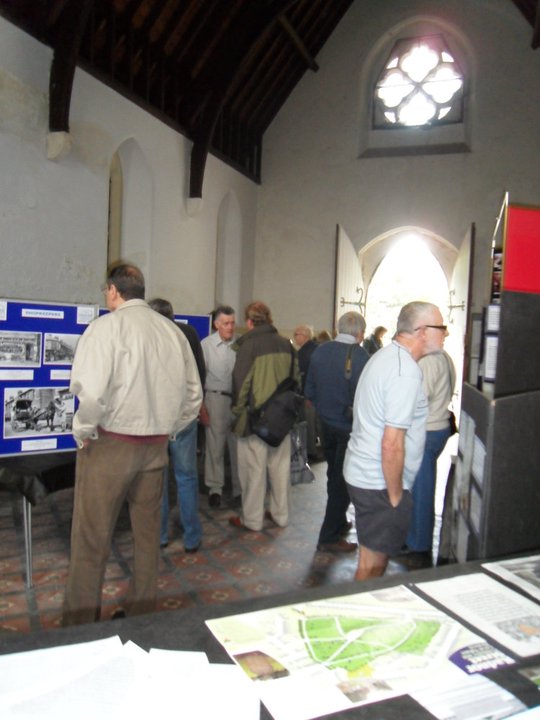
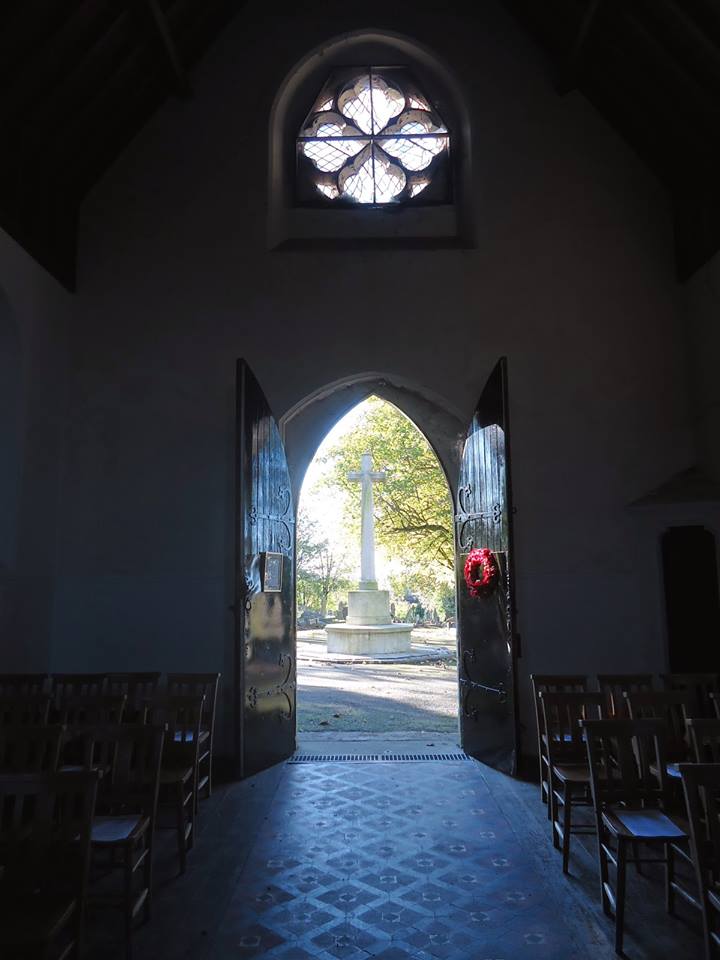
Mark and I had long established a programme of cemetery walks when I suggested holding a local history exhibition in the cemetery chapel. We fixed a date, May 21 and 22, and invited the local history groups who supported our cemetery walks to bring along a display.

I look back now and I’m amazed at how supportive and enthusiastic everyone was and how hard they worked across the two days.

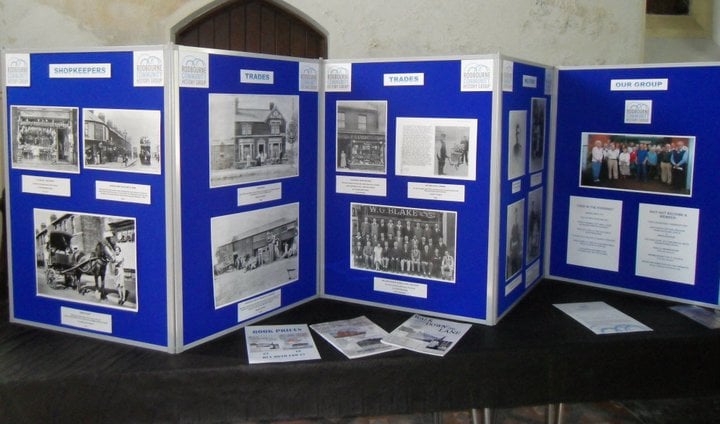
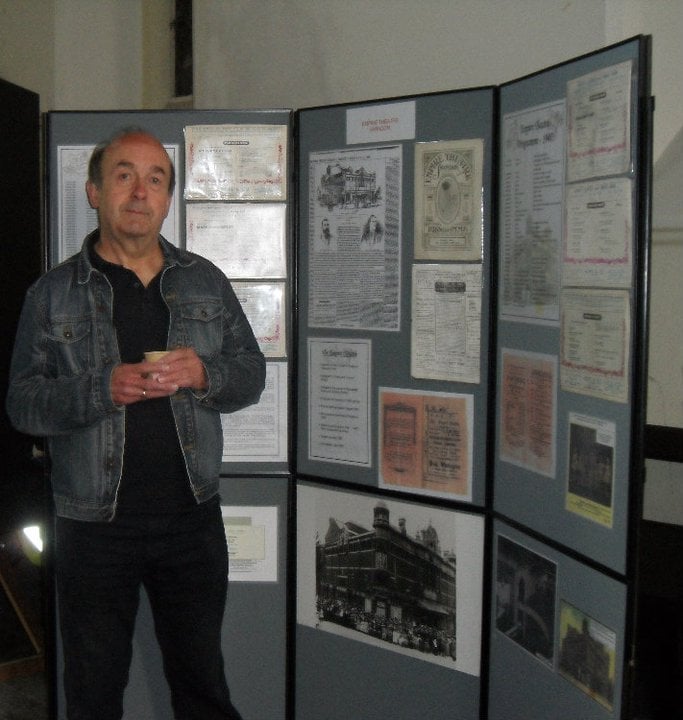
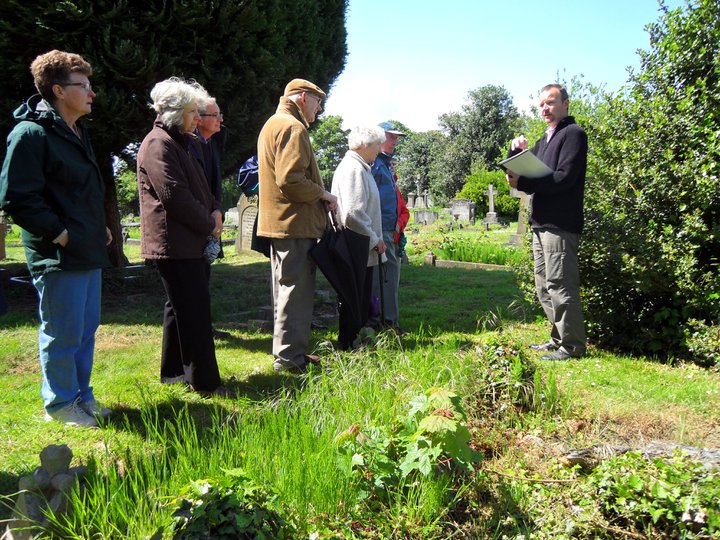
Members of the Swindon Society, the Rodbourne Community History Group, staff from Swindon Central Library Local Studies and Graham and Julie from the Alfred Williams Heritage Society all lugged their display boards, books and pamphlets up the steep cemetery incline to the chapel. Roger brought his Empire Theatre display and artist Andy Preston brought his ethereal artworks of the Radnor Street Cemetery angels. Mark and I conducted two guided walks across the two days.

Together we all shared our love of the cemetery and the fascinating history of Swindon and the people who made it a town of which to be proud. That weekend we met old friends and made new ones. We heard familiar stories retold and learned new ones. And we laughed – a lot!

As I look at the photos of that amazing weekend I am sad to see the faces of those we have lost in recent years. Bob, slight of stature but bold and brave, who we tried (unsuccessfully) to persuade to climb the old bell tower on a recce; and Mark, who told the stories of his First World War heroes, something those who heard him will never forget.

Join Andy and myself on Sunday June 1, 2025 for another guided cemetery walk. Meet at the chapel 1.45 pm for a 2 pm start.

Setting up

Alfred Williams Heritage Society

Artist Andy Preston

Radnor Street Cemetery display

Rodbourne Community History Group

Roger and the Empire Theatre display

The Swindon Society display

Setting up

the Dream Team

Our poster for the 2011 weekend event

Rodbourne Community History Group

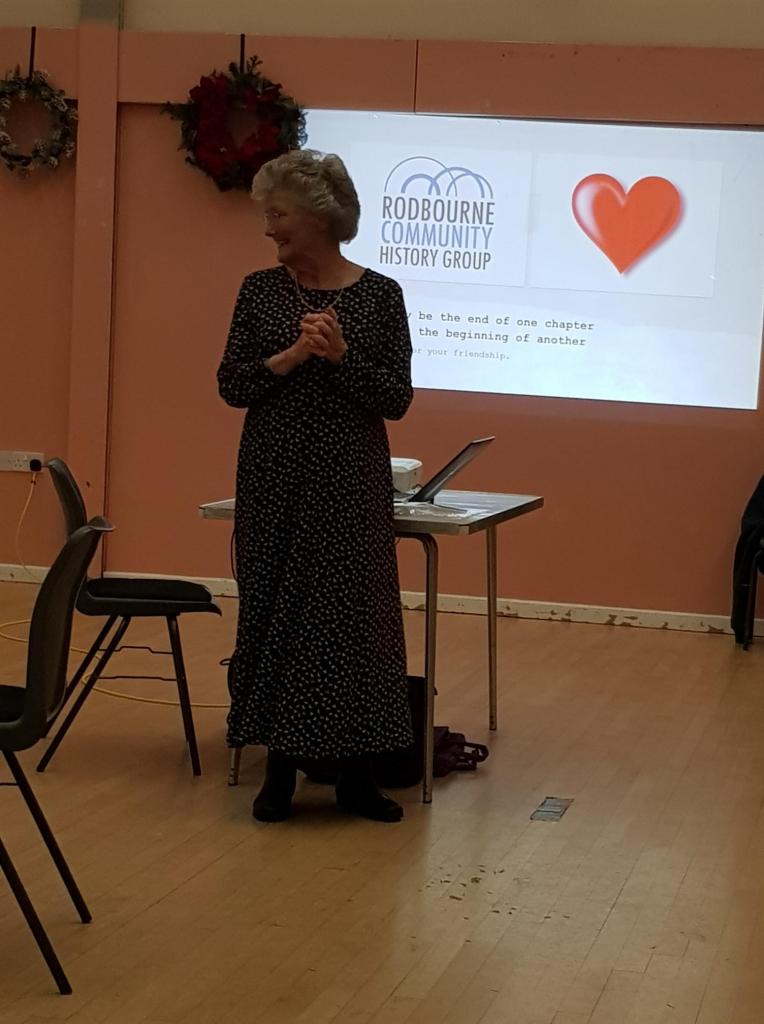
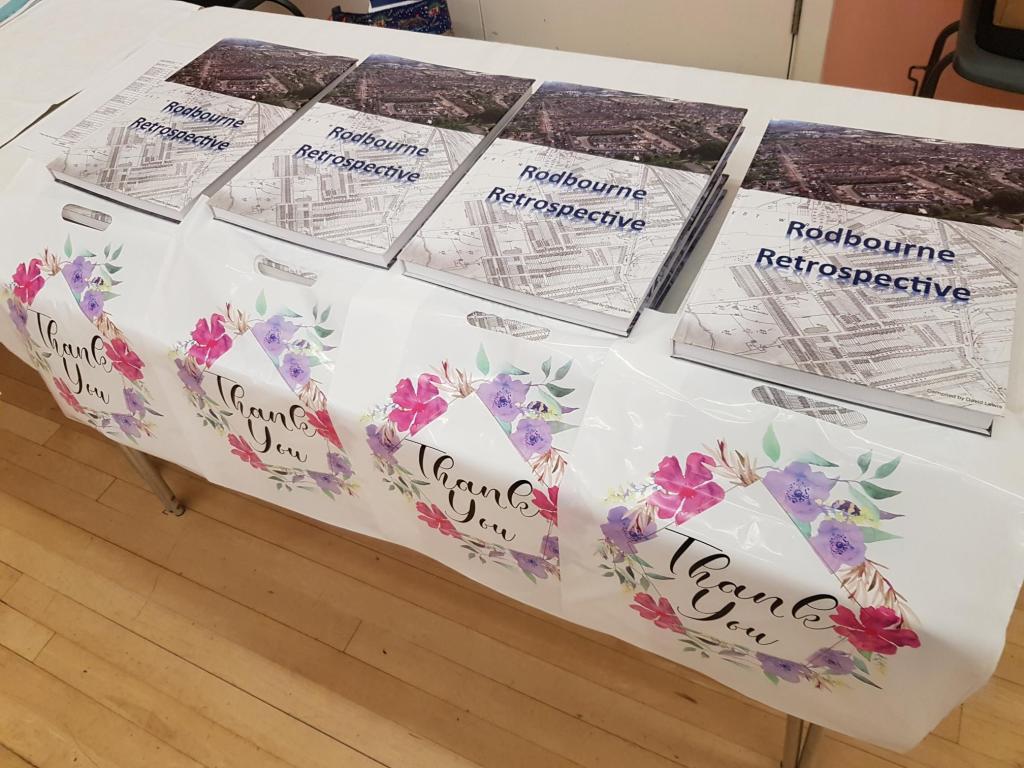
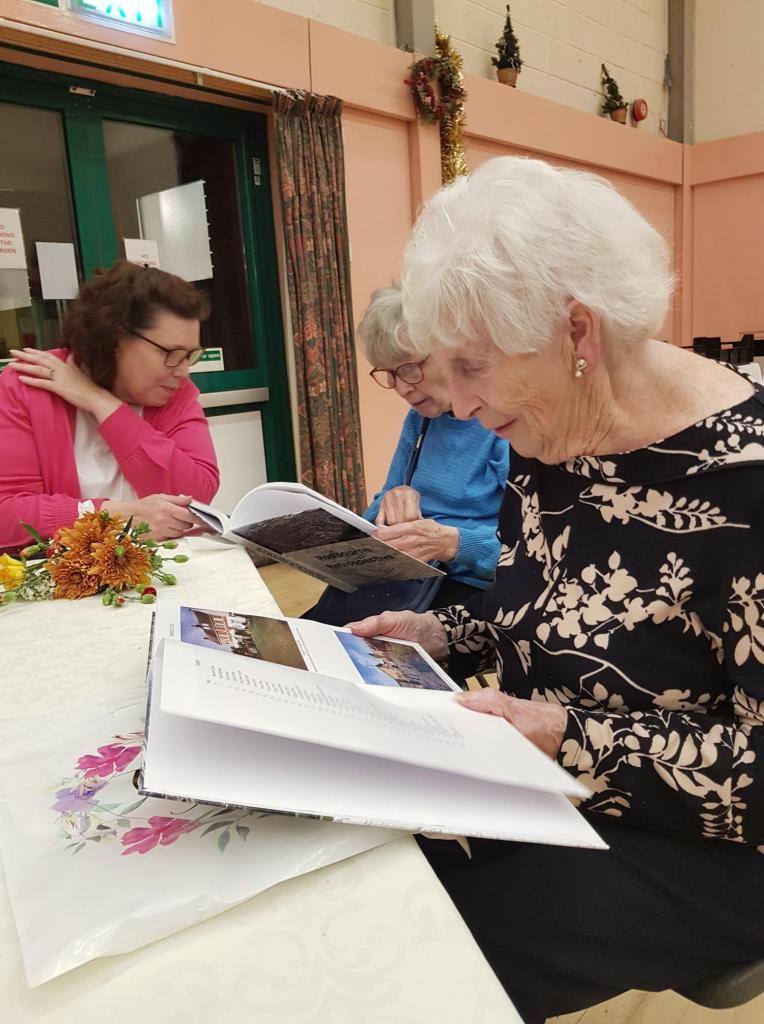
Members of the Rodbourne Community History Group gathered together last weekend to celebrate the achievements of the group across more than 20 years.

What began as the Rodbourne Living History Project in 2003, an initiative of the Outreach Department of English Heritage here in Swindon, evolved into a vibrant group giving presentations, talks and tours about their neck of the woods.

But the time had come to say a fond farewell – although the popular ‘Factory Tours’ of the Outlet Village will continue later in 2025.

The archive will in due course transfer to the Local Studies, Swindon Central Library, flickr website but until then you can still view photographs on the Rodbourne Community History Group’s website.

Here are some photographs from Saturday’s event.

George Hemsley – co-founder of the New Swindon Industrial Co-operative Society.

The re-imagined story …

My mum had a fantastic memory. She never forgot a birthday or anniversary and she could remember her Co-operative Dividend Number until the day she died.

She used to shop in the Co-op in East Street and knew Mr Hemsley, the secretary, well. George Hemsley was a railwayman from Gateshead and an influential character in the early days of New Swindon.

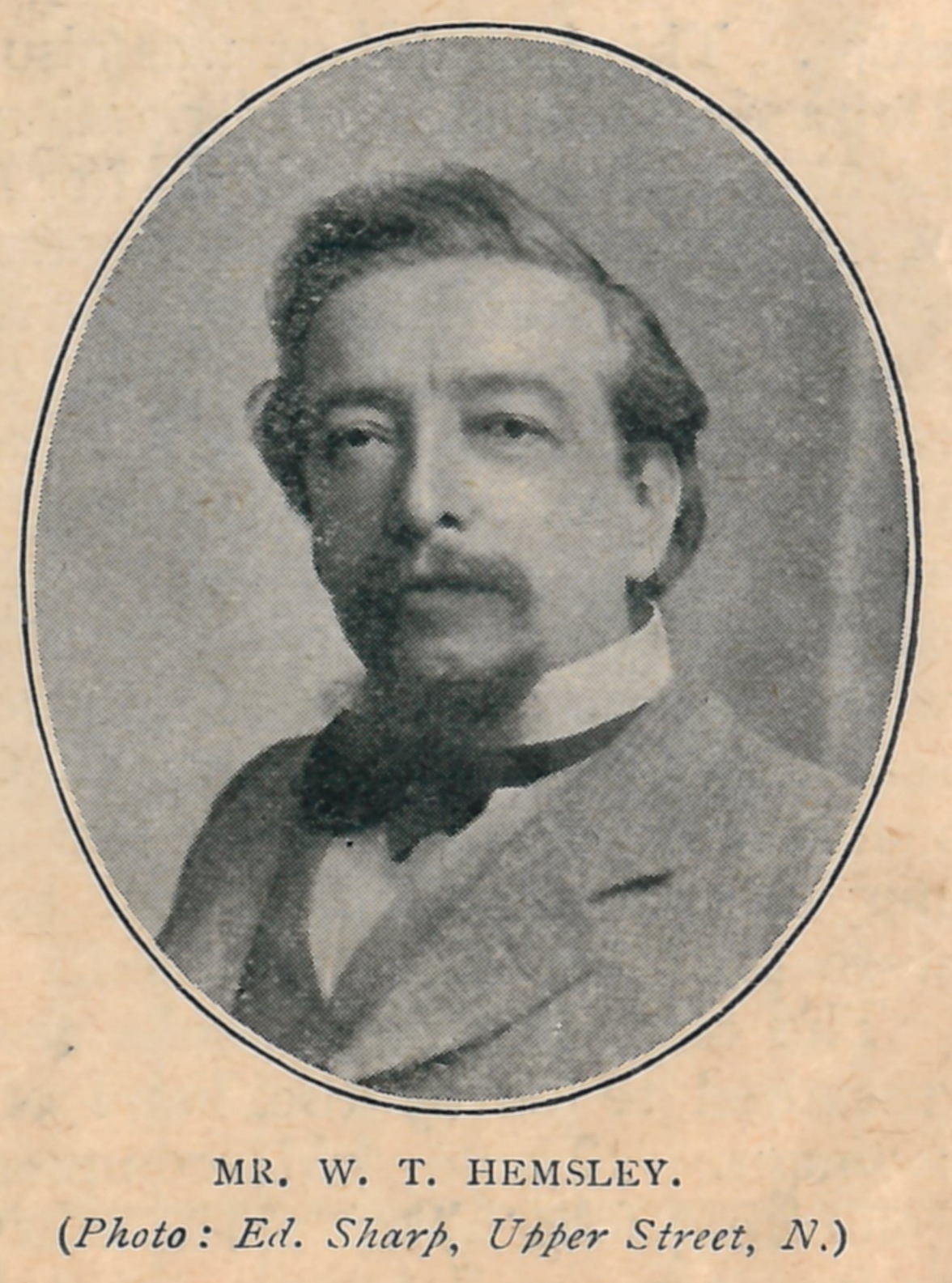
I began my fitter’s apprenticeship on the same day as Mr Hemsley’s son William, but while I spent 50 years in the Works, William Thompson Hemsley went on to enjoy a very different career.

W T Hemsley

I was pretty good at sketching (I’d even considered a draughtsmen’s apprenticeship at one point) so when William told me he was starting drawing classes at the Mechanics’ Institute I decided to join him. I had no idea just how good he was though, and before too long he was actually teaching the drawing classes.

He began his scenic art career at the Mechanics’ and it was my proud boast that I helped him paint the theatre scenery on one occasion. I had little to do with the design, just followed instructions, but it was an interesting project to be involved in and something to tell the grandchildren.

William kept in touch with Swindon, even after he became famous. We used to meet up for a pint in the Cricketer’s when he came back to visit family.

George Hemsley died on November 12, 1888. My mum always mentioned him on the anniversary of his death. My mum had a fantastic memory.

ND: Looks as if taken in 1890s

George Hemsley with his daughter and an unidentified man

The facts …

George Hemsley, a fitter and turner was an early arrival at the GWR Works, Swindon.

George was born on January 17, 1822 in Gateshead the son of William and Anne Hemsley. At the time of the 1851 census George was living at Quarry Field, Gateshead with his wife Mary and their 10-month-old son William. George most probably worked at The Quarry Field Works, a marine, locomotive and general engineering firm established by John Coulthard & Son in 1840.

By 1861 George and Mary were living at 6 Westcott Place with their six children, four of whom had been born in Gateshead. John Robert Hemsley, was the first to be born in Swindon in around 1858 which places the Hemsley family’s move to Swindon sometime between 1854 and 1858.

Tracking the family through the census returns we find them at 22 Reading Street in 1871. William Thompson Hemsley has followed his father into the Works where he is a fitter and younger brother John Robert’s job description is boy in foundry.

George was also co-founder of the New Swindon Industrial Co-operative Society.

George died at his home 22 Reading Street on November 12, 1888 aged 66. He was buried in Radnor Street Cemetery and his funeral arrangements were performed by Richard Skerten, a carpenter and undertaker.

Mary remained in the family home following George’s death, living with her widowed daughter Mary J. Rollins and her two granddaughters, plus Frederick Birch, a Grocer’s Assistant who boarded with the family. Mary died on December 19, 1899 and is buried with George.

‘Mr Hemsley was a staunch supporter of the local Liberal and Radical Association, frequently appearing on the platform at public assemblies and often putting his signature to the Nomination Papers of Liberal candidates at Parliamentary elections. He played a prominent part in the election campaign of Mr B.F.C. Costello in 1886, when the latter gentleman was opposed from the right by a Liberal Unionist and from the radical wing of the party by the Independent Liberal Sir John Bennett.’

A Drift of Steam by Trevor Cockbill

George Hemsley’s name appears on a list of more than 130 who formed a local committee at New Swindon to secure the election of Daniel Gooch in May 1865.

Swindon Advertiser May 22, 1865

 Hemsley George

 9 March 1889 Personal Estate £558 18s 11d

 The Will of George Hemsley late of 22 Reading-street New Swindon in the County of Wilts Engine Fitter and Turner who died 12 November 1888 at 22 Reading-street was proved at the Principal Registry by William Thompson Hemsley of 57 Belvedere-road Lambeth in the County of Surrey Scenic Artist the Son and William Simpson of 7 Bangor terrace Jennings street New Swindon Engine Fitter two of the Executors

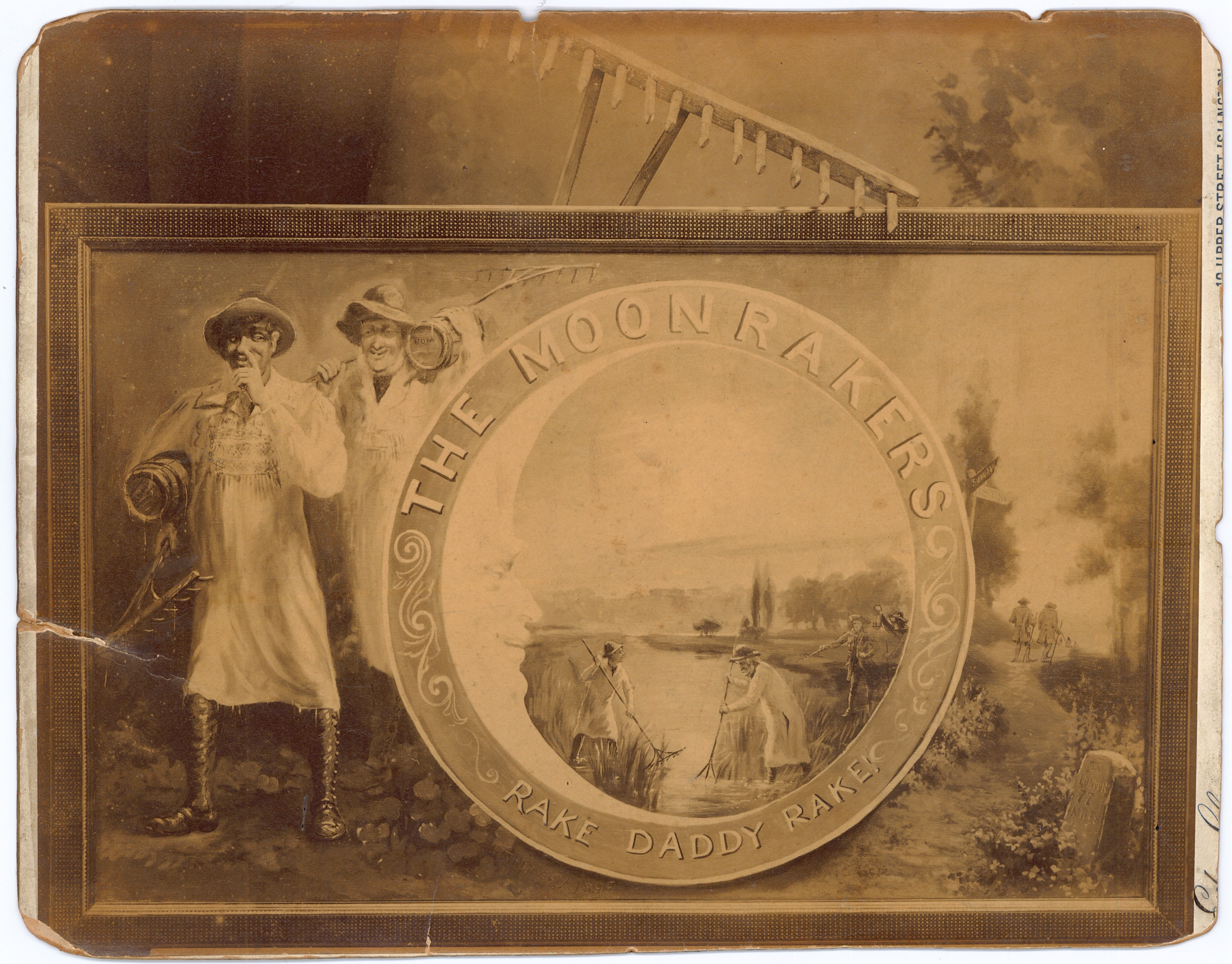
Rake Daddy Rake

Probably W.T. Hemsley’s most celebrated local work was a painting of the Wiltshire Moonrakers that hung  in the reading room at the Mechanics’ Institute for at least 35 years. This painting of Wiltshire yokels raking the pond to recover the contraband hidden there accompanied the Moonies Association when they met for their annual gathering in London.

Photographs published courtesy of Mike Attwell and Local Studies, Swindon Central Library.

James Haydon Wardall

The re-imagined story …

I was working as night porter and resting the day Mr Wardall checked in at the Albion. Polly told me he wasn’t looking well and that she expected I may be required during the night.

Polly was my sweetheart and we were saving hard to get married. We had met when we were both in service. We were ambitious and knew that we wanted more than a life of bowing and scrapping. We dreamt of opening our own little boarding house and being our own bosses, answerable only to one another.

We decided to get some experience in the hotel business before embarking upon our big adventure. It seemed to me though that there was little difference to being in service. The work was as arduous, the hours as long and there was still a lot of bowing and scrapping to be done.

It was early on in the season and only a few of the rooms were occupied. Throughout the night I kept busy with my usual tasks, alert to the bells and a possible summons to Mr Wardall’s room, but all was quiet.

The morning dawned bright and blustery with rain threatening but I followed my usual routine and took a brisk walk down by the harbour before returning to my room. I disliked working the night shift and could seldom sleep during the day, every noise in the hotel disrupted my slumber.

That day I was disturbed more than usual and eventually I rose and dressed and went down to the kitchen for a cup of tea. It was then I learned that Mr Wardall had died during the night and it was my poor Polly who discovered his body.

We left the Albion soon after that; I wasn’t sorry to go. We abandoned our boarding house dream.

Albion

Albion Hotel, Plymouth

The facts …

Military Funeral. – The Swindon Advertiser of the 28th ult. records as follows the funeral, with military honours, of one who was known to many in this district, to which he is also related: – The funeral of Mr James Haydon Wardall, nephew of Mr J. Haydon, took place on Tuesday evening.

The deceased gentleman commenced his education at the old GWR Schools at New Swindon, under Mr Braid, and completed it at Edinburgh, whether he removed in 1866. On leaving school he was apprenticed to learn the trade of an engineer under his uncle, Mr John Laverick, at Edinburgh. After his apprenticeship he entered the service of Messrs. Douglas & Grant, at Kirkcaldy, Fifeshire, where he remained for some time; afterwards coming to Swindon, where he was employed in several shops in the GWR Works. Finally he obtained the position of draughtsman under Mr S. Carlton (manager of the Locomotive Department of the GWR Works). In June, 1885, he was offered the post of principal foreman in the Fitting and Turning Shop of the Bombay, Barolda, and Central Indian Railway at Parel, which office he accepted.

During his residence at Swindon, Mr Wardall was associated with several athletic clubs, including the Swindon Drill Hall Gymnastic Society, of which he was secretary on its formation. He was a full corporal in the F (New Swindon) Company of Volunteers for several years, and after leaving Swindon joined the Volunteers in connection with the company for whom he worked in India.

Latterly, Mr Wardall was prevented by ill-health from actively following his employment, and he decided to seek the benefit of a sea voyage, and came to England. He arrived recently at Plymouth, where his illness proved fatal on April 20th.

The remains were conveyed to Swindon for interment, where his old volunteer friends resolved to accord him military honours. Long before the hour fixed for the funeral, the streets in the vicinity of the Works were lined with spectators, whose numbers were greatly increased, as the cortege passed the principal entrance, by the employees who were leaving work for the day.

A large number of volunteers assembled on parade, including the band of the battalion, numbering 32 men, one corporal, one drummer, and one fifer, from the F&G Co’s (New Swindon), under the command of Sergt. McCulloch, a total of 40; Bugle-Major J. Phillips, Armoury-Sergeant J. Westcott, 12 sergeants, five corporals, and 52 rank and file, the whole being under the command of the Sergt. Instructor of the Corps.

On leaving the residence of Mr T. Rice, 25 Gloucester Street, where the body had been removed on arrival from Plymouth, the band played Beethoven’s “Funeral March,” and the mournful procession proceeded to St Mark’s Church, via Sheppard Street, London Street, and Bristol Street.

The principal mourners, who rode in coaches, were Mr Lancelot Thomas Haydon (chief draughtsman in the Works, cousin to the deceased), Mr Thomas Butterfield Watson (uncle), Mr William Williams (Pontypridd, brother of the widow), Mr John Jones (uncle of the widow), Mr E. Jones (cousin of the widow), Mr T. Rice, and Mr F. Buckland, Mr James Haydon (uncle) was prevented from attending through illness.

Among others present were Mr J.B. Cartwright (captain of Swindon Drill Hall Gymnastic Society), Mr E. Head (sec.), Mr S. Warner, Mr H. Thomas, Mr B.J. Robinson, Mr J. Patton, Mr A.E. Murgatroyd, Mr Arthur Bowker, etc., private friends of deceased during his residence in Swindon.

The coffin, which was of polished oak, was covered with the Union Jack, and bore the deceased’s helmet and sword, which were surrounded by wreath of choice flowers, sent by Miss Wardall (sister), Mrs Thomas, old friends, styling themselves “The Boys,” the members of the Gymnasium, and others. The breast-plate was inscribed as follows:- “James Haydon Wardall, died April 20th, 1888, aged 32 years” The pall-bearers were Armoury-Sergt. Westcott, Col. Sergts Horsington and Harrod, and Sergt. W.H. Lawson.

On arrival at the church gates the firing party lined up, and the procession was met by the Vicar (the Rev. Hon. M. Ponsonby), who read the first portion of the service in the church. The band played the “Dead March” in Saul as the cortege subsequently proceeded to the Cemetery, where there was a large attendance of the public. The volunteers formed a cordon around the grave, with the firing party drawn up, and, when the body arrived, it was wheeled to the graveside and lowered into its last resting place. The service was impressively conducted by the Rev. Hon. M. Ponsonby, and at its conclusion the firing party (a full lieutenant’s escort) discharged the customary three volleys over the grave. The Volunteers were then re-formed, and marched to the Mechanics’ Institution, where they were dismissed.

The Fife Free Press Saturday May 5, 1888
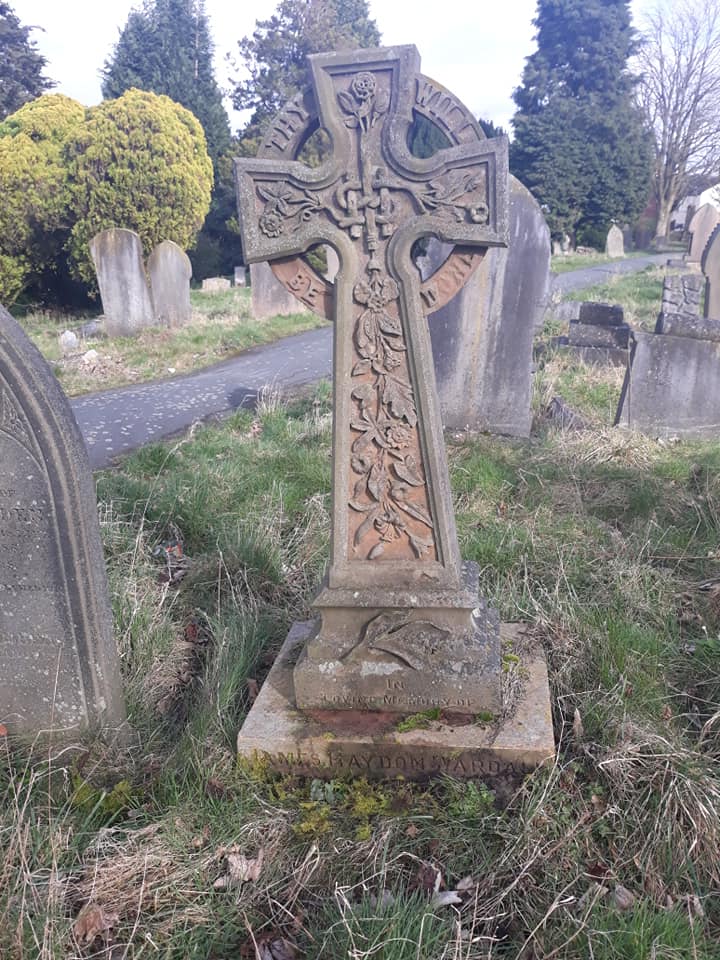
James Haydon Wardall

Wardall James H. 32 years Albion Hotel, Plymouth burial 24th April 1888 plot E7997.

Radnor Street Cemetery burial registers.

Wardall James Haydon of Parel Bombay India died 20 April 1888 at the “Albion” hotel Plymouth Administration (with Will) London 4 February to Margaret Wardall widow Effects £140 14s

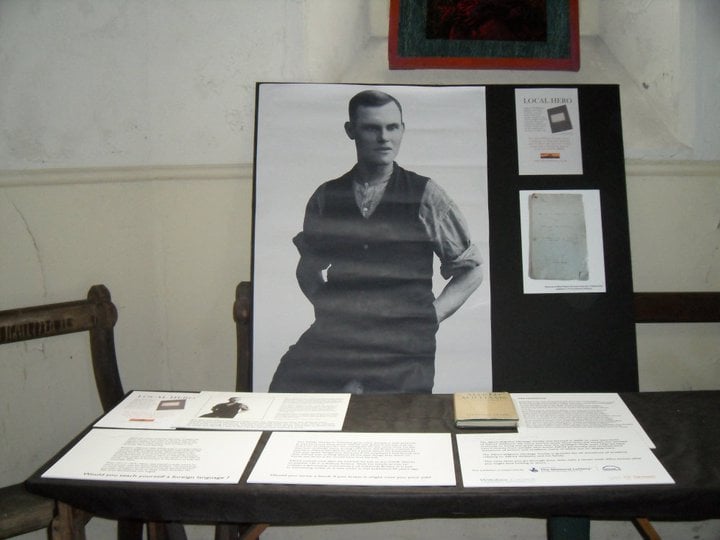
Joseph and Charles Williams – busy building Swindon

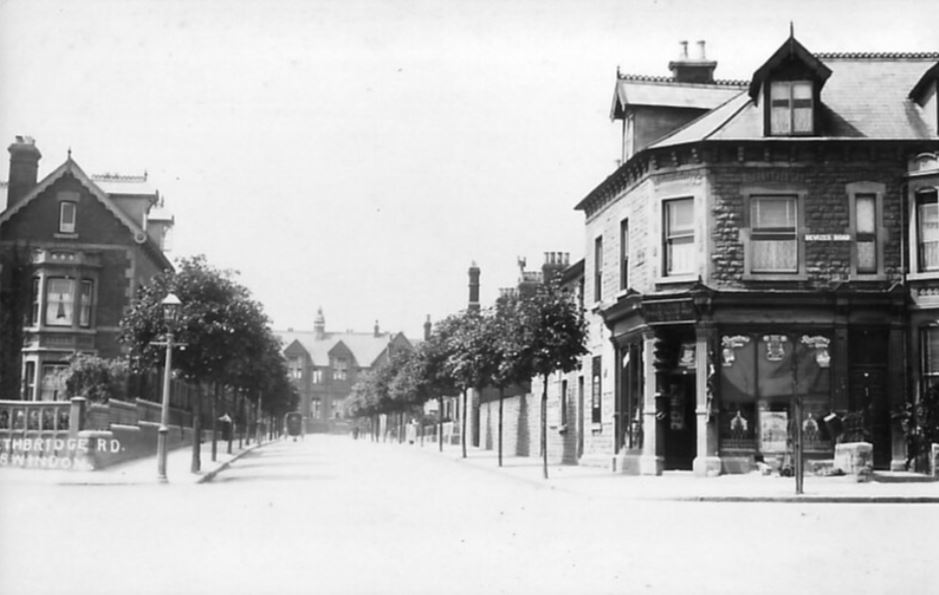
Lethbridge Road published courtesy of P.A. Williams and Local Studies, Swindon Central Library.

After a lifetime of hard graft, Joseph Williams had to face the humiliation of bankruptcy and the end of his business. Ultimately it proved too much to bear.

Joseph Williams was born in Shrivenham in 1841, the second son of Charles Williams, a carpenter and joiner, and his wife Lucy. He married Sarah Jane Painter at Christ Church on December 26, 1866 and the couple had two children, Frederick born in 1870 and Florence born five years later.

Joseph’s brother Charles combined two jobs, recorded as the licensee at the Dolphin, Rodbourne in 1881 but also working as a builder.

Both brothers worked hard, building their business, and building Swindon. By the 1880s both were well established. Elder brother Joseph was working in Stafford Street, Lethbridge Road, and Springfield Road. At the beginning of the 1890s he built more houses in Lethbridge Road, 17 in Albion Street and 22 in Morrison Street.

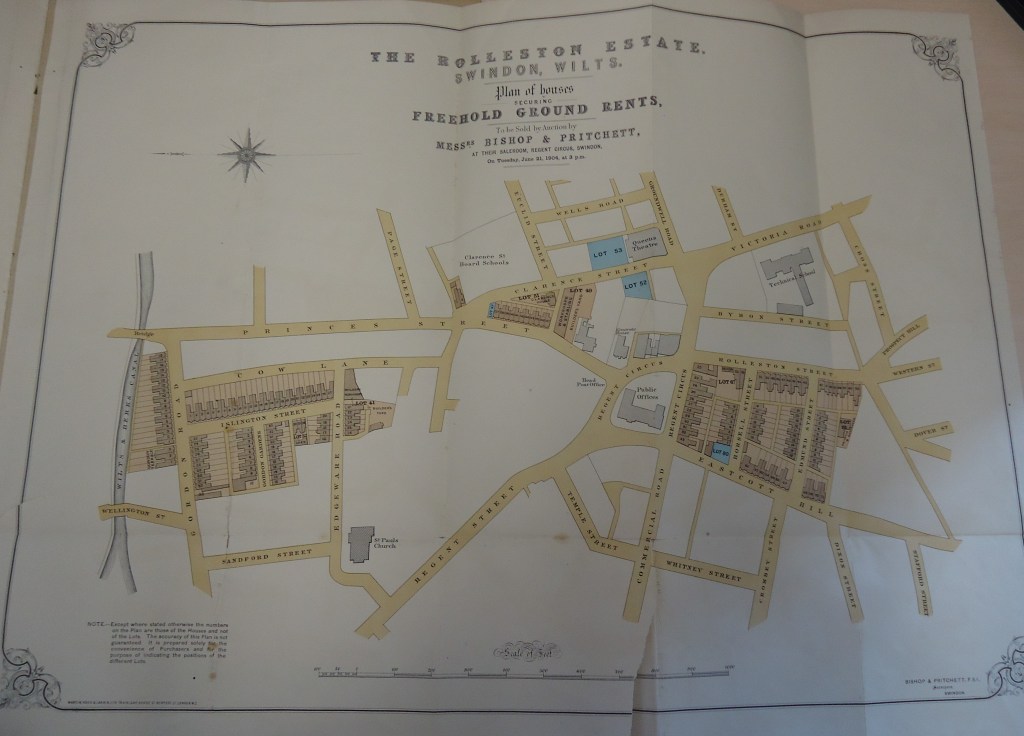
Charles was equally busy where he built 24 cottages in 1888 on the newly available Rolleston Estate. During 1897 he built a school in Euclid Street, 7 houses in St. Paul’s Street and 40 Houses in Redcliffe Street.

Perhaps the brothers were over ambitious. Perhaps they were not fully acquainted with their financial situation; too busy working.

In 1902 Charles built 28 houses in Morrison Street and in 1905 Joseph built 12 houses in Lansdown Road and that seems to be the end of the Williams’ building empire.

In 1906 Joseph sadly took his own life.

1904 map of the Rolleston Estate held in Local Studies, Swindon Central Library

Suicide of Mr Joseph Williams

Found Hanging in a Loft

Inquest and Verdict

Shortly before 11 o’clock on Friday morning a shocking discovery was made in a loft adjoining Clifton House, Devizes Road, [Lethbridge Road] Swindon, the body of Mr Joseph Williams being found hanging from a beam. Immediately the tragedy was revealed, Mr S.W. Filtness, who was engaged at his oil stores opposite, was summoned by Mr Williams’ daughter, and he at once proceeded to the loft and cut the body down, life being found to be extinct.

Mr Williams was missed for about half an hour. He had partaken of breakfast, and appeared as usual, and in cheerful spirits. After the meal he read his newspaper and shortly afterwards went out to fetch some wood. As he did not return, his daughter – Mrs Dismore – went to search for him. When the dreadful discovery was made, Dr. Lavery, who happened to be attending a case in Winifred Street, was called in and subsequently Dr. Reid, but they were only able to pronounce life extinct.

Needless to say, the news caused a good deal of sensation and spread with remarkable rapidity through the town. The deceased’s recent misfortunes have for some time been occupying general interest, and the incidents associated therewith had gained him the greatest sympathy. There is not the slightest doubt but that his mind had become seriously affected as the result of his troubles in this direction, and it will be remembered that prior to his examination in the Bankruptcy Court the state of his health was so distressing that he was compelled to leave the town to recuperate. He never completely regained his physical and mental strength, however, and, although his relatives had never heard him threaten to take his life, the news of his untimely end did not occasion absolute surprise amongst those who were painfully aware of his state of mind.

Mr Williams had resided in Swindon nearly the whole of his life, and, as a builder and contractor, was widely known and respected. He had, until latterly, led a very active life – in fact, his career had been one of hard work, with no indulgences, which makes his tragic end the more painful. Mr Williams has been responsible for many extensive contracts in Swindon and district, and was of course, a large employer of labour. Until within the last twelve months his upright, active and almost youthful bearing hardly betokened a man who had left three score years behind him. For the relatives of the deceased the deepest regret is felt.

Deceased, who is 63 years of age, was prominently connected with the Victoria Road Congregational Church, and was for many years a superintendent of the Sunday School.

The enquiry into the sad circumstances was held at the Fountain Inn, Devizes Road, on Friday afternoon. Mr Alfred Bowker was chosen foreman of the jury. Mr G.M. Butterworth watched the case on behalf of the relatives, of whom Mr C. Williams, deceased’s brother, was present. Supt. Robinson was also in attendance.

The formalities were of the briefest possible description, and the Coroner dispensed with his usual preliminary address to the jury.

Mrs Sarah Jane Williams was the first witness, and said: I live at Clifton House, No. 1 Lethbridge Road, Swindon, and I am the wife of the deceased, whose name is Joseph Williams, and his age was 63 last birthday. He was a builder and contractor. He has been ill for more than twelve months. At times he has been very quiet, and very depressed. He has never expressed the intention of doing harm to himself. He was perfectly well last night, and at breakfast time this morning, only depressed. He had been attended by a doctor, who saw him either on the previous Monday or Saturday.

Stephen William Filtness said: I was in a yard opposite to where Mr Williams lives, on Friday morning, when the deceased’s daughter, Mrs Dismore, came and fetched me about 11 o’clock. She asked me to see what was the matter with her father. I went into deceased’s workshop and up the ladder into the loft. I saw Mr Williams with the rope round his neck. He was suspended, and his feet were touching the ground. I cut him down, and went and found a policeman. Deceased was just warm, but I am quite certain he was dead.

P.C. Walter Shergold said: From information I received I proceeded to Joseph Williams’ loft I found the deceased lying on his back with a rope tightly round his neck. I slackened the rope round his neck and examined him to the best of my ability, and I found he was dead.

P.S. Buchanan said: From information I received I proceeded to the house where Mr Joseph Williams had lived. I found these papers written for his wife. I have read the papers.

Dr Charles Lavery said his partner (Dr. Rattray) had been in medical attendance upon the deceased for some time, chiefly for nervous breakdown. He never expressed any intention of taking his life.

The jury returned a verdict of “Suicide whilst temporarily insane.”

Extracts from the Faringdon Advertiser, Saturday, April 14, 1906.

Joseph was buried on April 11, 1906 in grave plot D1578. His wife Sarah Jane died in April 1929 aged 85 years and is buried with him. Their daughter Florence Mary Dismore joined them when she died in 1956 aged 80 years.

When probate was granted to his widow in 1919 Joseph’s effects were valued at £15.

At the time of the 1911 Charles Williams, Joseph’s brother, appeared living at the County Ground Hotel with his son, another Charles, who was the Hotel Proprietor. Charles was 62 and still describes himself as a builder. He lives with Mary, his wife of 43 years and the couple declare that of their five children, Charles (the hotel proprietor) is the only one still living.

The enterprising Westall and Lafford families

Shirley and her friend have been joining our cemetery walks for several years but it wasn’t until we all met at a recent Swindon Society Open Day that Shirley elaborated on her family history, telling us about her hard working parents Maud and Stanley and their Westall and Lafford families. And at our subsequent cemetery walk Shirley brought along some precious family photos.

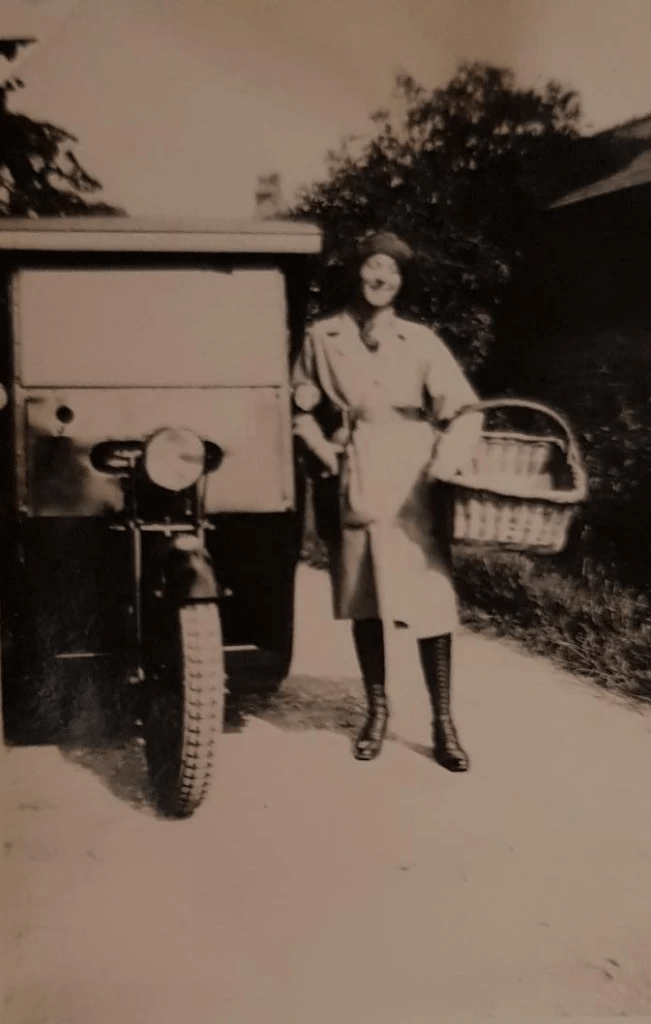
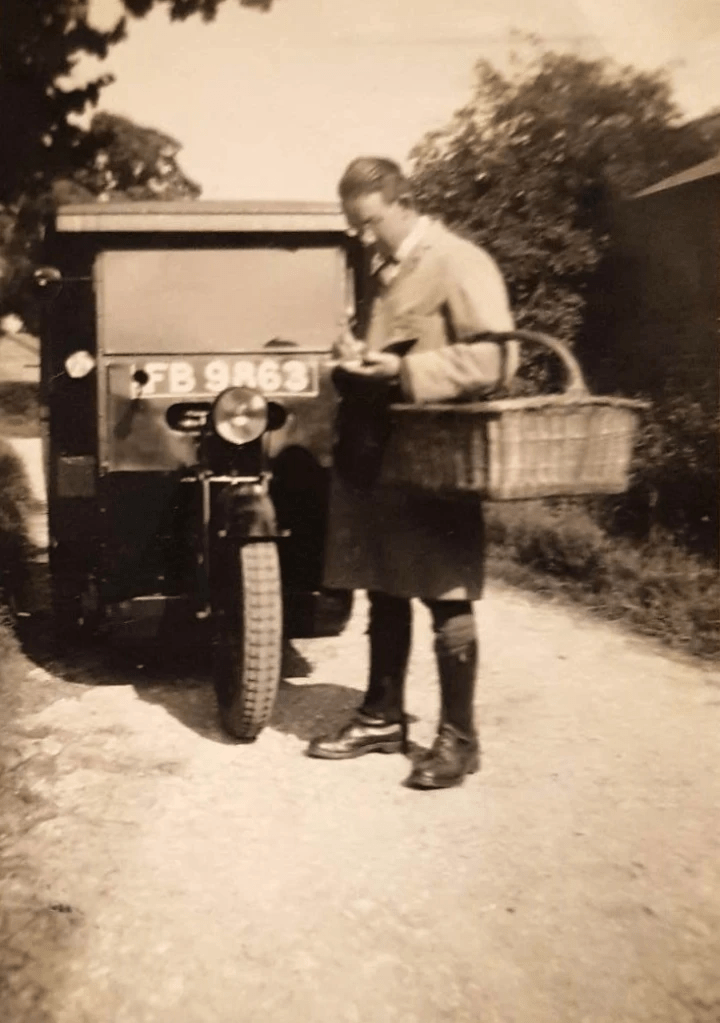
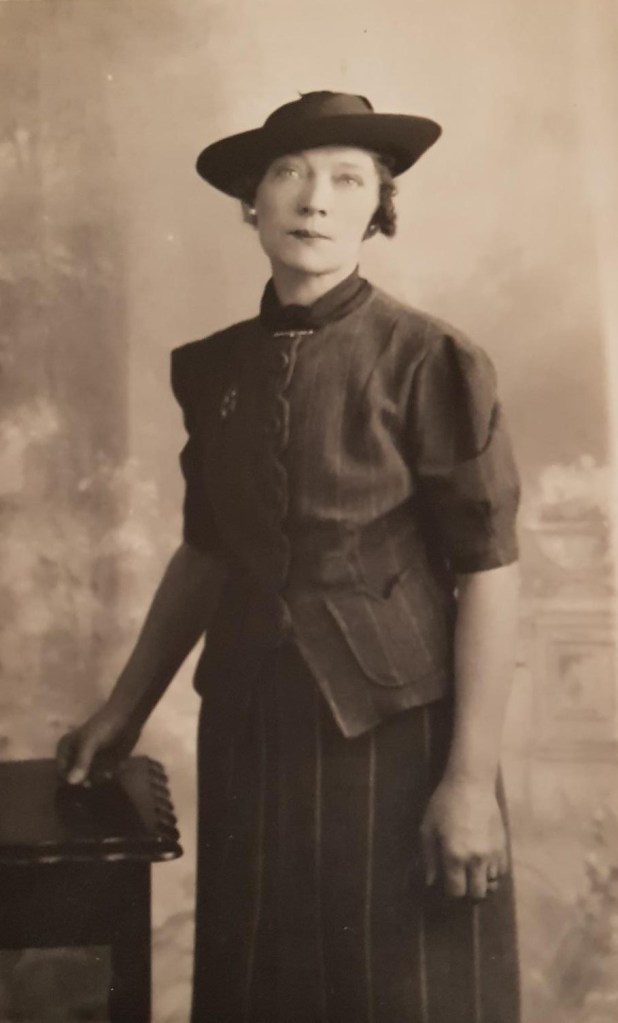
Maud and Stanley Lafford ran a shop in County Road on the corner of Gambia Street, with their front room at 142 Clifton Street doubling as a storeroom. Here is a photo of Maud standing outside the shop. The couple are both pictured with their delivery van, which was actually a chassis built over a motor bike. Stanley used this vehicle to deliver to the surrounding villages. He also collected slabs of ice in this vehicle which Maud used to make ice cream. Stanley then had deliver it pretty smartish to the ice cream parlour in Old Town.

Shirley’s grandparents David Lafford and Susan Clara Page were married in Barnsley, Gloucestershire in 1902. Sadly, their first child Clara born in Durrington, Glos on February 6, 1905 died just 2 days later. By 1907 the couple had arrived in Swindon where David worked as a carpenter and the family lived at 126 Clifton Street where their children Stanley, Alfred and Ivy grew up.

Among the family photos is a tiny image of Shirley’s other grandparents, James Westall and Annie Day.* In about 1911 they moved from Hereford to Swindon with their daughter Maud. In 1912 they were living at 22 Omdurman Street when they had their 2nd daughter Edna Muriel baptised at St. Barnabas Church, Gorse Hill.

There is another precious photo of James and Annie Westall with their three young daughters -Maud standing, baby Mavis on her mother’s lap and Edna Muriel seated on the left of the photograph. Edna died aged 6 not long after this family photograph was taken. Shirley remembered her grandmother had an enlargement made of the section with the pretty little girl with bows in her hair. In amongst the family photographs there is also one of the elegant Annie Westall.

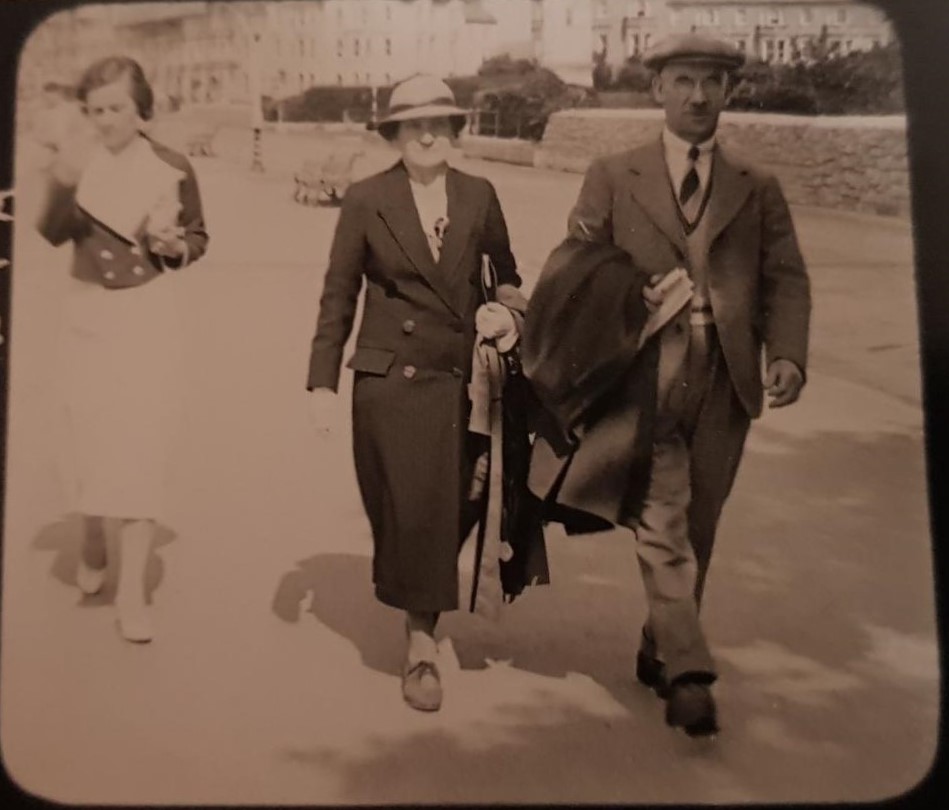
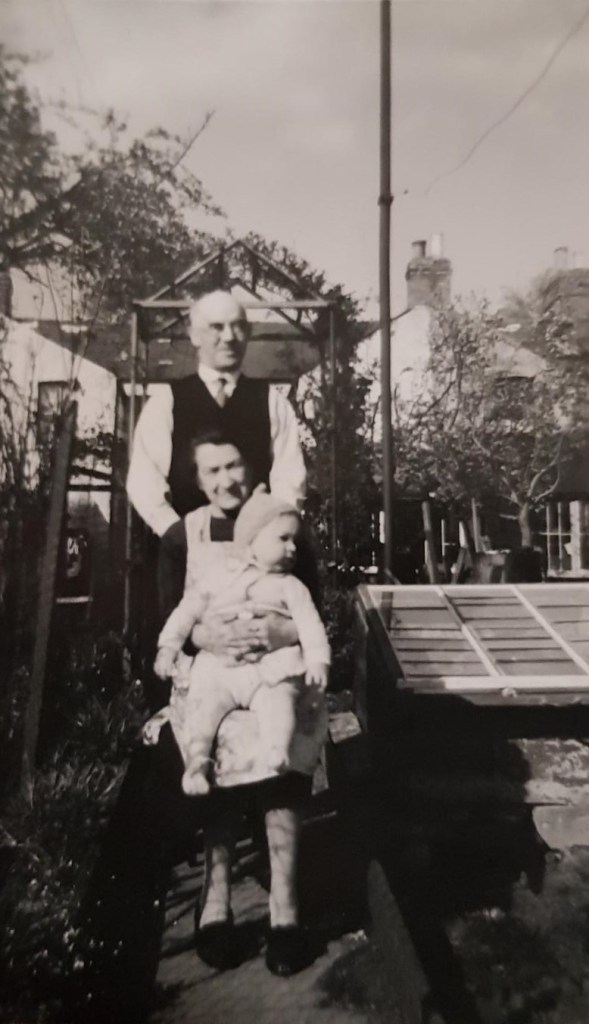
Young mother Susan Lafford is pictured with her baby son Stanley on her lap while a much later photograph shows David and Susan Lafford, possibly on a seaside promenade. There are even photographs where Shirley herself makes an appearance in the back garden at 126 Clifton Street.

Shop corner of Gambia Street

Maud Lafford nee Westall pictured in 1932

Stanley Lafford

Stanley Lafford

James and Annie Westall nee Day*

James and Annie with their three daughters, Maud standing, baby Mavis and Edna seated

Annie Westall

Susan Lafford with baby Stanley – 126 Clifton Street

Susan and David Lafford

Susan and David Lafford with Shirley

Susan and David Lafford with Shirley

Both sets of Shirley’s grandparents are buried in Radnor Street Cemetery. Shirley remembers as a child visiting the cemetery with her aunt and seeing the grave of James Westall where a wooden cross once stood.

James Westall died aged 49 years in the Isolation Hospital. He was buried on May 26, 1934 in graveplot C3553 with his little daughter Edna Muriel who died in 1918. The glamorous Annie died in 2002 aged 91 and is buried in the same plot.

Susan Clara Lafford died aged 73 in 1951 and was buried in grave plot E7850 where David joined her in 1955.

*This small format portrait looks to be an example of a so-called “stickyback” photograph produced c1915 at a studio at 15 Regent Street. These photographs had a gummed back and were cheaper than others available at the time. Swindon Photographers & Postcard Publishers by Darryl Moody and Paul A. Williams.

James Prater – bootmaker

DSC07142

Supposed Suicide – An inquest was held on Wednesday evening on the body of Mr James Prater, found that morning in the Coate reservoir. Mr Prater for many years carried on a good business in Old and New Swindon as a bootmaker, and for some time past has lived retired. During the past three weeks he has been somewhat strange in his manner. On Saturday he accompanied his wife shopping and whilst she was in a shop he suddenly disappeared. His dog, which was with him, returned home on Monday. On Tuesday deceased’s hat was found on a bush by the side of the reservoir, and the next day his body was found in the water near. – The jury returned a verdict of found drowned.

Wilts and Gloucestershire Standard, Saturday, June 23, 1888.

James Prater Personal Estate £745 2s 10th August 1888

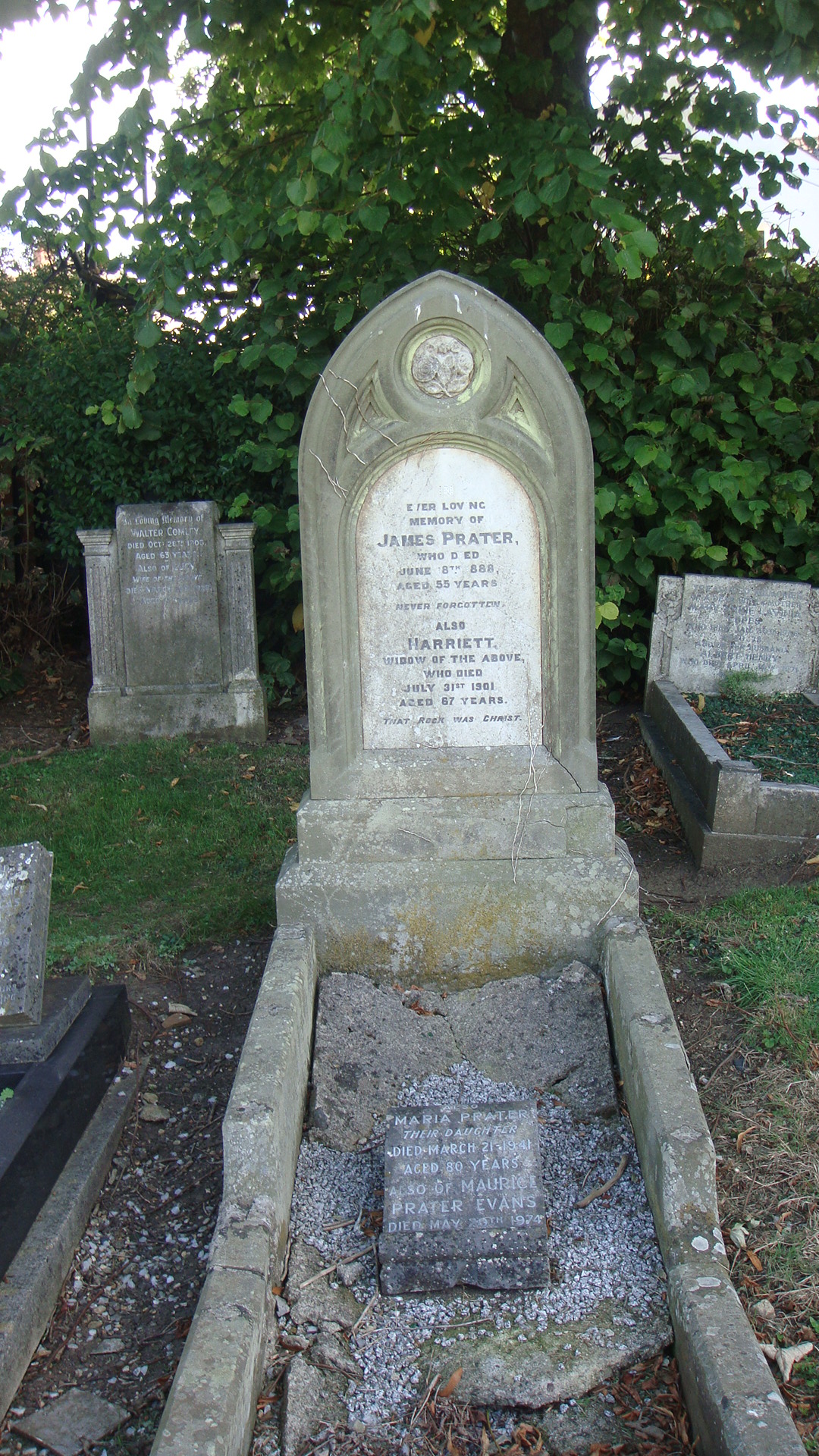
The Will of James Prater late of 47 Cheltenham Street New Swindon in the County of Wilts who died 18 June 1888 at Coate in the Parish of Liddington in the said County was proved at Salisbury by Maria Prater Spinster the daughter and Harry King Noble Railway Clerk both of New Swindon two of the Executors.

James was buried on June 13, 1888 in Radnor Street Cemetery plot E8587. He shares the grave with his wife Harriett who died in July 1901, his daughter Maria who died aged 80 years in March 1941 and Maurice Prater Evans. Maurice was the son of Caroline A. Gunnell, the Prater’s granddaughter, who lived with her grandmother at 47 Cheltenham Street. Maurice’s funeral took place on May 29, 1974.

James Prater

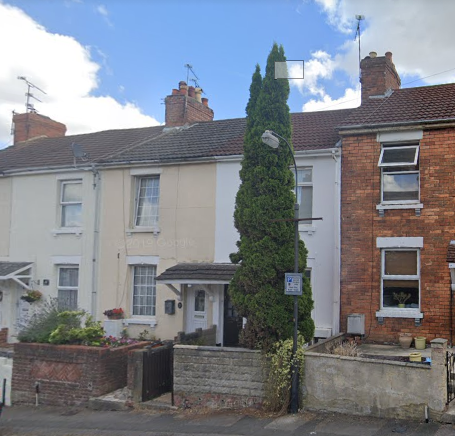
Florence Villa

Florence Villa

The re-imagined story…

My granddaughter is calling her new baby daughter Florence. I love it that all the old names are coming back into fashion.

Did you know that Florence Nightingale was named after the Italian city? I always wanted to travel to Florence; to walk the medieval roads and cross the Ponte Vecchio; to offer up a prayer inside the Cathedral of Santa Maria del Fiore; to stand before Botticelli’s Birth of Venus in the Uffizi Gallery. Oh my! Such a romantic city. I was lucky to have a week in Weston every summer as my parents reminded me when my imagination got the better of me.

There wasn’t a lot of romance to be found growing up in post war Swindon. The closest I ever got to Florence was a house up the road from ours called Florence Villa. This was not an example of Renaissance architecture but a modest little red brick terrace property like all the others in Swindon Road. I used to wonder if the house was named in honour of a pilgrimage to that beautiful city, or maybe one that never came to fruition, like mine.

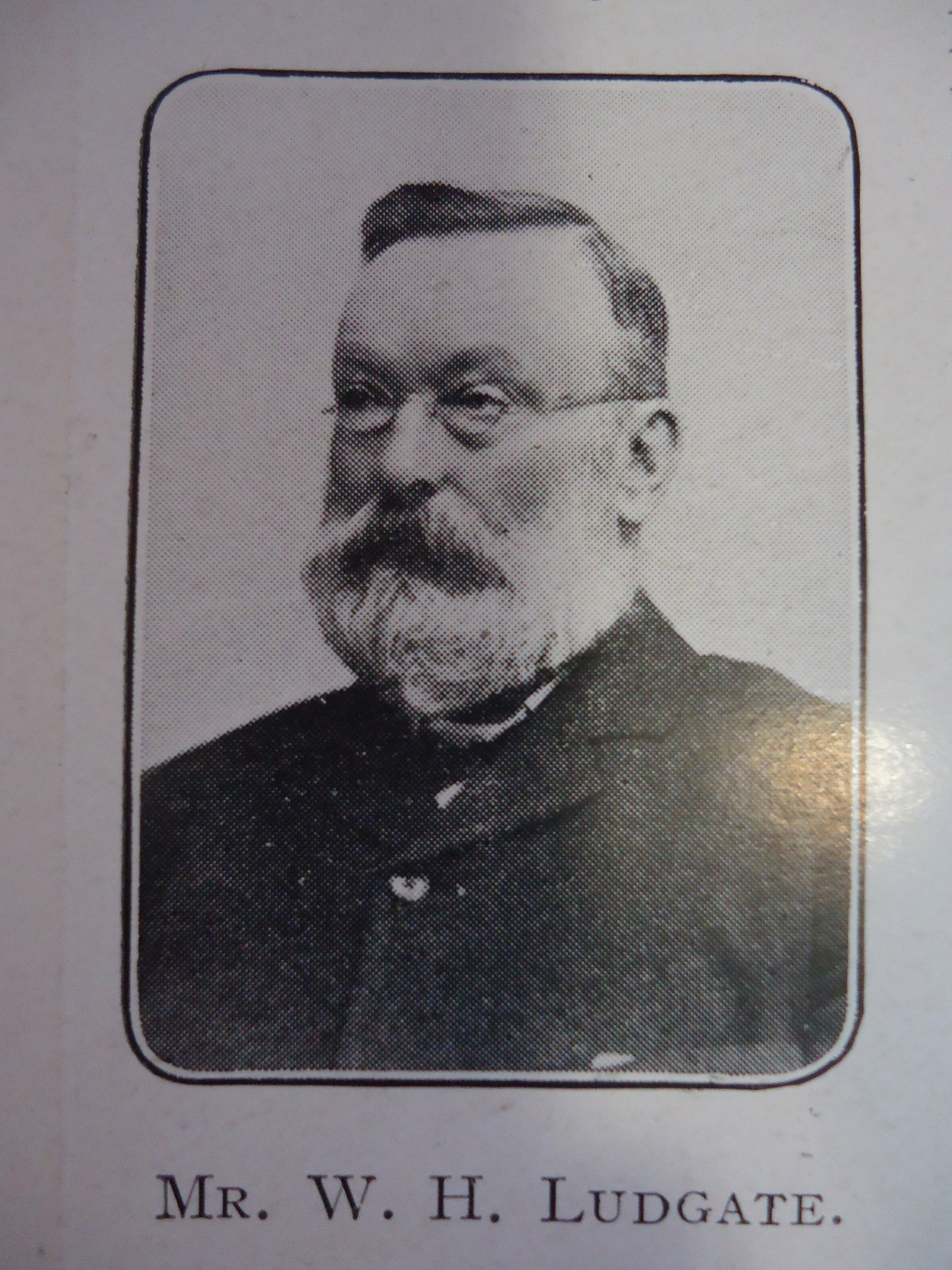
I later discovered it was the home of a senior official in the GWR Works, Mr William H. Ludgate, who had named his home in honour of his daughter Florence. Florence Ludgate lived in Florence Villa with her parents until her father died in 1921. By the time I grew interested in the house she was long gone but no one seemed to remember what had become of her.

I’ll suggest my granddaughter names her home after her new baby. Perhaps in years to come someone will speculate on the naming of a 21st century urban property. I wonder what our little Florence will achieve in her lifetime? What places will she visit? Perhaps she’ll fulfil my dream and visit her namesake city. More than anything I hope her story will live on, and that she will not be forgotten like Florence Ludgate.

DSC07555

The facts …

William Homan Ludgate was born in Fermoy, Ireland in 1833, the son of Robert Hooper Ludgate. He married Caroline Hill, the daughter of inn keeper George Hill, at St John the Baptist Church, Gloucester on December 2, 1857.

By the time of the 1861 census William and Caroline were living at 7, Bellwood Place, Swindon where Caroline’s sister Jane was staying with them.

The couple had two surviving children, William George born in 1864 and Florence born in 1873. According to the 1911 census Caroline states that a third child had been born and died by that date.

By 1891 the family were living at Florence Villa, Swindon Road, their home for more than thirty years.

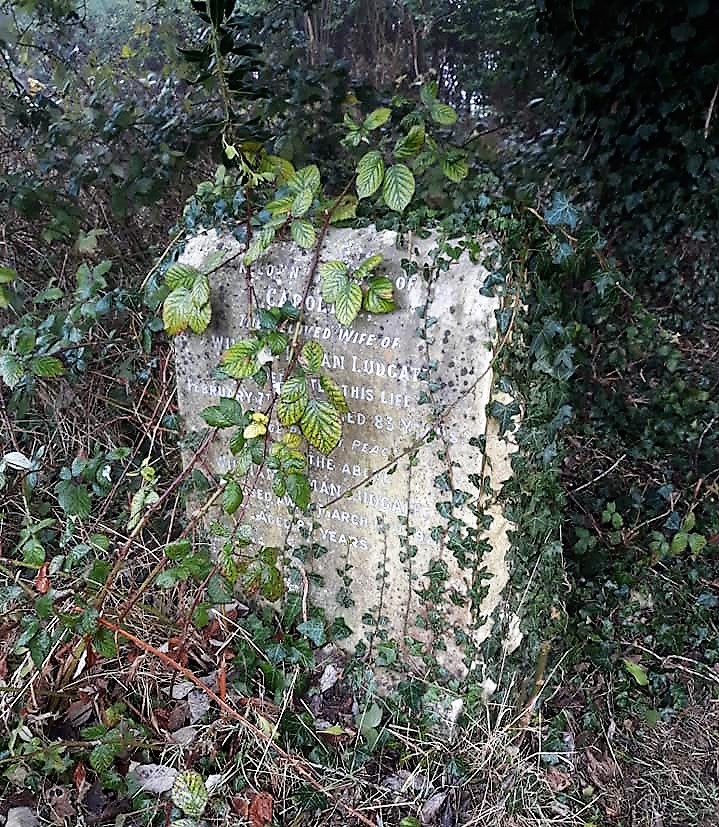
Caroline died in 1918 and William in 1921. They are buried together in plot D401.

Swindon – The close of 1907 saw the retirement, after more than fifty-four years’ service, of one of the oldest Carriage and Wagon Department servants, in the person of Mr W.H. Ludgate , Chief Travelling Inspector. He started under the late Mr John Gibson, Paddington, at a time when there were no carriage or wagon shops at Swindon, the whole of the stock being purchased from private firms. Mr Ludgate was shortly after transferred to Gloucester, to inspect the stock purchased by the company, which came from the North loaded in wagons and had to be put on broad gauge frames at Gloucester.

Probably during the past forty years there has been no better-known man in wagon-building and private freighters’ circles than Mr Ludgate. Possessed of ability considerably above the average and of that invaluable personal asset, an equable temperament, he was eminently fitted for dealing with the many difficult questions arising in regard to the construction and maintenance of privateowners’ wagons, and it is owing in no small degree to his diplomatic methods that the various regulations of the Board of Trade and Railway Clearing House in regard to private owned stock have been successfully interpreted on the Great Western Railway.

Opportunity was taken of Mr Ludgate’s retirement to present him with a drawing room clock and cheque. In making the presentation Mr Churchward said it afforded him great satisfaction to be present at such a gathering to wish an old comrade goody-bye. He congratulated Mr Ludgate on his splendid record and announced that there were upwards of 600 subscribers to the testimonial.

Mr Ludgate has the best wishes of our readers for a happy retirement.

Great Western Railway Magazine 1908.

Ludgate, Caroline of Florence Villa Swindon Road Swindon Wiltshire (wife of William Homan Ludgate) died 7 February 1918 Probate London 20 March to Florence Ludgate Spinster Effects £2014 15s 2d.

Ludgate, William Homan of Florence Villa Swindon Road Swindon Wiltshire died 13 March 1921 Probate London 30 April to William George Ludgate engineer captain R.N. (retired) and Florence Ludgate Spinster Effects £8149 17s 10d.

Mr Ludgate had more than one string to his bow –

Gas Company Founder – The funeral of the late Mr William Henry [Homan] Ludgate of Florence Villa, Swindon Road, Swindon, one of the founders and for 43 years chairman of the Swindon United Gas Company, who died on Sunday, 13 March, at the ripe age of 87 years, took place on Friday in last week. The cortege left deceased’s late residence and proceeded to St Paul’s church where the first portion of the service was conducted by the Rev C.W. Jacob (Vicar) and Rev C. Averary Jones (Curate). The Vicar also officiated at the graveside in the cemetery, where deceased’s remains were laid to rest beside those of his late wife, who died three years ago. The chief mourners were Capt. W.G. Ludgate of Southsea (only son) Miss Florence Ludgate (only daughter) and Misses B. & E. Arkell, of Cheltenham (cousins). The Gas Company was represented by Mr A.G. White, Mr W. Harvie, Mr F.W. Adams, and Mrs J.S. Protheroe (directors). Mr E.G. Vince (Secretary) and Mr H.C. Shepherd. Mr Ernest Bishop represented the New Swindon Building Society, of which deceased was for many years Chairman, and there were also present Mr H.K. Noble, Mr Birks, Mr Jennings, and other old friends. There were numerous lovely wreaths and other floral tributes.

Faringdon Advertiser and Vale of the White Horse Gazette Saturday 26 March 1921.

Caroline and William H. Ludgate

Jesse Eagles – boilersmith

Jesse Eagles woke early and asked his wife if it was time to get up. On being told not yet, he turned over and went back to sleep – “a sleep from which he never awoke” as the Swindon Advertiser reported on July 17, 1909.

When the time comes this is how I would like to go. Peacefully, in my sleep with no prior warning, no lengthy, debilitating illness. But not yet, of course.

Sudden Death in Swindon

Mr J. Eagles of Clifton Street

Inquest and Verdict

The death occurred yesterday with painful suddenness, of Mr. Jesse Eagles, of 118 Clifton Street, Swindon. Deceased, who was a well known resident of the town, was a boilersmith by trade, and had been employed in the GWR Works for the past forty years. He was at work as usual on Wednesday until 5.30 p.m., and returned home and had his tea. In the evening he went out in his garden till nine o’clock, and later he retired to rest at the usual time. He awoke yesterday at four o’clock, and was then quite well, apparently. He remarked to his wife, “It is not time to get up yet, is it?” She replied in the affirmative, and deceased then went to sleep again – a sleep from which he never awoke. When his wife called him at five o’clock, there was no response, and she was alarmed. Medical aid was summoned, and Dr. Mason, from the GWR Surgery, attended, but he could only pronounce life extinct, death being attributed to heart failure.

Deceased, who was 60 years of age, leaves a widow and grown up family, for whom the deepest sympathy will be felt.

By the Foreman:- Deceased had no supper on Wednesday night. He was lying on his right side when witness found him.

By the Doctor:- He had not complained of shortness of breath when going up hill.

Dr. Woodgate Mason said he was called to the deceased about 5.15 that morning, and on arrival found him dead. In his opinion death was due to heart failure. He made an examination of the body, and found no marks of violence.

Extracts from the Swindon Advertiser, Friday, July 16, 1909

Jesse Eagles aged 60 years of 118 Clifton Street was buried on July 17, 1909 in grave plot E7453. His wife remained living at 118 Clifton Street where she died in 1921 and was buried with her husband.

The Boucher family paperwork

43731787_2357590734282064_2810830051103211520_n

The last serious act of vandalism to take place in Radnor Street Cemetery happened across one weekend several years ago.

A break-in at the chapel saw windows smashed, including the rose window above the door. The intruders lit a fire in the vestry, the small room off the chapel, using a box of documents stored there.

The documents were ‘Form of application for permission to erect or restore a memorial’ and included the name and address of the owner of the grave and how much the memorial cost, invaluable information lost in the fire. One rare, surviving document includes the details of the Boucher family grave, naming the stonemason, the dimensions of the memorial and the inscription.

Boucher family

‘In loving memory of George Boucher died 8th July 1915 aged 61 years also Mary Boucher died 25th February 1943 aged 88 also Alice and Ethel their beloved daughters.

The owner of the grave was Annie Elizabeth Boucher who lived at 30 Swindon Road. The grave plot is C484 and the memorial cost in total £3 10s. Alice died in 1897 aged 16. Ethel died in 1956 aged 70.

George and Mary Anne were originally from Herefordshire where they married in 1877. They both came from farming families and were neighbours living in Cublington.

By 1881 they had moved to Swindon and lived in 19 Thomas Street, Rodbourne. George worked as a Machine Man in E & M Shop in the Works.

Ten years later and George was working as a machine manager in the Iron Works. The couple had seven children and were still living in Rodbourne at 54 Linslade Street.

By 1901 the family were living at 111 Linslade Street and the elder children had left home. Emily, aged 22 was working as a parlour maid while Ethel, 15 was a machinist in the shirt factory round the corner from Linslade Street.

At the time of the 1911 census the couple had just two children living at home in Linslade Street. William had followed his father into the Works as an engine fitter while Ethel remained employed at the Cellular Clothing Company in Rodbourne.

George died on July 8, 1915 and Mary Anne in 1943. Ethel was still living at 111 Linslade Street when she died in 1956, more than 50 years after the family originally moved there.

A 1917 Trade Directory lists Annie as a shopkeeper living at 30 Swindon Road, which was her last home in the 1960s. She died at the Cheriton Nursing Home on December 31, 1962. She is not buried in this family plot and does not appear to be buried elsewhere in Radnor Street Cemetery. She never married and left effects valued at more than £5,000 to the administration of two solicitors.