Alice Arman and Women’s History Month

There have been an awful lot of words written about Queen Victoria, but it always come back to just how tall (or small) she was. You probably know that she was lacking in stature, something she frequently mentioned herself. It’s one of the facts of her life still talked about today. She had nine children, she was not amused and she was – how tall, 4ft 10ins, 4ft 11ins. In fact, she was probably a little over 5ft.

So what does Alice Arman have in common with Queen Victoria?

Well, she had 4 children not 9 and she didn’t become Empress of India neither was she the subject of countless books, TV series and films. Alice Arman quietly (or maybe loudly) spent a lifetime of service to the people of Swindon, which is now lost and forgotten. There does remain however this rather spectacular photograph of Alice in which she doesn’t look particularly small (or tall).

So which women of history would you like to meet during Women’s History Month. I’ve got a very long list, and I’d also rather like to have met Alice Arman.

The facts …

Alice was born in Oldham in 1857, the daughter of Jacob and Elizabeth Schofield. She married William Fairclough at the church of St Wilfrid, Standish, Lancashire on July 16, 1883. At the time of the 1891 census Alice and her first husband, William Fairclough, were living at 3 East Vermont Street in the Govan district of Glasgow with their three children, Mary, William and Alice. A fourth child, Norman was born in 1891 but died before his first birthday. The family moved to Swindon in around 1893 when William secured a job as a boilermaker in the Works.

Industrial New Swindon probably looked quite familiar to Alice who had grown up in Oldham, Lancashire where her parents ran a greengrocer’s shop. But sadly the move to Swindon didn’t herald a brave new future for the family as William died that same year.

In 1896 Alice (sometimes known as Alison) married widower Thomas Arman. The couple lived first in King Street where Thomas was employed as a carpenter in the GWR Works and Alice worked as a trouser machinist. Her son William lived with them along with Thomas’s three children by his first wife, Alfred, Mabel and Rosie. On the 1911 census Alice and Thomas Arman are living at 15 Lowestoft Street with Thomas’s daughter Rose Mary Arman and Alice’s daughter Mary Elizabeth Fairclough. Alice’s occupation is described as ‘part time student.’ I hope this is correct and not an error when the census return was filled out. I love the thought that Alice is studying at the age of 50.

In 1909 Alice was involved with the Bridge Street Men’s Adult School. An article published in the Swindon Advertiser on February 26, 1909 reporting on a recent meeting when ‘at the Social Hour at eight p.m. Mrs A. Arman read, by request, her paper entitled “From Gypsy Lane to the Workhouse” to an appreciative audience’ a subject no doubt informed by her work with the Poor Law Board of Guardians.

In 1894 the Local Government Act enabled the election of women to the Poor Law Board of Guardians for the first time. In Swindon Maria Matthews, Elizabeth Williams, Elizabeth House and Elinor Buller were the first four women to serve as Guardians. At the beginning of the 20th century Alice was also elected a member. We know she served as a Guardian for several years because an election in 1922 produced some shock results. Seven of the old members were defeated including Mrs Elizabeth Williams, the Deputy Mayor Alderman E. Jones and Mrs Alice Arman.

Alice continued with her community work after the First World War when she served as secretary of the Comrades’ Club, which met at Bridge Street.

In 1920 Alice unsuccessfully stood as one of six Labour candidates in Swindon’s local elections, however, her political colleague Mrs Ellen Anglesea Tanner won the West Ward seat for the Labour party.

Alice died at her home in Princes Street aged 68. She was buried three days before Christmas 1927 in plot C24a in Radnor Street Cemetery. She is buried alone with her first husband William Fairclough remembered on her headstone.

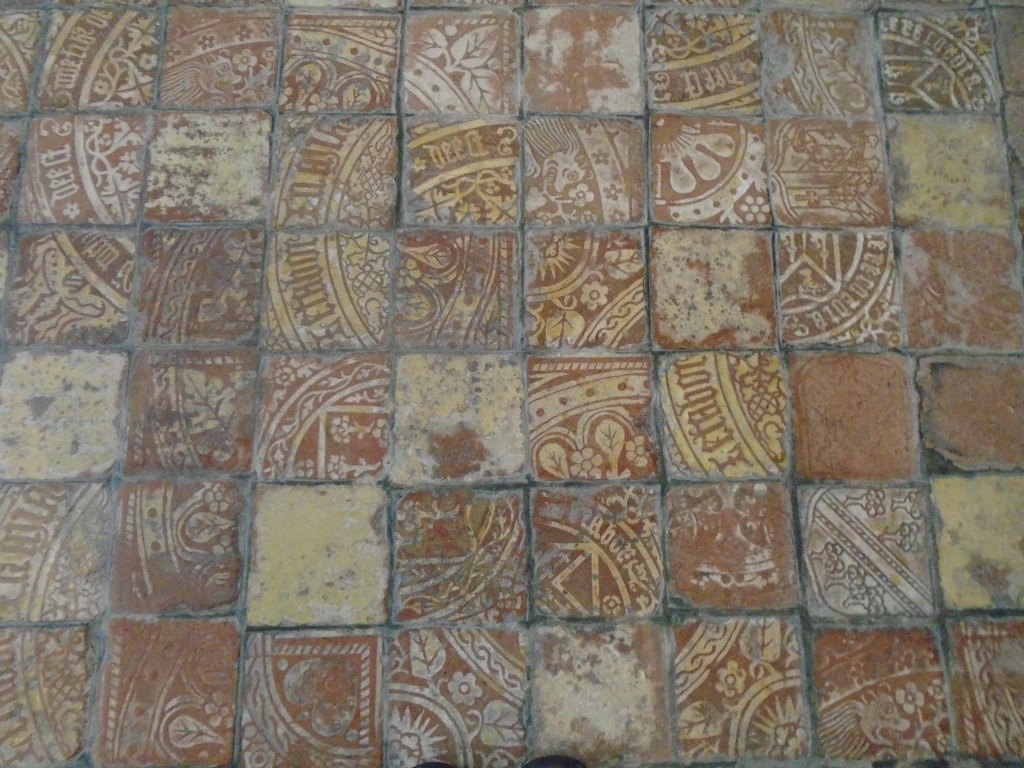
Malmesbury Abbey

On a beautiful, sunny winter’s day I made a visit to nearby Malmesbury, just 22 miles from Swindon along the M4 but an hour by bus, if like me, you don’t drive.

In the 7th century Malmesbury was already established as a centre for monastic study and by the time of the Norman conquest it was the most important town in Wiltshire with the Domesday Book recording more than a hundred households and a mint!

Work began on the Abbey in c1180 and although today it is much reduced in size the building still has the wow factor. The magnificent spire fell down in the late 15th century and the tower followed a hundred years later. Following the Dissolution of the Monasteries in 1539 Thomas Cranmer, Archbishop of Canterbury decreed in 1541 that the Abbey should be licensed to replace St Paul’s as the parish church in Malmesbury and so the building was saved from total destruction.

The first abbot, Aldhelm, (later St Aldhelm) priest, poet and performer, engaged the people of Malmesbury in public displays of preaching on the bridges of the town. He was responsible for building several churches locally, including St Michael’s believed to have stood on the site of the present abbey and churchyard and where he was buried in 709.

The tomb of King Athelstan (d.939) in the north aisle is not the actual burial place of the first King of England. Athelstan was the grandson of King Alfred and such was his affection for Malmesbury and his recognition of the loyalty of its townsfolk, that he requested to be buried there. The exact location of his burial place is no longer known but is believed to have been under a long-lost church tower on the abbey site.

During the Civil Wars of the 17th century Malmesbury was in the thick of the fighting, changing hands between Royalists and Parliamentarians several times. According to antiquarian John Aubrey, raucous celebrations at the time of the Restoration included ‘so many and so great volleys of shot’ that part of the Abbey tower fell down.

Features to look out for – well first of all buy the excellent guide book. (I usually buy a guide book on my way out and then realise all the things I’ve missed once I get home.) Money raised helps towards the upkeep of the Abbey. You will notice the highly decorated Norman porch as you enter the Abbey. The Watching Loft above the south side of the nave was built before the 13th century when the Abbey attracted a steady stream of pilgrims. It is believed the monks kept an eye out for any tampering with the holy relics from this elevated chamber.

And as usual my special interest was in the headstones and memorial plaques. Most of the legible headstones in the churchyard date from the 19th century. Plaques in the Abbey are older, such as the memorial to Malmesbury butcher Absalom Thomson (d. 1726) and his wife Mary (d. 1723). Another interesting plaque is to Sarah the daughter of John and Mary Rogers who died in 1741 aged 21 years. Also mentioned on the plaque are Mary her mother who died in 1749 and Margaret Spackman who died in 1819 who I feel sure must be related to the other two women.

A parish church and a vibrant social hub, the Abbey hosts a diverse programme from services to skate boarding events. An active team of volunteers run the bookshop and the café and I can thoroughly recommend a toasted cheese scone!

A special baby

The re-imagined story …

He was a bonny baby – and he was in such a hurry to get here. My pains began in the early hours of the morning and he was here before George left for work. There was barely time to send for my mother.

And he was so quick to do everything. Quick to smile – and oh what a smile that boy had – enough to melt your heart. Quick to sit up. Quick to start crawling.

“That boy is in a hurry to grow up,” said George. “Perhaps I should put his name down for the Works already.” We laughed.

Then one day he seemed different – as if someone had dimmed the light that shone from within. His cheeks developed two pink patches, but it wasn’t a bloom. I’d seen that look before.

That last night I paced the floor with him in my arms until his cry became a whimper. Then I sat in the chair by the window and looked across the darkened rooftops to the Works. I knew he’d gone.

I wondered how I could carry on. Prayers were of little comfort, but perhaps they helped Freddie on his way. In the cold December morning I wondered how the baby Jesus had survived, born in a stable in the middle of winter. I suppose he was a special baby but my Freddie was a special baby too.

We buried Freddie on December 24. I wondered if it was cold in Bethlehem that day, when Mary and Joseph were looking for somewhere to sleep, their baby already on his way. It was bitterly cold in Swindon the day we buried Freddie.

The facts …

Frederick Wm. George died on December 21, 1881 at 21 Sanford Street. He was 9 months old. He was buried on December 24 in plot number E6991, a public grave. After Christmas on December 31st he was joined by Minnie Elizabeth Purnell, a one year old infant from 19 Oriel Street. The two babies would lie together for more than 20 years until Matilda Pound, the wife of Thomas Pound from 44 Avenue Road joined them.

Access to Gilbert’s Hill School

The Swindon Advertiser, Saturday, September 10, 1881.

Gilbert’s Hill School – A letter was read from the mistress of the Gilbert’s Hill School pointing out that the making of the cemetery would cut off one of the principal roads by which her children came to school, and asking that some arrangement should be made for allowing children to pass through the cemetery at certain times during the day. – It was decided to send the letter to the Burial Board.

Swindon School Board. – fortnightly meeting

The Swindon Advertiser, Saturday, July 30, 1881.

The next question considered was one of considerable importance to the children attending the Gilbert’s hill School and the welfare of that school. When the new Cemetery was laid out a member of the Cemetery Committee pointed out to his fellow committee men that unless the bottom fence was set back four or five feet so as to allow of a footpath being formed the district known as Kingshill would be entirely severed from the town, and the new schools could only be reached by a long circuitous route. The answer this member received was that the committee had nothing to do with footpaths, and that the public must look after themselves. The Board finding that their scholars were not allowed to use the old track through the Cemetery ground, wrote to the Burial Board and asked them to allow the children use of the footpath as heretofore, in reply to which the Board wrote stating that they had considered the application and while they would have been glad, if possible, to accommodate the School Board, they could not see their way clear to do so. – The Board considered the question at some length, and it was suggested that the Clifton-street children were sent to the Westcott street schools, but it was pointed out that those schools were already crowded.- The Board saw many difficulties arising from the closing of the road, and a committee, consisting of the Chairman, Rev H.G. Baily and Rev J. Chew, was appointed to further consider the matter, and report thereon.

School Board fortnightly meeting

The Swindon Advertiser, Monday, August 29, 1881.

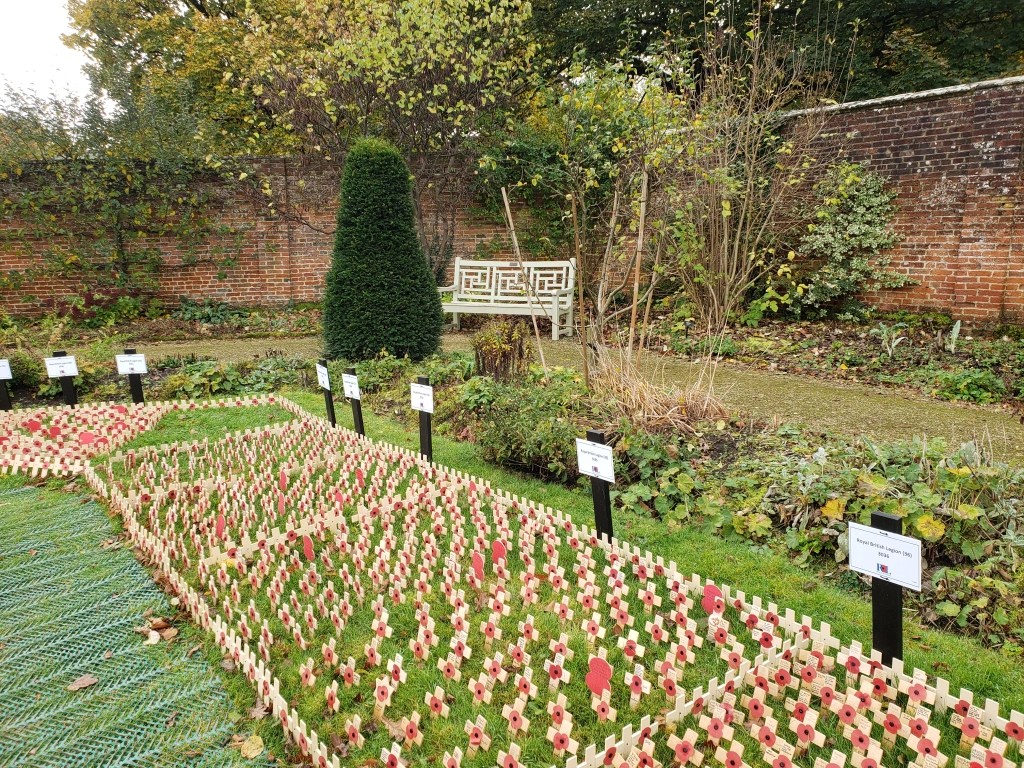
Lydiard Park Field of Remembrance

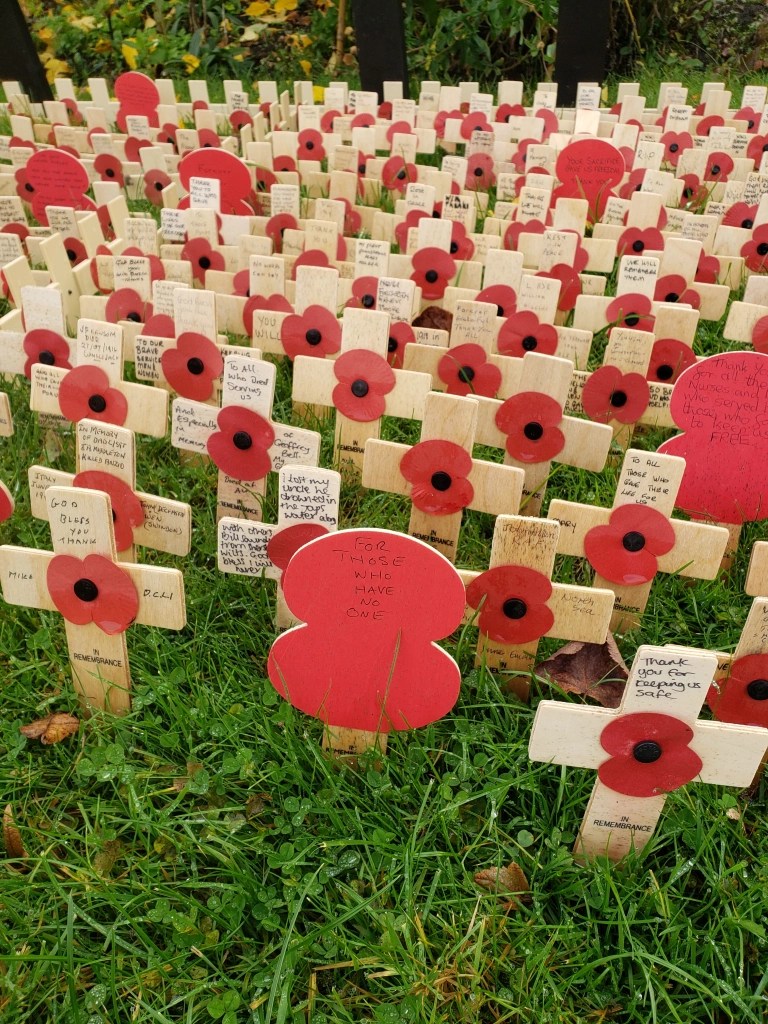
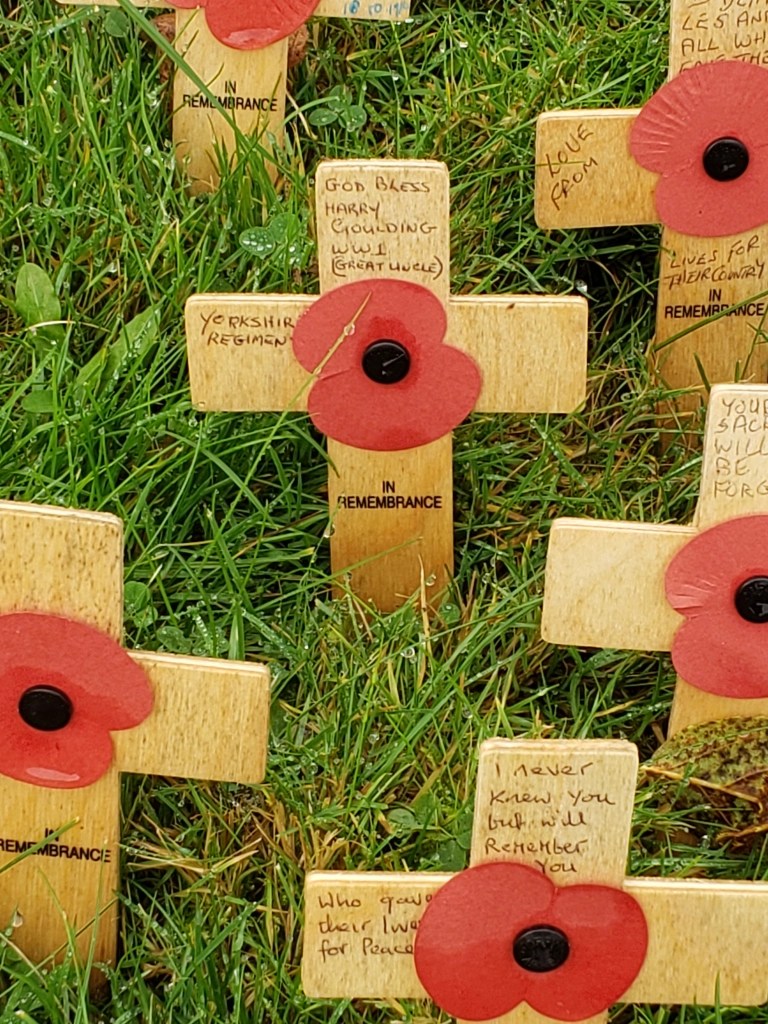
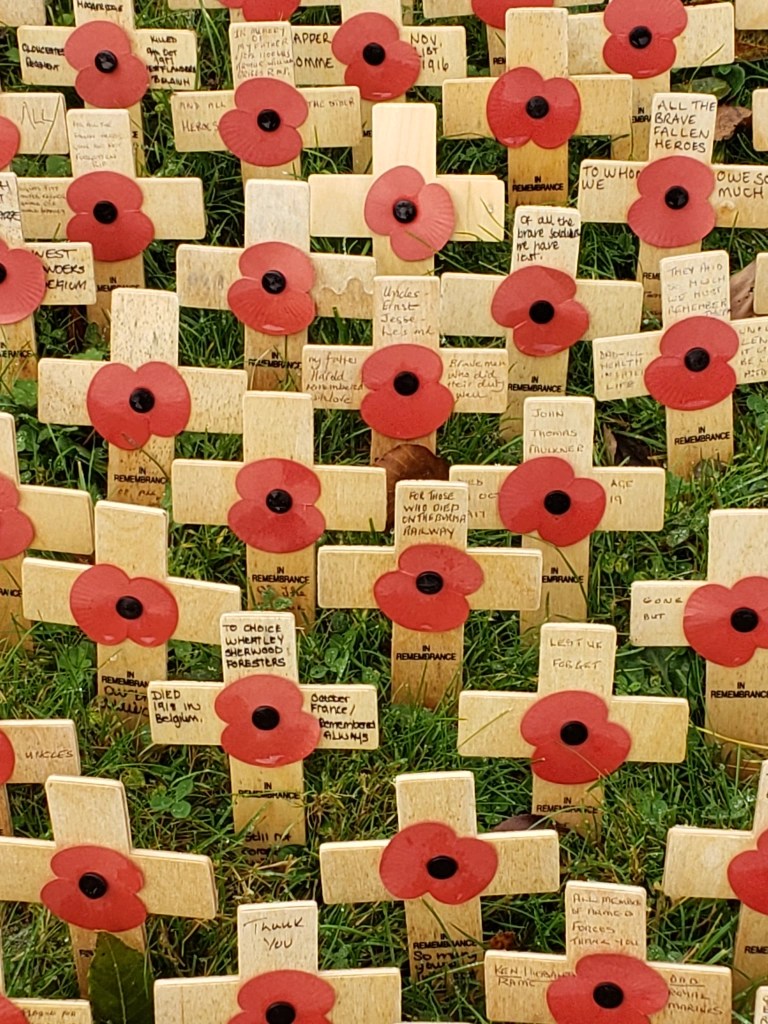
Today I was among those who came to the Walled Garden at Lydiard Park to remember the men and women who had given their lives in the service of their country.

Revd Teresa Townsend read out the names of the local men from the small parish of Lydiard Tregoze who had gone to war and never came home.

The Great War 1914-1918 – the war to end all wars, they said.

Sergeant Ernest Arthur Townsend

Pte Reginald Skull D.C.M.

Pte Henry Frank Porter

Pte Percival Edge Smart

Pte Edward David Embling

Pte Charles Barnes

Pte Victor Reuben Newman

Pte Frank Curtis Webb

Pte Wilfred John Parrott

Pte Thomas Jesse Laurence

Pte John Thomas Titcombe

We remembered J. Embling and R. Fisher who lost their lives in the Second World War and Flt Sgt Mark Gibson who died when the Hercules XV179 was shot down in Iraq in 2005 and is buried in Hook Street Cemetery.

The day was sunny and the weather unseasonably warm. Birds flew overhead and all was quiet as we stood in silence.

Greater love hath no man

The re-imagined story …

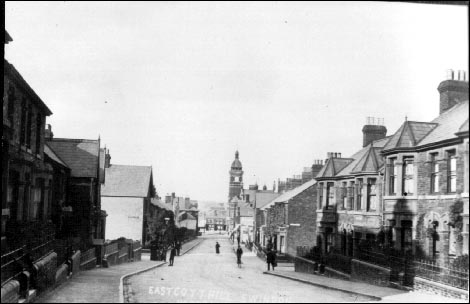
Mr Trineman had a fruiterer’s shop on Eastcott Hill next to the Duke of Wellington. He sold some lovely fruit and veg in there; you never got a bruised apple or a rotten potato. I suppose him being a former gardener made a difference. He used to work for Mr Morse up at the Croft.

I can remember little Kenny helping his father in the shop when he was barely tall enough to see over the counter. He liked to take the money and give the change. He was a bright little lad; his father’s pride and joy. It’s a blessing poor Mr Trineman didn’t live to see his son go to war.

Blessings were thin on the ground for the Trineman family. A baby son died before his first birthday and then three little daughters lost in the 1921 epidemic and now Kenny gone as well.

His headstone stands next to the children’s grave, although he doesn’t lie there, he was buried at sea, or that’s what the official record says. His ship was hit by enemy fire so his end probably wasn’t as dignified as ‘buried at sea.’

“In treasured memory of Kenneth John Trineman Sub Lieut RNVR – who paid the supreme sacrifice” the headstone reads. “Greater love hath no man than to give his life for his friends.”

But what about the parents …

Kenneth John Trineman

The facts …

Frederick William Trineman married Emily Lilian Avenell in 1910. She was his second wife. He first married Mary Helena Kent in 1895. At the time of the 1901 census Frederick, Mary and their three children Beatrice, William and (Florence) Maud were living on Wroughton Road, close to where Frederick worked as a gardener for the Morse family at The Croft. Another son, Charles Frederick was born in 1903.

Four-year-old son William died in 1901 and Mary his mother died in 1909. Beatrice returned to her father’s family in Devon where she died in 1910 aged 14. Charles Frederick died in 1922 aged 19 so the only child to survive from Frederick’s first family was his daughter Florence Maud.

Mary Helena and Charles Frederick are buried in plot B3068. Little William does not appear to have been buried in Radnor Street Cemetery.

The children who died in 1921, the daughters of Frederick’s second marriage to Emily Lilian Avenell, are buried in plot E7503. Doris Alice was 18 months old when she died in July 1921. Hilda Mary was 6½ years old when she died in August 1921 and Emily Mary Kathleen was 8 years old when she died in October, 1921. The couple’s first child, Herbert William George who died aged four months old in September 1911, is mentioned on the headstone but is not buried in the grave. He is buried in an infant’s grave, plot A395, with three other children.

Frederick William Trineman died at his home, 26 Eastcott Hill, on October 11, 1936 and was buried with his first wife Mary and their son Charles.

By the outbreak of war in 1939 only three of Frederick’s ten children had survived – Florence Maud from his first marriage and Kenneth John and Joyce E. from his second.

Emily Lilian Trineman died on April 22, 1944 at her home 25 Kent Road. She is buried in plot E7503 with her three daughters and Iris Emily Mary Roberts who died in July 1933 aged 7 years old. Iris was the daughter of Florence Maud and her husband Clifford Roberts.

Kenneth John Trineman RNVR was serving as Acting Sub Lieutenant on HMS Malvernian when the ship was bombed and heavily damaged on July 1, 1941 in the Bay of Biscay on a voyage from Hull to Gibraltar. The ship was abandoned and later spotted drifting. It was finally sunk on July 19. Twenty-four naval personnel lost their lives. Kenneth date of death is given as July 2, 1941. He was 25 years old.

beloved children of Frederick W and Emily L Trineman

Sheldon K. Goodman and the Cemetery Club

Have I ever told you about Sheldon K. Goodman and the Cemetery Club? I feel sure I must have mentioned him at some point.

Sheldon established the Cemetery Club website in May 2013 sharing his belief that cemeteries are not only beautiful places but an important historical repository, as he calls them ‘museums of people.’

A City of Wesminster Tour Guide, Sheldon has also worked with the National Achives, the BBC, Pride in London and the National Maritime Museum and he has visted most of the cemeteries on my wish list and some I’d never even heard of before.

When the Covid crisis shut us all down Sheldon transferred to online presentations, developing the short video pieces he has long been sharing on social media to full length talks and this week I joined his virtual tour of Highgate Cemetery. This is one cemetery I have long wanted to visit, but for various reasons have never managed to get to.

Sheldon took his audience on a virtual walk through this spectacular cemetery, introducing us to residents old and more recently arrived. With videos and supplementary images and information, I can well appreciate just how many hours of work go into producing one of these virtual walks and talks – and that’s without the palaver of ‘zooming.’

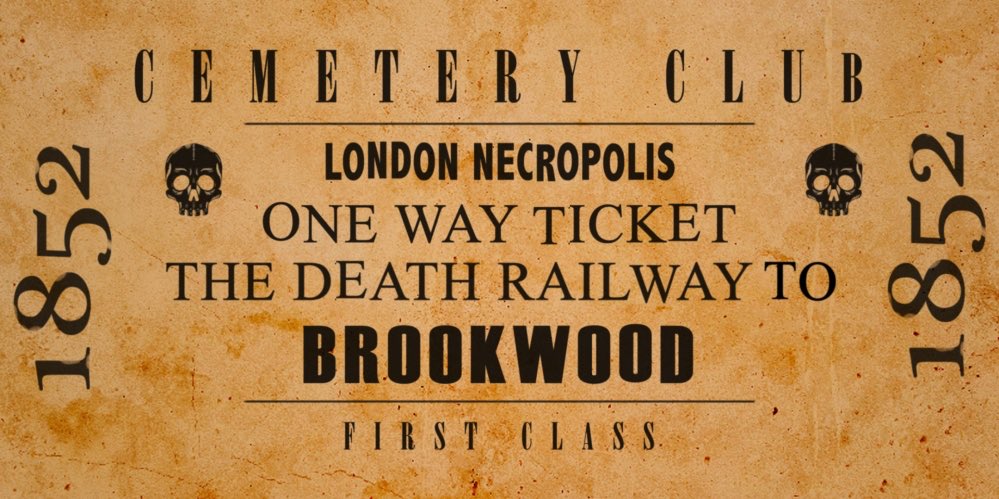
Now that Covid restrictions have been relaxed Sheldon is getting back into ‘live’ cemetery walks and has a busy programme planned. One of these days I will get to see him proper, but for the time being I shall continue to follow him online and I am busy buying tickets for the next two virtual cemetery visits – Myths & Monsters Saturday September 18 at 7 pm and Brookwood on Saturday October 2nd 7pm. Visit the Cemetery Club website for further details.

Robert Yorston – 101 and a half years old

Never let it be said the Radnor Street Cemetery team never go that extra mile to bring you an interesting story?

On a recent trip to the Orkney Islands, Noel took a wander around the churchyard at St. Magnus Cathedral, Kirkwall, where this headstone caught his eye.

I popped the name Robert Yorston into Google search and was amazed to discover a heap of information thanks to the family history research of Ray Millar (it’s never usually that easy).

As an introduction to his family history page Ray tells how he began his research in 2004. His family originated from the Orkney Islands before emigrating to Australia, New Zealand and Canada, so possibly Ray lives in one of these countries.

His work on Robert Yorston is pretty extensive and I hope he will not mind me using it here.

Ray includes two newspaper reports. The first published in the Rosshire Journal of December 24, 1887 following Robert’s 100th birthday.

Mr. Robert Yorston, a burgess of Kirkwall, who recently completed the 100th year of his age, was visited by Provost Reid, Bailies Peace and Irvine, and his minister, the Rev. David Webster, of the United Presbyterian Church, the other day, and was presented by the provost, on behalf of certain well-wishers, with a purse of sovereigns.

The deputation found the old man in bed, but quite able to sit up and receive his friends. He suffers no pain, is in full possession of all his faculties except hearing, which is a little impaired ; and though feeble is able with some help to leave his bed daily, and sit for a while in his old arm chair.

He is quite contented and happy, his mind clear, and his memory fairly good. On the day which closed his 100th year, Robert had shaved himself, when his face looked clean and smooth like that of a young man, with not a wrinkle on it.

Robert Yorston was born in Kirkwall on the 10th December, 1786. His father and grandfather belonged to the island of Rousay, and are said to have descended from one of three brothers who, centuries ago, came from Denmark, when two of them settled in Orkney, while the third went to the neighbourhood of Aberdeen.

When upwards of 60 years of age Robert suffered from a prolonged and mysterious weakness, which confined him to bed about a couple of years, but he gradually recovered, and has lived to see another generation of his fellows pass away.

The second account is taken from the Australian Town and Country Journal Sat. 8th Sept. 1888

CENTENARIANS.-Robert Yorston, the oldest man in Orkney (Scotland), died at Kirkwall recently. He was born on December 10,1786, so that he was within a few months of completing his 102nd year.

For the last year or so he was almost continuously confined to bed; and during the past few weeks he had grown so weak that he rarely spoke to anyone. Up to his 100th year, however, his memory was wonderfully good and he had a large store of local anecdotes regarding time and people long passed away.

Mr. Yorston had twelve of a family, six of whom survive him; the oldest being about 60 years of age. It may also be of interest to note that though Mr. Yorston’s father died when a comparatively young man, his mother reached the age of 90 years.

The inscription on the headstone reads:

In memory of Robert Yorston who died 8th July 1888 aged 101 and a half years. Also his wife Elizabeth Gorie who died 6th August 1867 aged 75 years. Also their daughter Mary Yorston who died 7th May 1911 aged 90 years.

With kind thanks to Ray Millar whose research into his Orkney family can be found here.

Gloucester Cathedral and the Hyett family

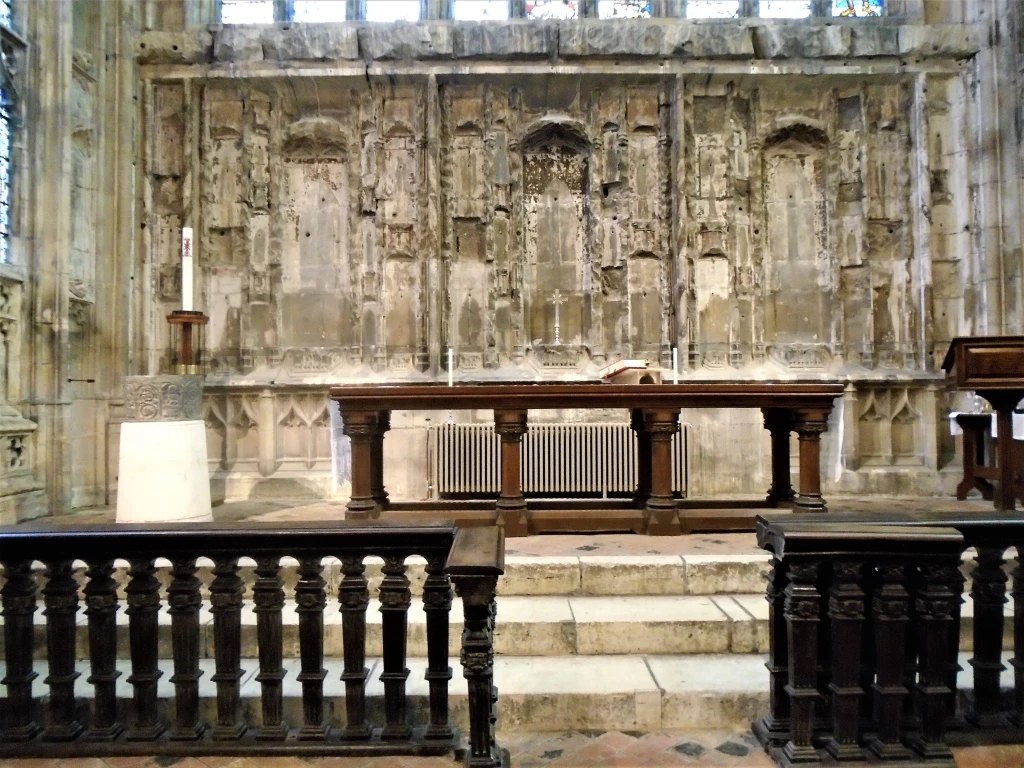
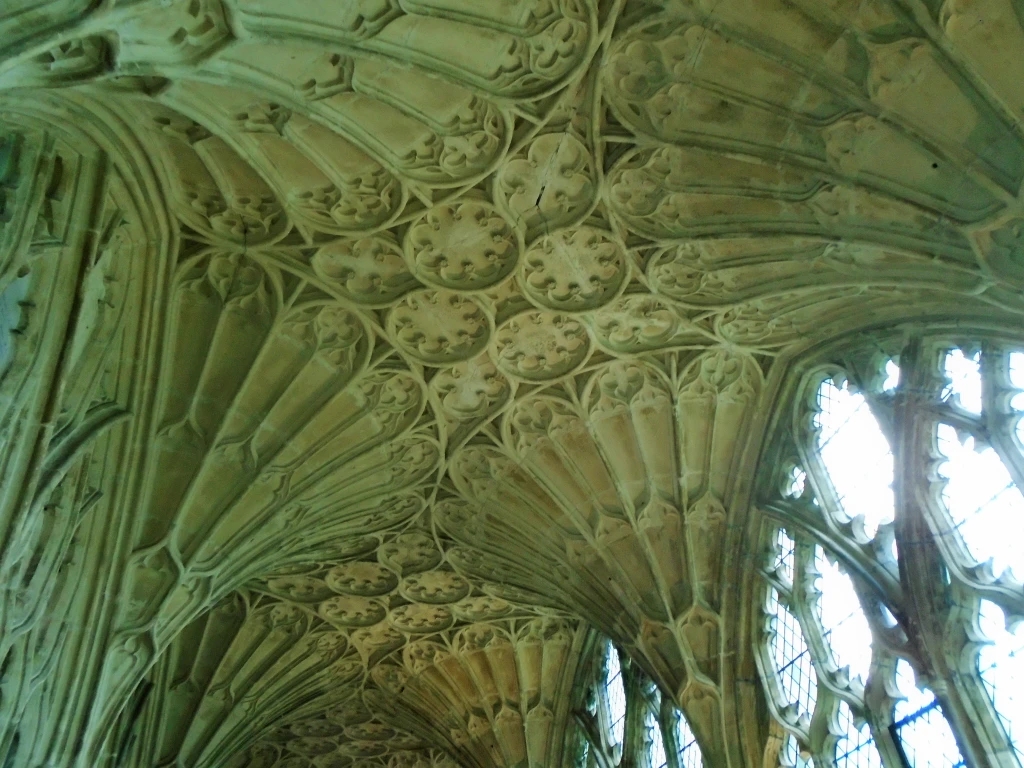
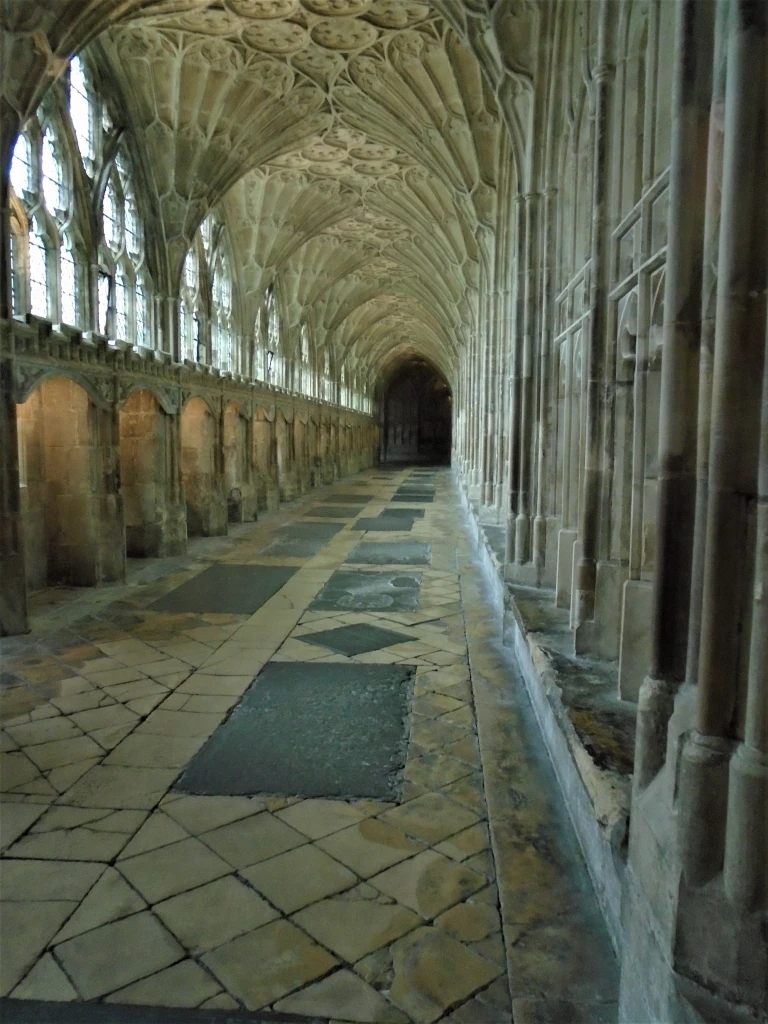
Considering Gloucester is pretty much on my doorstep I don’t know why I’ve never visited the cathedral before. I emerged from College Court, the medieval way once called Craft’s Lane and Ironmongers Row, to arrive at St Michael’s Gate, a pedestrian gateway in the former precinct wall of the Benedictine Abbey of St. Peter, now the Cathedral. Today the Cathedral Green is a pleasant garden with street furniture telling the Cathedral’s story. Originally a graveyard within the Abbey grounds, from the 1920s until 2018 this area was a car park!

The Cathedral itself is stunning, particularly the cloisters which were used during the filming of the Harry Potter films. But of course it was the memorials I had come to see, and there were plenty of them.

In 2015 during investigative work as part of the 10 year Project Pilgrim, one of the ledgerstones in the north transept gave up its unexpected secret. When the stone was lifted it revealed through a hole a brick built family vault below, complete with intact coffins.

The ledger stone records the date of death of Benjamin and Elizabeth Hyett, and tragically eight of their children.

Sarah                     1692       0                             

William                 1706       26

Mary                     1712       23

John                      1682       4

Mary                     1682       22 days

Elizabeth              1683       2

Robert                  1683       8 months

Joseph                  1686       5

Benjamin Hyett was a lawyer who served as Deputy Clerk of the Peace for Gloucestershire from 1673-78 and then as Clerk of the Peace from 1678-89. The Assizes and Quarter Sessions took place in Booth Hall, the old Shire Hall in Westgate Street. His duties would have been to officiate at the Court of Assizes, prepare indictments and record the proceedings. He may also have been required to give legal advice to the justices along with a number of other duties.   

Benjamin married Elizabeth Morwent, the daughter of Joseph Morwent of Tetbury, Gent and his wife Mary, on August 10, 1674 at St Mary’s Church, Tetbury.            

It is likely the family lived in the Westgate Street area of Gloucester, within reach of Benjamin’s place of work and close to the church of St Michael’s where they had five of their children baptised between 1677-1685; Robert, Sara, Elizabeth, John and Joseph.

In his Will made on March 7, 1707 Benjamin mentions four children, the sole survivors from a family of twelve. He makes his eldest son Charles executor of his Will and leaves him all his freehold estate. To his son Benjamin he leaves £500 and to his daughter Elizabeth £1,500. He leaves his daughter Mary an annuity of £50 a year.

Benjamin was buried in the vault beneath the north transept on March 22, 1711, joining his wife Elizabeth and seven of their children (Mary, mentioned in her father’s Will, died in 1712), his father-in-law Joseph Morwent who died in 1704 aged 82 and his brother-in-law (Elizabeth’s brother) who died in 1675 aged 20 years old. In 1731 the vault was opened again for the interment of Edward James, the husband of Benjamin and Elizabeth’s daughter, and their only son Thomas James who died aged 9 years old. Elizabeth James died in 1739 aged 51, and presumably this was the last time the vault was opened until the investigations 276 years later.

I shall be returning with more stories from Gloucester Cathedral.

The Hyett family vault

Heritage Open Day event

As part of the Heritage Open Days event this September, I will be conducting short, guided churchyard walks at St. Mary’s Church, Lydiard Park. These will take place at 2pm and 3pm Saturday September 11 (today) and Sunday September 12 (tomorrow) and at the same time next weekend Saturday 18 and Sunday 19 September.

This memorial, just inside the churchyard gates, records the burial of Jonas Clarke who died on March 31, 1862 aged 74. The names of his two young grandchildren Cordelia Ann Carey and her brother Jonas Carey are also mentioned although they are not recorded in the burial registers so it is possible they were buried elsewhere.

Jonas was born in Minety in 1787 where he spent his early adult life. He married Elizabeth Fitchew in 1816 but the marriage proved to be unsuccessful and by 1818 he had entered into a relationship with Alice Pinnell. The couple had seven children but had to wait more than thirty years for the death of Elizabeth before they could marry.

Their children were baptised at All Saints’ Church, Oaksey and St Michael’s, Brinkworth and took the names Clarke Pinnell. Various Clarke Pinnell marriages took place at St. Mary’s, Lydiard Tregoze including a double wedding on May 4, 1841 when Sarah Clark Pinnell married Thomas Hall, a yeoman from Broad Blunsdon and her sister Jane married Francis Carey, a yeoman, also from Broad Blunsdon. The girls’ parents Jonas and Alice were eventually able to marry at St. Mary’s in 1853.

Jonas Clarke, farmed at Wick Farm just beyond the entrance to Lydiard Park, next to the Rectory, from about 1839 until his death in 1862, when his son Jonas Jnr took over. Farm accounts dated 1869 reveal that during the month of June, Wick Farm produced an average of three cheeses a day, over 90 in total during that month. In October of the same year there were 110 cheeses in the cheese room weighing over three tons.

The area around St. Mary’s church and Lydiard House was developed in the 1980s and 90s when street names were often taken from ancient field names. Two fields on Wick Farm called Green Down and the Green Down Mead were adopted for the new Secondary School. (The school has since changed its name to Lydiard Park Academy). The Prinnells estate takes its name from one of the Wick Farm fields, as does the area known as Freshbrook.