Avebury – West Kennet Avenue

Visitors walking around the Avebury landscape today can only wonder at its significance and marvel at its continued survivial. Burial ground is now at a premium but back in the Bronze Age there was no such problem. The Avebury area was a desirable and important site for burials and evidence remains in the surrounding countryside. A hundred round burial mounds have been identified, some raised over an individual burial others over multiple occupancy graves, many of them ploughed almost flat during agricultural activity across the millennia.

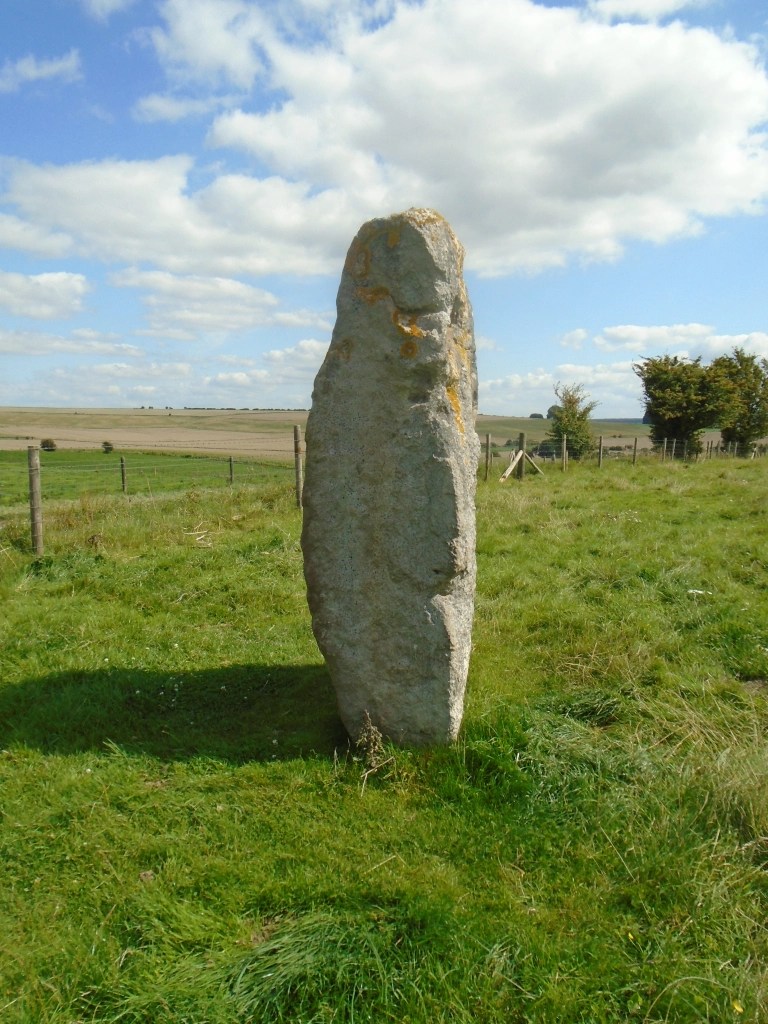
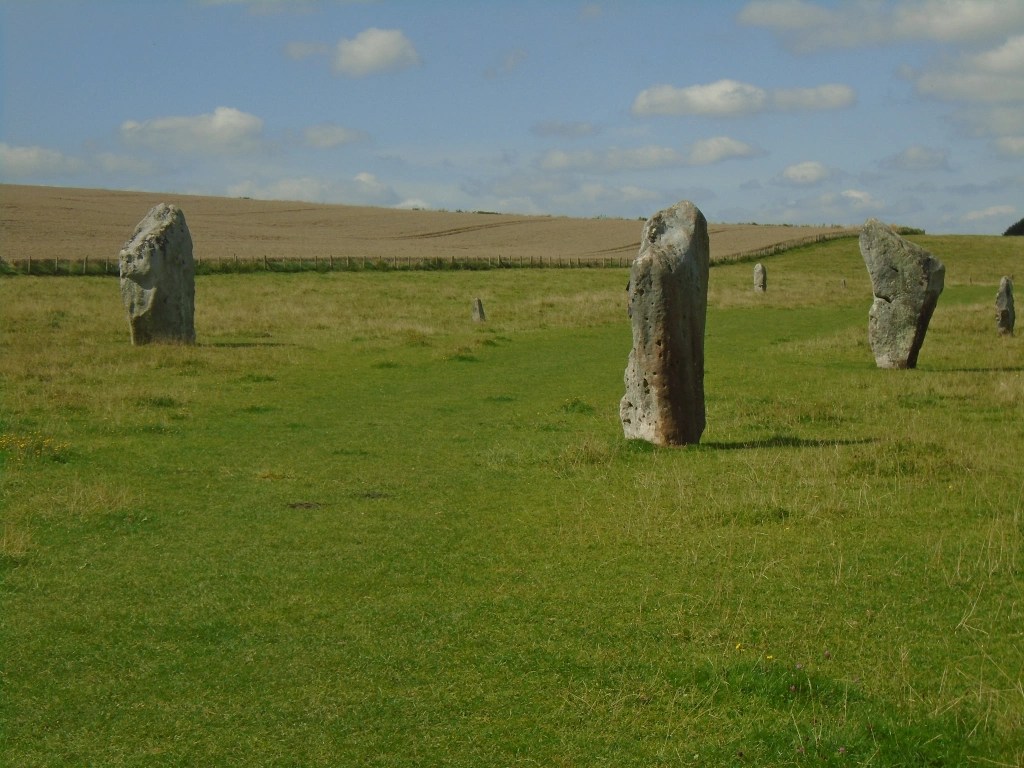
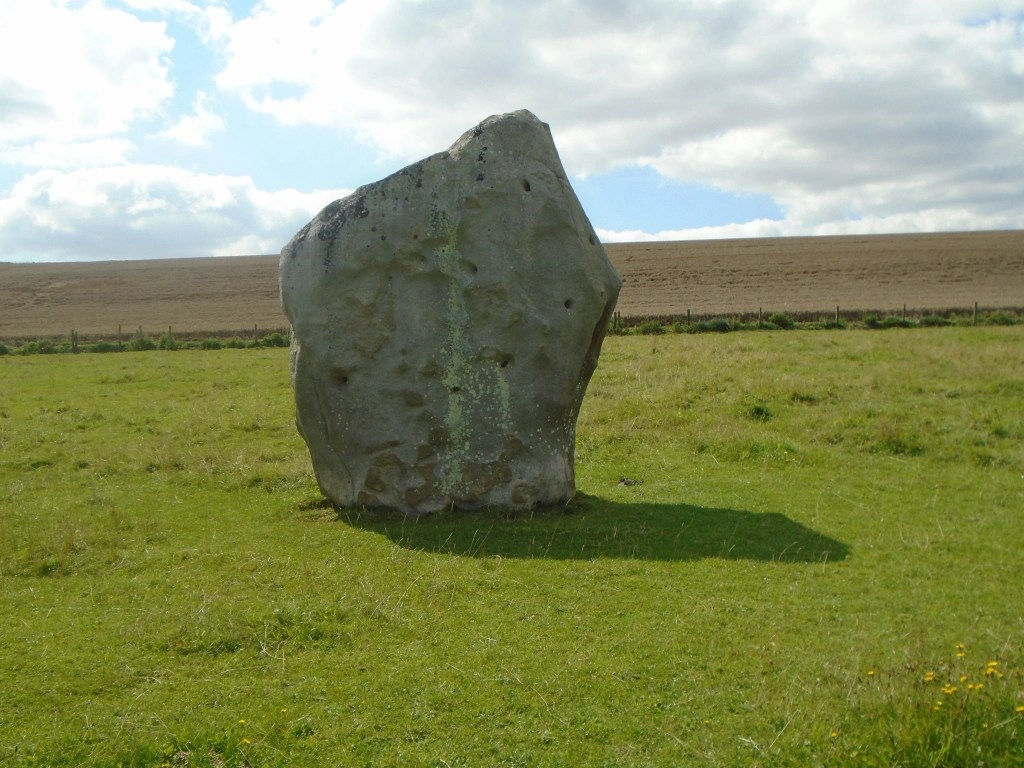
Travelling the West Kennet Avenue is a journey back through time, despite the busy roads which run parallel. Approximately a third of the avenue is flanked by pairs of stones, one diamond shaped, one straight and it has been suggested that these shapes may represent the female and male form. This avenue continues for more than a mile and a half from the southern entrance of the Avebury henge to a double stone circle on Overton Hill, now known as the Sanctuary. Built more than 4,000 years ago, the burial of a young man was discovered here, next to one of the stones.

Nearby West Kennet Long Barrow is the longest of around fourteen long barrows in the Avebury area and is believed to have been constructed in around 3700 BC. It has been excavated just twice, once in 1859 and again in the 1950s. West Kennet Barrow contains five chambers linked by a corridor and contains a total of 36 burials.

But there was another type of burial at Avebury, which is both surprising and shocking to the modern visitor – the burial of the stones. Across the centuries some of the stones were destroyed for practical purposes – to make more easily workable agricultural land and to provide building material – but less obvious and more intriguing is the burial of numerous stones. There was a time, probably from the 5th century through to the turbulent religious Tudor period, when the stones were regarded as a shameful relic of our pagan past and the theory is that the residents of Avebury were encouraged to bury theirs.

William Stukeley, an 18th century antiquarian first recorded that stones at Avebury had been buried in great pits. Then two nineteenth century clergymen A.C. Smith and W.C. Lucas came to the same conclusions and in the 1930s Avebury resident Alexander Keiller went a step further. Keiller was responsible for excavating and re-erecting 50 stones in the henge and the West Kennet Avenue.

Despite the throng of visitors and the persistent traffic, Avebury retains its mystical and mesmerising atmosphere and one blog visit is nowhere near enough. See tomorrow’s instalment for my visit to St. James’s churchyard.

Angels – of the stone variety

James John Wiltshire (3)

The re-imagined story …

I still visit the cemetery angels once in a while, just to check up on them. There are a couple that are badly damaged but I still like to pay my respects. They were a great comfort to me when I used to doss in the cemetery.

My usual pitch was a bender under the bushes near the Polish doctor’s grave. Sometimes I’d go down by the hedge that backed onto Fairview but it was too close to the houses and people used to report me.

I tried getting into the little building at the top of the cemetery but it was boarded up too well. The druggies used to go round the back there, but I didn’t want to get involved with any of that shit, I had enough of my own to get on with.

I’ve met a few angels since then – of the flesh and blood variety. There was Lesley who found me a room in a hostel and Steve who got me on to a counselling programme. I can do without the booze now, well most the time I can.

I don’t know a lot about my own family. I turned out to be a big disappointment to my mum and dad. Never did the right thing, not even as a kid. I know they were ashamed of me, they told me so often enough. I was lazy, had no backbone, no morals.

These days there’s a big emphasis on mental wellbeing, but my parents were of a different generation, obviously, but you know what I mean. They’d lived through a world war, they didn’t have a lot of time for mental wellbeing or depression and anxiety.

One of the angels I like to visit is down on the lower section of the cemetery on the way to the Clifton Street gates. She’s a particular favourite of mine. I wonder why we always think of angels as female. After all, the archangels were all male, Gabriel and Michael; and Lucifer, well he had to be a male. That’s about all I can name. It’s a bit like Santa’s reindeers, after Rudolph and Donner and Blitzen, who are the others?

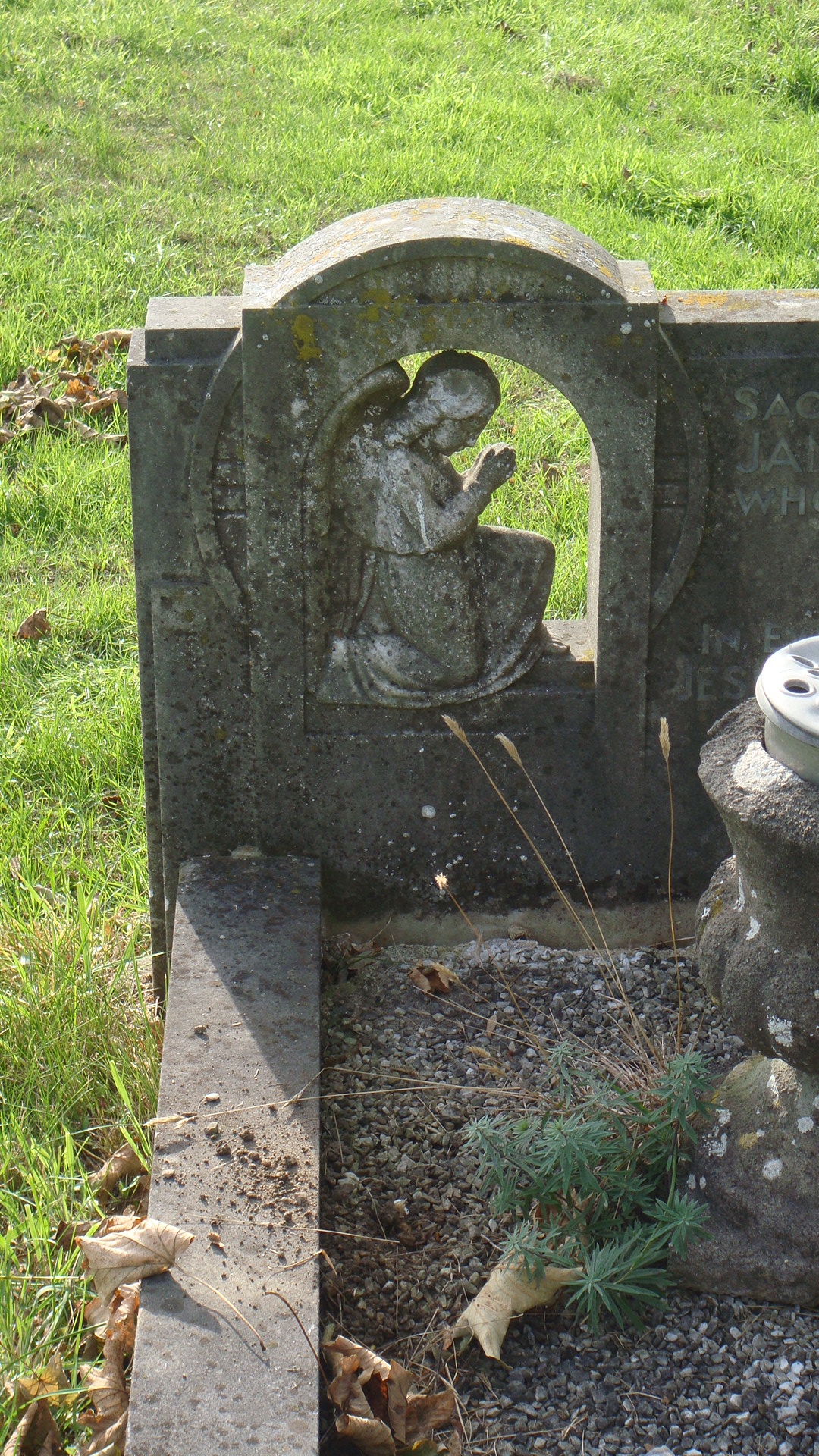
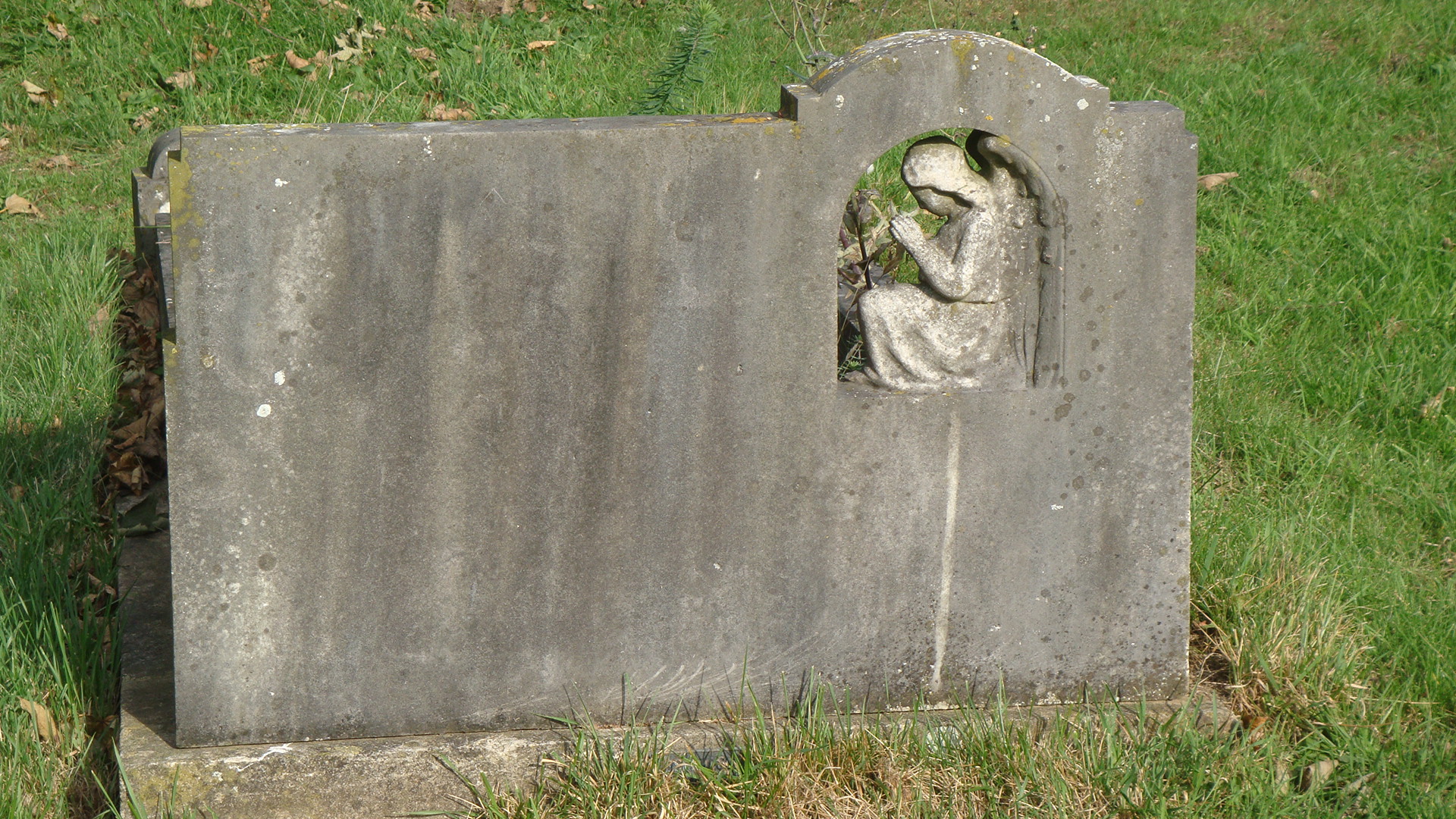
This little angel is tucked into a window-like space in the stonework, a young angel knelt on one knee praying, her wings following the curve of the opening. Is there such a thing as a young angel, or an old one come to that? I suppose you get cherubs, but they are usually chubby, babylike figures with short curly hair. No, this one is definitely a young angel, her little hands clasped together and her bare toes peeping out from her dress.

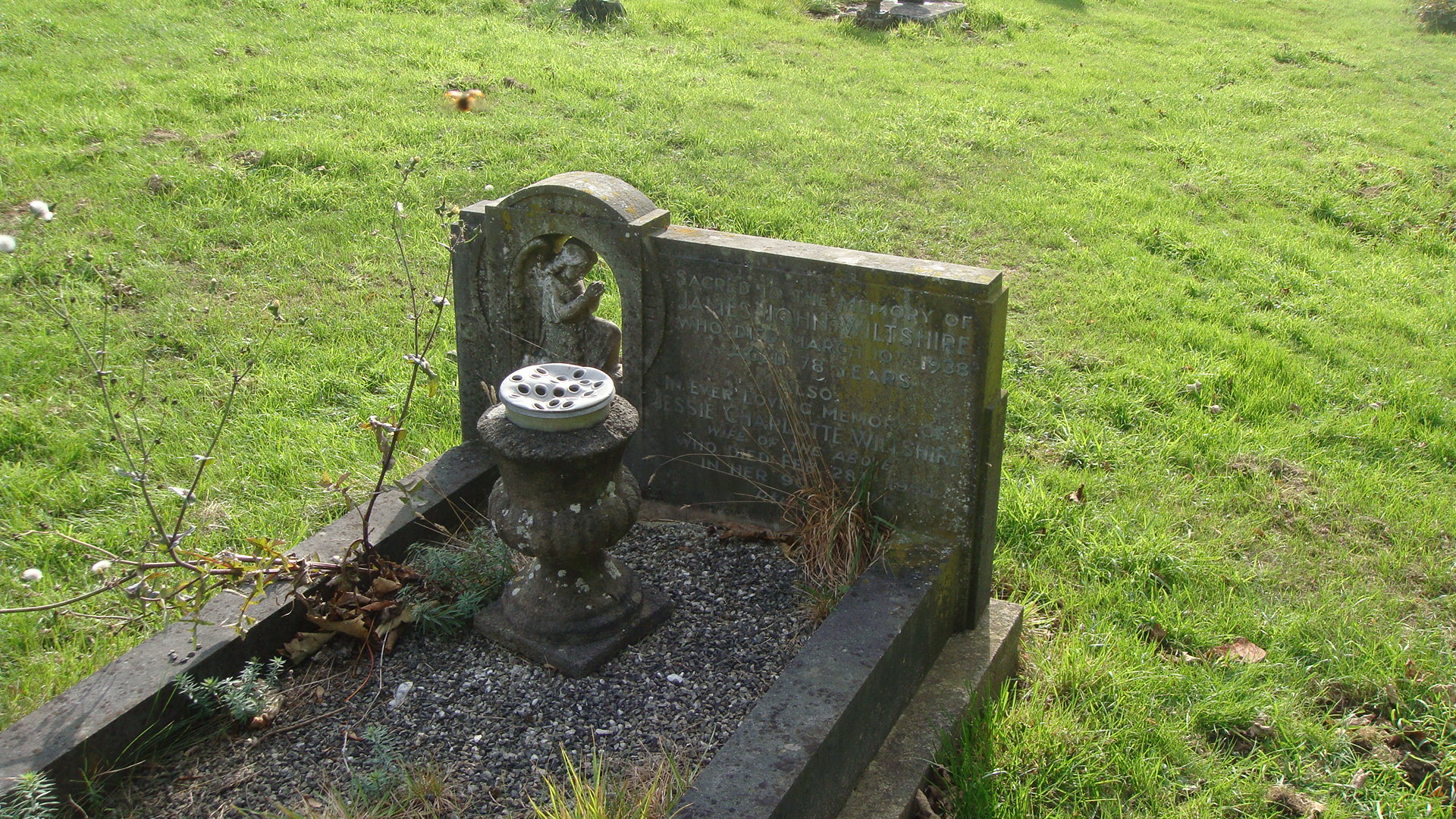
Well, that little angel got me thinking. The inscription on the headstone is to an old couple. James John Wiltshire who died in 1938 aged 78 and his wife Jessie Charlotte who died in 1954 aged 90 and I got to wondering who had chosen the headstone.

I even went up to the crematorium where they hold all the burial registers. Of course, I could tell they thought I was a nutter, but fair play to them they were very kind and helpful. A young woman looked up the grave details for me and what a surprise we both had.

Before the Wiltshire family bought the grave for old James and Jessie, it had been a public grave and buried beneath them were four little children. Charles and Louisa Wright, who both died as babies in 1900 and 1901 and Amy and Vera Taylor who had died in 1900 and 1906.

We looked at each other in silence.

I wonder if the Wiltshire family knew all this when they bought the plot; now that little angel makes sense to me. I like to think of her praying for the little children who never had a life, and it helps me cling on to making some value out of mine.

The facts …

James John and Jessie Charlotte Wiltshire lived at 36 St Margarets Road at the time of James’s death in 1938 and Jessie continued to live there until her death in 1954. The 1939 list, available on Ancestry, reveals that Jessie was living with Emily B. Warren, also a widow and quite possibly her sister.

The children …

Charles Tilley and Louisa Caroline H. Wright were the children of Thomas and Mary Ann Wright. Thomas worked as a Smith’s striker in the railway factory. The couple were originally from London but moved to the Swindon area in about 1890. Louisa appears on the 1901 census as a one month old infant, the youngest of eight children still living at home in Byron Street with their parents. Born in between census years little Charles doesn’t appear on official records other than the birth and death indices and the burial registers.

Amy Blanche Taylor was born on January 16, 1900 and baptised on February 11 at St Augustine’s Church. She was the daughter of George Taylor, a clerk in the Works, and his wife Blanche who lived at 67 Dean Street.

Vera Grace was born in 1904 and was also baptised at St Augustine’s. By then the family had moved to 14 Jennings Street. She died in 1906.

By 1911 the little family had prospered and were living in Goddard Avenue. The census returns for that year include not only the details of their two living children, Raymond George 10 and Gladys Elsie 4, but the two children who had died, Amy Blanche 3 months and Vera Grace 2 years. The names had been crossed through. It was enough for official purposes just to state how many children had died.

Blanche died in 1918 and was buried in plot E8376 on March 28. George outlived her by more than forty years. He died in 1959 and was buried with his wife on April 2. Their grave is on the opposite side of the cemetery from their two little daughters.

James John Wiltshire (2)

James John Wiltshire

Summer Solstice Musings

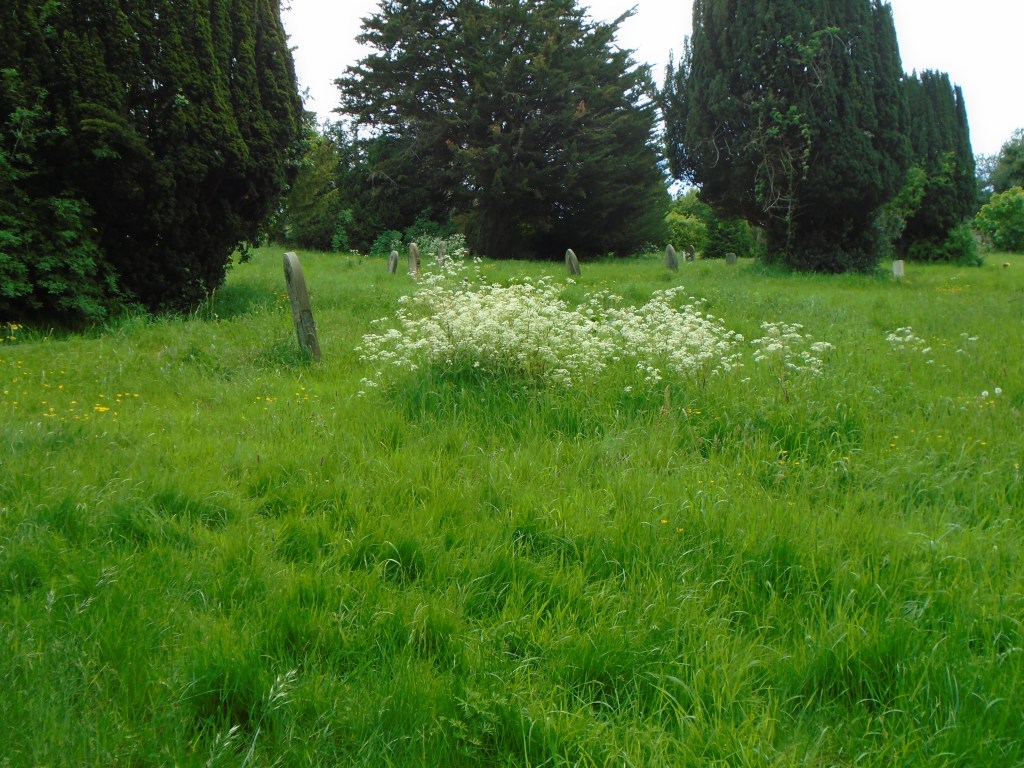
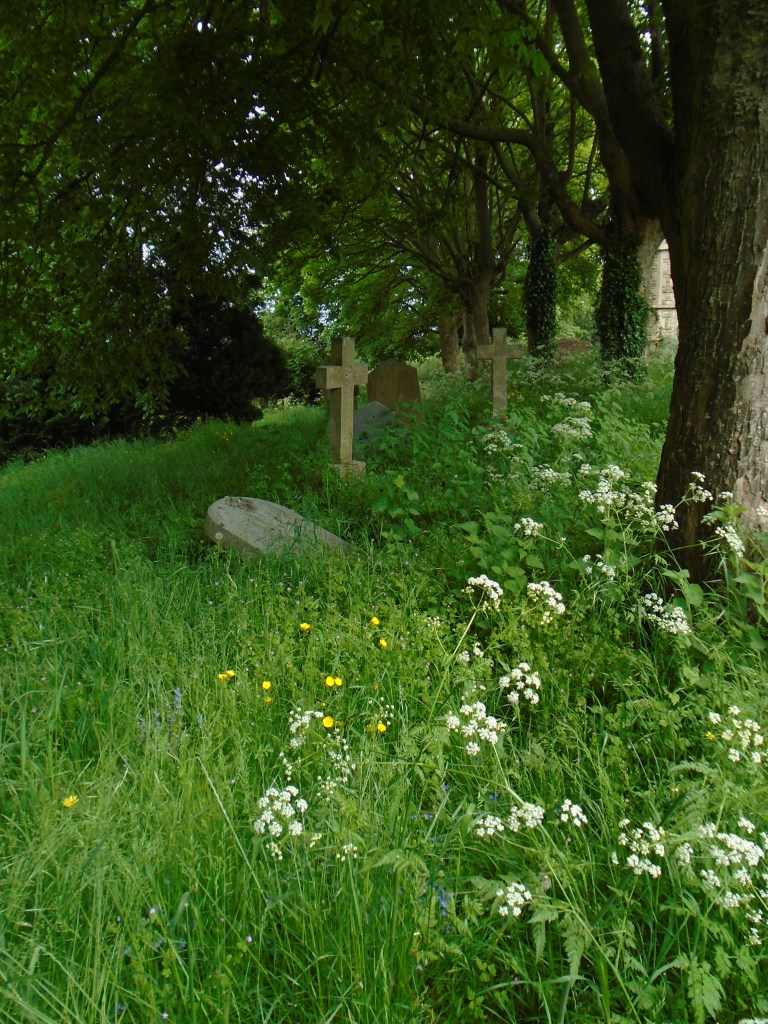
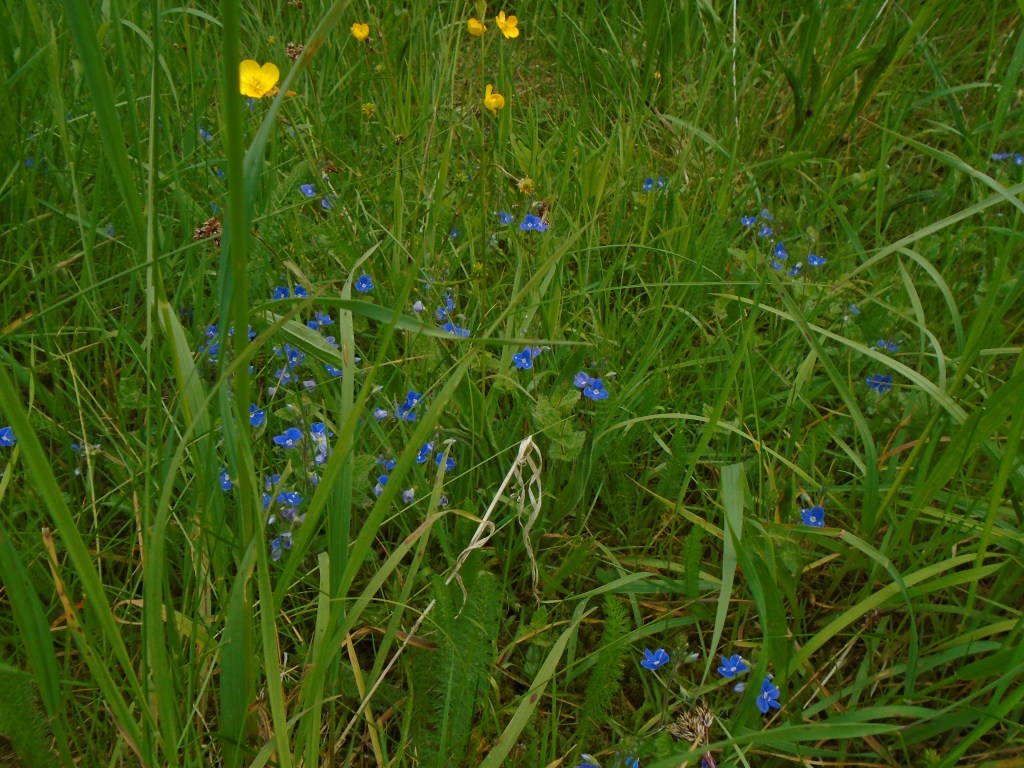
Today let’s celebrate the summer loveliness of the cemetery where swathes of daisies and long legged buttercups and clouds of lacey cow parsley float among the gravestones.

Radnor Street Cemetery closed to new burials in the 1970s and after that interments could only take place where there was space in an existing family grave. This still applies today where burials are most usually those of cremated remains.

In 2005 the cemetery was designated a local nature reserve and the value of this area was widely promoted. Bird and bat boxes were erected and areas of grass were left to grow long to provide habitat for insects. Led by Swindon Ranger’s team and members of a community gardening group called LEAVES a pond was created in what was to be a wildlife memorial garden. It was hoped that the installation of a water feature would encourage dragonflies, newts and frogs and would enhance the biodiversity of the cemetery site.

Sadly, local government cutbacks and the diminishing number of Rangers saw these plans falter, but a growing team of new volunteers is now at work in the cemetery on a regular basis. Their initial interest was to keep the area around the Commonwealth War Graves clear and accessible but in recent months they have extended their work to other graves, revealing yet more fascinating Radnor Street Cemetery stories.

In Loving Memory of a Name

The re-imagined story …

I was in my last year at school in 1983, trying to decide what I wanted to do with the rest of my life. I knew I definitely didn’t want to go into the Works like my dad, but then it looked as if the days of the mighty railway factory were numbered anyway. It had to be something interesting, something exciting.

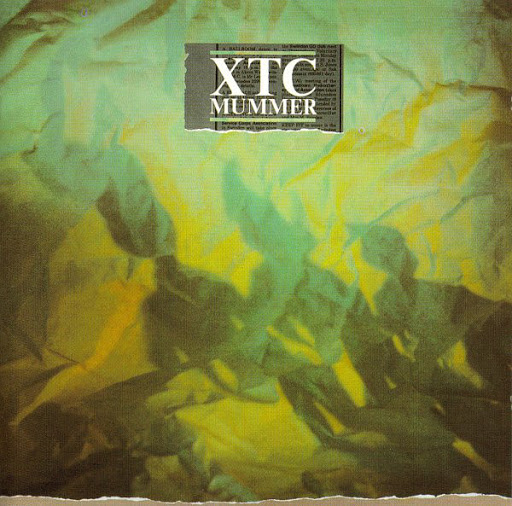
What I would really have liked was to join XTC. For those of you who missed the 70s and early 80s for whatever reason, there was punk and prog pop, new wave and New Romantics and, if you came from Swindon, there was XTC.

What was it about them I liked? Was it their sense of fantasy and psychedelic wonderment, to steal a quip from founder member Andy Partridge? Or was it because they were cool and came from Swindon? It was exciting to know that the members of the band had walked the same streets I had. As Andy once said, ‘Swindon was a bit shit but there are worse places and everyone has to come from somewhere.’

I knew I didn’t have any musical talent, but I was sure there was a job I could do as part of the XTC entourage; a technician or press officer, or maybe a photographer, something like that.

In the summer of 1983 word went around school that the members of XTC would be filming a music video somewhere in Swindon for a track on their upcoming album. It came as no real surprise that they should chose the old cemetery, just the crazy kind of thing they would do. Here was my opportunity.

There was no special treatment for the guys the day they filmed at Radnor Street Cemetery. I was among a handful of fans there and as long as we kept out of the way, no one seemed to mind.

This would be my first foray into photography. I had a goodish camera, a present from my granddad. I got what I anticipated would be a couple of good shots of Colin wandering among the graves, looking contemplative and rock starry and several of Dave and Andy dressed in military uniforms and misbehaving in the background.

The cameraman spent a long-time getting shots of individual headstones and memorials, in particular a magnificent guardian angel, which became the opening shot of the video.

It was several weeks before my film came back from Boots the Chemist.

Even now, more than 30 years later, I can remember the heart squeezing disappointment as I opened the envelope and looked at the prints. My first photographic assignment, a total disaster. But as Colin blurred across the foreground, an image appeared in the background, close to the old mortuary building. At first, I assumed it must be the indistinct image of another fan, out for a glimpse of the band, but I began to see the outline of what looked to be a soldier, head bowed, wearing an old-fashioned army uniform and a tin helmet. He carried a kit bag on his back and held a rifle at his side. It was the silhouette of a Tommy from the First World War, there, but not there.

A.C. Ellis (1)

No one could see what I could see, not my parents, not my friends. And after a time I could no longer see the invisible soldier.

In Loving Memory of Name was written by Colin Moulding, but it turns out it wasn’t among his favourites in the band’s back catalogue. He was to later describe it as being about “moping ‘round a graveyard and just remembering the lives of the people there.”

It was several years before I returned to Radnor Street Cemetery. I stood in the place where I had watched Dave Gregory and Andy Partridge and taken my photographs. And then I walked around to the old mortuary building where I imagined I had seen the First World War soldier, there but not there.

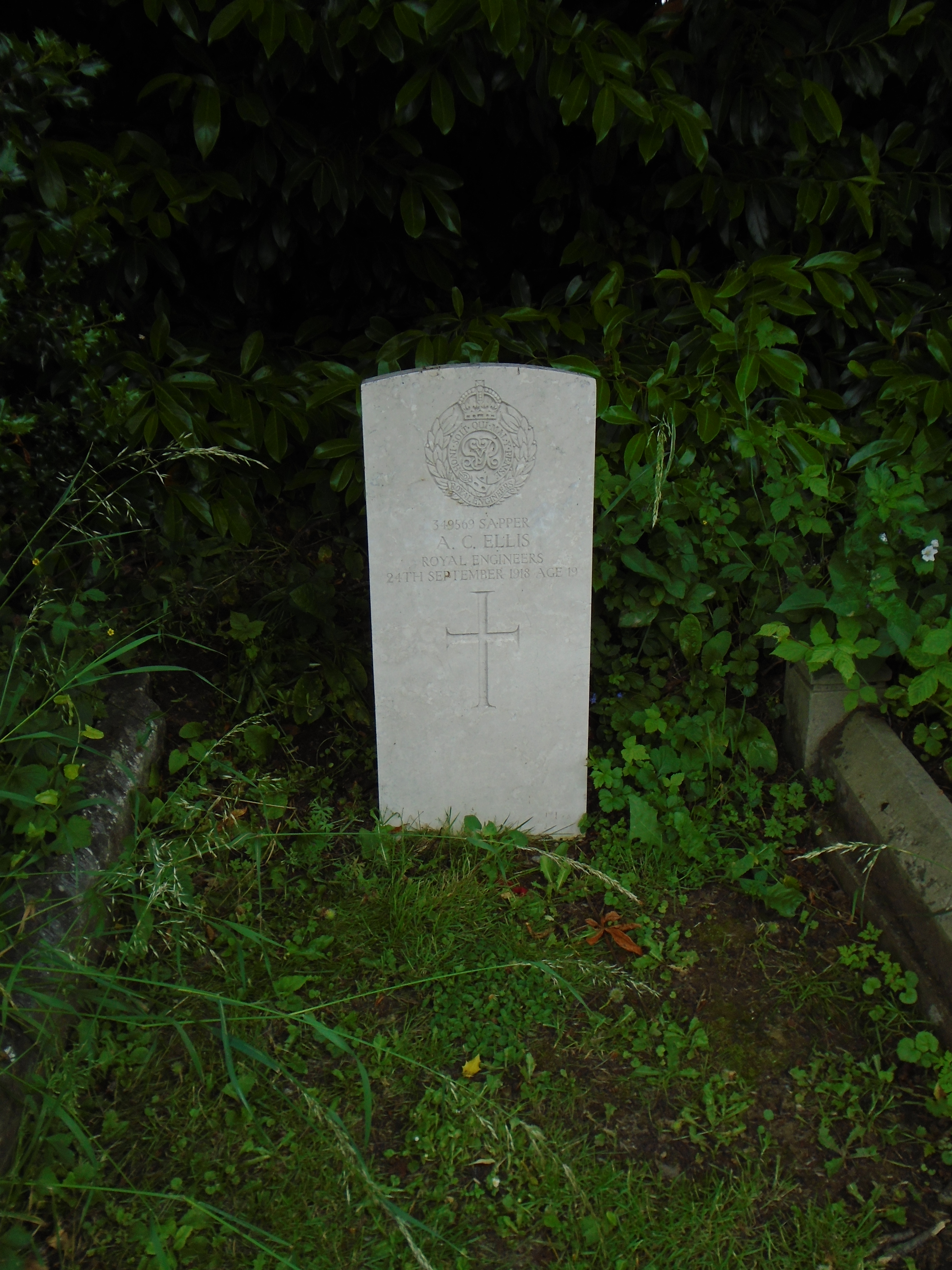
I noticed for the first time the official Commonwealth War Graves headstone, discoloured and dirty. The inscription read Sapper A.C. Ellis, Royal Engineers, 24th September 1918 Age 19.


This image has an empty alt attribute; its file name is arthur-ellis.jpg

The Mummer album came after a long XTC hiatus. I recently returned to the cemetery after my own period in the wilderness. The guardian angel still looks good. And someone has propped up against the war grave headstone a small photograph of the young soldier.

chapel door

There, but not there. Photograph published courtesy of Andy Binks.

The facts …

Arthur Cecil Ellis was born in Swindon in 1899 the only surviving son of Thomas George Ellis, an engineer in the railway works, and his wife Annie Maria. He was baptised at St. Mark’s, the church in the railway village, on February 20, 1899 and for all his young life he lived at 38 Farnsby Street.

Arthur Cecil Ellis served in ‘C’ Company of the 6th Reserve Battalion of the Royal Engineers. The 6th Reserve Battalion was located at Irvine and was formed in January 1918 from what had been the reserve Field Companies grouped in Scottish Command.

Arthur died on September 24, 1918, according to the UK Register of Soldiers’ Effects 1901-1929 at Kilmarnock Hospital where he had £3 2s 9d (about £3.20) in pay owing to him, which would go to his mother Annie.

His body was returned to the family home at 38 Farnsby Street and he was buried at Radnor Street Cemetery on October 1st.

More than 50 years later, in the summer of 1969, Arthur’s sister, Dorothy, who worked as a dressmaker when Arthur went to war, died aged 74 and was buried with the teenage brother lost during the final weeks of the First World War.


https://www.youtube.com/watch?v=qC-PxpywwjA&list=RDqC-PxpywwjA&start_radio=1

Struggle and Suffrage in Swindon

For ten years I have been a member of a small but perfectly formed team of cemetery enthusiasts. We research and write about the people in the cemetery and throughout the summer months conduct guided cemetery walks.

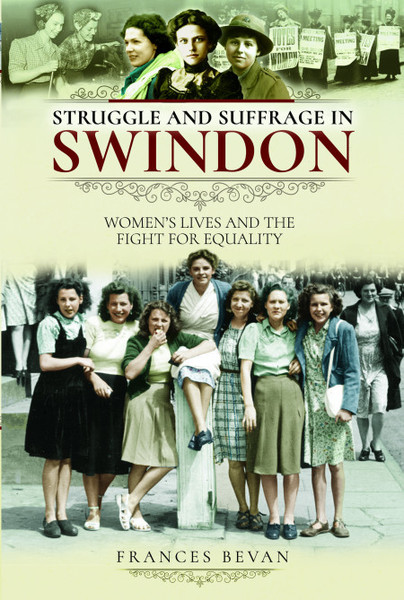
Our next walk on Sunday June 23 will include the launch of my recently published book – Struggle and Suffrage in Swindon – Women’s Lives and the Fight for Equality.

The cemetery opened in 1881 and closed in the 1970s. There are more than 33,000 people buried there and I think its probably a fair estimate to say that half of those are women.

The vast majority of the women buried in the cemetery were only remembered by their families, until they too passed out of living memory. Thousands of them have no headstones and no memorials.

The timeline for my book is 1850-1950, a period of incredible social and political change for women – yet it is still often difficult to find out about the lives of ordinary women.

When you are tracing your Swindon family history in the 1851 census you will most likely find your female ancestors recorded as ‘boilermaker’s wife’ or ‘carpenter’s wife’ or more often than not there will be just a blank space under occupation.

In 1851 the census enumerators were instructed not to record women’s work if it was part time, seasonal or if they worked in a family business, which pretty much rules out most of the jobs in which women were employed.

Working class women didn’t leave memoirs or books or letters. They didn’t have the time or the opportunity. These ordinary women, the ones who didn’t do anything life shattering (except raise the next generation) leave little evidence of their existence.

It is the story of these women that I like to tell, and I’ve made some extraordinary discoveries during the course of my research.

Join me at Radnor Street Cemetery on Sunday June 23 for a book launch followed by a guided cemetery walk with Andy and Noel. Meet at the Cemetery Chapel for 1.45 pm.

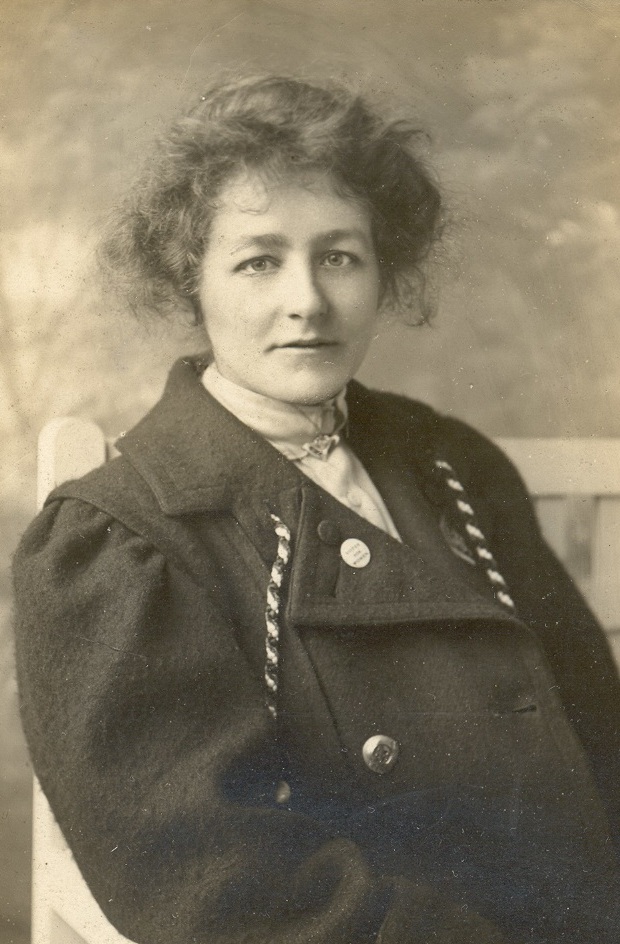
Edith New
Edith New – Swindon born Suffragette

Sheila White Compton's factory 1949
Sheila White – Factory girl

May George002
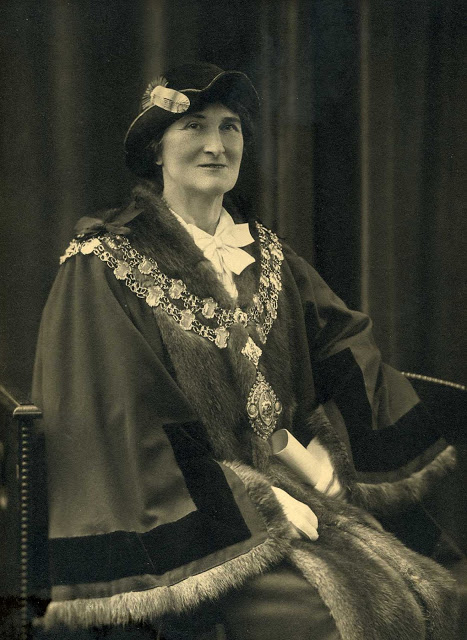
May George – Swindon’s first female Mayor

Fanny Catherine Hall
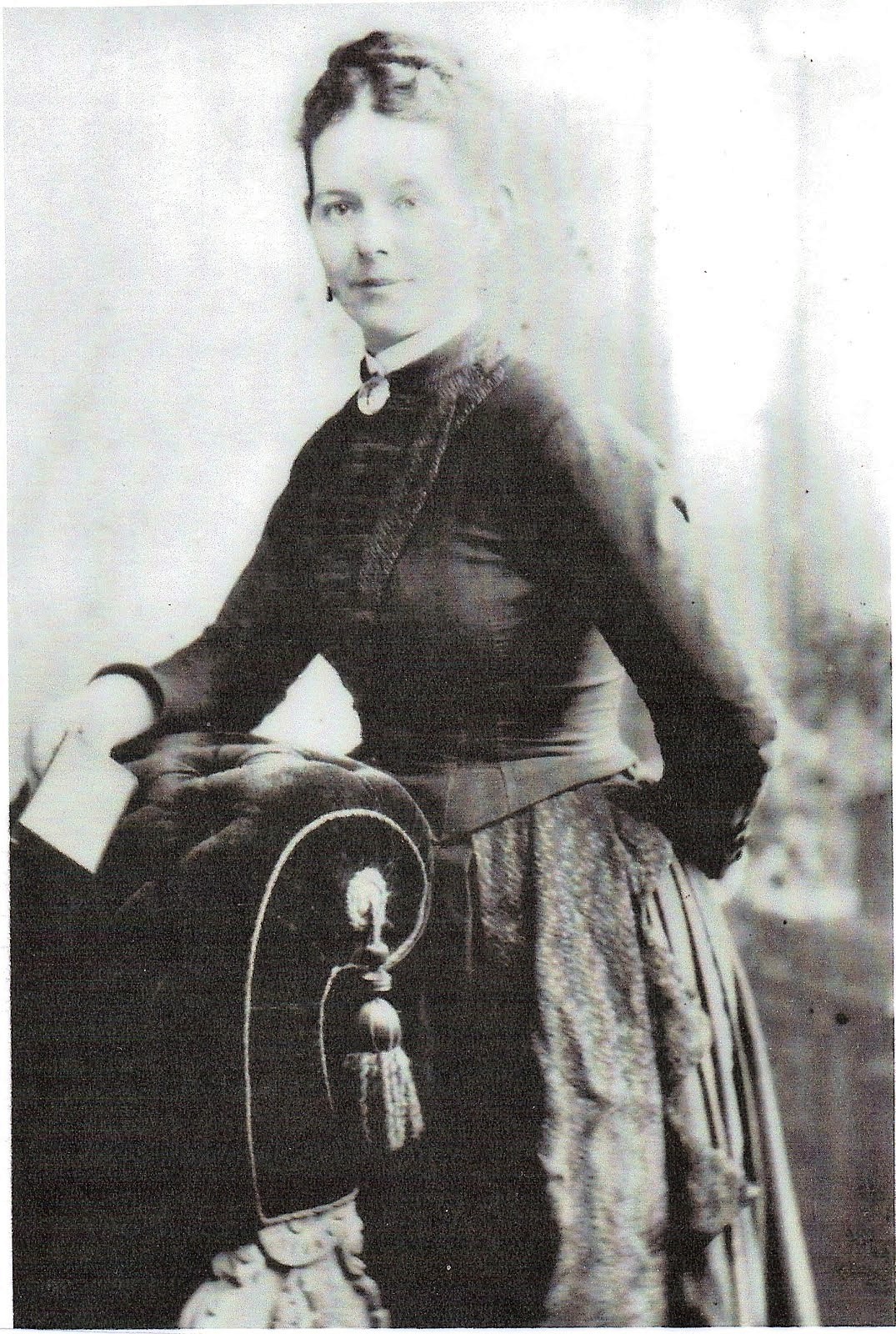
Fanny Catherine Hall – School teacher

004
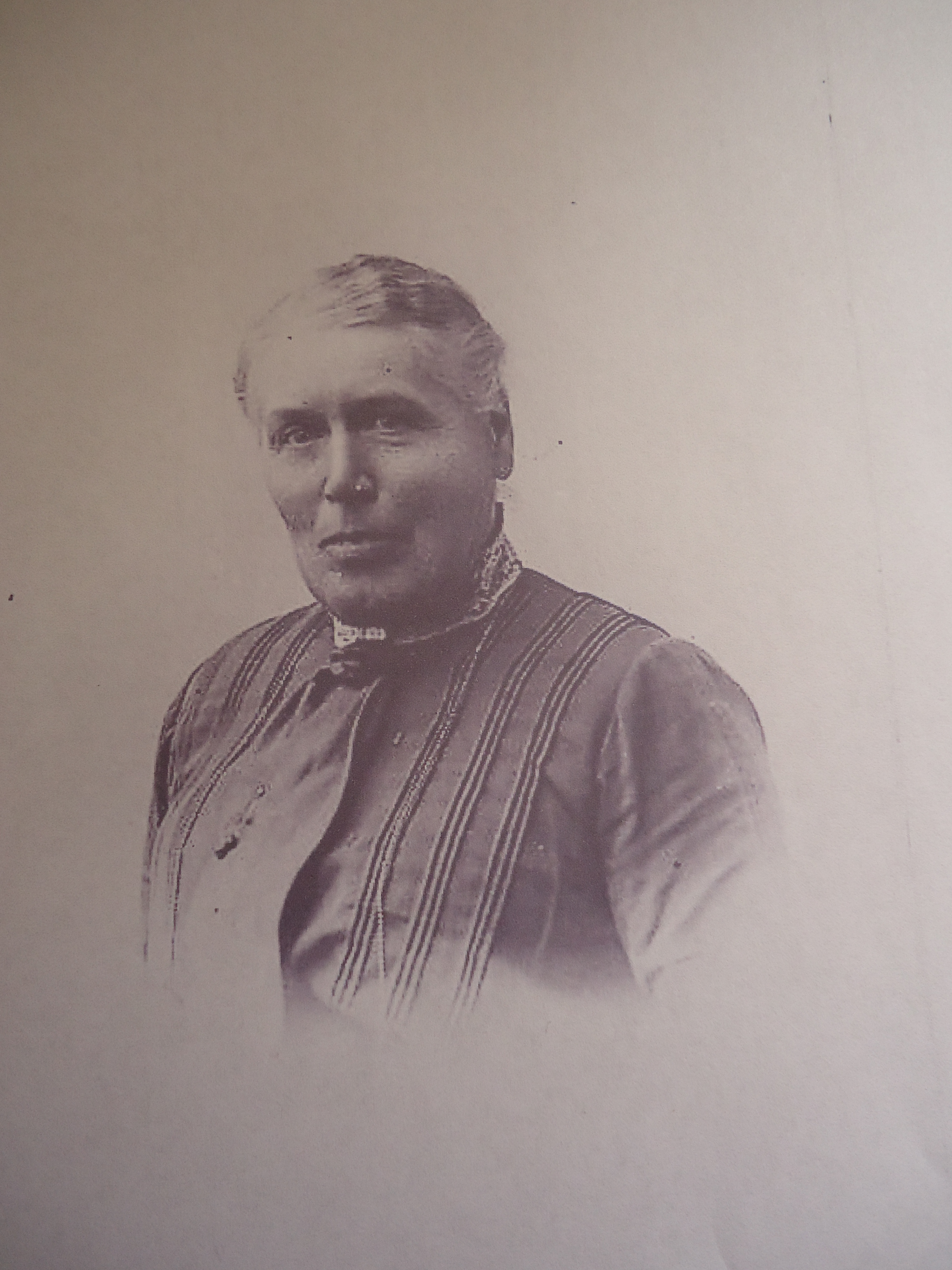
Jane Dicks nee Tuckey – buried in a pauper’s grave

Lady Mary - Lydiard House Collection
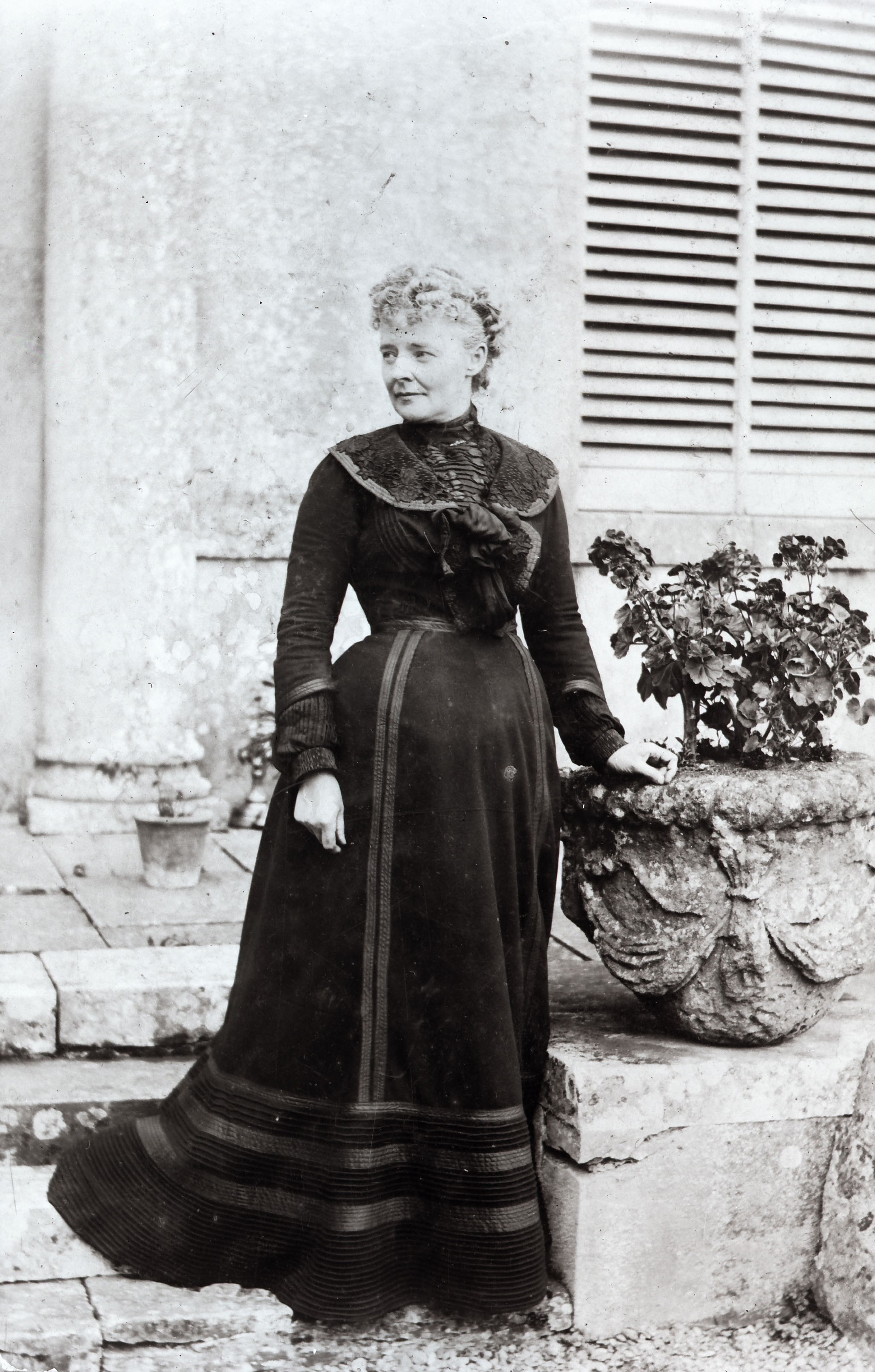
Lady Bolingbroke – former housemaid