
In Britain in the 1950s, 60s and 70s young, unmarried mothers were coerced into giving up their babies for adoption, an estimated 185,000 of them. That this practise continued into the late 20th century is now shocking and unforgiveable. Was this attitude a legacy of 19th century social mores – all those myths about Victorian prudery and piano legs? In fact the Victorians were far more broad minded and accepting than we give them credit for.
In my work transcribing the diaries of Elliot Woolford, farmer at Hook Farm between 1899 and 1940, I have come across two examples where an illegitimate birth was no big deal, the child welcomed into the extended family.
William Woolford married Frances Ann Fletcher in the parish church at Purton in May 1849. The bride and groom signed the marriage register by making their mark, suggesting they were not proficient in writing their name. Both stated they were over the age of 21.
At the time of the 1851 census the young couple and their two year old daughter lived at a property in Poor Street, Purton. William’s occupation was given as labourer at stone quarry. Their eldest child had been born several months before the couple married. Ellen Woolford Fletcher was baptised at the church of All Saints, Lydiard Millicent on December 24, 1848, the daughter of Ann Fletcher – no father’s name was given. There is little doubt that William was her father but Ellen continued to use her mother’s maiden name. She never married and died at Hook Farm in 1904 aged 56.
William and Frances went on to have six more children, diarist Elliot George Woolford was born in 1867. The 1871 census reveals their six children (their youngest, 7th child Rowland was born in 1874) and a granddaughter Fanny Ireland Fletcher, just 5 months old. It would appear that like her mother, Ellen had produced a child out of wedlock, but unlike her mother there was no husband waiting in the wings. Fanny Ireland Fletcher was baptised in the parish of Purton on December 4, 1870, daughter of Ellen Walford [Woolford] Fletcher, single woman.
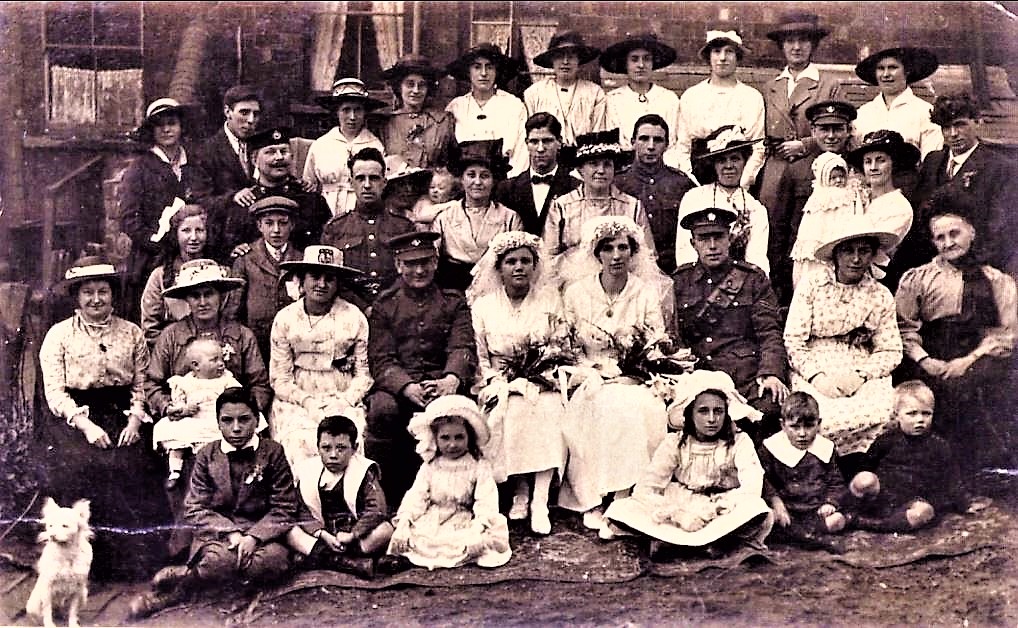
Fanny grew up in the large Woolford family and by the time of the 1881 census she was described as William and Frances’s daughter, because by then that was how she was regarded. Was she ever made aware of the circumstances of her birth? Did she know that Ellen was her mother or did she believe her to be her elder sister?
And what about Elliot who in his diaries recorded the facts of his life, work and those of the community who lived in Hook. What did he know of Fanny, four years his junior, the little sister with whom he grew up? Perhaps everyone knew the facts of Fanny’s birth and it really didn’t matter, which is how things are today.
Fanny married Edward Harry Matthews, a drilling machinist in the GWR Works, in the summer of 1898 and by 1901 they were living at 54 Exeter Street. They had two sons, Leslie and Edward.
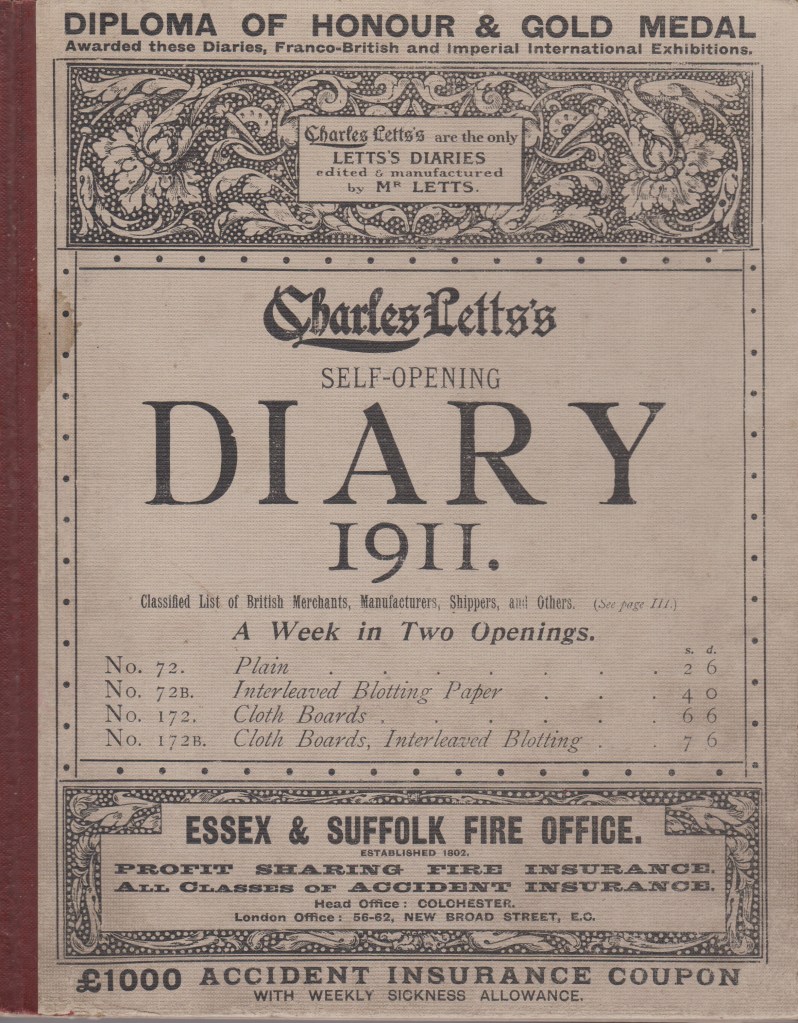
On Friday March 10, 1911 Elliot makes his usual weekly visit to Swindon, selling eggs and butter at the market and buying his weekly provisions. He writes in his diary:
‘I went to 65 Ponting St and saw Mrs H. Matthews gave her a rabbit and some rhubarb.’
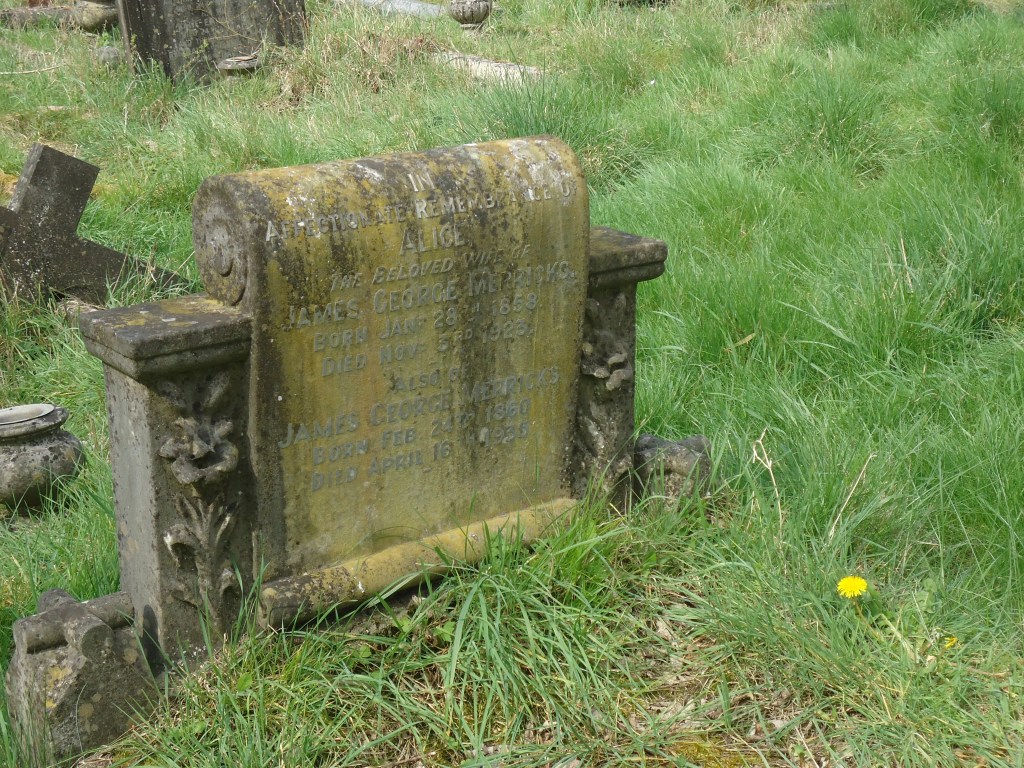
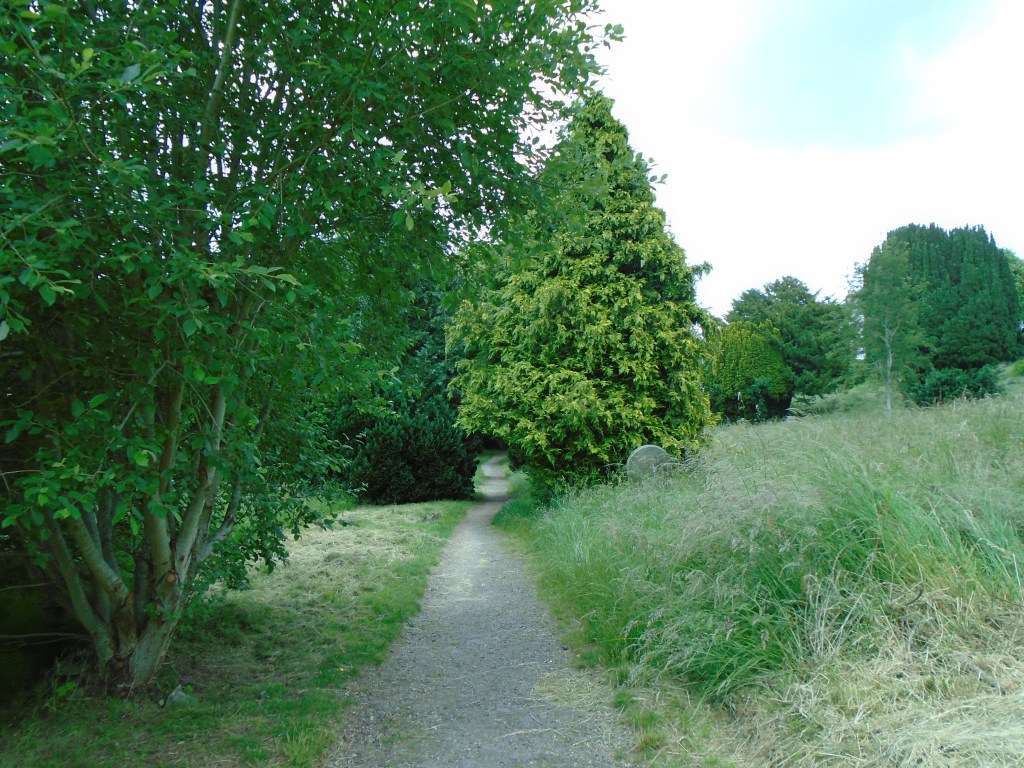
Fanny Ireland Matthews died at her home in Farnsby Street in December 1925. She was buried in Radnor Street Cemetery on December 22, in grave plot D621. Her husband Edward Harry Matthews died in December 1936 and was buried with Fanny on December 22, the anniversary of her funeral eleven years previously.
There are several volumes of Elliot Woolford’s diaries transcribed and available to read on the Friends of Lydiard Park website and I am working on a book about Elliot, Hook Farm and the parish of Lydiard Tregoze.








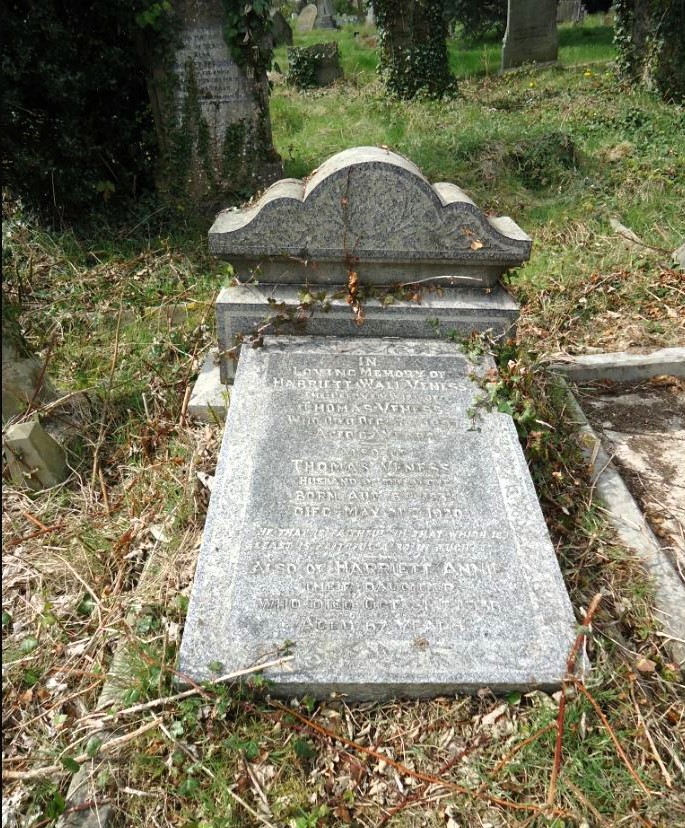


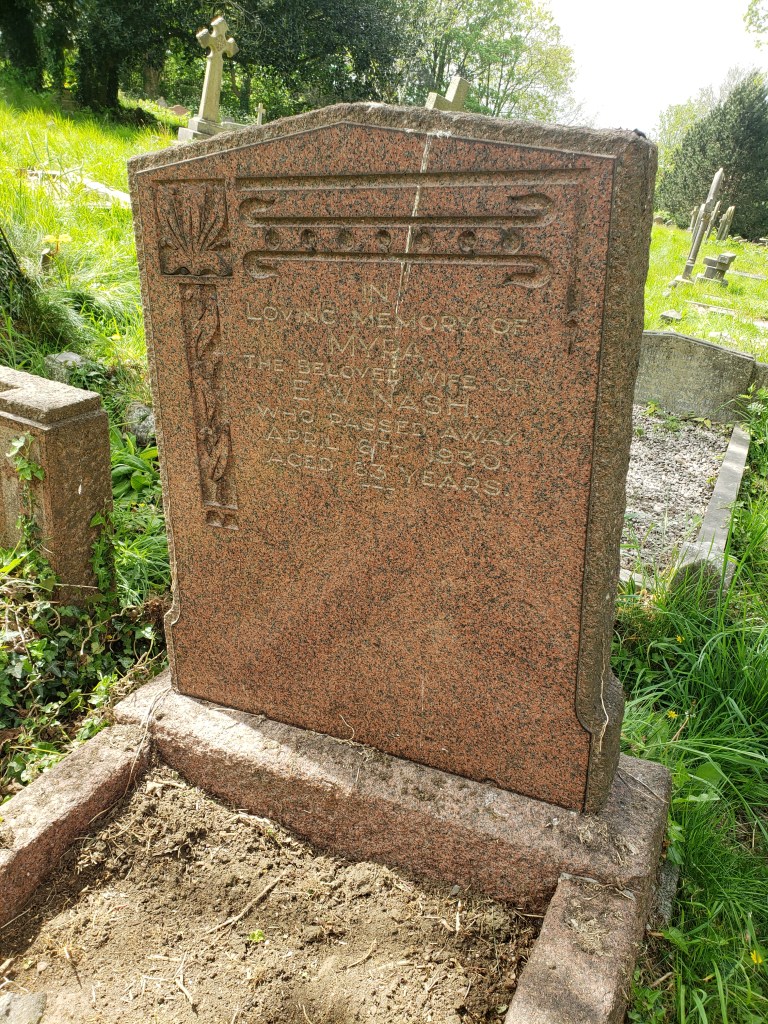
 Radnor Street Cemetery