During more than 100 years in business, Pakeman Brothers advertised themselves as a Civil and Military Tailor, which is hardly surprising!
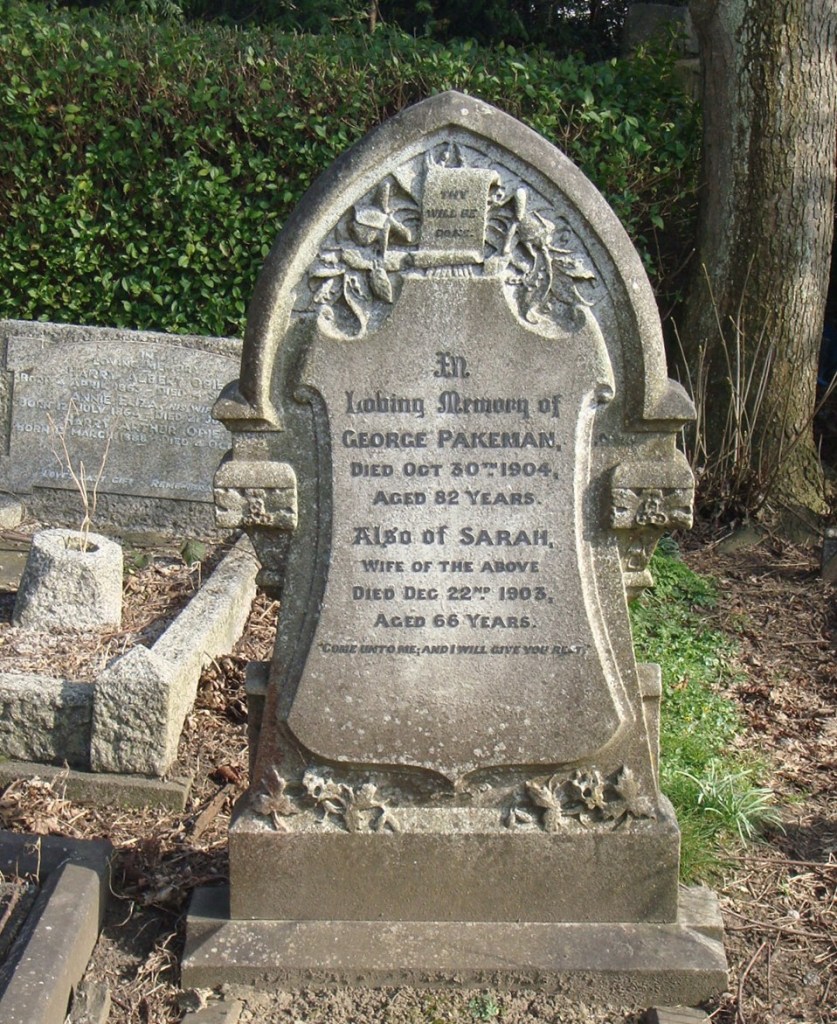
Founder George Pakeman was born in Uxbridge, Middlesex in 1822, the son of John, a tailor, and his wife Jane Pakeman. He followed his father into the tailoring business, but not the family firm. In 1859 he married Sarah Philpott and by 1863 the couple had moved from Canterbury, Kent and set up in business at 22 High Street, Old Swindon.
But prior to that George can be found on the 1851 census as ‘Master Tailor in the Regiment’ at Ashton Barracks, Hartshead, Ashton Under Lyne, Lancashire. However, it was only when I searched for George’s obituary that I discovered the full extent of his military career.
The remains of Mr George Pakeman, one of Swindon’s Crimean veterans, were on Wednesday interred in the Cemetery, Swindon. Deceased, who had served in the trenches before Sebastopol, and had been engaged at the battles of Alma and Inkerman, left the army with the rank of sergeant, after having acted for about ten years as master tailor in the depot of the 50th Regiment at Canterbury.
The Western Daily Press, Bristol, Thursday, November 3, 1904.
George died at his home (appropriately named Inkerman) 129 Goddard Avenue, on October 30, 1904. He was buried on November 2 in grave plot E8617 joining his wife Sarah who died the previous year.
This newly discovered history reveals George Pakeman as a member of the growing number of recently located Crimean veterans buried in Radnor Street Cemetery.
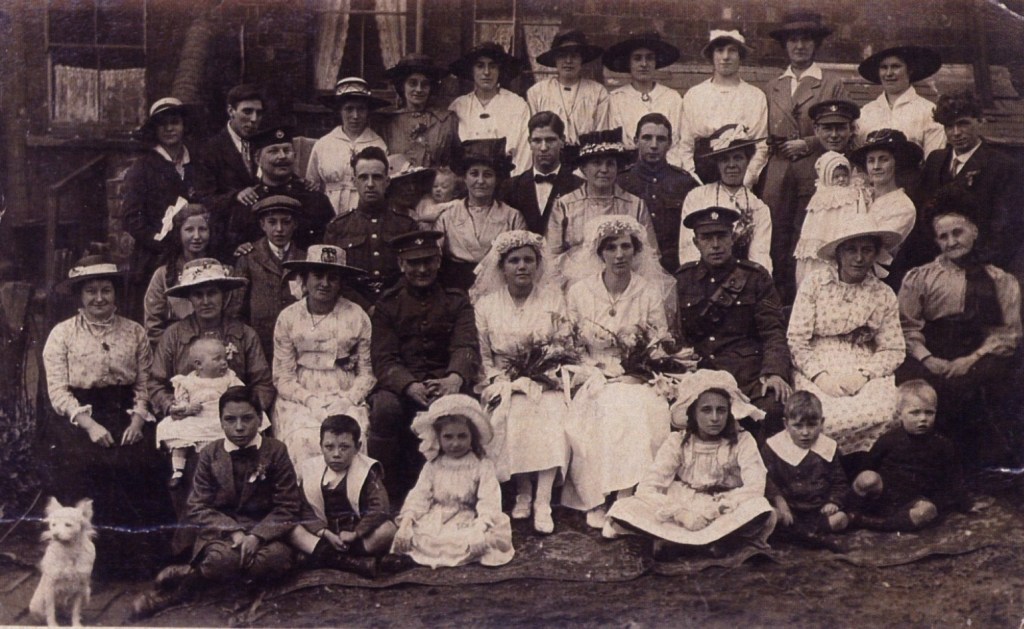
There are two surviving photographs taken that day and in each of them our Elsie looks so sad. You shouldn’t look sad in your wedding photographs – I keep thinking. People say it’s the happiest day of your life. And she looked so beautiful as well.
It was a proper family wedding. All the aunts and uncles were there and three little babies. My was little Joyce noisy, and would she keep her bonnet on? Granny’s dog was better behaved!
Six men in uniform were there that day, including the two grooms. Bert came home, but Elsie lost him anyway. Perhaps she already knew that then, on the happiest day of her life.
The facts …
Herbert Frederick Marfleet, the son of Benjamin James Marfleet a sergeant in the 2nd Dragoon Guards, was born in the Punjab in 1891. By 1901 the family had returned to England and Benjamin was working as a Railway Shop clerk in the GWR Works. On leaving school Herbert followed his father into the railway factory as an apprentice coach finisher.
In 1915 Herbert joined the Royal Army Service Corps serving first in Egypt. In 1917 he briefly returned home to Swindon to marry his sweetheart Elsie Morse. Elsie was the eldest of William and Agnes Morse’s seven children. By 1911 Elsie’s father had died and Elsie, aged 18, was working as a finisher in a clothing factory. This could have been either Cellular Clothing in Rodbourne or John Compton’s in Sheppard Street. The family lived at 4 Albion Street where these wedding photographs were taken in the back garden in 1918 when Elsie and her sister Agnes married in a double wedding. Agnes’ bridegroom was a Canadian by the name of Hooper Gates. Hooper survived the war.
Immediately after the wedding Herbert returned to his regiment in Salonika where he contracted malaria. He was discharged from the army and returned to Swindon in the spring of 1919 but died just a few weeks later.
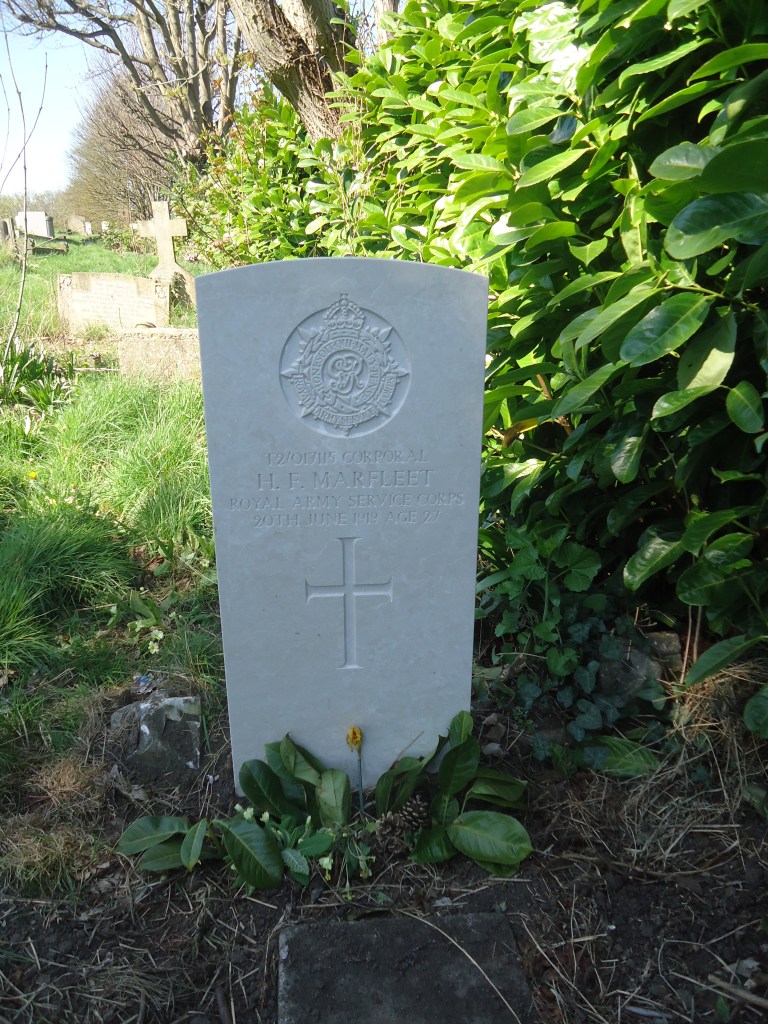
It was at first thought that he lie in an unmarked grave in the cemetery but it was later discovered that he was buried with his aunt and uncle, Matilda Hammett and Edward Johnson. He was, however, entitled to a Commonwealth War Graves official headstone as his death was a direct cause of his military service. The official application process began in May 2011 and the headstone was erected in June 2015. Guest of honour at the dedication ceremony was 98 year old Joyce Murgatroyd, his only known living relative, who as a baby is pictured in the wedding photograph.
A career in the modern armed forces offers today’s young people a wide range of opportunities, and perhaps it was ever thus. When 18 year old farm labourer Frederick John Kent enlisted in 1906 did he take stock of his life and decide he wanted more – wanted to do more, see more?
Frederick John Kent was born in Blunsdon St. Andrew in 1888, one of the younger of Thomas and Ann Kent’s ten children. Thomas worked as a farm labourer and shepherd and Frederick looked destined for a life on the land as well, until he decided to join the army.
After six months training, which included a gymnastic course, his physicality had improved considerably. He stood 5ft 4½ ins and had gained 19lbs in weight. It would be another 18 months before he was posted overseas, first to India where he served for a year and 12 days and then Africa where he spent more than 3 years.
On September 4, 1914 Frederick returned home following Britain’s declaration of war on Germany on August 4. On October 6 he arrived in Belgium as part of the British Expeditionary Force (BEF). An experienced soldier with eight years’ service, he was involved in the first bloody Battle of Ypres during which British losses numbered more than 54,000 killed, wounded and missing. After just 18 days of fighting in atrocious weather conditions, Frederick was taken prisoner of war. He would spend 4 years and 32 days in a German prisoner of war camp Kom 2, Lager 1, Munster.
Frederick was repatriated in November 1918 and his medical records state:
“Was taken prisoner of war in 1914 at Ypres with the 2nd Wilts. Whilst prisoner suffered from hardship & starvation.” He was declared 80% disabled, suffering from valvular disease of the heart (V.D.H.). He looked ‘old and feeble – rather depressed.’ He was 31 years old.
Frederick died at Bath Hospital on March 15, 1920 and was buried in Radnor Street Cemetery in grave plot A2539 on March 20. He remained alone in this plot until the death of his sister Ada Townsend who was buried with him on November 16, 1950 followed by her husband Albert Henry Townsend who died ten years later.
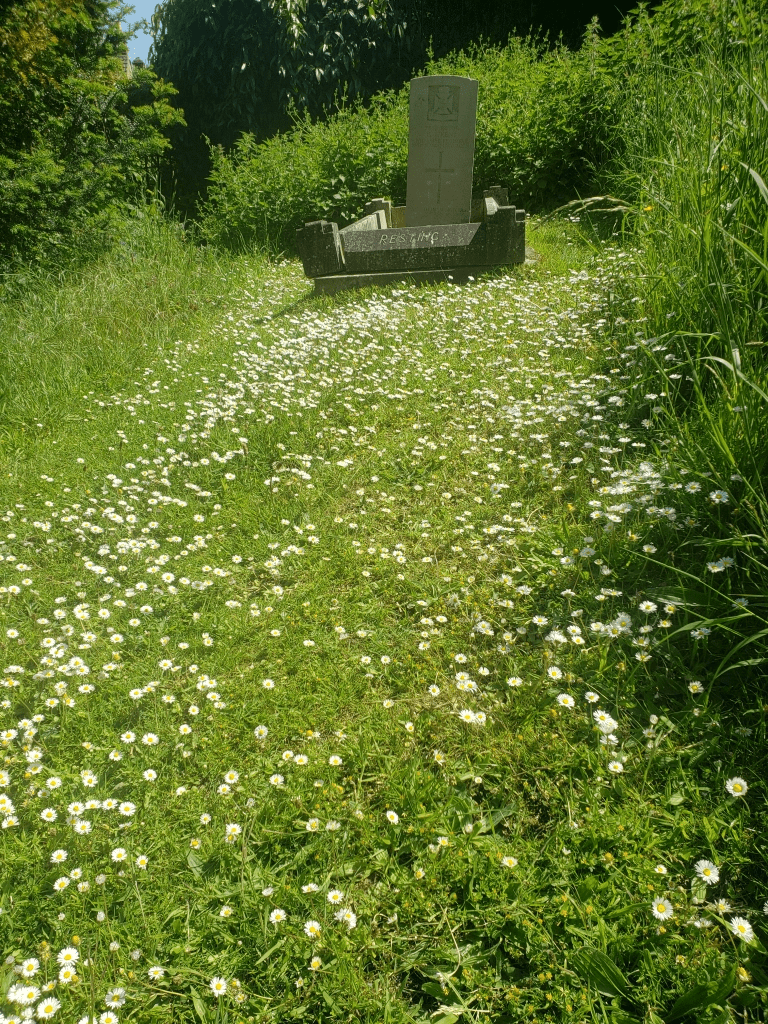
This war grave is one of the many maintained by our group of dedicated volunteers. In the summer months a carpet of daisies is spread before the grave.
Image of funeral account kindly provided by A.E. Smith & Son, Funeral Directors.
When William ‘Wally’ Richardson died suddenly in 1911 he was known to have a collection of football memorabilia including his own medals and team photographs of Swindon Town FC. Wally’s football career as left back with Swindon Town began in 1890/1 and spanned the teams’ transition from an amateur club to a professional one in 1894/5.
William ‘Wally’ Richardson was born in Edinburgh in 1869 and came to Swindon in around August 1889 – not as a professional footballer but as an engine fitter and a job in the GWR Works. At the time of the 1891 census he was lodging with Charles E. Chappell and his family at 17 Marlborough Street and was already playing with the Swindon team.
The 1911 census taken shortly before Wally’s death records him living at 8 Marlborough Street with his wife Kate. The couple had been married for 20 years. Sadly, two of their three children had died in childhood.
On Wednesday afternoon the mortal remains of the late Mr William Richardson, who was a popular member pf the Swindon Town F.C. in the old amateur days, and for the first few seasons after the Club embraced professionalism, were interred at the Swindon Cemetery amidst many tokens of sympathy and respect.
“Wally” Richardson, as he was known to his intimates, was by birth a Scotsman, and it was in his native City of Edinburgh that he served his apprenticeship as a fitter. Twenty two years ago last May he came South, and after working for the GWR Co. at Newton Abbot, until August of the same year, he was transferred to Swindon. As soon as he came to the railway town, Mr Richardson commenced playing for the Town Football Club, and very soon made himself indispensable to the team in the left full-back position. Wally Richardson’s first season with the Club commenced in 1890, and when the Club became a professional Club, he signed forms for them and continued playing for several seasons. It was exactly 19 years ago, last Easter that “Wally” went down to Warminster to play in a six-a-side contest for a silver shield. The Swindon party won the shield, and, if we remember rightly, the trophy was given to the Swindon Schools’ League to be played for annually by the boys. Mr. Richardson had a most interesting collection of photographs of Swindon football teams for various seasons, and the medals won in his favourite pastime. Everybody regarded “Wally” as an excellent sportsman in the best sense of the word, and his rather sudden death on Saturday, after an attack of dropsy, will be regretted by a large following of friends.
Extracts from the Swindon Advertiser Friday July 7, 1911.
William ‘Wally’ Richardson was buried on July 5, 1911 in plot E7317, a grave he shares with his daughter Daisy who died in 1903.
In 1911 three of the Chambers uncles lived in Stafford Street; people used to jokingly call it Chambers Street. Actually, there is no Chambers Street in Swindon. Funny that really when you think how many other builders had streets named after them.
William Chambers lived and worked as builder and funeral director in the end house in Ashford Road, the one with the Calvary cross in the brickwork. You can still see it now, and the silhouette of the shop sign.
Sam, William’s youngest son took over the business when his father died. I suppose that’s pretty unusual when you think about it. You’d expect the eldest son to take over usually. After the war there were few elder sons left to carry on the family businesses.
Sidney was working in the business as a 15-year-old polisher. We all ended up working for one of the uncles. As kids there were always errands to run, materials to move, digging, sweeping. Uncle Sam could always find you a job to do although none of us liked helping in the funeral parlour.
My dad talked a lot about Sidney. They had grown up together, worked together, served together. They both came home. Dad unscathed, that is if you didn’t count the nightmares and the terrifying rages that so frightened us kids. Sidney only got as far as Devonport Hospital where he died on October 14, 1918.
Uncle Robert and Aunt Kate never got over his death. Some parents blamed the Hun, some blamed the government. Others blamed themselves.
It’s barely ten years since the war ended and sometimes it seems like yesterday. Some scars never heal. But those who died will always be remembered, well by my generation at least they will. It remains to be seen if those that follow will. Will anyone remember Sidney a hundred years from now?
The facts …
Sidney William T. Chambers was born in Swindon in 1895, the eldest of Robert and Kate Chambers’ four children.
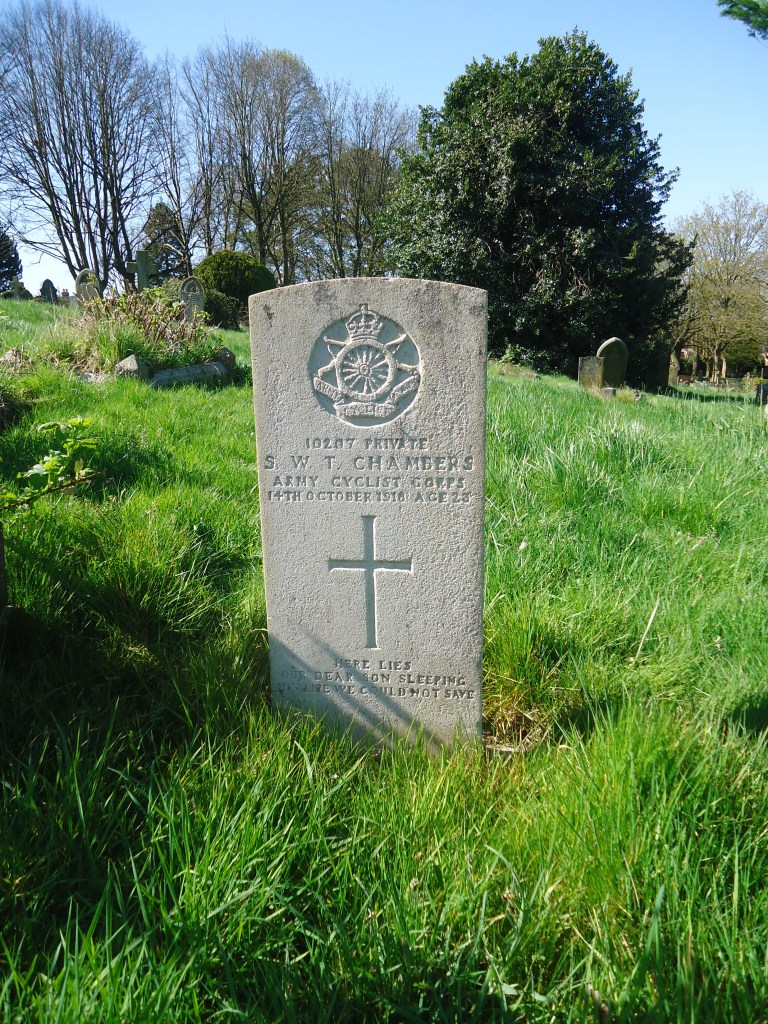
He served first in the Cyclist Corps, later transferring to the Labour Corps. His military records do not survive.
Sidney died at Devonport Hospital on October 14, 1918. He was 23 years old. His funeral took place at Radnor Street Cemetery on October 19 and he is buried with his father and three other family members in plot C1052.
The inscription on the Commonwealth War Graves headstone reads:
Continuing a series of articles in remembrance of Swindon’s sons who served in two world wars.
Frederick Clarence Whatley was buried in Radnor Street Cemetery on October 16, 1918 but when I discovered his cause of death it raised many questions.
Frederick was born on February 8, 1899, the second son of William George Whatley, a cost clerk in the GWR Works, and his wife Emily, and grew up in the Broad Green area of Swindon. Frederick started work as a Machine Operator in the Locomotive Department of the Works on April 30, 1913, transferring to the Carriage and Wagon Works on February 21, 1914.
Frederick joined the Royal Navy in July 1917 and was assigned to HMS Campania, a seaplane training and balloon depot ship. In March 1918 he was transferred to the RAF and served at No 1 School of Navigation and Bomb Dropping (Stonehenge) as a 3rd Class Air Mechanic.
Frederick died in a diabetic coma on October 12, 1918 at the Fargo Military Hospital. He was 19 years old.
Although diabetes was identified in the 17th century, no effective form of treatment was available until the discovery of insulin in the 1920s. Two Canadian scientists, Frederick Banting and John Macleod, were awarded the Nobel Prize in 1923 and there were many others experimenting on a treatment around the same date. Diabetes is a condition that remains a bar to military service today.
Did Frederick know he had diabetes? Was his condition recognised in 1917 and if so how did he pass a medical? Unfortunately his military records do not survive. The CWGC records state that he died from a chill and family history researchers once believed he died in a flying accident, however, his death certificate tells the true story.
Frederick is remembered on a memorial plaque that was once displayed in the Carriage and Wagon Works and now hangs in Steam Museum.
He is buried in a family grave in Radnor Street Cemetery.
I never knew my two cousins Charles and Walter Hughes. I was born nearly twenty years after they both died in the Great War. In our family it felt as if the war never really ended. My gran lost four grandsons, boys she had helped to raise. Families were close in those days.
After the war, how did the families carry on? How did they pick up their lives with an empty place at the table and unslept beds in the back bedroom? A best suit hanging in the wardrobe; boots in the passage way. Family photographs where a pictured son, sometimes two, are forever missing. How did siblings feel, growing up, growing old, living years of which a brother was robbed?
Gran kept photographs of her boys on the mantelpiece for the rest of her life. I often wonder what happened to them after she died. No doubt one of my aunties took them. One thing I can guarantee, they will still be in one of the family homes, their names remembered once in awhile.
The facts ….
One Rodbourne family lost two sons in the First World War. Albert and Minnie Hughes lived all their married life in the streets alongside the railway factory, raising four sons and a daughter.
Their third son, Charles Normandale Hughes, was a driver with the Royal Field Artillery. He died on December 3, 1918 in Manchester. He was 19 years old. His war records are lost. His grave in plot D192 in Radnor Street Cemetery is marked by an official Commonwealth War Graves headstone.
Charles is buried with his parents and another family member E. Hughes, most probably a cousin. In 1995 the cremated remains of his sister Muriel May were interred in the grave. Muriel was just four years old when war broke out and claimed her elder brothers. She was 84 years old at the time of her death.
Albert and Minnie’s eldest son Walter George David Hughes joined the 97th Field Company Royal Engineers and was killed in action on June 26, 1916. He was 23 years old. He is buried in the Ville Sur Ancre Communal Cemetery.
Charles and Walter’s names appear on the Roll of Honour, now on display in the Civic Offices in Euclid Street. For nearly 100 years it hung in the old Town Hall and for many of those it remained hidden behind curtains after the building became used as a dance studio.
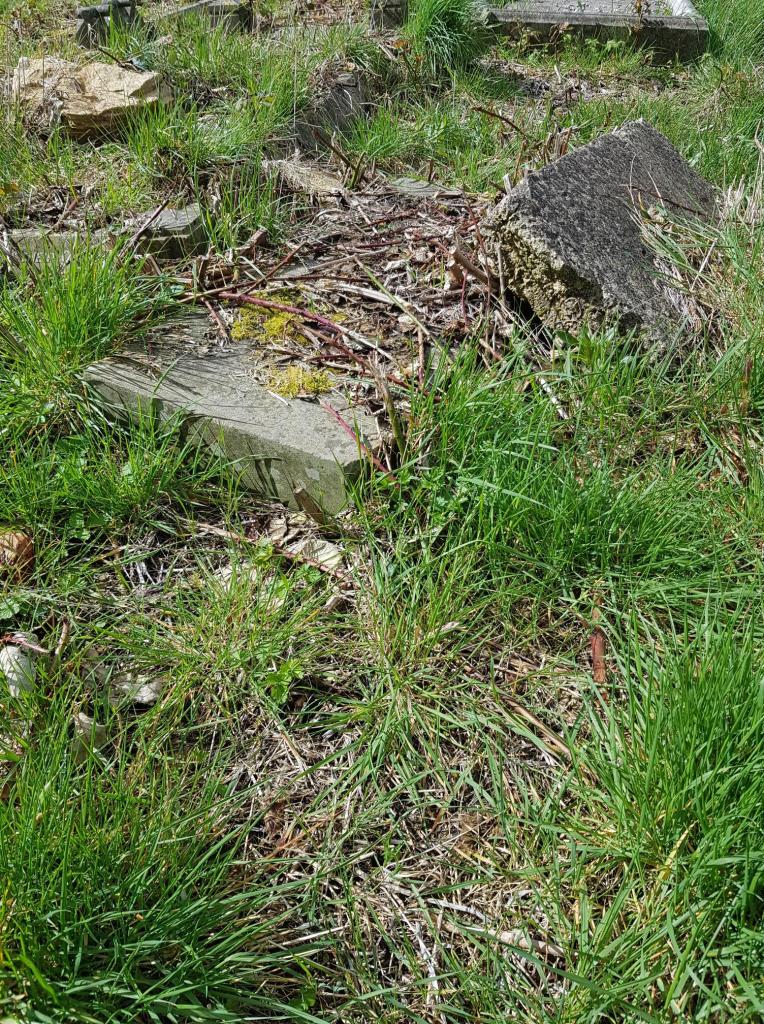
Charles received an official Commonwealth War Graves headstone and the Hughes family remembered their other lost son Walter on their own grave in Radnor Street Cemetery. Sadly, until recently the kerbstone memorial had lay discarded in nearby bushes. Radnor Street Cemetery war graves volunteers Jon, Dave and Brian have recently reunited the kerbstone with the family grave.
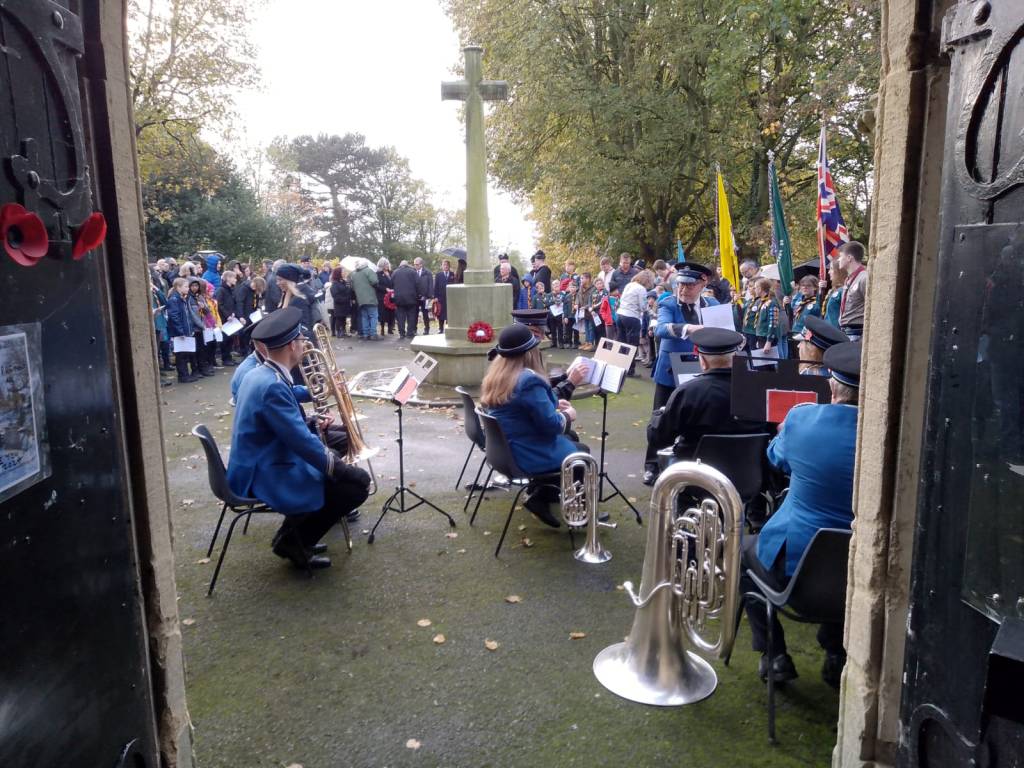
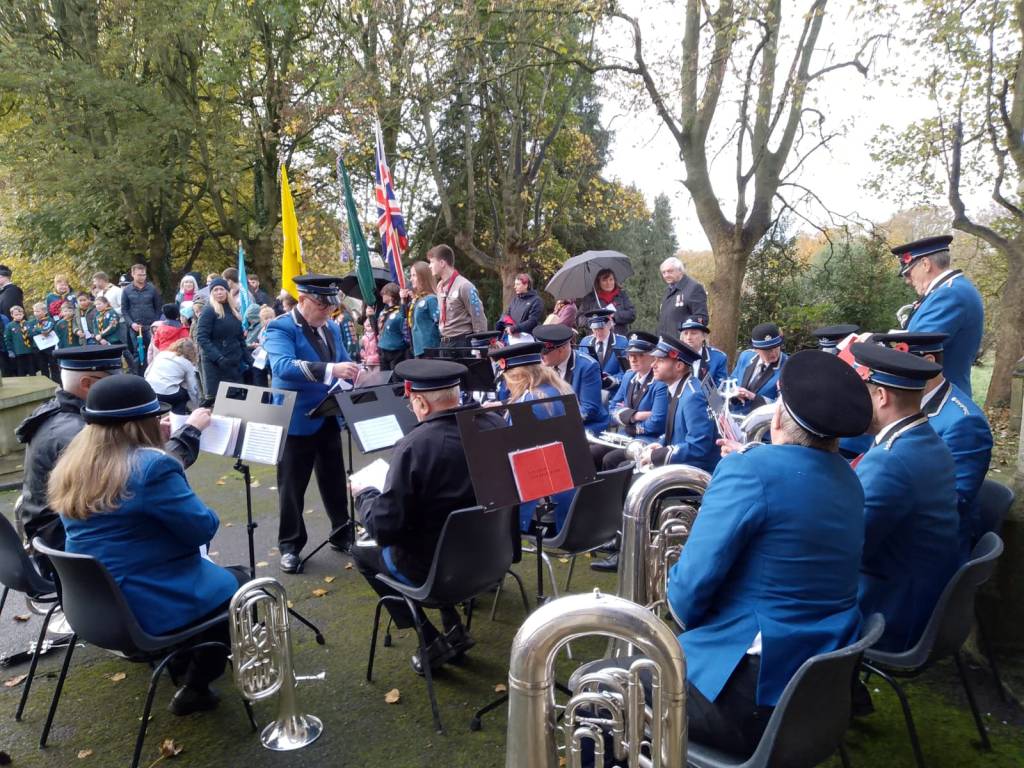
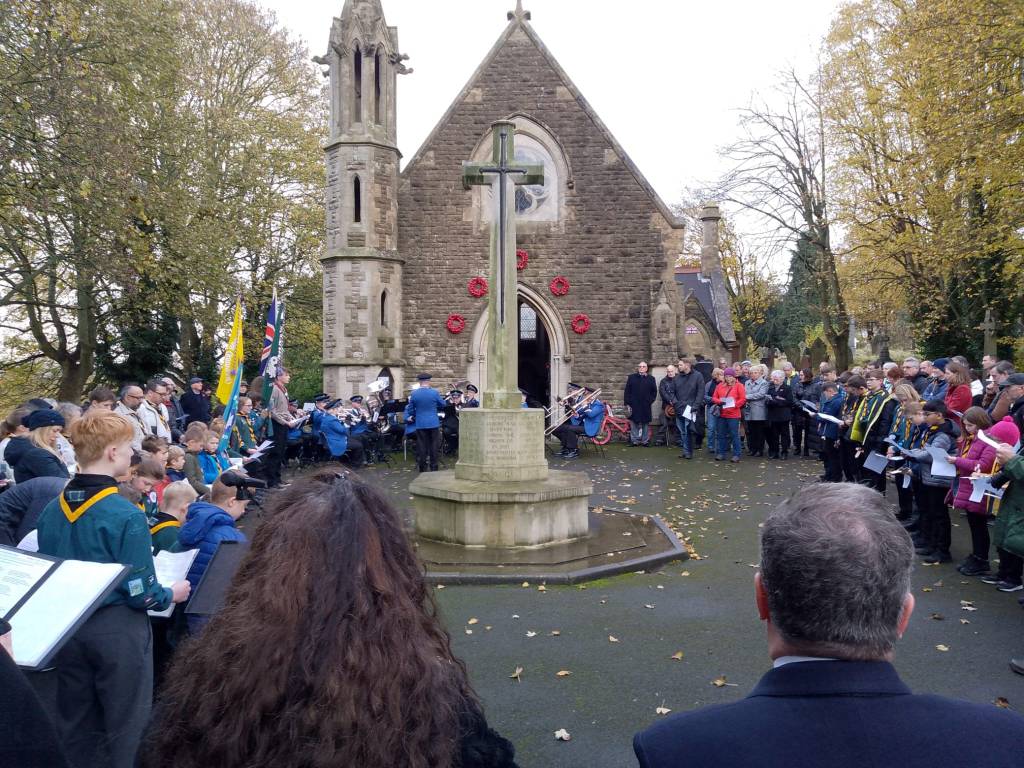
Join us today at 2 pm for a Service of Remembrance at the Cross of Sacrifice in Radnor Street Cemetery. During the service a plaque will be unveiled dedicated to Mark Sutton.
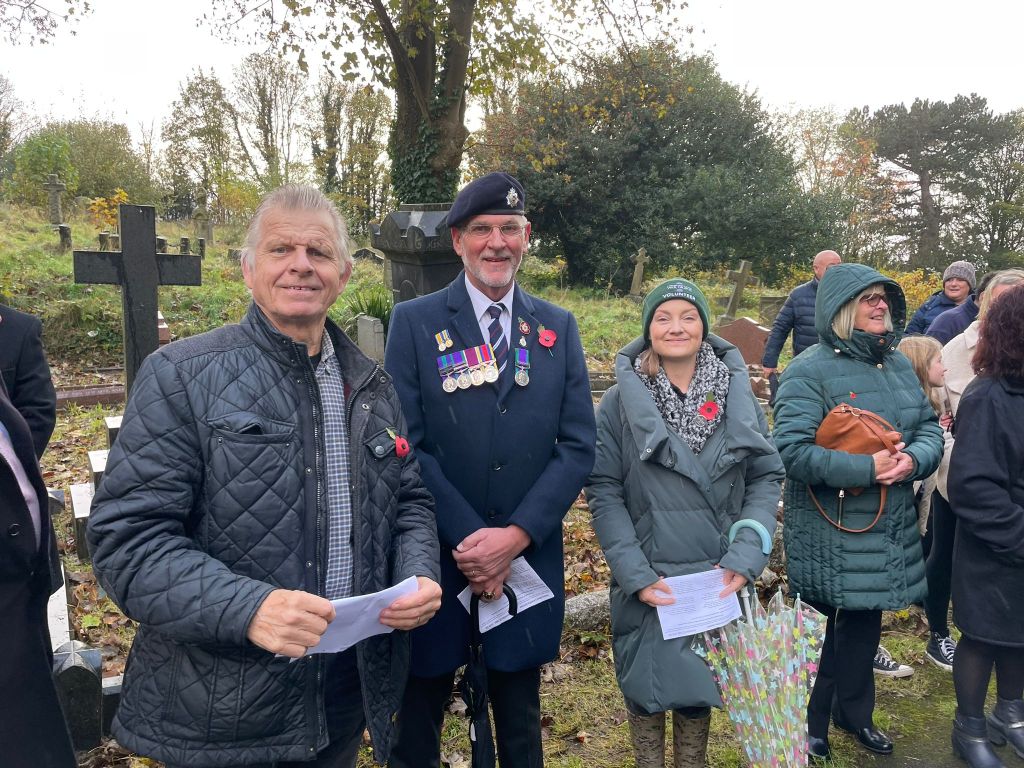
Join us tomorrow (Sunday November 12 at 2 pm) for a Service of Remembrance in Radnor Street Cemetery when we will commemorate all those who have died in war and as a result of their military service. We will also be unveiling a plaque dedicated to Mark Sutton.
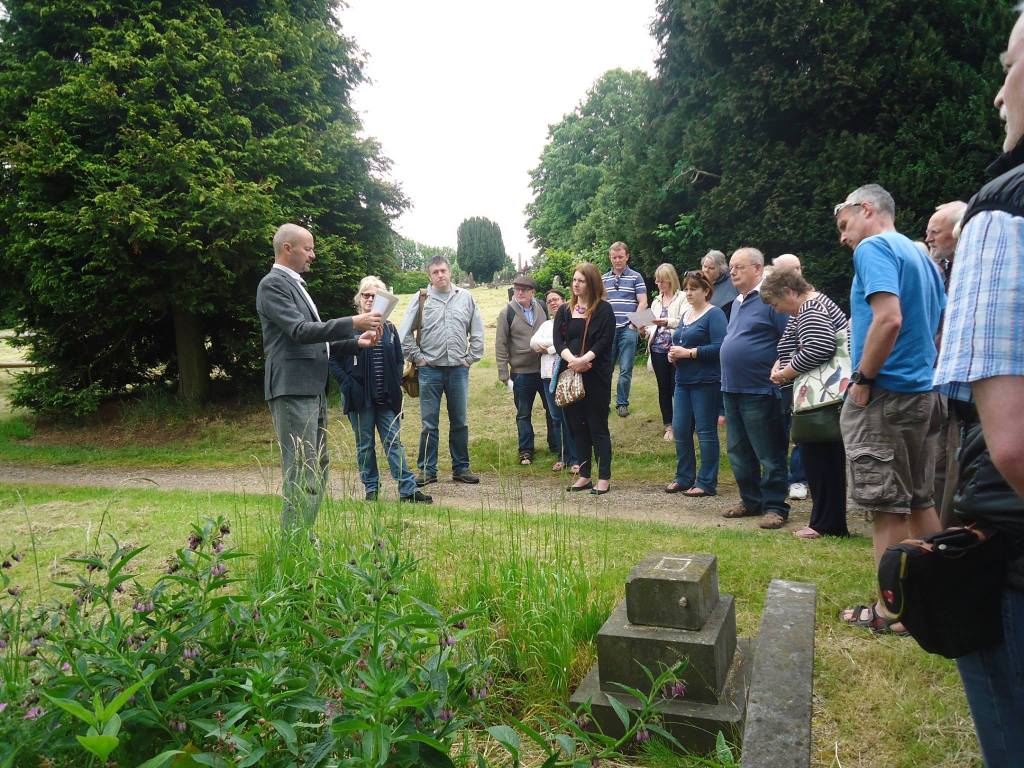
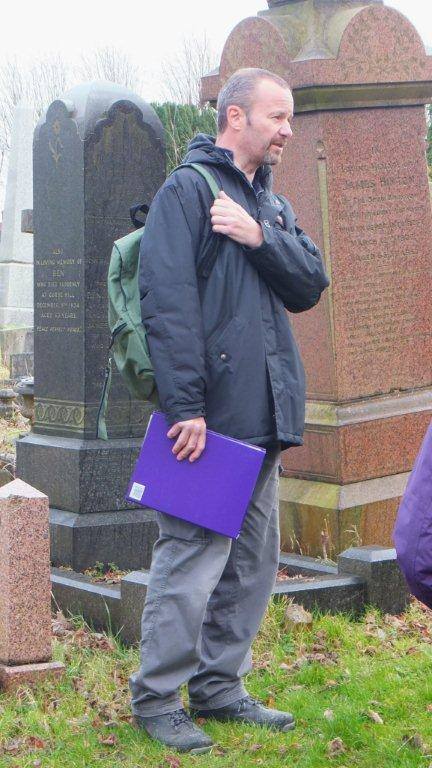
Radnor Street Cemetery was a very special place to Mark. For many years he conducted guided walks around the war graves, remembering the Swindon men who served in the Great War.
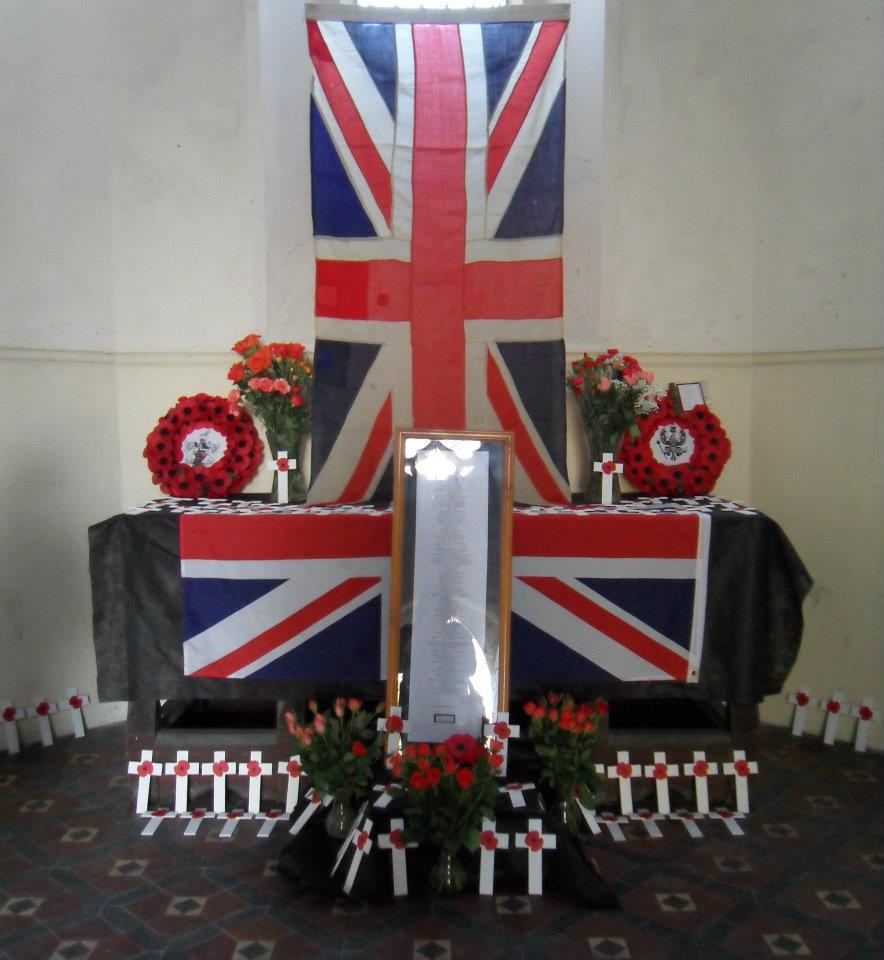
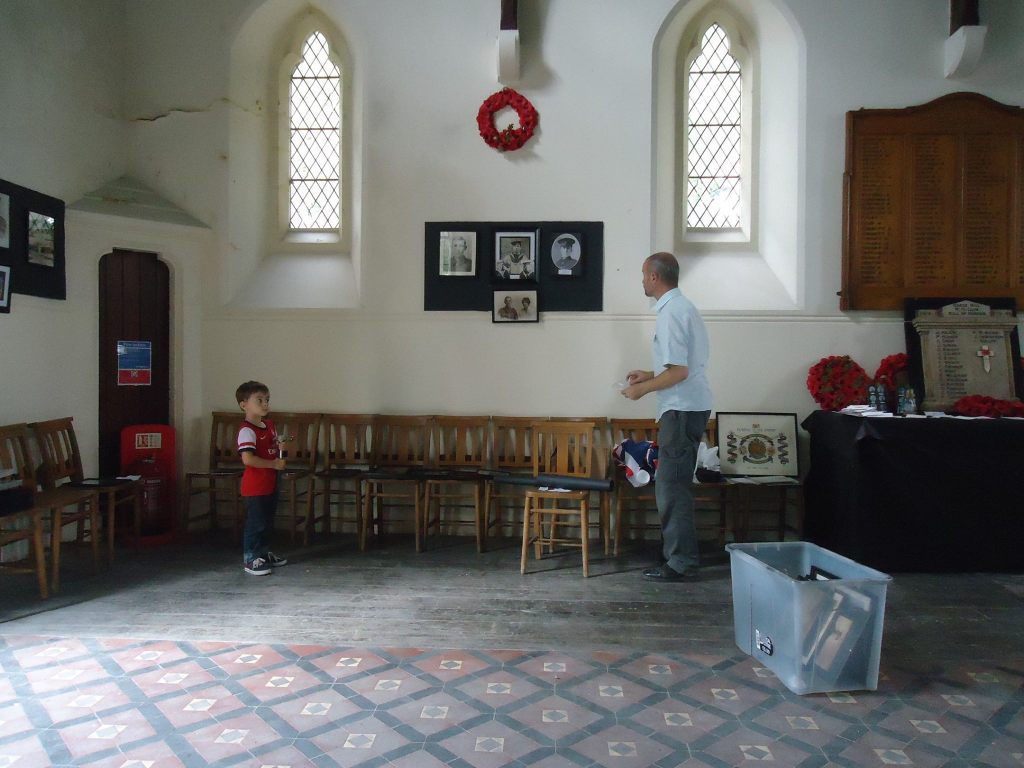
He organised the Remembrance Day Service at the cemetery conducted first by his father Dennis and later by the clergy from St. Marks, and he maintained the cemetery chapel where he saw the installation of several memorial plaques.
Mark was an inspiration and a friend and will always be remembered here at Radnor Street Cemetery.
Mr King held a whole school assembly the day the news was published. William Hall had been awarded the DSM, the Distinguished Service Medal for Honours for Services in Action with Enemy Submarines.
William Hall hadn’t been a pupil at Jennings Street School. By the time the school opened he was working as an Engine Fitter ‘inside.’ It was this job that made him ideally suited for the role of Engine Room Artificer.
We all knew the Hall family. They lived at 77 Jennings Street. My auntie lived opposite them at number 4. Everyone knew everyone in Rodbourne in those days. We all shared in the glory of one of our own being so honoured.
Less than a year later we all mourned his death as well. He wasn’t killed in battle. To expect another act of heroism from one man would be too much. William Hall died of pneumonia and pleurisy – another form of drowning, only not at sea.
Perhaps Mr King held another assembly. I don’t know, I had left school by then and was waiting to start my own apprenticeship in the Works. I was too young to serve, much to the relief of my mother.
By 1918 everyone knew of someone who had died in the war. It was like that in Rodbourne. But not everyone knew someone who had won the DSM.
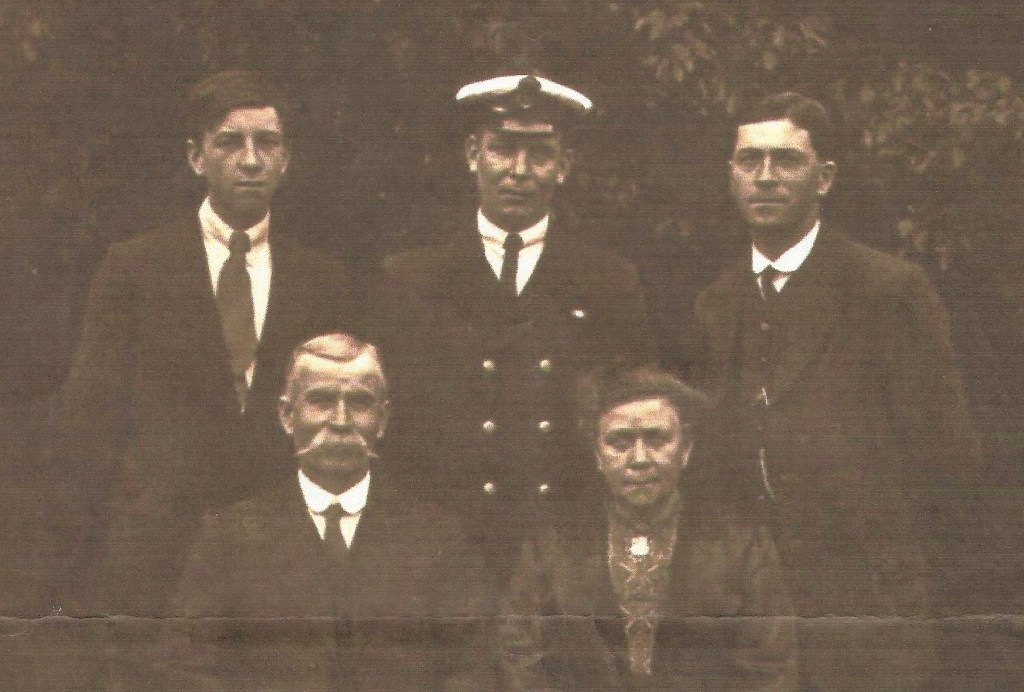
L to r Thomas Redvers Hall, William Jasper Hall and Frederick Charles Hall. Seated are their parents William Charles and Sarah (nee Kingdon) Hall.
The facts …
William Jasper Hall was born on November 6, 1888, the third child and second son of William Charles Hall and his wife Sarah. At the time of the 1891 census the family were living a 30 Jennings Street, Rodbourne on the very doorstep of the Great Western Railway Works.The family continued to live at various houses in Jennings Street.
William Jasper followed his father into the Works, entering the GWR Employment and a 7 year Fitters apprenticeship on his 14th birthday, November 6, 1902.
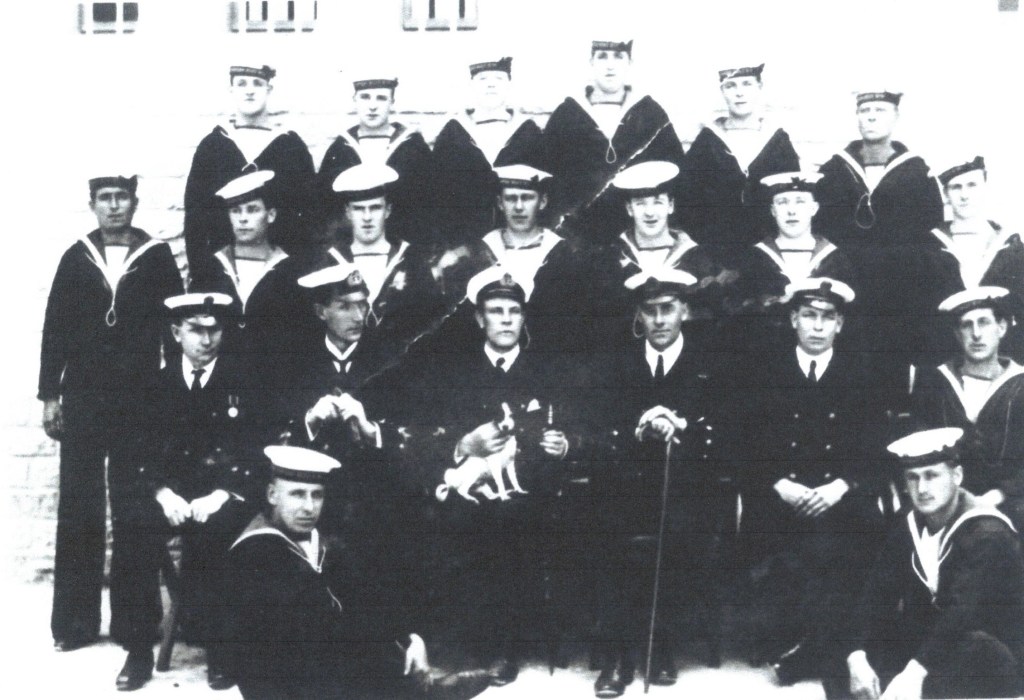
He enlisted in the Royal Navy on March 20, 1916 and completed his training period on the Victory II as an ERA (Engine Room Artificer) on April 28, 1916. His character and his ability were both described as Very Good.
William Jasper Hall seated second on right
His naval records reveal that he served on HMS Cormorant, a receiving ship at Gibraltar where he joined the Freemasons at the Masonic United Grand Lodge in 1916.
In September 1917 William was awarded the DSM (Distinguished Service Medal) for Honours for Services in Action with Enemy Submarines.
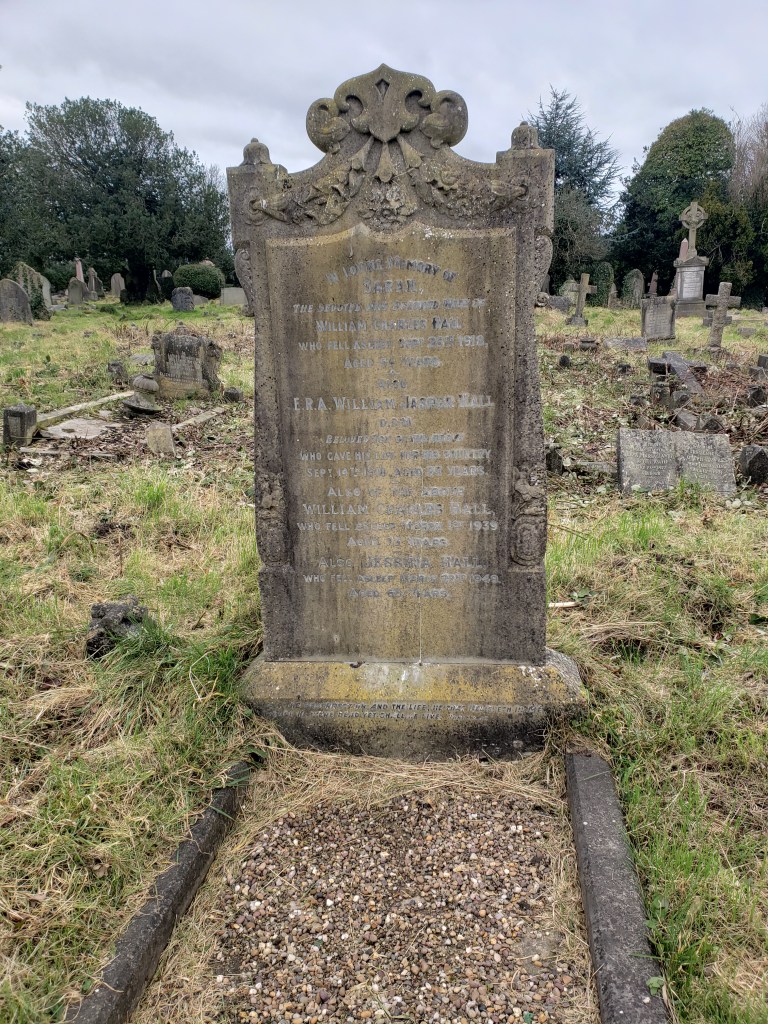
By 1918 he was back on Victory II, a shorebased depot for Royal Navy Divisions at Crystal Palace and Sydenham. From here he was admitted to the Royal Haslar Hospital in Gosportwhere he died on September 14, his cause of death pneumonia & pleurisy.
Family recollections are that William caught the Spanish Influenza with a poignant postscript to the story. His mother Sarah visited the hospital where she was able to care for her son during his final days. Sadly, Sarah contracted the ‘flu and died two weeks after her son.
William was buried in plot E7464 on September 19. His mother Sarah was buried in the same plot on September 28. William Charles Hall died in 1939 and joined his son and wife. Jessina, William Jasper’s elder sister, died in 1949 and was buried in the plot with her brother and her parents.
Family photographs are published courtesy of the Hall family.












 Radnor Street Cemetery