Radnor Street Cemetery event – May 2011

I have spent this week scrolling through the Radnor Street Cemetery archives in search of stories to tell on our next guided cemetery walk. And then up popped a memory on Facebook from May 2011.

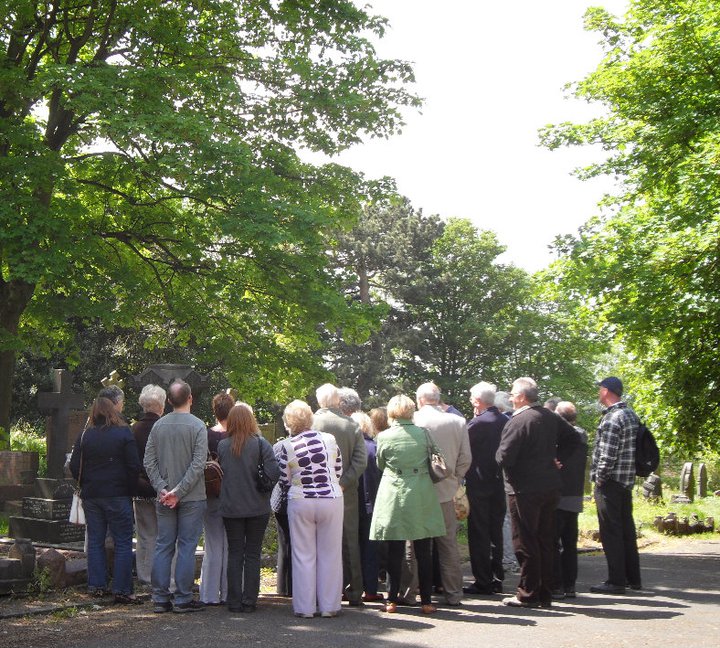
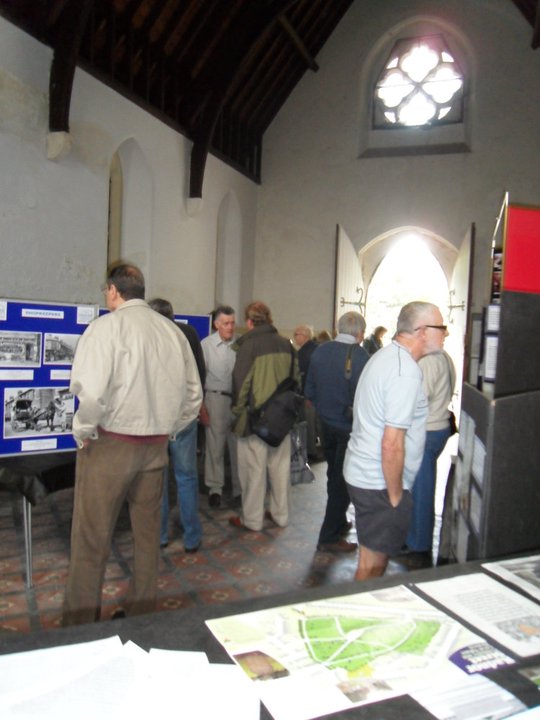
Mark and I had long established a programme of cemetery walks when I suggested holding a local history exhibition in the cemetery chapel. We fixed a date, May 21 and 22, and invited the local history groups who supported our cemetery walks to bring along a display.

I look back now and I’m amazed at how supportive and enthusiastic everyone was and how hard they worked across the two days.

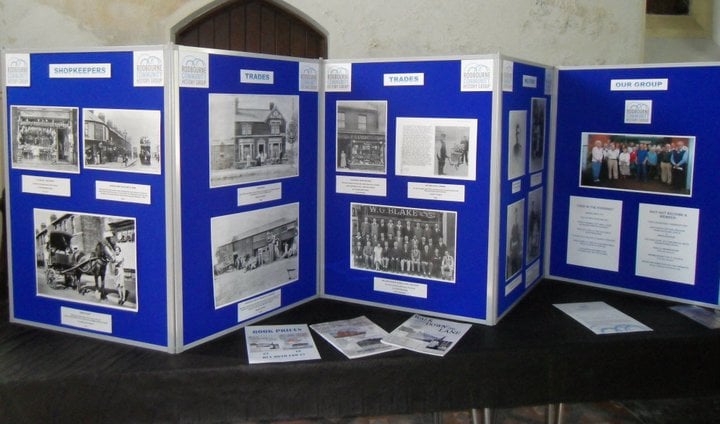
Members of the Swindon Society, the Rodbourne Community History Group, staff from Swindon Central Library Local Studies and Graham and Julie from the Alfred Williams Heritage Society all lugged their display boards, books and pamphlets up the steep cemetery incline to the chapel. Roger brought his Empire Theatre display and artist Andy Preston brought his ethereal artworks of the Radnor Street Cemetery angels. Mark and I conducted two guided walks across the two days.

Together we all shared our love of the cemetery and the fascinating history of Swindon and the people who made it a town of which to be proud. That weekend we met old friends and made new ones. We heard familiar stories retold and learned new ones. And we laughed – a lot!

As I look at the photos of that amazing weekend I am sad to see the faces of those we have lost in recent years. Bob, slight of stature but bold and brave, who we tried (unsuccessfully) to persuade to climb the old bell tower on a recce; and Mark, who told the stories of his First World War heroes, something those who heard him will never forget.

Join Andy and myself on Sunday June 1, 2025 for another guided cemetery walk. Meet at the chapel 1.45 pm for a 2 pm start.

Setting up
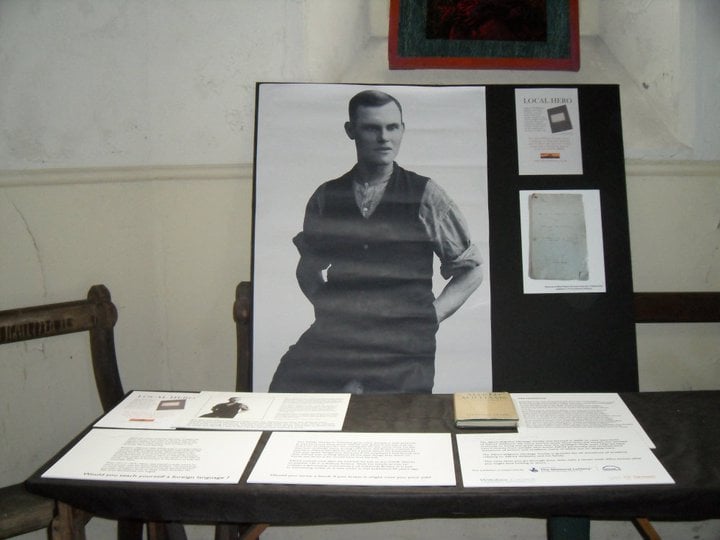
Alfred Williams Heritage Society

Artist Andy Preston

Radnor Street Cemetery display

Rodbourne Community History Group
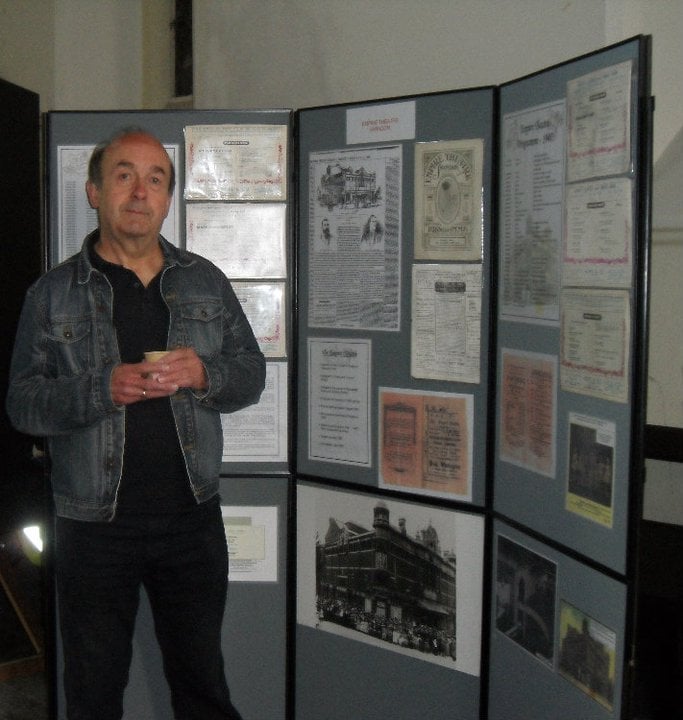
Roger and the Empire Theatre display

The Swindon Society display

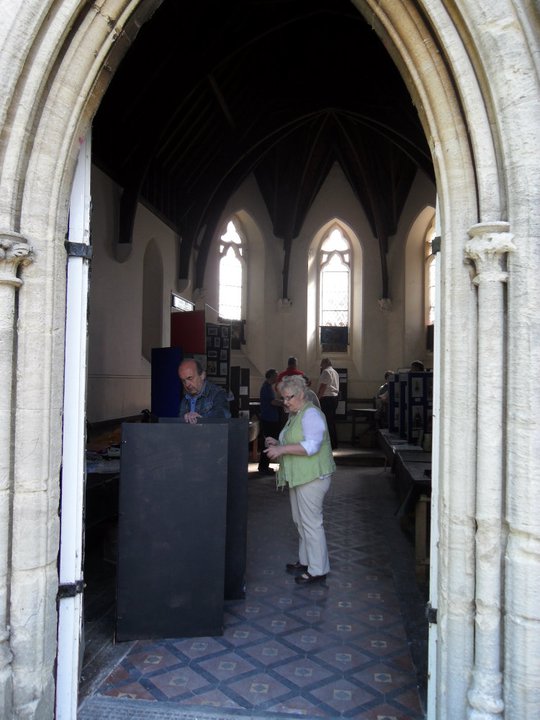
Setting up
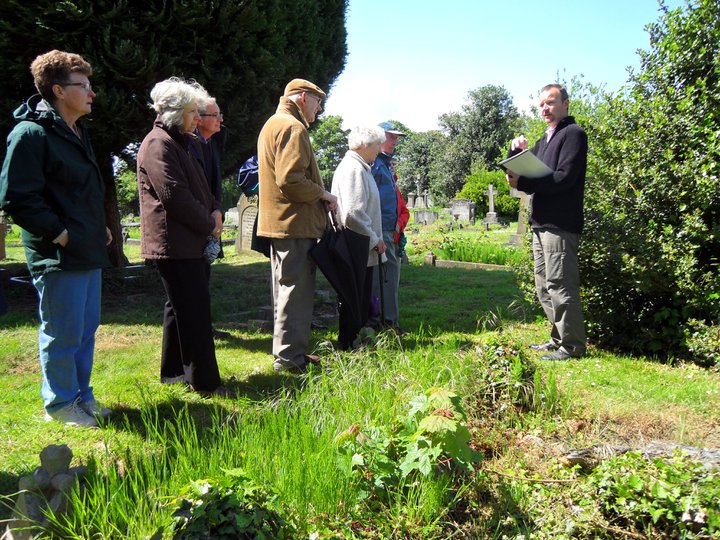
the Dream Team

Our poster for the 2011 weekend event

Call yourself a Swindonian?

Can you call yourself a Swindonian? Many an argument has ensued about how long you have to live in Swindon before you’re considered a local; 20 years, 30 years, 2 generations – or more?

Walter Rumble was born in Chieveley, Berkshire in 1864 and began his working life as a Carter Boy (a farm servant). In 1890 he married Annie Caines and by the time of the 1891 census the couple were living at 128 Stafford Street. Walter worked as a general labourer, most probably in the GWR Works where he remained for the rest of his working life.

Yesterday I met Walter’s great-grandson at the Swindon Society Open Day held at the Lawn Community Centre, Guildford Avenue. There were displays from the Society’s extensive photographic collection (including the many albums of Beaney photos) talks about Alfred Williams and Radnor Street Cemetery and more local historians on call than you could shake a stick at!

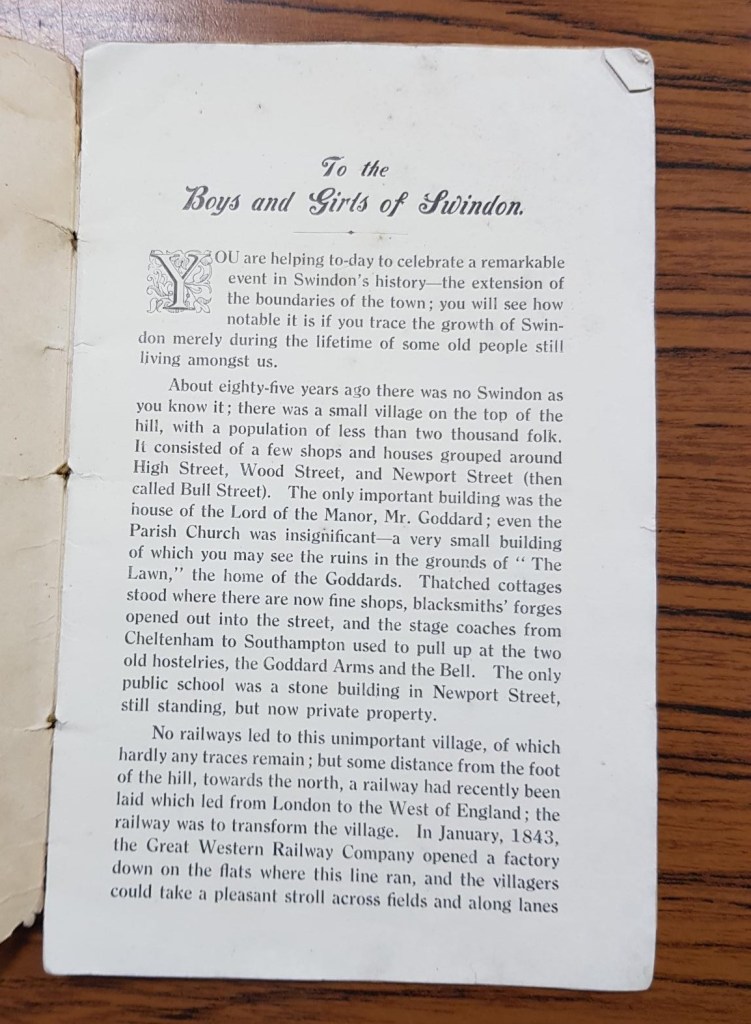
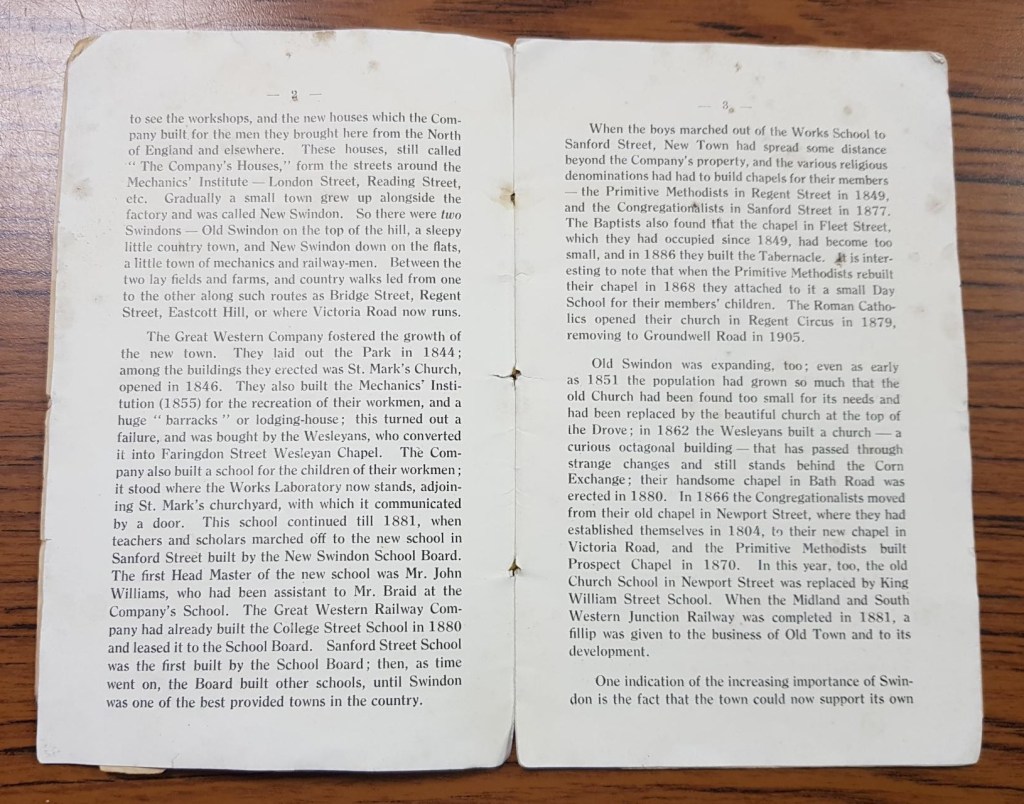
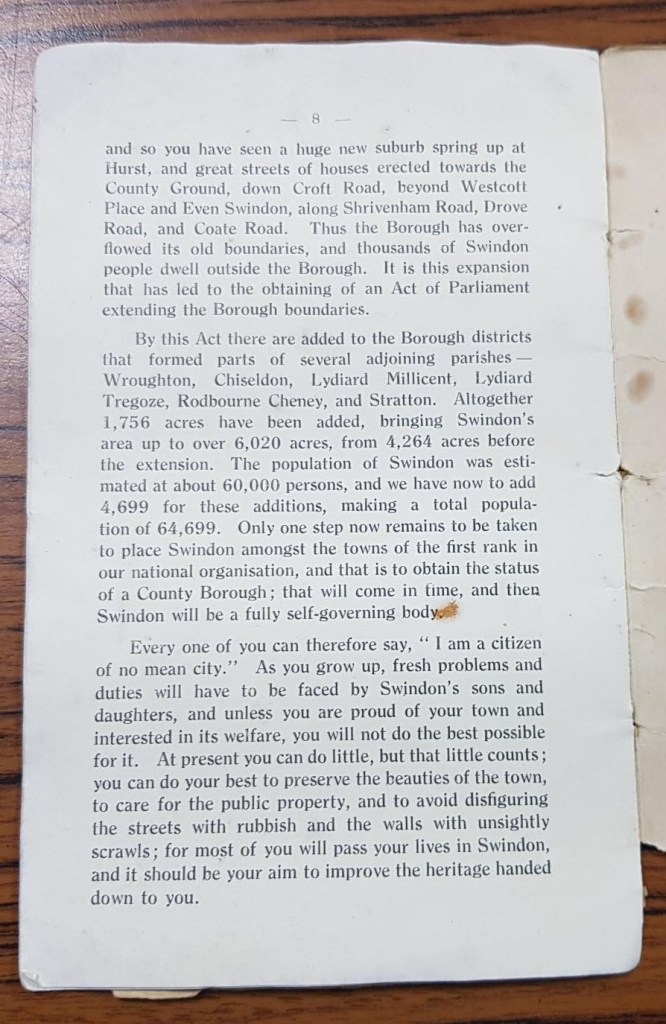
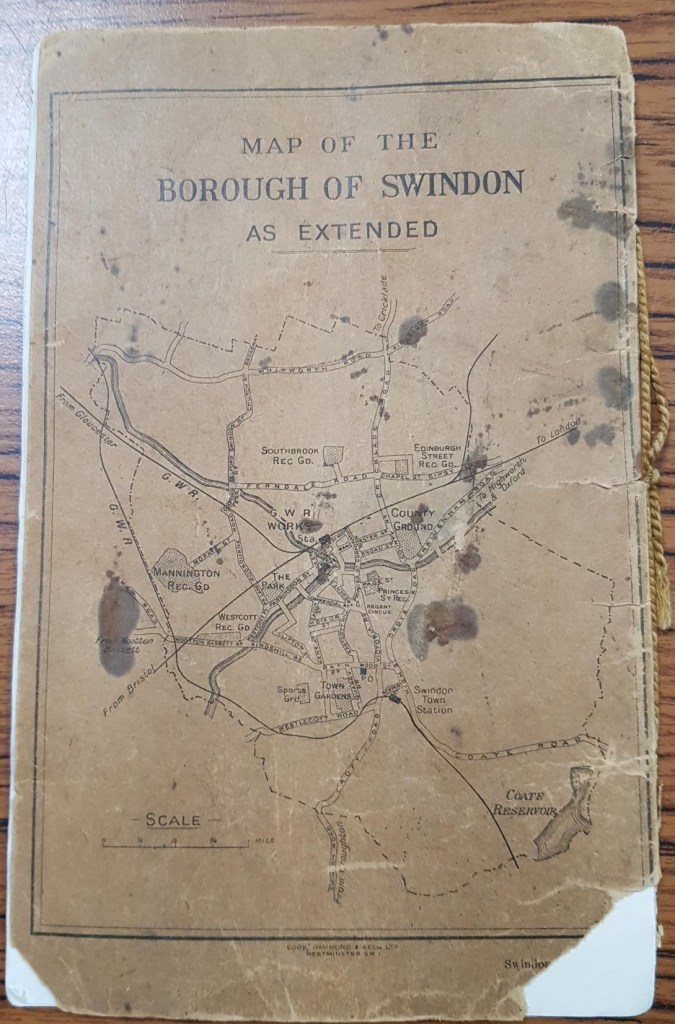
And then Mr Rumble showed me a booklet his father was presented with as a schoolboy in 1928 – Borough of Swindon – Extension of the Borough 1st October 1928.

Walter and Annie lived at various addresses in Stafford Street where Annie died at No. 105 in 1926. She was buried in Radnor Street Cemetery in grave plot D826.

Walter later lived with his son Frank and daughter-in-law Violet at 134 Ferndale Road where he died aged 80 and was buried with his wife in 1944.

I think members of the Rumble family can consider themselves Swindonians – but what about you?

William Thomas and a life in the railway factory

William Thomas spent his entire working life in an iron foundry; first in his home town of Llanelly, Breconshire where he worked as a ‘Baller.’ By 1871 he appears on the census returns here in Swindon living at 13 Cambria Place with his wife Cecilia and his two daughters. His job description is ‘rail rougher.’

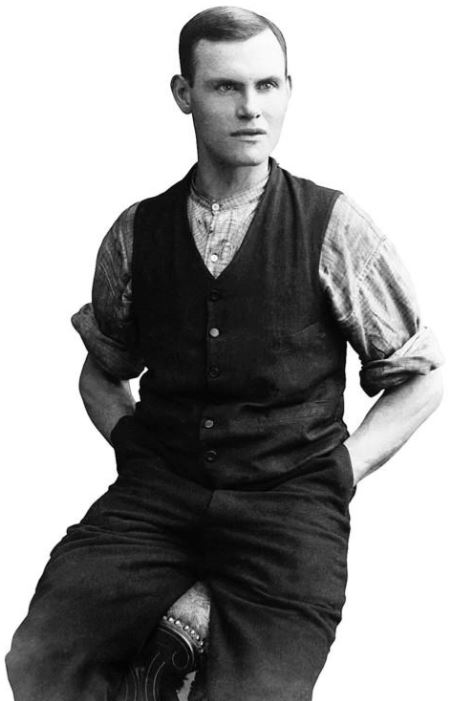
In 1915 Alfred Williams published a book entitled ‘Life in a Railway Factory.’ It was a controversial book; a warts and all description of working ‘Inside.’ It didn’t go down well with the Great Western Railway where Alfred had worked as a hammerman for 23 years. Today it provides us with a first hand account of what it was really like in the Works at that time.

If you have a railway ancestor who appears on the census returns as a ‘baller’ or a ‘puddler’ and you’ve thought this sounds a rather quaint occupation – well, this is what it involved.

Punchings and drillings are also treated by the process known as “puddling.” In this case, the furnaces will have a cavity in the floor, into which the small scrap material is shovelled or tipped. The door is now made fast and the heat applied, which must not be too fierce, however, or the whole mass would soon be burned and spoiled. When the drillings and chippings have cohered, the puddler, by an aperture through the iron door, inserts a steel bar, curved at the end, and prises the lump and turns it over and over. This is called “balling up.” By and by, when the iron is thoroughly heated and fairly consistent, it is brought to the “shingler,” who soon gives it shape and solidity. 

Alfred Williams writes:

You can always tell these young men of the steam-hammer or rolling mills, whenever you meet them. They are usually lank and thin and their faces are ghastly white. Their nostrils are distended; black and blue rings encircle their eyes. Their gait is careless and shuffling, and their dress, on a holiday, is a curious mixture of the rural and urban styles. On week-days they are as black as sweeps, and the blacker they are the better, in their opinion, for they take pride in parading the badge of their profession and are not ashamed of it as are their workmates who dwell in the town.

William and Cecilia Thomas continued to live in the Welsh enclave around Faringdon Road and Cambria Place. William died in 1899. He was 73 years old and the burial registers describe his occupation as ‘puddler.’ Whether he was still working until the time of his death remains unknown, but it is quite likely.

Cecilia died at her home 4 Park Terrace in 1901 and was buried in grave plot D46 where she joined William. Their beautiful pink granite memorial describes Cecilia (and presumably William as well) as ‘Angels Waiting.’