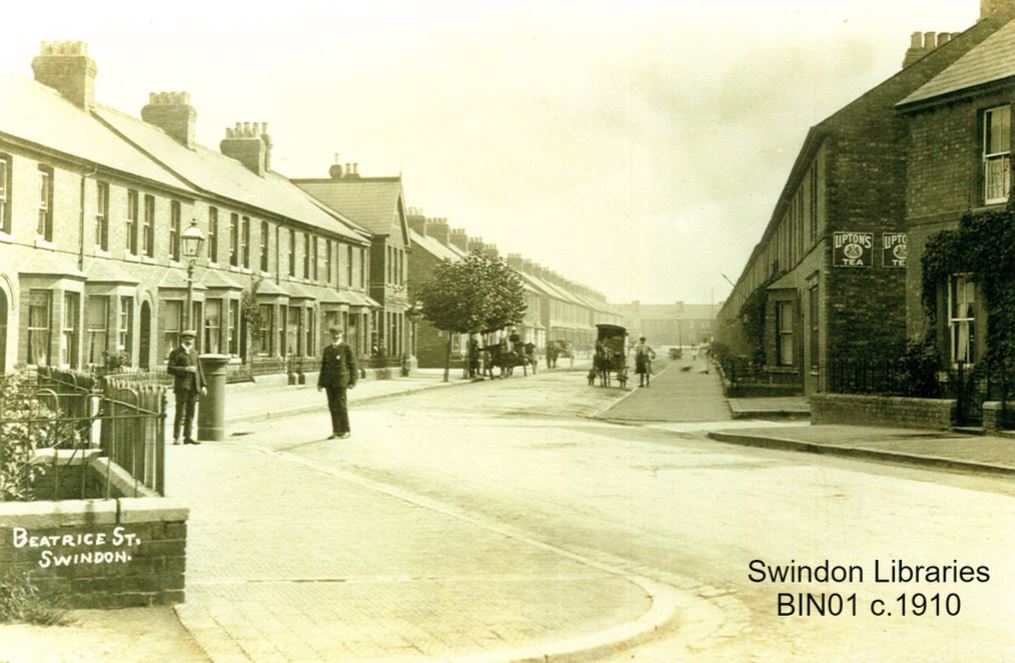
A lone raider on a bombing mission came dangerously close to the Great Western Railway factory during the night of Thursday December 19, 1940. But instead of hitting the Works the high explosive bomb fell on Beatrice Street, Gorse Hill.
There were several casualties and some miraculous rescues, but sadly Jane Elizabeth Hobbs died the following day in the Victoria Hospital.
Jane Elizabeth Miles was the daughter of a railway man; she married another railway man like so many women of her generation did. William John Hobbs had begun his working life as a cattleman on a farm in Calne but by the time of his marriage to Jane in 1907 he was working as a machineman in the GWR.
The couple lived their entire married life in Gorse Hill where they raised three children. William died in 1933 at 167 Beatrice Street; the house that was later destroyed by a bomb on the night of Thursday December 19, 1940.
Five houses were demolished and others damaged, but there were few casualties when a lone raider dropped bombs on a town in the South of England last Thursday night.
In one street where three houses were wrecked, the rescuers, who were on the scene within two or three minutes, were astonished to hear cries for aid.
Gaining a way through the debris from the back of the house they saw three or four heads protruding from beneath the collapsed stairway. These were the occupants of the house, who had rushed under the staircase as the building collapsed upon them and were thrown flat on the floor. They were all pulled out suffering from slight injuries.
Mrs Jane Hobbs, a widow, was the most seriously injured, and she died in hospital on Friday evening. Her 24-year-old daughter Jane, who was also seriously injured is still in hospital.
A Mr. Crook, who was on a visit from another part of the town, was also taken to hospital.
In another nearby street a bomb dropped in the middle of a small backyard at the rear of two houses. All the outbuildings were demolished and the walls at the back of the houses were fractured. Here again there were lucky escapes. Five or six occupants in the kitchen included a married couple who had twice previously been bombed in London.
Scores of houses in the neighbourhood were hit by flying masonry, and in this way, as well as through blast, many windows were broken.
Praise for ARP Squads.
Everyone was loud in praise of the magnificent way in which the wardens, the rescue and demolition squads. First-aid workers and firemen discharged their duties.
One resident observed: “They were here and hard at work almost before we could get out. Not a second was wasted, and I can tell you this fact was a great relief to us all.”
Extracts from North Wilts Herald, Friday, 27 December, 1940.
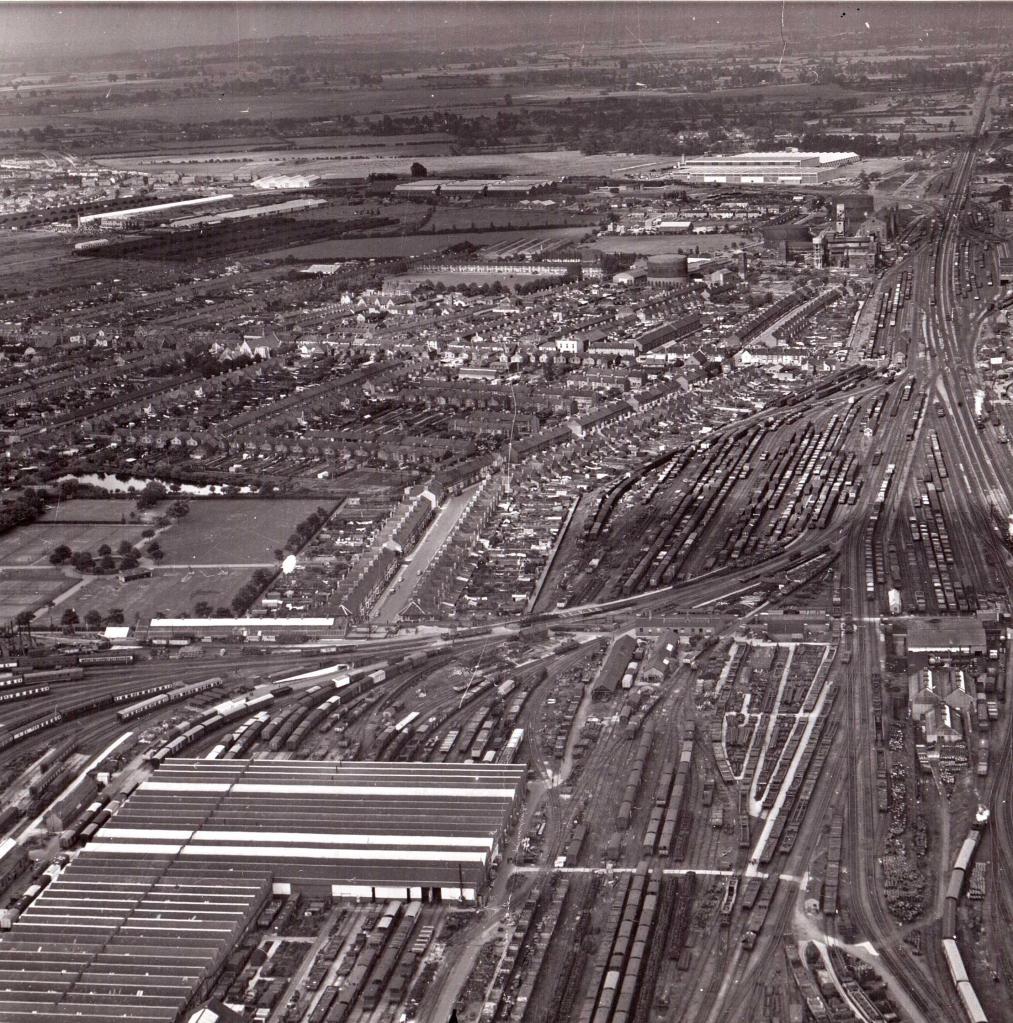
Gorse Hill
Jane was buried on December 26 in grave plot C3831 which she shares with her husband William and her parents Henry John and Fanny Miles.

 Radnor Street Cemetery