The re-imagined story …
I always knew those girls would do well, especially little Irene. She was always so attentive and eager to learn.
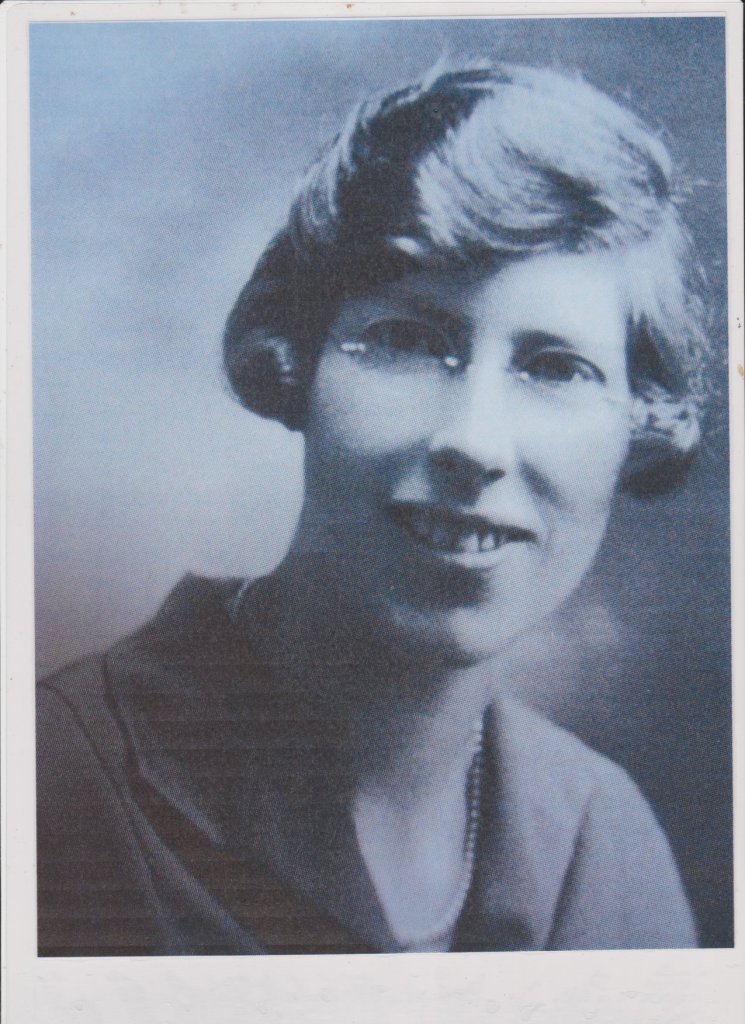
The turn of the century was an exciting time to be a woman; plenty of new opportunities to be had and women everywhere were pushing the boundaries that had constrained them for too many years.
I began my pupil teacher training at Queens Town Infants School in 1891. Among the girls who joined with me was Edith New who would go on to play a significant role in the Votes for Women campaign with Mrs Pankhurst and her daughters.
Queens Town School opened in 1880, an impressive red brick building built alongside the old canal. Perhaps not the most salubrious of settings, but the school served the Queens Town community well. By the time I began my pupil teacher training there ten years later a girls’ school had been built on the site.
However, there were still anomalies in the teaching profession. Women teachers who taught infants and girls were paid less than men who taught boys, an inequality that Miss New would later campaign to change. But the Swindon School Board was a progressive organisation that set high standards of which young Freda and Irene took best advantage.
When we gained our teaching certification Miss New moved to London, but I stayed closer to home. I followed the Dening sisters careers with great interest. So many of the girls I taught did well, but perhaps none more so than Freda and Irene Dening. I always knew those girls would do well, especially little Irene. Always so attentive and eager to learn.

The facts …
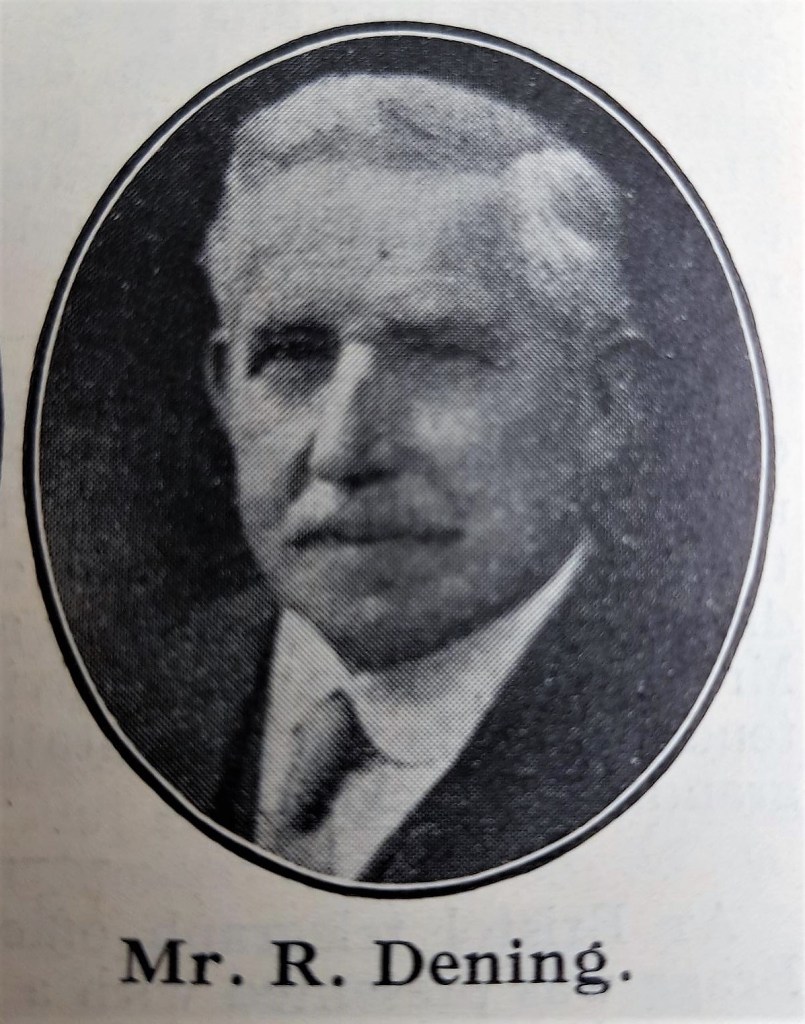
Freda and Irene were born into a railway family. Their father Richard was a steam engine fitter and along with their brother Henry, the three children were all born in Swindon and grew up at 61 Hythe Road.
Freda entered the service of the GWR in 1912 when she was 15 and Irene joined the workforce in 1914 when she was about the same age.
Freda began work in the statistical section of the engineer’s office at Marlow House and was one of the first girls to be employed in the clerical department of the Swindon Works. She studied shorthand and typing at Swindon College, going on to become a shorthand typist in the Works. But her ambition didn’t stop there. She went on to study for three years covering accounting and business methods, the law of carriage by railway, the basis of railway rates and charges.
Her sister Irene was equally ambitious and worked as secretary to the Stores Superintendent. She also went on to study and both women won the prestigious Brunel Medal.
The Brunel Medal was awarded to Students in the railway department of the London School of Economics who, in not more than four years, obtained three first class passes in examinations held in connection with courses approved for the purpose.
The women’s elder brother Henry was also awarded the Brunel Medal, so they were a pretty extraordinary family.
In an interview with the Swindon Advertiser Freda said:
“I really loved my job and it opened many doors to opportunity that my sister and I would not of otherwise had. There were very few women in the railways in those days and it was a fascinating place to be.”
But there were sacrifices to be made. Neither women married nor had children. Of course, this may have been by choice. These days an ambitious woman would probably expect to be able to have it all – as an ambitious man can!
Freda retired early to care for her elderly parents while Irene had a career that spanned nearly 45 years.
Both sisters ended their days in the Cheriton Nursing Home. Irene died on February 25, 1982 aged 81 and Freda on March 18, 1994 aged 96. Their cremated remains are buried here with their parents.
My thanks go to Dr Rosa Matheson who first drew my attention to the Dening sisters in her magnificent book The Fair Sex: Women in the Great Western Railway.


 Radnor Street Cemetery