As we put our heads together to plan our cemetery walks for 2025 we hope to make a return visit to the churchyard at Holy Rood Church where burials pre-date those at Radnor Street by more than 700 years…
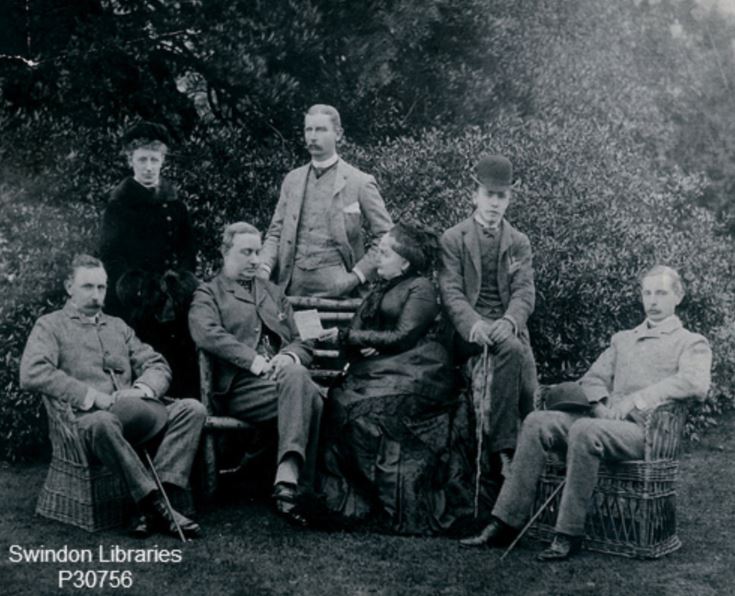
The Goddard family were Lords of the Manor of Swindon for more than 350 years but you won’t find any of them buried in Radnor Street Cemetery.
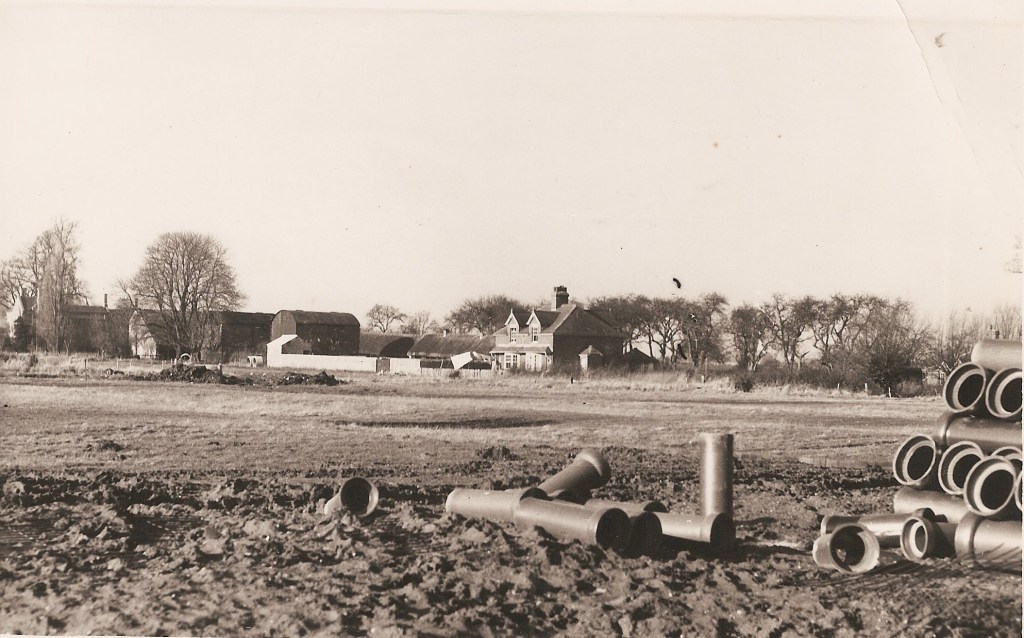
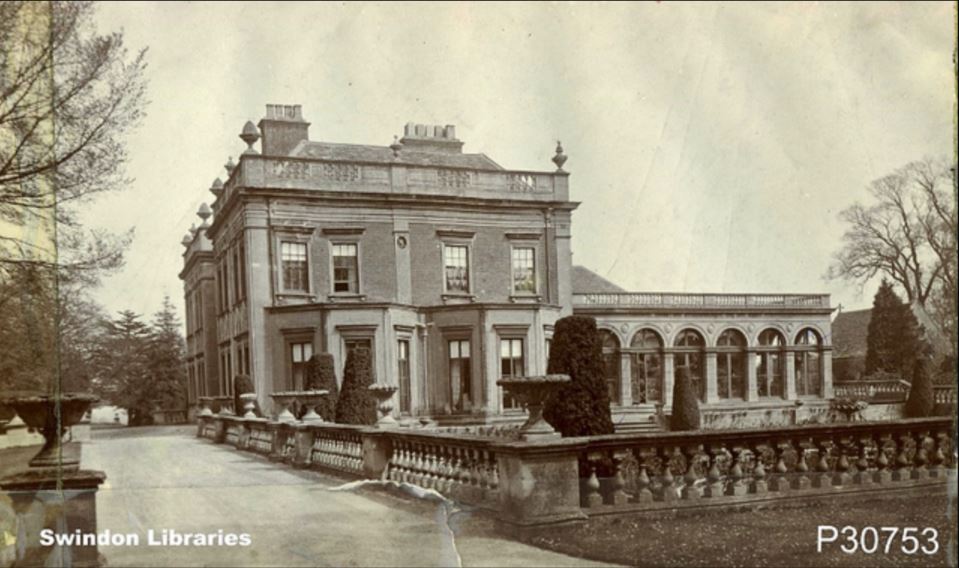
The Goddard family home was set in extensive parkland with spectacular views across the Wiltshire country side. Until the early 19th century the property was known as Swindon House after which it received a bit of a makeover and was renamed The Lawn. The family worshipped in the neighbouring parish church where Richard Goddard Esquire was buried on May 20, 1650 according to the wishes expressed in his Will that his body was ‘to be interred and buryed in the parish church of Swindon.’
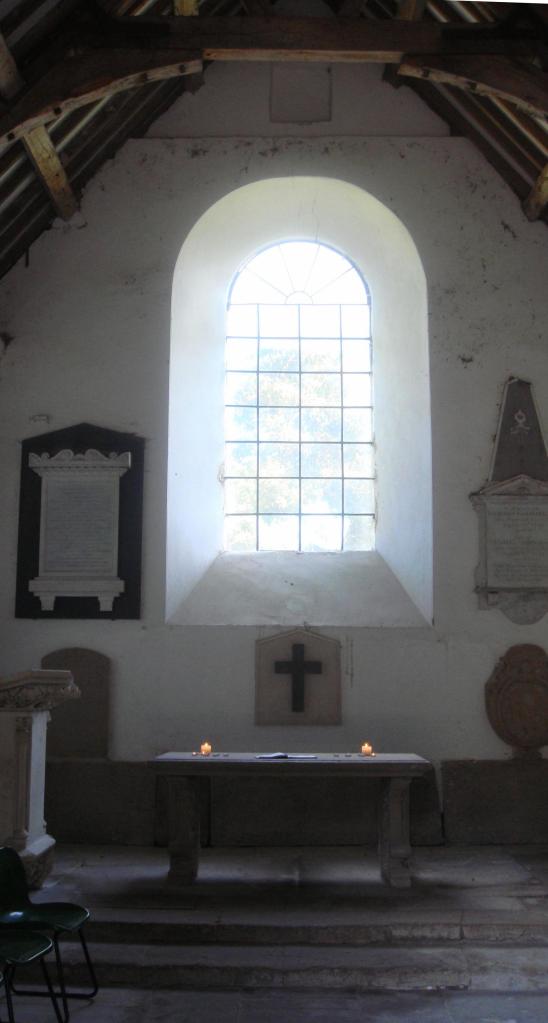
The ancient parish church closed to general worship in 1851 after which most of it was demolished leaving only the chancel, the 14th century arches, a few chest tombs and the Goddard family tomb.
The Goddard family vault stood beneath the floor of the North Chapel. When this was demolished a mausoleum was built above it. Today the Goddard family tomb is a Grade II listed monument described as made of limestone with sandstone panels and built in the Gothic revival style. In his book The Story of Holy Rood – Old Parish Church of Swindon published in 1975, Denis Bird confirms that the Goddard tomb dates from around 1852 and was constructed on the site of the north chapel. Exposed to the elements and random acts of vandalism during its 169 year history, today the plaques on the side of the tomb are difficult to read.
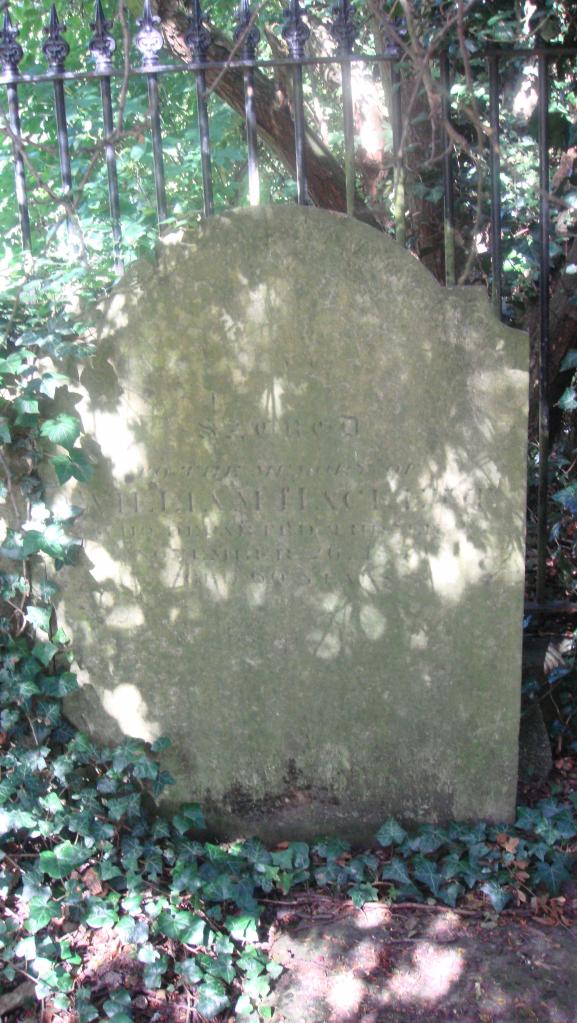
Following the construction of Christ Church the ruins of Holy Rood came under the watchful eye of the Goddard family. Although the churchyard closed to new burials, interments in existing family graves continued for some years. A drawing dated c1800 shows the churchyard contained numerous headstones. Sadly, these were all repositioned in 1949 and arranged around the churchyard wall.
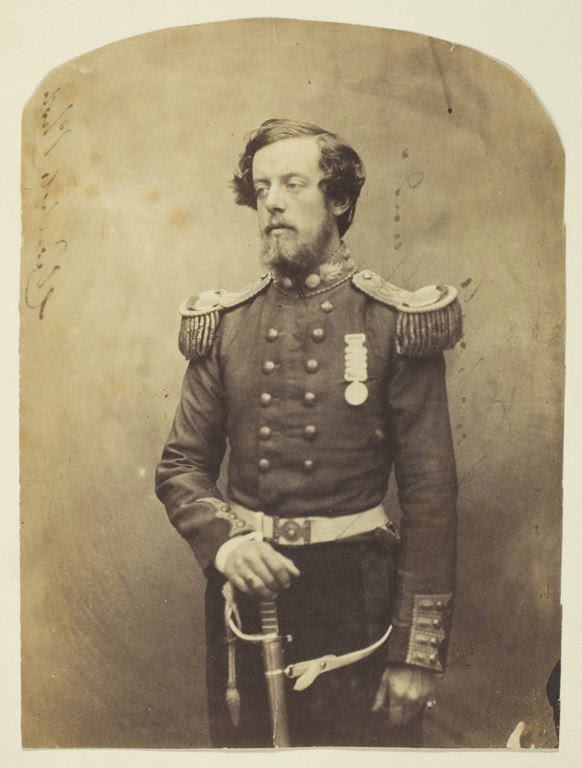
The last Lord of the Manor to live at The Lawn, Fitzroy Pleydell Goddard died at the family home on Friday August 12th 1927. Major Fitzroy Pleydell Goddard’s dying request was that his funeral service be as simple as possible and that he wished to be buried in a “plain elm coffin made from timber grown on my estate.” The Major’s funeral took place on Monday August 15 at 8pm. Swindon Advertiser headlines read ‘Interred at Sunset’ and ‘Large Attendance.’ As requested the Major’s coffin was made from one of his trees, cut down in Drove Road during road widening work. Covered by a Union Jack flag the coffin was carried from The Lawn to the Parish church on a handbier where Canon C.A. Mayall and Dr. R. Talbot, the Archdeacon of Swindon conducted a simple service in Christ Church. The congregation was estimated to number in the thousands as Swindon marked the end of an era.
The last member of the family to be buried in the Goddard tomb was Charles Frederick Goddard, Rector of Doynton, Gloucestershire who died on May 11, 1942 and is buried alongside his parents Ambrose Lethbridge and Charlotte Goddard.
Bird writes: ‘To say that ten thousand people may have been buried here may be no exaggeration, for although the population of early Swindon may have numbered no more than a few hundred souls at any one time, it was here that nearly all found their last resting place, generation after generation, for perhaps more than 700 years.’
The churchyard at Holy Rood, Swindon’s first ‘modern’ burial ground.

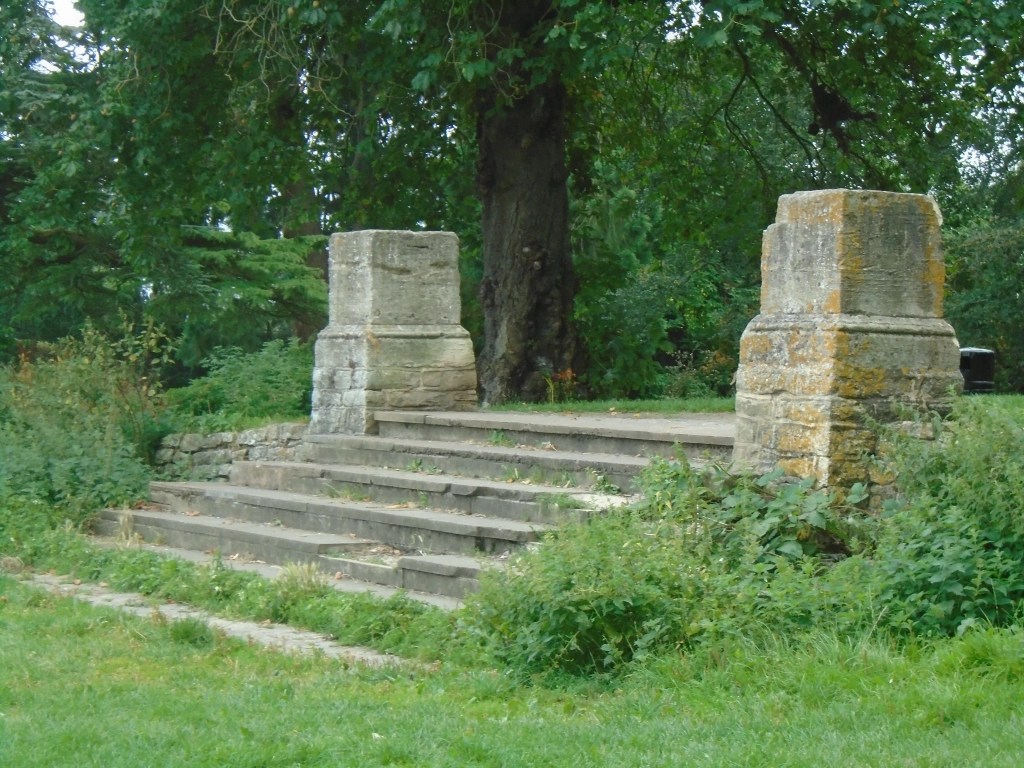
The view from the Goddard mansion in the Lawn.
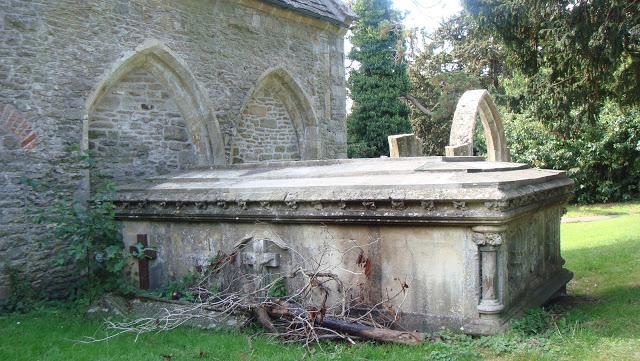
The Goddard family tomb
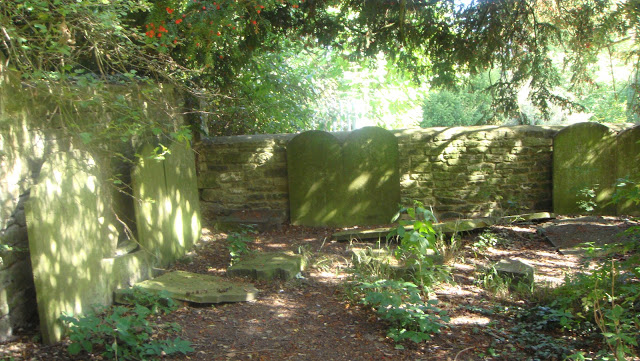
A corner of the churchyard and the repositioned headstones
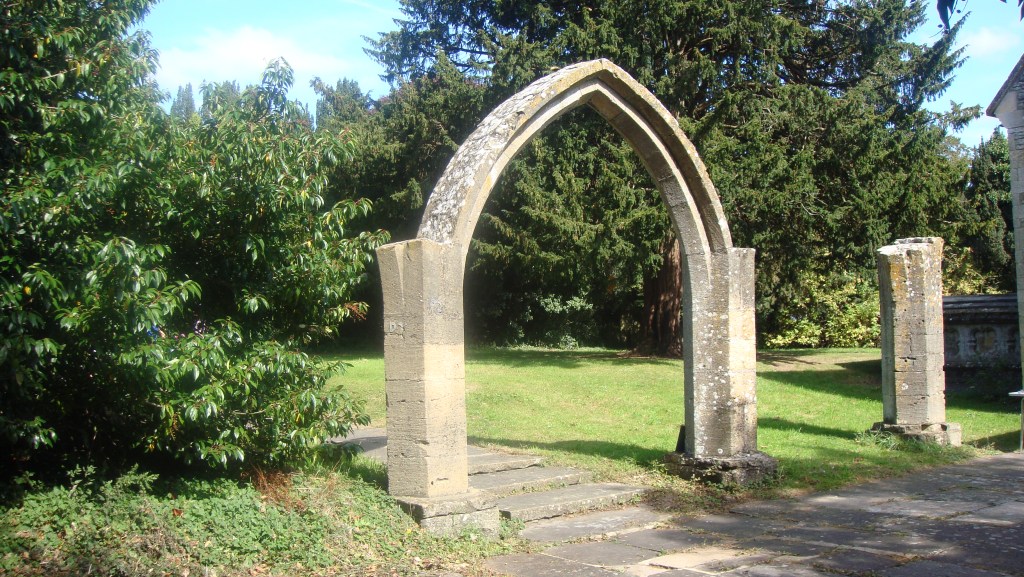








 Radnor Street Cemetery