Gorse Hill Memorial

The following article was published in Swindon Heritage Magazine in the Summer 2015 edition. Swindon Heritage was co founded by Graham Carter, Mark Sutton and myself in 2013. During a five year period we produced 20 editions of the magazine plus a Battle of Britain 75th anniversary commemorative issue in 2015.

Sadly, Mark died in 2022, but his work to remember the Swindon men who served in the First World War continues at Radnor Street Cemetery.

A memorial to 19 Swindon men who died during the First World War might also have been lost forever – but for the diligence of Gorse Hill resident Paul Jevder.

Paul, who lives in St Paul’s Road, put out an appeal for the impressive marble memorial to be given an appropriate new home after he found it under a pile of rubbish on his property.

He had been clearing the ground in preparation for some building work when he made the discovery.

Swindon Heritage co-founder Mark Sutton was the first caller to answer Paul’s appeal, and dozens of other people also phoned, some looking for more information, but many recommending that Paul get in contact with Mark.

Within hours the memorial had been loaded into a van and moved to the chapel at Radnor Street Cemetery, which is already the home of several other memorials to the town’s war dead, including another from Gorse Hill. That one commemorates members of the working men’s club, although none of the names are duplicated.

It seems Gorse Hill folk were particularly keen to remember the area’s heroes because St Barnabas Church also has its own war memorial, made of wood, inside the church.

The newly found memorial is dedicated to the memory of former members of a ‘sabbath school’ who died in the war – and this was almost certainly attached to the former Wesleyan Chapel in Cricklade Road, because that building backs on to Paul’s property.

The chapel, along with associated land, has been earmarked for development into flats, and it is thought the memorial, which is slightly chipped but otherwise in good condition, may have become displaced during work to prepare for that.

Thanks to his extensive research into Swindon’s military history, all the names listed on the memorial are familiar to Mark Sutton, who also owns medals and photographs associated with many of them including the ‘dead man’s penny’ (officially called a memorial plaque) that was issued to the family of Walter Thatcher after his death.

Walter, who lived at 4 King Edward Terrace in Gorse Hill, joined the Wiltshire Yeomanry in 1915, aged just 18, and ended up on the Western Front.

As with most of the Yeomanry, he was absorbed into the 6th Wiltshire Regiment, and was sadly killed on the Bapaume-Cambrai Road on March 23, 1918, during the big German offensives of that year.

He has no known grave, but is remembered on the Arras Memorial.

Two of Walter’s brothers also served.

Mark’s researches over the years also traced a photograph of another of those on the Gorse Hill memorial, Augustus Strange, who lived at 199 Cricklade Road, a stone’s throw from where the memorial was found.

Serving with the Royal Engineers, Augustus died two weeks before the end of the war, on October 29, 1918.

“It was nice to be able to tell Paul about some of the men listed,” said Mark, “including one, Sidney Curtis, who lived in the house opposite Paul’s.

“We’re really grateful to him for making sure it has been recovered and seeing it went to a proper home.

“It will now be safe at in Radnor Street, and anybody will be able to come and see it from time to time as the cemetery chapel is sometimes open for events, and during this summer is the meeting place for guided walks we are running on the second Sunday of every month.”

And Paul, who lived in Cyprus as a child and whose family are Turkish Cypriots, will have understood the relevance of a war memorial, having witnessed, at first hand, the bitter division of the island in 1974.

Swindon Heritage Summer 2015.

#TellThemofUs
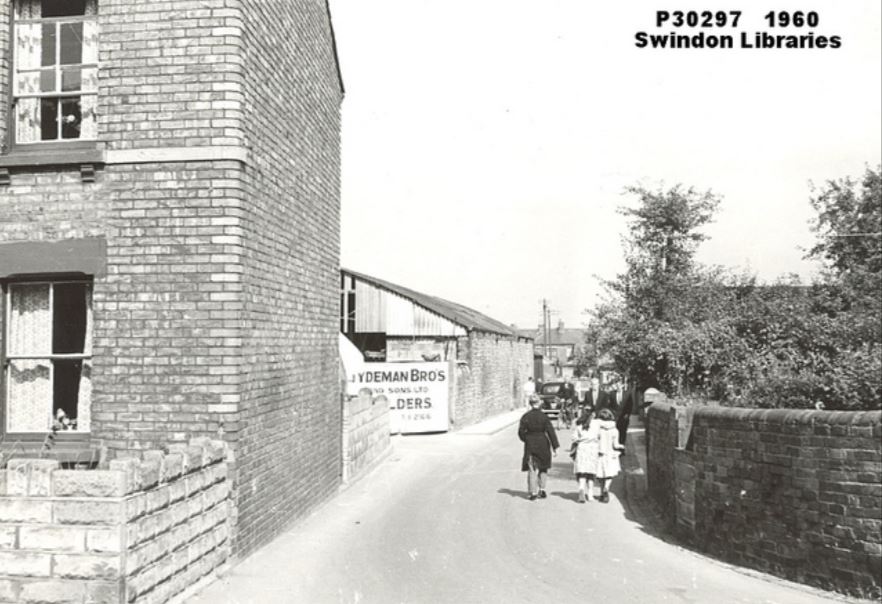
Tydeman Bros and Sons Ltd.

Younger residents might not know the significance of some of the Swindon street names. If you live in Tydeman Street, Gorse Hill you might be interested in this story about the Tydeman family.

Published courtesy of Duncan and Mandy Ball

The son of a Police Sergeant, William Henry Tydeman married Sarah Anne Barnes in the parish church at Aldbourne on May 14, 1892. The couple moved to Swindon shortly afterwards and appear on the 1901 census living at 1 Edgware Road with their five young children, Elsie 7, Dorothy 6, Hilda 4, Henry 2 and 8 month old Lilian.

It was around this time that William went into partnership with his younger brother Walter and they began work on an ambitious building project in Rodbourne – nine houses in Linslade Street and eight in Jennings Street.

In 1904 the brothers advertised their business as ‘Contractors, Decorators and Undertakers at Sanford St. Swindon.’ In 1907 they built the Wesleyan Methodist Hall in Clarence Street, an iconic Swindon building, which was sadly destroyed by fire in 1977.

The business and the workforce grew following the First World War, eventually becoming Tydeman Bros. and Sons when the brothers two sons Henry and Nelson joined the firm. During the 1920s among their projects were 22 houses in Southampton Street, 19 houses in York Road and 16 houses in Iffley Road and more than 100 houses in the street that would bear their name, Tydeman Street.

In 1927 they were encouraging Swindonians to ‘Employ Your Own Townsmen – Tydeman Bros., Shopfitters, Builders & Undertakers Edgeware Rd. & Sanford St., Swindon. Inspect the Shopfront Alterations recently carried out by us at Messrs. Freeth & Son, Centre, Swindon, and the John Farmer Shoe Co., Regent Street, etc., Then send us your enquiries. Telephone 166.’

Sarah died in 1935 and was buried at Radnor Street Cemetery in grave plot D1310 with her daughter Hilda who had died in 1921, aged 25 years.

1960 image published courtesy of Local Studies, Swindon Central Library. Tydeman Bros off Cow Lane

Tributes to Mrs W.H. Tydeman

Funeral of Swindon Builder’s Wife

Mission Stalwart

The funeral of Mrs Tydeman, wife of Mr. W.H. Tydeman, of “Wanbourne,” 5 Downs View Road, Swindon, a member of the firm of Messrs. Tydeman Bros. and Sons Ltd., builders and contractors, took place last Thursday.

Mrs Tydeman had not been in good health for some months, but was taken seriously ill a week before her death on the previous Sunday. She was 73 years of age.

Although a native of Aldbourne, Mrs Tydeman had resided in Swindon for more than 40 years, during which time she made a host of friends, particularly in her connections with the Wesleyan Church.

Foundation Member

A foundation member of the Central Mission, which she had regularly attended since its inception, she gave endless time and energy to the furthering of the several activities with which she associated herself, and the many tributes received from the worshippers at the Mission bore evidence of her great work.

In his address during the service at the Central Mission Pastor J.W. Spargo, late of Swindon, and now residing at Reading, who assisted the Rev. R.A. Rogers in the service, spoke in feeling terms of Mrs Tydeman’s faith under adversity.

Mr F. Street was at the organ, and the hymns, “Jesu, the very thought of Thee” and “For all the Saints,” were sung. The lesson was taken from Psalm xxiii and a passage from Revelations.

The interment was at Radnor Street Cemetery, the committal sentences being pronounced by Pastor Spargo.

Mrs Tydeman is survived by a widower, one son, three daughters and one adopted son. Her mother also survives her at the age of 95 years.

Extracts from the funeral report published in the North Wilts Herald, Friday, 7 June, 1935.

A Prominent Methodist

Death of Mr W.H. Tydeman

A prominent Methodist, and a founder member of the well known Swindon firm of Messrs. Tydeman Bros and Sons, Ltd. Mr William Henry Tydeman, died at his home, 5 Downs View road, Swindon, on Saturday night two days before his 72nd birthday.

Mr Tydeman was a native of Donhead, South Wilts, his father being a sergeant in the Wilts Constabulary. He went to live at Upper Wanborough when he was about 13 years of age and was apprenticed to Mr Payne, builder of that village. On completion of his time he went to work in London. Later he spent a short period in the GWR Works and then, before branching out in business on his own account, was foreman for Mr George Whitehead, builder, of Swindon.

He and his brother, the late Mr Walter Edward Tydeman, founded the firm of Tydeman Bros. Some 40 years ago.

Built Central Mission

The firm of Tydeman Bros. built the Central Mission Hall, Clarence Street, Swindon, where Mr Tydeman was a prominent worshipper. He was a trustee of that church, and for a period of 25 years was superintendent of the Sunday school and church treasurer.

He was a keen sportsman and at one time belonged to the County Ground Bowling Club. He was also a life-long follower of Swindon Town Football Club.

Mr Tydeman, whose wife died five years ago, leaves three daughters – Mrs Ball, of 6 Cumberland Road, Mrs Austin, Bouverie Avenue, and Mrs Barrett, 48 Burford Avenue – one son, Mr W.H.T. Tydeman, who lives at 1, Edgware Road, Swindon, and an adopted son Mr Fred Vizor.

The funeral took place yesterday.

North Wilts Herald, Friday, 9 February, 1940

William Henry Tydeman was buried with his wife and daughter on February 8, 1940 in grave plot D1310.

Jane Elizabeth Hobbs – killed in WWII air raid

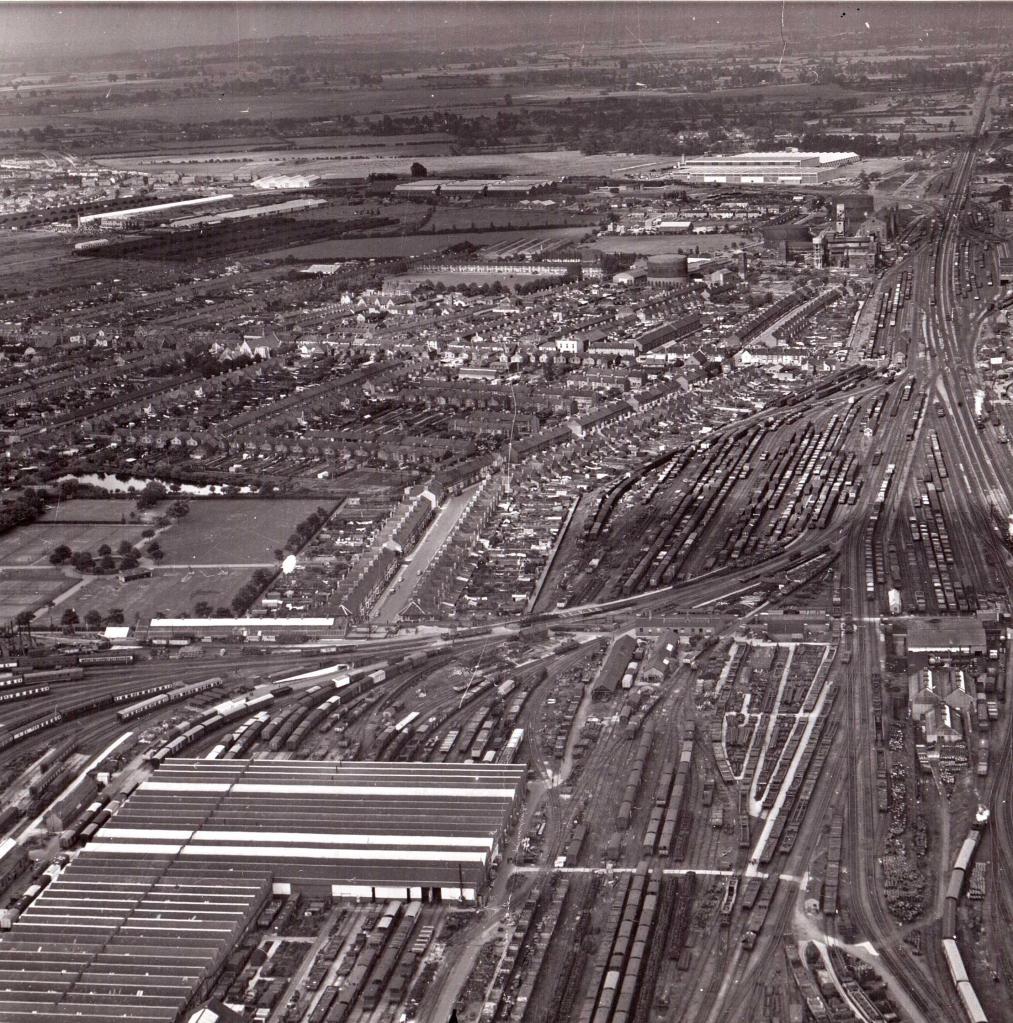
A lone raider on a bombing mission came dangerously close to the Great Western Railway factory during the night of Thursday December 19, 1940. But instead of hitting the Works the high explosive bomb fell on Beatrice Street, Gorse Hill.

There were several casualties and some miraculous rescues, but sadly Jane Elizabeth Hobbs died the following day in the Victoria Hospital.

Jane Elizabeth Miles was the daughter of a railway man; she married another railway man like so many women of her generation did. William John Hobbs had begun his working life as a cattleman on a farm in Calne but by the time of his marriage to Jane in 1907 he was working as a machineman in the GWR.

The couple lived their entire married life in Gorse Hill where they raised three children. William died in 1933 at 167 Beatrice Street; the house that was later destroyed by a bomb on the night of Thursday December 19, 1940.

Five houses were demolished and others damaged, but there were few casualties when a lone raider dropped bombs on a town in the South of England last Thursday night.

In one street where three houses were wrecked, the rescuers, who were on the scene within two or three minutes, were astonished to hear cries for aid.

Gaining a way through the debris from the back of the house they saw three or four heads protruding from beneath the collapsed stairway. These were the occupants of the house, who had rushed under the staircase as the building collapsed upon them and were thrown flat on the floor. They were all pulled out suffering from slight injuries.

Mrs Jane Hobbs, a widow, was the most seriously injured, and she died in hospital on Friday evening. Her 24-year-old daughter Jane, who was also seriously injured is still in hospital.

A Mr. Crook, who was on a visit from another part of the town, was also taken to hospital.

In another nearby street a bomb dropped in the middle of a small backyard at the rear of two houses. All the outbuildings were demolished and the walls at the back of the houses were fractured. Here again there were lucky escapes. Five or six occupants in the kitchen included a married couple who had twice previously been bombed in London.

Scores of houses in the neighbourhood were hit by flying masonry, and in this way, as well as through blast, many windows were broken.

Praise for ARP Squads.

Everyone was loud in praise of the magnificent way in which the wardens, the rescue and demolition squads. First-aid workers and firemen discharged their duties.

One resident observed: “They were here and hard at work almost before we could get out. Not a second was wasted, and I can tell you this fact was a great relief to us all.”

Extracts from North Wilts Herald, Friday, 27 December, 1940.

Gorse Hill

Jane was buried on December 26 in grave plot C3831 which she shares with her husband William and her parents Henry John and Fanny Miles.

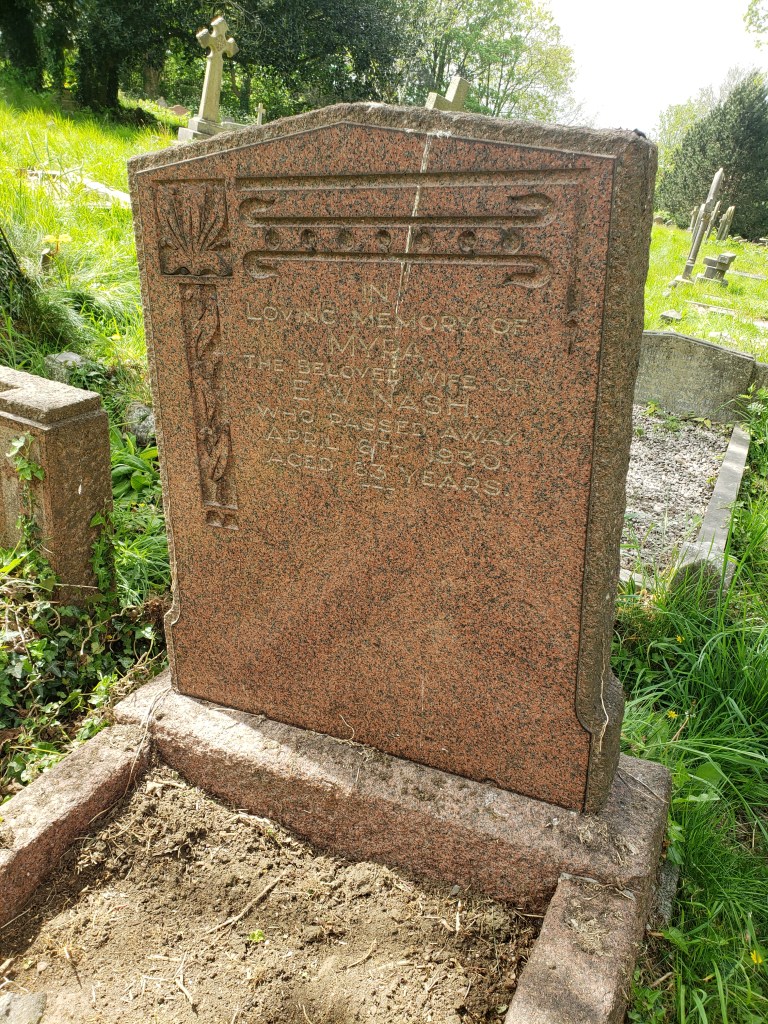
Myra Nash – mother of STFC goalkeeper

Throughout history women are invariably identified by their father’s occupation and status, then their husband’s and eventually their children’s and such was the case of Myra Nash.

Born in 1867 Myra was one of Matthew Beasant’s large family of children. Myra was baptised at All Saints Church, Lydiard Millicent on October 6, 1867 and grew up at The Green, Lydiard Millicent. Matthew was a labourer in the GWR Works, making the four mile journey from his home in Lydiard Millicent to the railway factory in Swindon every day.

At the age of 13 Myra was already out at work, employed as a domestic servant for George Seward Prentice and his wife Eliza at Grove House, Lydiard Millicent. However, sometime after 1881 she moved into Swindon and a job as a domestic servant for the Nash family at their new confectionery business premises at 32 Bridge Street. It was obviously while working here that she fell in love with the eldest son Edmund William Nash whom she married at St. Mark’s Church on January 9, 1887.

By 1891, with the confectionery business doing well, Edmund had left his job in the Works to concentrate on the family business, and in the census of that year describes himself as a ‘sugar boiler.’ The couple have one child, Rose. By 1901 they had left 32 Regent Street and were living at 243 Cricklade Road where Edmund describes himself as a ‘confectioner.’ By now the couple have a second daughter, Winnifred, and despite having two children and a family business, the census enumerator does not see fit to record any occupation for Myra. At the time of the 1911 census the family are now living at 104 Cricklade Road, their long time home. Edmund describes himself once again as a ‘sugar boiler,’ the couple’s 19 year old daughter Winifred is employed as a Shop Assistant in the family’s confectionery business and now the couple have a young son, born in 1902 – Edward Montague Nash.

Edward Montague Nash (Teddy) went on to be a talented sportsman, playing county cricket for Wiltshire, but he is probably best remembered as Swindon Town F.C. goalkeeper. As a young footballer he played for Gorse Hill Boys and North End Albion before signing a youth contract with Swindon Town in 1916. He signed a professional contract in 1920, playing in the 1919/20 season until the 1929/30 season when he transferred to Brentford.

Teddy Nash pictured in his last season with Swindon Town F.C.

He even gets first mention when Myra’s death is reported in the North Wilts Herald, April 11, 1930.

Myra died aged 63, but despite a reasonably well documented life, we really know little about her.

When Myra died in 1930 there is a reference that she had seldom watched her son play of late ‘owing to nerves’ and I am left wondering what Myra’s story really was.

Death of Mrs Nash

Mother of Swindon Town’s Goalkeeper

“Teddy” Nash, the well known Swindon Town goalkeeper, has sustained a sad loss through the death on Sunday night, of his mother, Mrs Myra Nash.

Both the late Mrs Nash, and her husband, Mr Edmund William Nash, are well known in Swindon as tradespeople, and for the last 30 years have carried on a confectionery’s business at 104, Cricklade Street, Gorse Hill, Swindon. Mrs Nash was 63 years of age, and early last night appeared in the best of health.

She very seldom saw her son play for the Town of late owing to nerves.

North Wilts Herald, Friday, April 11, 1930.

Mental Health Awareness Week 2025 will take place from May 12-18 as we continue to try to remove the stigma and encourage people to talk about their mental health.

Miss Lorna Dawes and a life ‘inside’.

Some years ago, I attended a talk about life ‘inside’ given by Miss Lorna Dawes at the Central Community Centre. The talk was hosted by The Railwaymen’s Association who had been meeting regularly following the closure of the Works in 1986 with guest speakers delivering talks about all things railway related. To those of you unfamiliar with Swindon railway jargon ‘inside’ refers to working in the railway works and it has to be said it was a rare occasion to hear a woman talking about such a subject. The only other woman I had ever heard give such a talk was social and railway historian, Dr Rosa Matheson.

Lorna sat at a table at the front of the hall and without the aid of any photos or slides or whizzy technical gizmos, spoke about her time in the Works. Lorna had a small sheaf of notes in front of her and thus armed she set about informing and entertaining her audience. Of course, she knew all the railwaymen present and exchanged quips and jokes with them during the course of her presentation.

I soon gave up trying to take my own notes and just sat back and listened to this amazing woman.

Lorna was born on March 23, 1931, the daughter of iron moulder Albert Edward G. Dawes and his wife Mona and lived all her life in Tydeman Street, Gorse Hill. She started work as a messenger in the Works in April 1945, aged 14 years old.

Lorna had taken lessons in shorthand while still at school and later attained a certificate for 120 words per minute at evening school. However, her first job as a messenger presented few opportunities to sit down and take notes. She had to quickly learn her way around the vast railway factory, which in the 1940s covered 326 acres. Walking through the tunnel to access all areas was obviously the bane of the lives of the young women where the sludge and filth ruined their stockings.

Most days included a trip to Grays [bakery] in Bridge Street for small lardy cakes for the office staff and to collect the milk and make the drinks to go with those lardies.

Then there was collecting the absences book from the tunnel entrance, delivering the bank bag to London Street, taking messages to Bristol Street, Park House and the laboratory housed in the old school.

She then went on to describe the staff office work, which involved everything from filing accident reports in Park House to duties in the Booking Office and collecting rent owed on the company houses.

She mentioned the double length typewriters used to type charts of salaried staff promotions and wrote: “I enjoyed manipulating lines of names into spaces.” She was also able to fix minor repairs on the typewriters until the mechanic came from Bristol.

Lorna participated in the busy social life of the Works, playing tennis and badminton, representing the offices in tournaments.

Lorna was one of the earliest and most enthusiastic subscribers to Swindon Heritage, a local history magazine published between 2013-2017 with which I was involved. I would have loved to have told her story in the magazine but Lorna wasn’t ready then.

It was with great sadness that I learned about her recent death and regret that I had not captured her memories.

And then I had the good fortune to exchange emails with Yvonne Neal, a member of the Swindon branch of the Wiltshire Family History Society. Yvonne had been in touch with Lorna’s brother and quite remarkably the notes from that talk survive.

The handwritten notes cover more than 11 pages and include not only the big events but the more personal ones too, those of Christmas’s in the offices, weddings, birthdays and babies.

And then she wrote: “My story was due a book “Tempus” pub. but interviewer left post. Didn’t get published.” Perhaps she felt so let down she wasn’t going to go through the performance again with me.

I wish I had had one more conversation with Lorna, to thank her for her support and enthusiasm during the publication of Swindon Heritage and to persuade her to tell her story again. I’ve done my best here.

You may also like to read:

Lorna Dawes in her own words

Lorna Dawes in her own words – Pt. 2

Lorna Dawes in her own words – Pt. 3

Lorna Dawes and the Pinnock family

Pte Percy Walter Dyer and his brother Pte Frank Edward Dyer – Tell Them of Us

With a fresh complexion, brown hair and brown eyes, Percy Walter Dyer weighed 129 lbs (9st 3lbs) and stood 5ft 5ins tall when he enlisted in the army. This poignant description of 19 year old Percy was written more than 110 years ago when his ambition was to serve with the Wiltshire Regiment.

Percy was born on April 13, 1888 in Lea, a small village 1½ miles east of Malmesbury. He was the son of John and Sarah Dyer and one of 11 children.

By 1901 the family were living at 141 Beatrice Street, Gorse Hill. Still living at home were Percy’s elder brothers Charles, Frank and Lewis who all worked as general labourers. His sisters Alice and Edith both worked as laundry assistants while Kate was employed in one of the towns several clothing factories. Younger siblings George, Ernest and Florence were still of school age but at 13 Percy stood on the threshold of adulthood.

When he filled in his attestation papers in Devizes on August 13, 1907 he was already serving in the Militia. What was his driving force – patriotism, or did he see a career in the army as an opportunity to travel, to escape.

As a serving soldier with seven years’ experience Percy was sent to France with the British Expeditionary Force (BEF) when war broke out in 1914.

During action at Armentieres on December 14, 1915 Percy received a gun shot wound to his right elbow. Although he survived, the injury caused permanent damage and limited the movement of his arm. In 1917 Percy was declared physically unfit for military service and was transferred to Avonmouth to work in an ammunitions factory.

A medical examination made in May 1918 declared that the injury to his arm rendered him 30% disabled and limited his prospects of employment on the open labour market. But this was not the extent of his poor physical condition. Percy was also declared 100% disabled by tuberculosis with ‘Sanatorium treatment’ recommended. But it was too late. Percy died on September 22, 1918. He was 30 years old and had spent eleven years in the army, three of those fighting in France and Flanders.

Sarah buried her son in Radnor Street Cemetery on September 25. Was there any consolation for her in having her boy back home? This was not the first of her sons to die as a result of the war but her elder son Frank had no known grave.

The military service records of Frank Edward Dyer do not survive, destroyed when an incendiary bomb hit the War Office Record Store in September 1940 during the Second World War. We do not know if Frank had been a volunteer when war broke out or whether he had been ‘called up’ following the introduction of conscription in 1916. Frank’s name is recorded on the Tyne Cot Memorial in Belgium, which bears the names of almost 35,000 officers and men whose graves are not known. The memorial was unveiled in 1927 – it is unlikely Sarah was ever able to visit it.

Percy was buried on September 25, 1918 in grave plot B2756. He was buried with his younger brother Ernest who died in 1911 and the boys’ father John who died just weeks after Percy joined the army. In 1933 Sarah Ann Dyer, the boys’ mother, joined them.

Tell Them of Us – Arthur North

Mark Sutton had a life long interest in the Swindon men who served in the Great War, researching, writing and recording their service and sacrifice in his book – Tell Them of Us.

Mark made numerous visits to the battlefield cemeteries in France and Belgium, laying wreaths on the graves of Swindon men on behalf of their families back home. Mark also worked with Swindon’s schools, showing items from his vast military collection. He knew instinctively how to talk to children about a war that was beyond living memory but intrinsic to our town’s history. For many years he conducted guided walks at Radnor Street Cemetery, visiting the Commonwealth War Graves and remembering the men buried there. He was a popular speaker on the Swindon history circuit, his talks selling out immediately they were announced. He was also co-founder of Swindon Heritage, a quarterly history magazine published between 2013 and 2017. Sadly, Mark died in 2022 but his memory and his legacy will live on, in the same way he made the story of Swindon’s sons who served in the Great War endure.

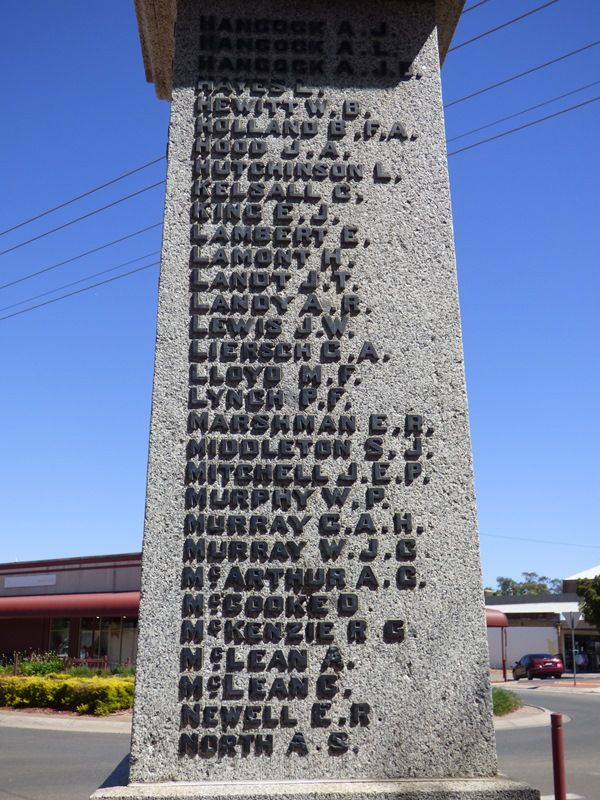
I begin with the story of Arthur North who is mentioned in Mark’s book Tell Them of Us and is told here in the words of Kevin Leakey, local historian researching the history of Queenstown and Broadgreen.

Gorse Hill Memorial rescued by Mark Sutton and displayed in the Radnor Street Cemetery chapel.

Arthur was a younger brother of one of my Great Grandmothers – Kate Leakey.

He was 7 months old and living with his family at 62 Bright St. on the
1891 census, so I would guess he was probably born at that address.

By the 1901 census the North family were living at 69 Cricklade Rd and
by 1911, were at 139 Cricklade Rd, where Arthur’s parents lived until
they passed away.

The 1934 funeral of his Mother, Mary Ann, took place at Trinity
Methodist Church (139 Cricklade Rd being a few doors away from the
church), which I think was the church the WW1 memorial came from.

Arthur emigrated to Australia in 1909 and worked as a farmer, living
with his Uncle Samuel North and his family at a small place called
Batchica near Warracknabeal, Victoria.

He joined the Australian Army in January 1915, and after going to
Gallipoli in Sept. 1915, he seems to have been ill from the end of
October until June 1916, then spending the next 7 months in the UK,
before being sent to France in Feb. 1917.

He was killed on the 3rd May 1917 on first day of the second battle of
Bullecourt. As far as I can tell his body was never recovered.

The Red Cross files give info about his death from other soldiers that
saw him on the day it happened. I don’t suppose it was at all unusual, with the men being in the middle of a battle at the time of his death, but their reports as to his
whereabouts etc. seem to contradict each other.

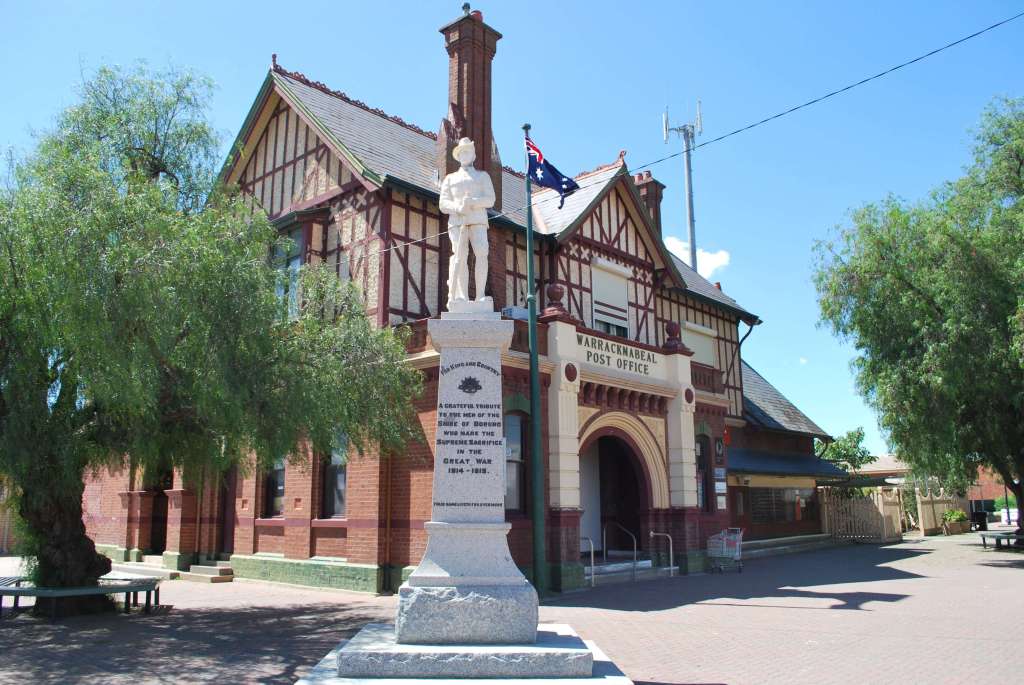
Apart from his name being on the Gorse Hill memorial, it is also on the
Warracknabeal war memorial in Australia.

Sadly, we have no photos of Arthur and aren’t in contact with any of his
brothers and sisters families, but I always put a cross down at the
cenotaph every year in remembrance.

The enterprising Westall and Lafford families

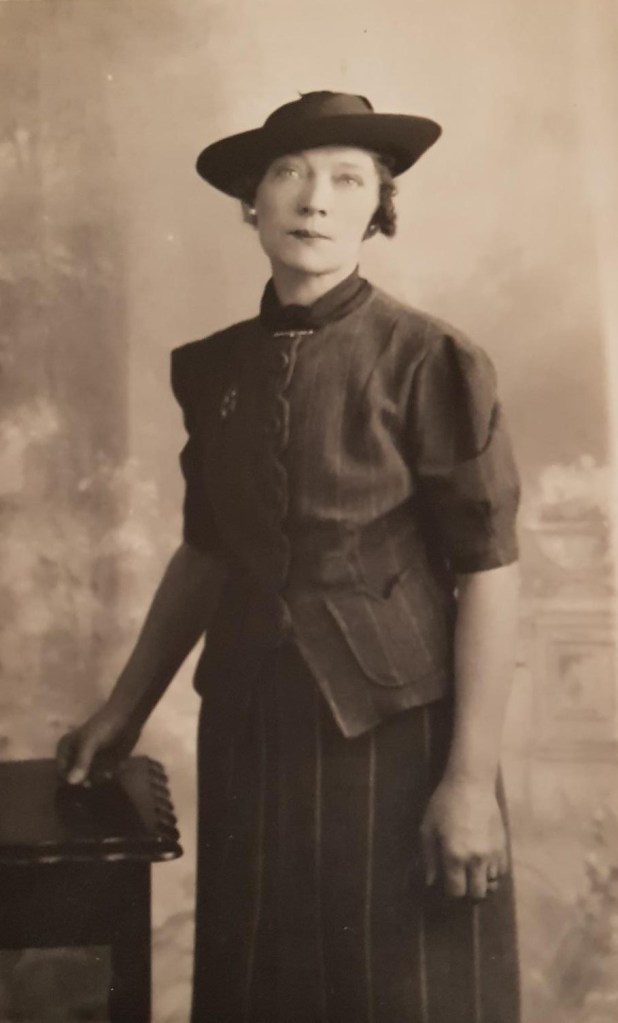
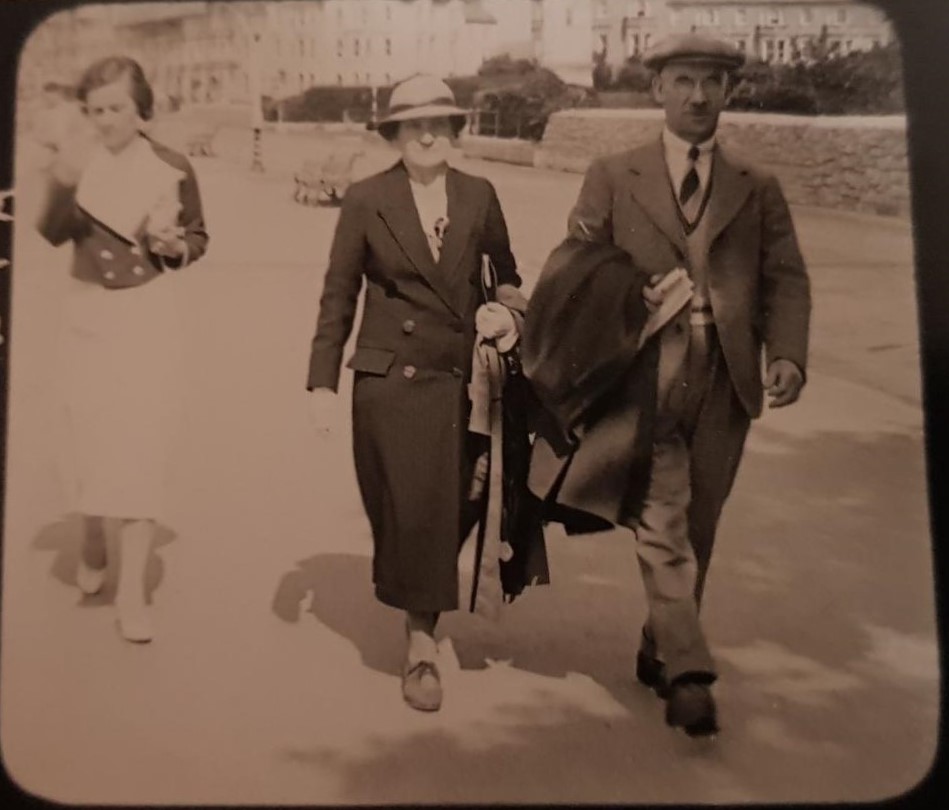
Shirley and her friend have been joining our cemetery walks for several years but it wasn’t until we all met at a recent Swindon Society Open Day that Shirley elaborated on her family history, telling us about her hard working parents Maud and Stanley and their Westall and Lafford families. And at our subsequent cemetery walk Shirley brought along some precious family photos.

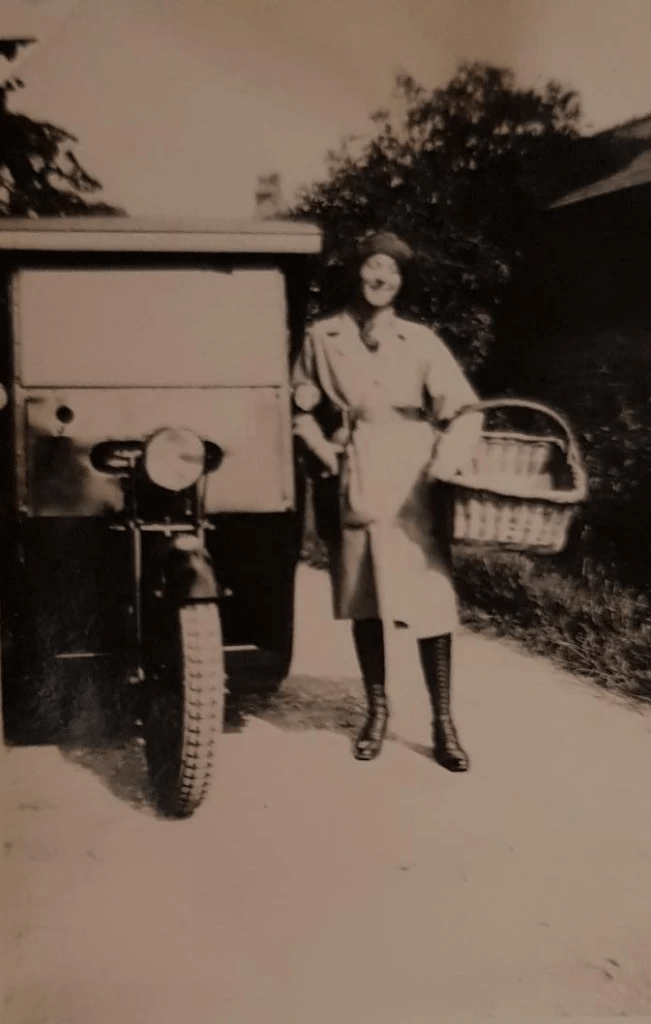
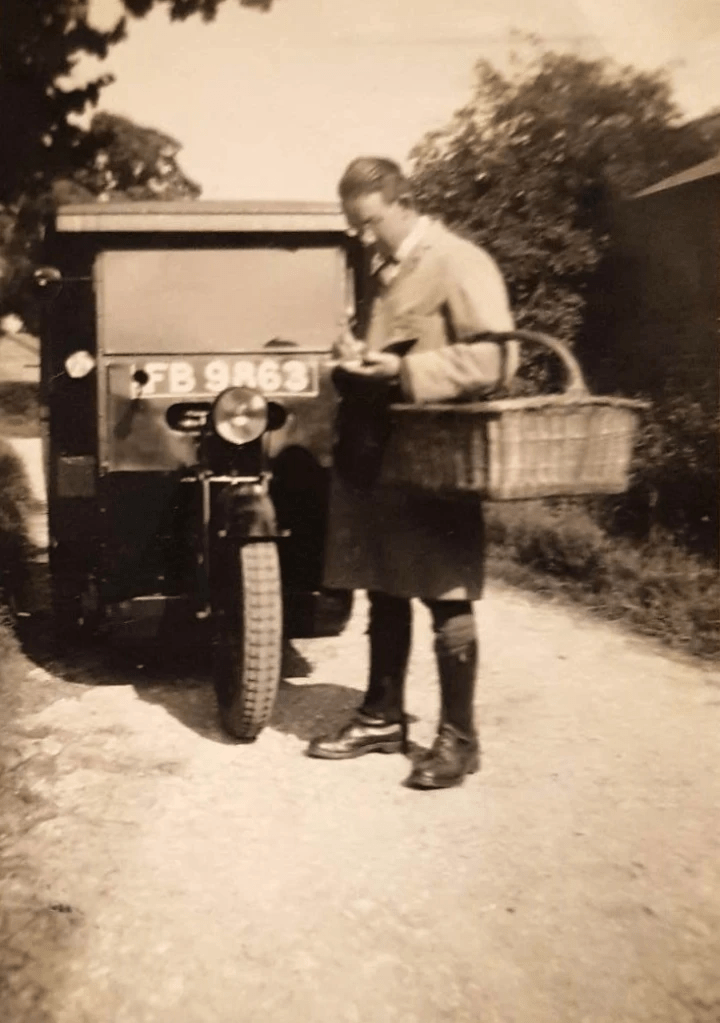
Maud and Stanley Lafford ran a shop in County Road on the corner of Gambia Street, with their front room at 142 Clifton Street doubling as a storeroom. Here is a photo of Maud standing outside the shop. The couple are both pictured with their delivery van, which was actually a chassis built over a motor bike. Stanley used this vehicle to deliver to the surrounding villages. He also collected slabs of ice in this vehicle which Maud used to make ice cream. Stanley then had deliver it pretty smartish to the ice cream parlour in Old Town.

Shirley’s grandparents David Lafford and Susan Clara Page were married in Barnsley, Gloucestershire in 1902. Sadly, their first child Clara born in Durrington, Glos on February 6, 1905 died just 2 days later. By 1907 the couple had arrived in Swindon where David worked as a carpenter and the family lived at 126 Clifton Street where their children Stanley, Alfred and Ivy grew up.

Among the family photos is a tiny image of Shirley’s other grandparents, James Westall and Annie Day.* In about 1911 they moved from Hereford to Swindon with their daughter Maud. In 1912 they were living at 22 Omdurman Street when they had their 2nd daughter Edna Muriel baptised at St. Barnabas Church, Gorse Hill.

There is another precious photo of James and Annie Westall with their three young daughters -Maud standing, baby Mavis on her mother’s lap and Edna Muriel seated on the left of the photograph. Edna died aged 6 not long after this family photograph was taken. Shirley remembered her grandmother had an enlargement made of the section with the pretty little girl with bows in her hair. In amongst the family photographs there is also one of the elegant Annie Westall.

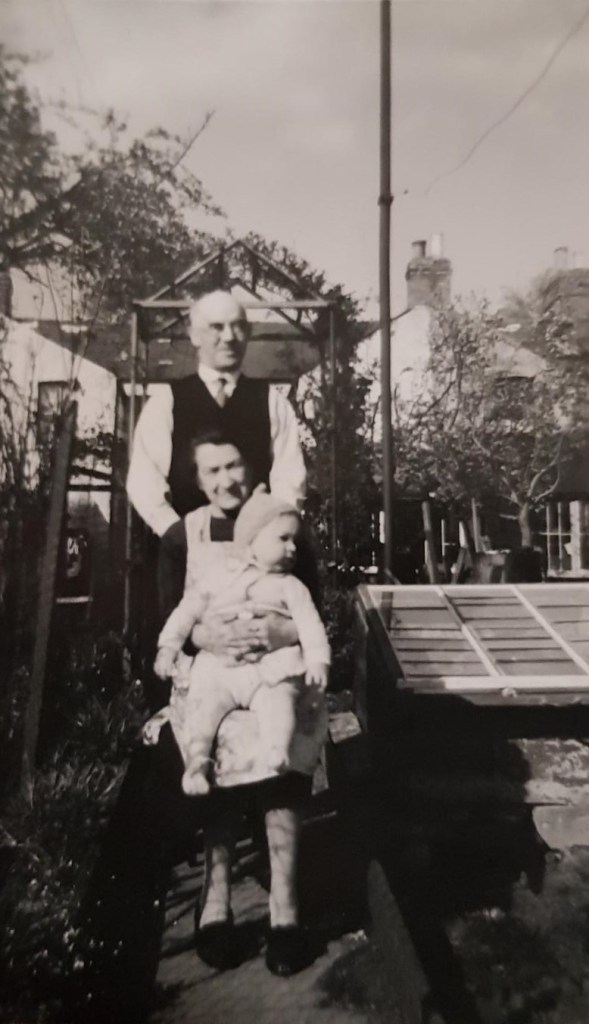
Young mother Susan Lafford is pictured with her baby son Stanley on her lap while a much later photograph shows David and Susan Lafford, possibly on a seaside promenade. There are even photographs where Shirley herself makes an appearance in the back garden at 126 Clifton Street.

Shop corner of Gambia Street

Maud Lafford nee Westall pictured in 1932

Stanley Lafford

Stanley Lafford

James and Annie Westall nee Day*

James and Annie with their three daughters, Maud standing, baby Mavis and Edna seated

Annie Westall

Susan Lafford with baby Stanley – 126 Clifton Street

Susan and David Lafford

Susan and David Lafford with Shirley

Susan and David Lafford with Shirley

Both sets of Shirley’s grandparents are buried in Radnor Street Cemetery. Shirley remembers as a child visiting the cemetery with her aunt and seeing the grave of James Westall where a wooden cross once stood.

James Westall died aged 49 years in the Isolation Hospital. He was buried on May 26, 1934 in graveplot C3553 with his little daughter Edna Muriel who died in 1918. The glamorous Annie died in 2002 aged 91 and is buried in the same plot.

Susan Clara Lafford died aged 73 in 1951 and was buried in grave plot E7850 where David joined her in 1955.

*This small format portrait looks to be an example of a so-called “stickyback” photograph produced c1915 at a studio at 15 Regent Street. These photographs had a gummed back and were cheaper than others available at the time. Swindon Photographers & Postcard Publishers by Darryl Moody and Paul A. Williams.

Edward William Archer

I can’t help but think those in authority found this boy an irritant. It looks as if he had been in trouble since a young child, receiving the birch at the age of just 11. He was obviously such a nuisance no one could be bothered to get his name right, and when he unexpectedly died the verdict was ‘food poisoning’ – probably!

Singular Death of a Reformatory Boy – An inquest was opened by Mr. Coroner Sylvester on Saturday as to the death of a youth named William Edward Archer, aged 15, belonging to Swindon. – Deceased was at the Reformatory. He was not strong, and had been medically attended off and on. He complained of feeling unwell on Friday, and was sent to bed, and told that if he felt worse a doctor should be sent for. His temperature was taken twice, and was normal; and he was seen during the night by Mr. Crichell, one of the labour masters, who asked him if he was in pain or wanted anything. He replied that he wanted nothing. When Crichell went through the ward shortly before six next morning he found him dead. Dr. Hubert Willcox said death was due to the presence of an irritant in the intestines, the exact nature of which could not be stated till the contents had been analysed. The inquest was adjourned till the 9th inst. for an analysis to be made.

Two jurymen remarked that they had other engagements for that date, Mr. W. Papps being a delegate at a Foresters’ meeting at Devizes, and Mr. E. Foreman having an engagement as market for a Yeomanry prize meeting. The Coroner declined to alter it, and summoned all to attend on the date named.

The Wiltshire Telegraph, Saturday, October 7, 1905.

Is this the same William Archer, aged 11, who was found guilty at the Petty Sessions in 1900 along with Henry Love 8, of stealing a tin of salmon from a grocer’s shop? The younger boy was bound over to be of good behaviour, while Archer was ordered to receive three strokes with the birch rod. The same day Archer was charged with two other lads with stealing a money-box from the top of the harmonium of a blind street musician. Further strokes of the birch were added to his punishment.

Edward William Archer was 15 years old when he died in 1905 at the Wiltshire Reformatory for Boys in Warminster. The subsequent verdict of the inquest was that the County Analyst, Dr Dyer, had made an exhaustive analysis of the stomach contents and could find no trace of any poison, irritant or otherwise, suggesting the cause of death might be ptomaine poisoning (food poisoning). The Coroner questioned whether the lad had eaten some fungus in mistake for a mushroom and said that the most suitable verdict would be that death was caused by acute inflammation of the stomach and intestines. The jury accordingly returned a verdict to this effect.

The boy who died in the reformatory is identified as Edward William Archer, the son of William James and Martha Archer. Between 1891 and 1909 the Archer family lived at various addresses in Gorse Hill. William James Snr worked as a general labourer and Martha as a laundress. At the time of the 1901 census the family lived at 21 Hinton Street. Eldest daughter Elizabeth 16 was a housemaid and Louisa 14 a tailoress. There were four younger boys William James 13, Edward William 11, Frederick George nine and five year old Arthur Walter.

Edward William Archer aged 15 is recorded as being buried on October 4, 1905 in grave plot C1646. The Radnor Street Cemetery index register records his home address as 21 Hinton Street; the chronological register includes his place of death as Warminster Reformatory. Edward William is buried with his sister Louisa who died in May 1905. She was 18 years old and her address is also given as 21 Hinton Street. Buried with them is their father William James Archer, aged 53 who died at the GWR Hospital and was buried on March 6, 1909. His home address was given as 1 Edinburgh Street, Gorse Hill. There is one other burial in this unmarked, public plot.

The Wiltshire Reformatory for Boys was inaugurated at a meeting of magistrates and other figures of authority at Devizes Town Hall in September 1855. The Reformatory in Warminster comprised 20 acres of land (later increased to 40 acres) where the boys received between 10 to 15 hours of education a week, spending the rest of the time working the land and growing produce that partly supported them. By 1902 additional phases of building had increased the accommodation capacity from 30 boys to 100. The Reformatory closed in 1925.

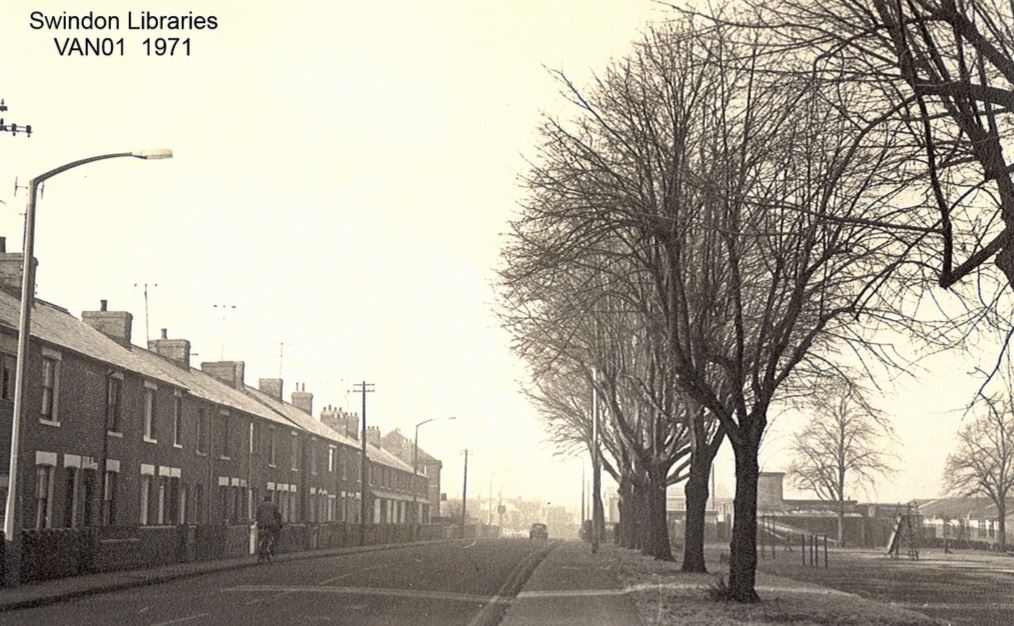
Gorse Hill images published courtesy of Local Studies, Swindon Central Library.

The military service of the Rodway and Sellwood families, Gorse Hill

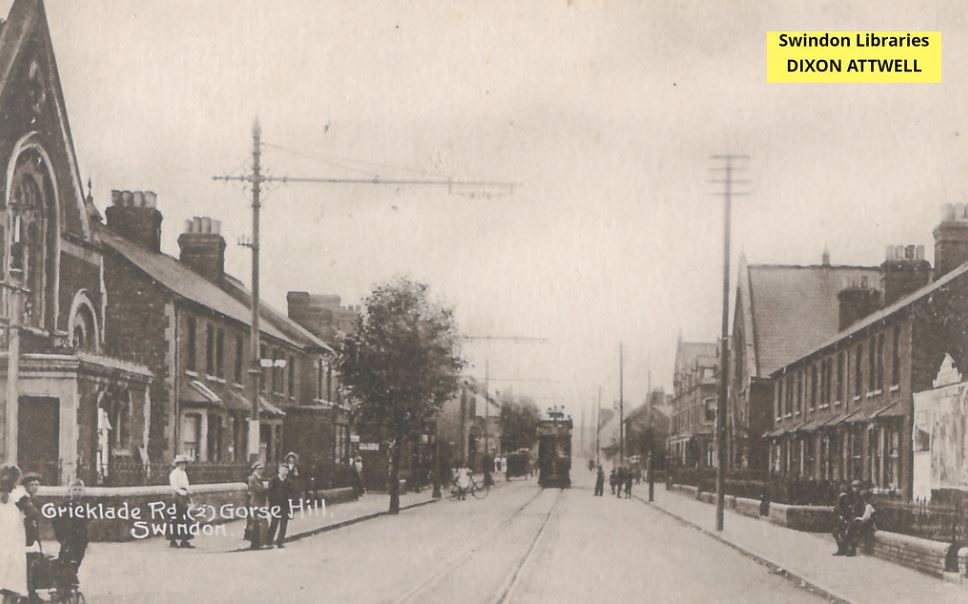
Image of Chapel Street, Gorse Hill published courtesy of Local Studies, Swindon Central Library.

The lives of the ordinary people of Swindon never cease to amaze me. When I began researching the Rodway and Sellwood families of Gorse Hill I discovered a combined military history spanning almost 70 years.

Ellen Rodway was born in 1856 in Newport on the Isle of Wight, the daughter of Joseph Rodway, a soldier who served in the 28th Regiment of Foot from 1843 to 1864. In 1861 Joseph was serving in St. Helena, Coast of Africa, where Ellen’s brother, Joseph Thomas and sister Jane were both born before the family returned to England. By 1871 Joseph Rodway and his family were living in Barton St. Michael, Gloucestershire and in 1881 they were in Stratton St. Margaret where Joseph, the former soldier, worked as a railway porter. And we tend to think people didn’t move about much in the old days!

Joseph Thomas Rodway would later enlist in the Royal Marines, serving for more than 20 years. His son, William John Rodway, aged 16 in 1911, was a soldier in the Kings Royal Rifles and on census night of that year was staying with his uncle William Rodway at 126 Chapel Street.

In 1881 Ellen Rodway married Henry Sellwood who had recently retired from B. Brigade R.H.A. (Royal Horse Artillery) aged 24 and was described as a Royal Hospital Pensioner. Henry settled down to a job in the railway factory and married life in Gorse Hill.

In 1891 the couple were living at 116 Chapel Street with their four children, Henry 9, Joseph 6, Rosa 4 and one year old Robert. By 1911 they had moved to 95 Edinburgh Street, which remained their home until Ellen died in 1940.

Henry died in 1918 and was buried on October 17 in grave plot B2850 joining two of the couple’s sons – Robert Charles who died in 1907 aged 19 and Joseph William who died in 1914 aged 28.

Ellen died on May 7, 1940 at her son’s home in Broad Street aged 83 years old. Her funeral was reported in the North Wilts Herald. She was buried on May 11 and joined her husband and two sons in grave plot B2850.

Ellen’s mother, Kate Rodway, died at 44 Chapel Street in 1901. She was buried in Radnor Street Cemetery on May 7 in grave plot A317, a public grave. Her husband, that old soldier Joseph who served in the 28th Regiment of Foot for more than 20 years, died at 126 Chapel Street in 1910 aged 84 and was buried with his wife on September 3.

Mrs E. Selwood

The funeral took place on Saturday, of Mrs Ellen Selwood, of 95, Edinburgh-street, Swindon, who died on 7 May, at her son’s home, 66 Broad-street, a few days before her 84th birthday. The service at the *Russell Memorial Church was conducted by Rev. Burgin, who also officiated at the interment in Radnor-street Cemetery.

Chief mourners were: Mr F.R. Selwood (son and daughter), Mr W. Rodway (brother), Mrs C.D. Love (granddaughter), Mrs. E.M. Selwood (daughter-in-law), Mr T. Robins, Mrs E. Bell, Mrs. L. Scott, Mrs M. Griffiths.

Funeral arrangements were carried out by Messrs. A.E. Smith and Son, 24, Gordon-road, Swindon.

North Wilts Herald, Friday, 17 May, 1940.

Image of Cricklade Road, Gorse Hill published courtesy of Local Studies, Swindon Central Library.

*The Russell Memorial Church was built in 1890 on the corner of Cricklade Road and Edinburgh Street. It was named after Thomas Russell the early missioner.