Joshua Jackson – India Mutiny Veteran

The Ruins of the British Residency, Lucknow attribution Vyom.Y.

Joshua Jackson’s obituary published in the Wiltshire Times and Trowbridge Advertiser Saturday 29 April, 1911 might be brief, but it provides a lot of information about the extraordinary life he led as a young man (see below).

Joshua was born in at Manchester on January 7, 1836, the second of James Jackson, an inn keeper, and his wife Hannah’s 8 children.

At the age of 19 Joshua joined the army and within two years he was serving in India with the 60th Rifles during the Indian Mutiny. As with most wars, the causes were several but a flashpoint came when the Sepoy soldiers of the Bengal Army were issued with the new Enfield rifle. The Enfield used cartridges that had to be bitten open, which both the Muslim and Hindu soldiers believed had been greased with animal fats, contravening their religious observances. This however was just one cause in a complicated situation which signalled a significant turning point in the relationship between Britain and India. Joshua was also involved in the Siege of Lucknow*, defending the garrison and the British Residency in that city from the Indian soldiers.

The outcome of the Mutiny was an end to the East India Company’s right to rule India. Britain made India a part of the British empire and instated a British Governor General. Twenty years after the war Queen Victoria became Empress of India and the Viceroy of India ruled in that country on her behalf.

From India, Joshua went to serve in China during the Second Opium War where in 1859 he saw action at the Battle of the Taku Forts.

Battle of Taku Forts 1859

But by 1865 he was back in England where on May 4 he married Sarah Ann Potts at St John’s Church, Frome in Somerset.

The 1871 census records the couple living in Frome with three children, Henry 5, Percy 3 and one-year-old Henrietta. By 1881 they had arrived in Swindon. The census of that year lists them as living at 47 Haydon Street. Joshua worked as an Engine Fitter in the GWR Works while Sarah raised their large family already numbering 7 children.

In 1891 the family were living at 28 Guppy Street, Rodbourne. Three sons had followed Joshua into the Works as apprentice fitters and turners while another three sons had been born in the intervening ten years. Guppy Street remained the Jackson’s family home where Joshua died in 1911 and Sarah in 1928. The couple are buried together in plot C301 with their only surviving daughter Henrietta who died in 1920.

It appears that the Jackson family were buried in a reused grave. The first person buried in this plot was John Meek who at the time of his death in 1897 was an inmate of the Stratton Workhouse. The grave was no doubt a public plot but purchased by the Jackson family at the time of Joshua’s death.

Death of a Mutiny Veteran

Funeral at Swindon

There was buried in Swindon Cemetery last Monday afternoon the mortal remains of Mr Joshua Jackson, an Indian Mutiny veteran. He was born at Manchester in 1836, and at the age of 19 years he enlisted in the old 60th Rifles, and two years later was drafted to India, seeing much active service in the Mutiny, but fortunately he escaped without a scratch. He also fought later in the China War, and was present at the taking of the Taku Forts. When he returned to England he left the Army in 1867 and settled down at Frome. Then he removed to Swindon and worked at his trade for many years in the GWR Works. He joined the Freemasons while at Frome 45 years ago, and when he came to Swindon he joined the Gooch Lodge, 34 years ago, becoming Tyler, a post he held till the time of his death, at the age of 75 years.

Deceased leaves a widow and ten children – eight sons and two daughters.

Besides the family mourners, a large number of Freemasons attended.

Wiltshire Times and Trowbridge Advertiser Saturday 29 April 1911.
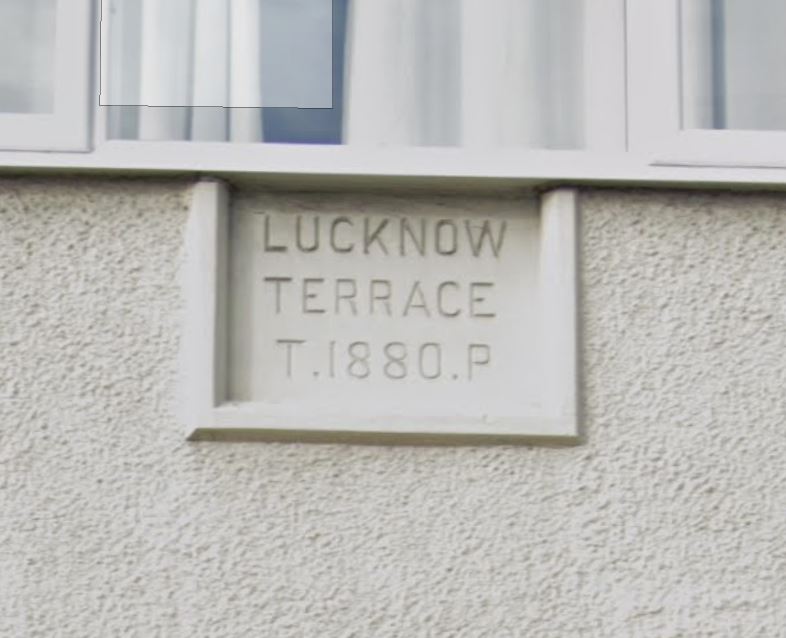
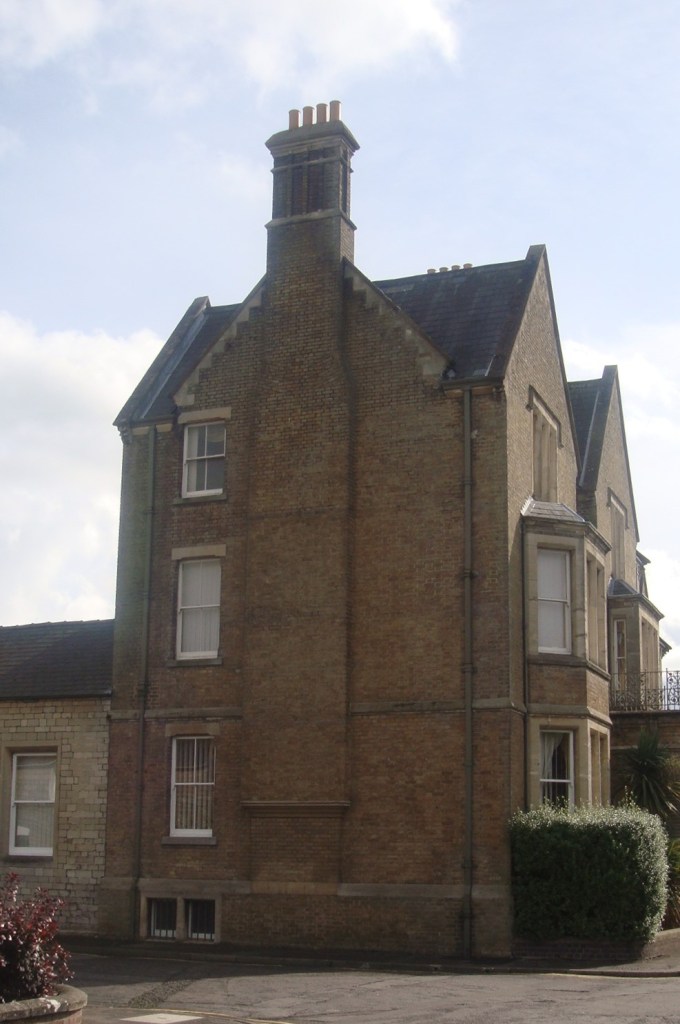
*As you walk along Rodbourne Road past Ron’s Stores, look up and above the terrace of houses you will notice in the brickwork an inscription that reads Lucknow Terrace.
James Fairbairn – pioneer railwayman

The re-imagined story …
We were promised a company house when we moved to New Swindon but when we arrived we discovered they were still being built!

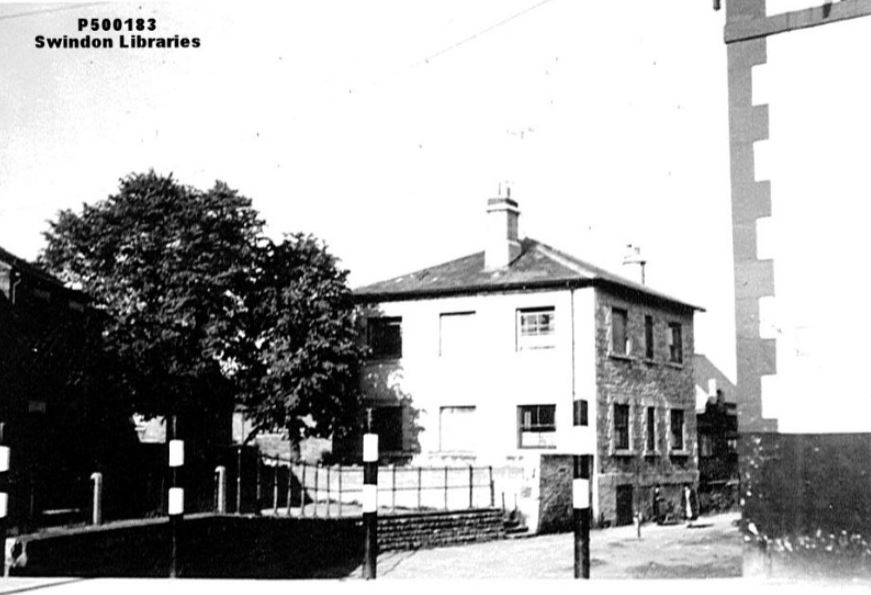
So we ended up in one of twelve wooden cottages built in the back of beyond.

New Swindon was referred to as a pioneer town and out at Hay Lane we certainly felt we were living on the frontier. It would never have surprised me to see a herd of buffalo come bounding across the fields with Red Indians whooping and yelling behind them.

When the young Fairbairn couple moved into the empty cottage next to ours Margaret was heavily pregnant. It was her first child, but she was remarkably calm about giving birth in such primitive conditions.

Margaret’s pains came on in the middle of the night. We could hear her moans through the thin wooden partition that separated our homes. I left my own children in their beds and went next door to see what I could do to help. The poor girl laboured for many hours and I feared for her life and that of her baby. And at the end of her travails there was not just one, but two babies. They were small and I didn’t hold out much hope for either of them, but they thrived and survived.

And those draughty wooden cottages, well they were moved to Eastcott and survived as well. The GWR hated waste!

The facts …

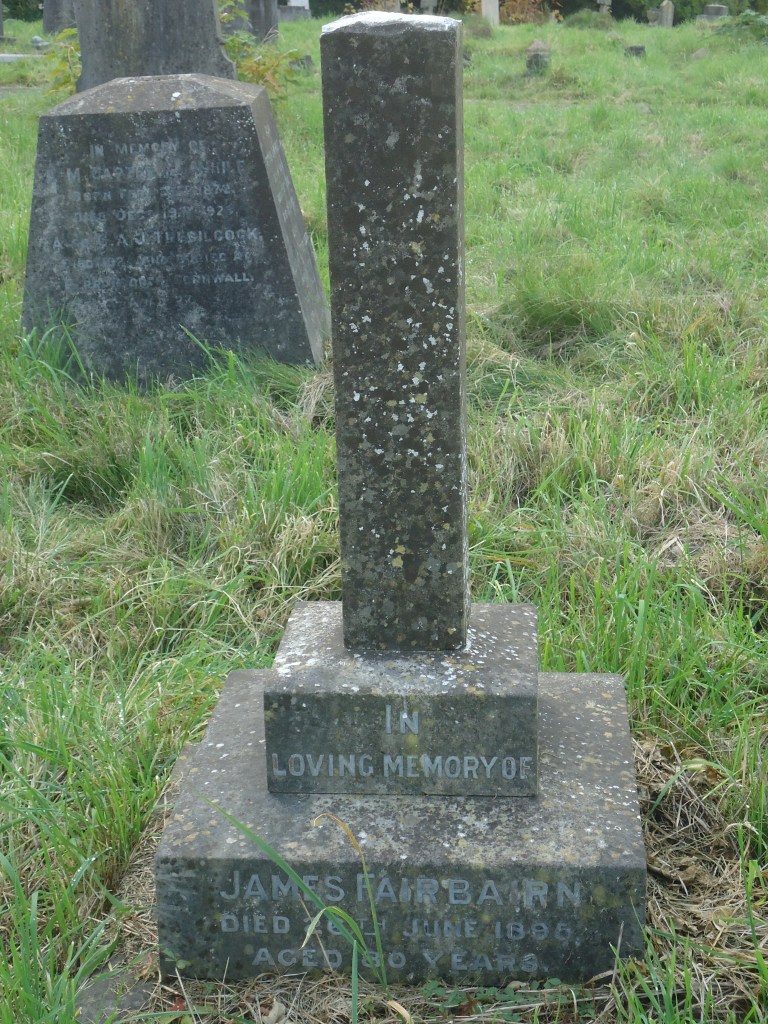
James Fairbairn was born in c1816 in Dundee in Scotland and was one of the early railway men to settle in Swindon. James moved first to Newcastle and then to London working for Daniel Gooch and Archibald Sturrock. He married Margaret Armstrong at St Mary, Newington on 2nd October 1841.

James Fairbairn worked as an Engine Erector and later became one of the most senior Foremen in the Works. He was one of the first subscribers to the Sick Fund in 1843 and an early member of the Mechanics’ Institution, elected to its ruling Council in 1855. He was also one of the first subscribers to the Medical Fund.

James and Margaret Fairbairn arrived in Swindon in 1842 at the very beginning of the railway transformation, before the company houses were completed. Like so many other newcomers, James and his pregnant wife Margaret were accommodated in temporary housing. In their case they were housed in buildings at the Hay Lane Station (Wootton Bassett Road).

Brunel had first considered siting the GWR workshops at Hay Lane and designed for employees a row of twelve, single storey wooden cottages erected by building contractor J.H. Gandall. However, Daniel Gooch considered that the Swindon location was more suitable and that is where the workshops were eventually built.

Conditions at the Hay Lane cottages were basic and it was there that Margaret Fairbairn gave birth to twins George and Elizabeth Ann in the Spring of 1842. The babies were baptised at Wroughton parish church on June 5, perhaps they were not expected to survive. George followed his father into the railway works as an engine fitter. He married Catherine Gosling and the couple had one daughter. George died at his home in Havelock Terrace in 1892 aged 49. He is buried in Radnor Street cemetery in plot B2070. His sister Elizabeth Ann married and moved away. Her husband, Charles While, a roll turner, moved to Swindon with the opening of the Rolling Mills in the 1860s. The couple lived at addresses in Workington and Sheffield before settling in Lancashire where Elizabeth died in 1912.

James and Margaret Fairbairn lived at various addresses in New Swindon, including 12 Reading Street, No 2 Fleetway Terrace, 25 Fleet Street and finally at 20 Harding Street where they both died in 1895. Margaret died in March aged 78 and James three months later in June aged 80.

You may also like to read

William and Isabel Hogarth and the old days

Thomas Oswald Hogarth – Howzat!

Thomas Oswald Hogarth – Howzat!

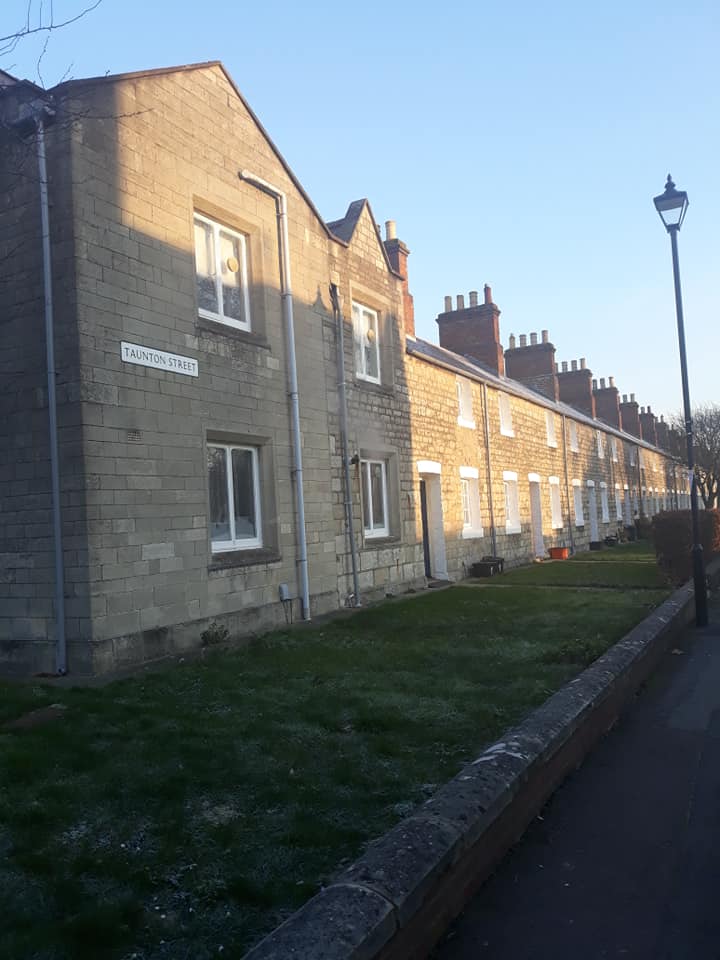
Taunton Street (3)The re-imagined story …
If you lived in Taunton Street you rubbed shoulders with royalty – railway royalty, that is. The first members of the Mechanics’ Institute Council Mr Grandison and Mr Fairbairn, lived in Taunton Street. Even old Mr Hurst, the first locomotive driver on the GWR, lived there although that was much later.

As a boy I was always in and out of the houses where so many of my friends lived. I used to play with James Bremner, his father was born in Scotland and was one of the first railwaymen to arrive in New Swindon.

But my best friend was Tom Hogarth and his twin brother George. Like my father theirs had moved down from the north-east in the early days of New Swindon.

Me and the Hogarth boys used to have a knock about in the park with an old cricket bat and ball. They were strict in those days, mind. The Works Manager Mr. Gooch published a notice warning parents to keep their children under control and to stop them damaging trees in the Cricket Ground. It was no idle threat either – if caught that boy would never be employed in the Works and his father could lose not only his job but his home as well.

DSC00136

Me and Tom never got up to any trouble though – or at least I don’t remember if we did. My mum would give me a clip round the ear for the slightest thing in those days. I was nimble on my feet, although that could make things worse and lead to a proper pasting when my father got home from work.

We were passionate about our cricket. I was a good little player as a boy, but not as good as Tom and George Hogarth. They went on to play for the GWR team and became famous when they played against the legendary W.G. Grace. Grace was having an unusually bad day and accused the GWR team of foul play and that they had fielded the same player twice. Tom and George had to be brought forward and stood side by side until the great man was convinced there was a pair of identical twins on the GWR team.

I liked James Bremner but Tom Hogarth was always my best friend. We had some fun together, though we never got into any trouble – well, not that I can remember.

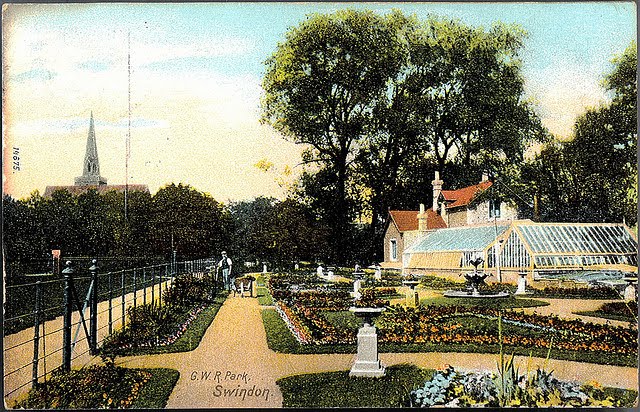
GWR Park

The facts …

Thomas Oswald Hogarth was one of twin sons born in a house in Taunton Street on September 10, 1850, the children of William and Isabel[la] Hogarth.

Thomas entered the GWR Works in February 1865 and during a long career served in many roles, firstly as a draughtsman. He then went on to become Timber Inspector in 1883, Assistant Manager of the Saw Mill in 1887, Assistant Manager in the Carriage and Wagon Works in 1895 and in 1901 the Manager. In 1902 he moved to the Saltney & Colcham Carriage Works, Cheshire where he worked until his retirement in 1911.

Thomas led a varied and active life in Swindon, serving on the newly incorporated Swindon Borough Council.

Borough of Swindon

Election of Councillors 1901

To the Burgesses of the North Ward

Ladies and Gentleman – I thank you most sincerely for the honour you have done me in again returning me unopposed as one of your representatives on the above Council and I hope that by carefully guarding your interest, to maintain the confidence reposed in me.

I am, Ladies and Gentlemen,

Yours obediently,

Thomas Oswald Hogarth “Woodlands” Swindon

Swindon Advertiser Friday November 8, 1901


Among his other interests he served as a director of The Swindon Steam Laundry Co Ltd in 1891.

Thomas married Eliza Ann Morgan, a neighbour from Taunton Street, in 1874 in the Cookham, Berkshire registration area. They began married life back in Taunton Street where they had their four children. Eliza died on April 12, 1890 and at the time of the 1891 census the widowed Thomas was living at 1 Rolleston Crescent with their four children. In 1901, the year before Thomas left Swindon for Cheshire, he was living at Woodlands House, a property allocated to GWR managers.

Old Railway Servant

News was received at Swindon on Friday of the death at Chester of Mr Thomas Oswald Hogarth a prominent Great Western Railway official who retired two years ago.  Mr Hogarth, who was 64 years old, was born at Swindon, and entered the service of the Great Western Company as an apprentice in 1866. He became a draughtsman and rose to the position of assistant manager in the carriage and wagon works, retiring two years ago. Mr. Hogarth was a prominent Freemason and his father was the first foreman in the smith’s shop of the company’s works at Swindon.

The Midland Daily Telegraph, Saturday, January 10, 1914

Mr Thomas Oswald Hogarth of The Groves, Chester, engineer, manager of the Great Western Carriage and Waggon Works at Saltney for ten years £1,794.

The Manchester Courier Thursday February 19, 1914.

Hogarth Thomas Oswald of 20 the Groves Chester died 7 January 1914 Probate Chester 6 February to Ethel Pearman (wife of Thomas Edward Alliman Pearman) and William John Hogarth clerk in the Great Western Railway Company. Effects £1794 6s 1d. Resworn £1874 18s 10d.

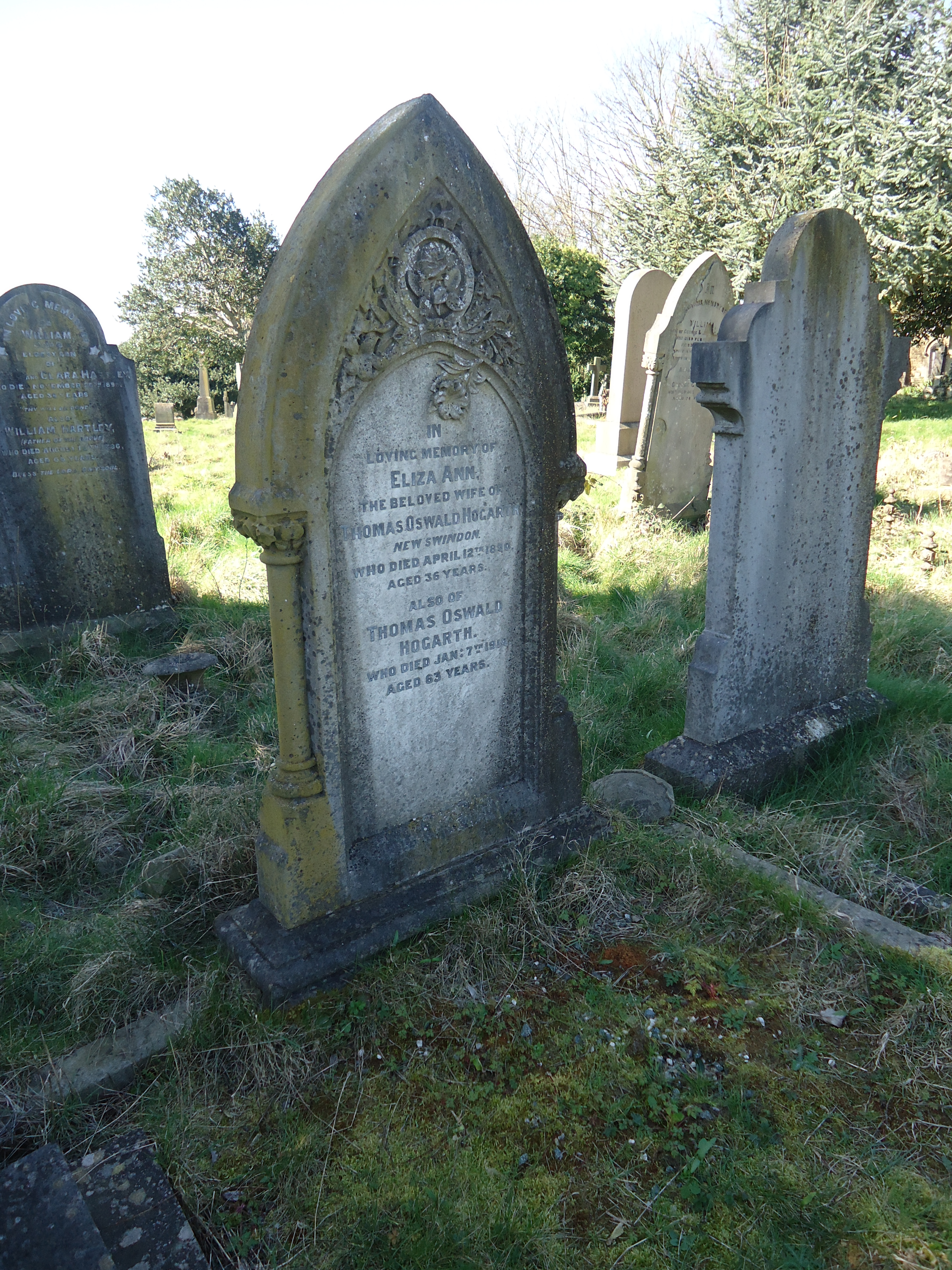
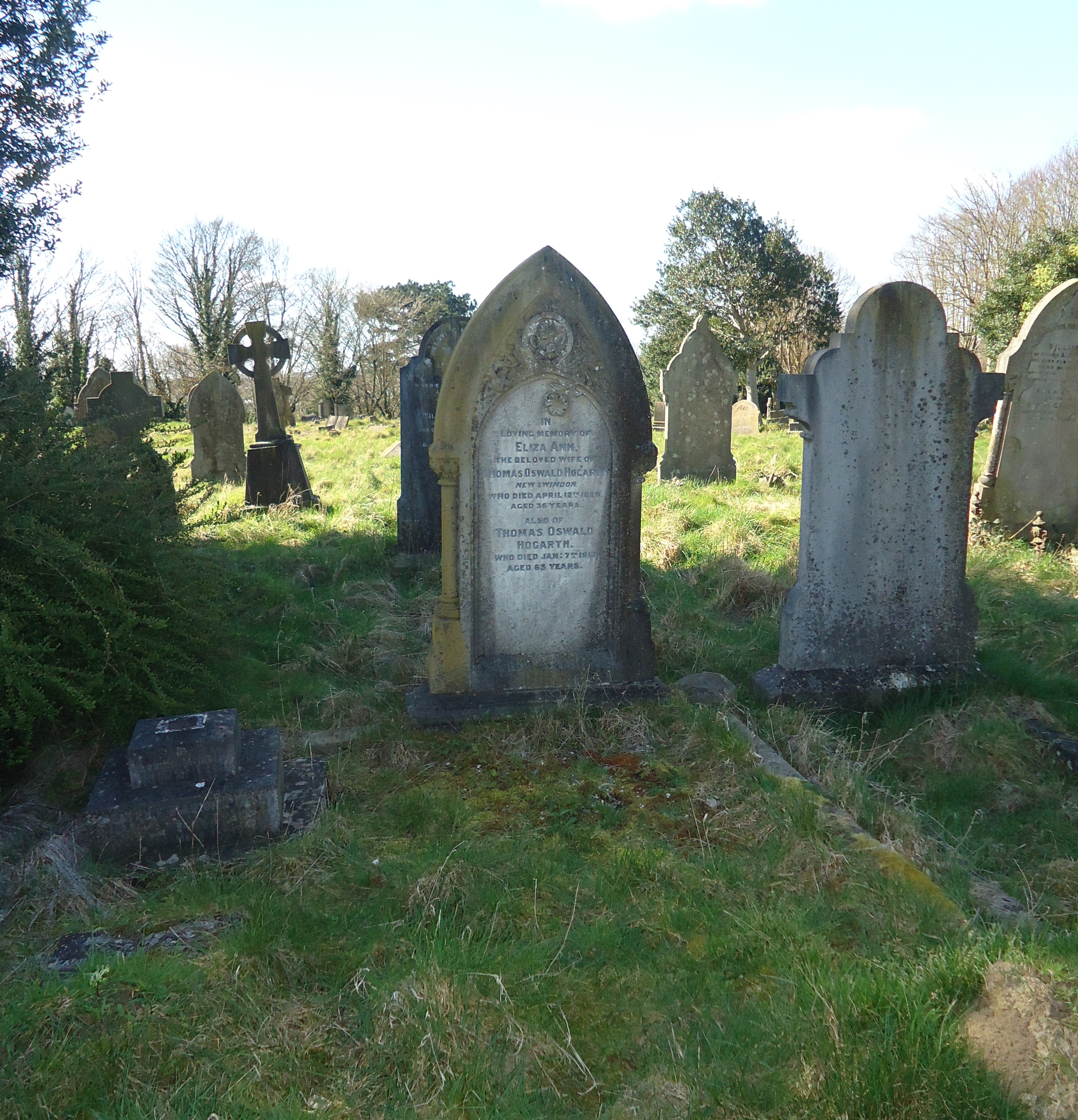
Eliza A and Thomas Oswald Hogarth

Thomas died at his home in Chester. The family returned his body to Swindon where he was buried on January 10, 1914 in plot E8245 joining his wife Eliza. Their daughter Beatrice, her husband Henry and two of their children John Robert and Harriet Elizabeth Pease are buried in the neighbouring plot E8246. 

Eliza A and Thomas Oswald Hogarth (2)

You may also like to read

William and Isabel Hogarth and the old days

William and Isabel Hogarth and the old days

The re-imagined story …

My grandson is moving to Bristol next week. I shall miss him. He’s very good to me. But he says he’s bored with Swindon, says he needs a challenge.

I miss the old days though, and I miss men like William Hogarth. We worked together  in the boilermakers’ shop. He came to New Swindon in the very early years, I came from the same neck of the woods in 1856, a young married man with two small bairns. We had a lot in common.

Everything about the new town was challenging then; hard, but exciting at the same time. Everyone had arrived from somewhere else, had different accents, different ways of doing things, yet we all came together to create a community.

And after we built the Mechanics’ Institute, well there was always something going on there. Some weeks I was out every night at events and meetings and talks.

But now the youngsters say Swindon is boring. I suppose that’s the way of the young; looking for new challenges, new adventures.

I miss the old days though, and I still miss William Hogarth.

Taunton Street 2

The facts …

William Hogarth was born on May 13, 1811 at Bywell, Northumberland the son of Robert and his wife Anne White Hogarth.

He married Isabel[la] Johnson at St John’s Church, Newcastle upon Tyne on June 6, 1835. The couple’s eldest two daughters were born in Northumberland and a son, William, in Durham before the family moved south to Swindon and a home in Taunton Street. They had a further seven children, including a set of twins Thomas Oswald and George White Hogarth.

William became the first foreman in the smith’s shop at the Swindon Works and by 1861 the family were living at 7 Faringdon Street in one of the larger properties reserved for foremen.

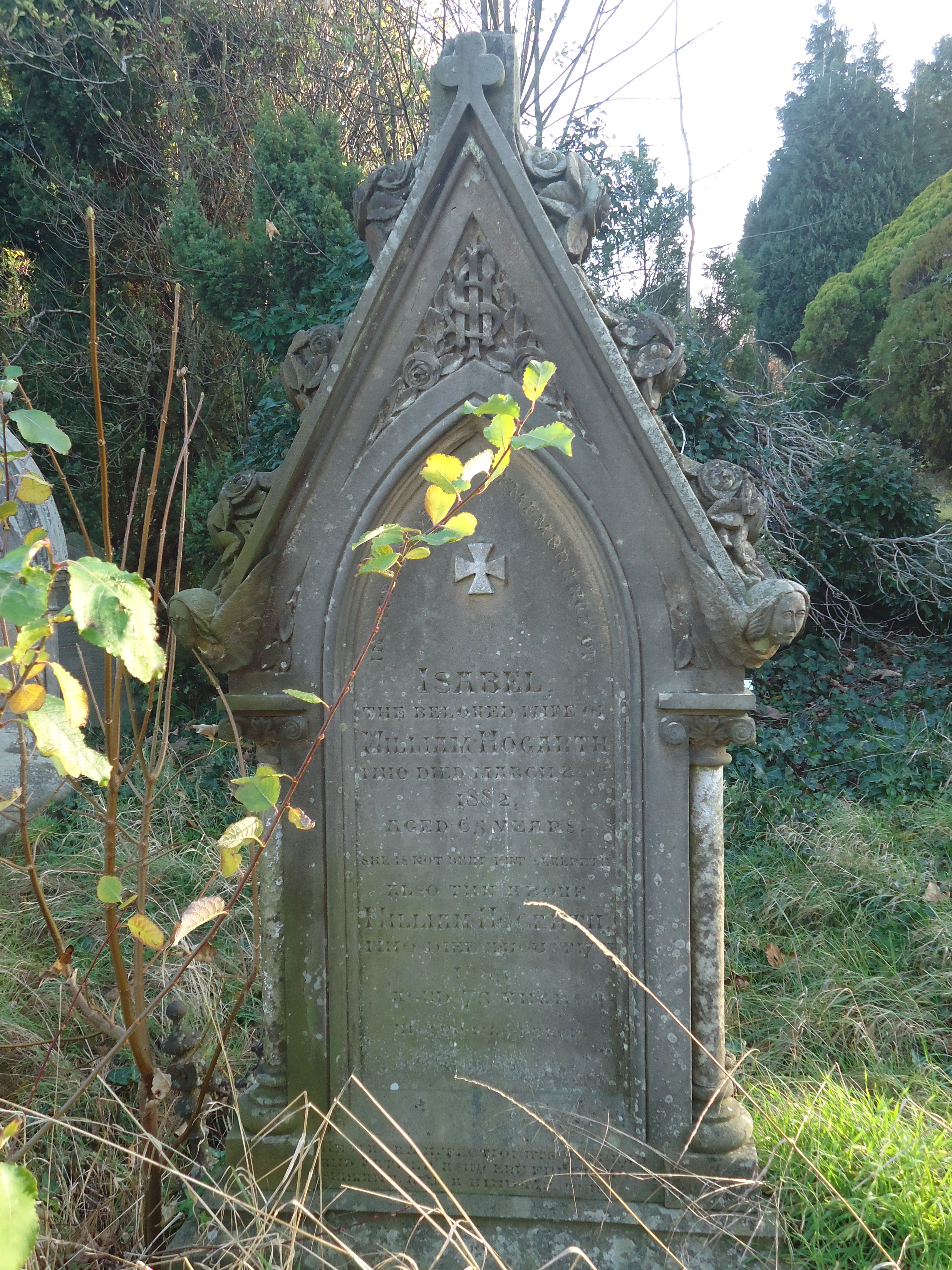
Isabel(la) died on March 25, 1882 aged 65 and William died on August 17, 1885. They are buried together in plot A1082.

We are sorry to notice the death of another old and highly-esteemed New Swindon man in the person of Mr William Hogarth. We believe we are correct in saying Mr Hogarth came to Swindon some forty years ago, shortly after the starting of the railway works, and that for very many years past he had filled with perfect satisfaction to the railway officials the important position of foreman or superintendent of the smiths’ and boiler makers’ department. Up to the recent Trip holidays Mr Hogarth was in the enjoyment of his usual good health, but he was then seized with illness, which proved fatal on Monday last. The funeral of deceased took place on Thursday last, and was very largely attended, the department over which he had so long presided being closed in the afternoon to enable the workmen to attend and pay their respects to the memory of one with whom they had been for so many years on such close terms of intimacy.

The Swindon Advertiser, Saturday August 22, 1885.

Isabel and William Hogarth (2)

Hogarth William 24 October 1885 Personal Estate £3,230 10s

The Will of William Hogarth late of 7 Faringdon Street New Swindon in the County of Wilts Mechanic who died 17 August 1885 at New Swindon was proved at the Principal Registry by William Hogarth of 27 Buckingham Street Brighton in the County of Sussex Proprietor of an Opera Company and Robert Hogarth of 5 Merton Street, New Swindon Mechanic the sons and Joseph Robinson of 9 Faringdon Street Mechanic the Executors.

Faringdon Street was later renamed Faringdon Road and the numbering was re-ordered.

You may also like to read

Thomas Oswald Hogarth – Howzat!

Charlotte Lawes and Sarah Nicholas – looking good, ladies

The re-imagined story …

The path from the Dixon Street cemetery gate to the one at Kent Road was steep and she usually had to pause half way up to catch her breath. It was a nice spot, her resting place, and she quite liked the one chosen by Charlotte Lawes and her neighbour Sarah Nicholas as well – not that she was planning on joining them anytime soon. Although many more journeys up Deacon Street carrying shopping might well finish her off, she thought.

She wondered what their funerals had been like. Did they have the full works, black coach and plumed horses? She had rather fancied a funeral like that herself until her daughter asked – “What, like an East End gangster?” That had rather put her off.

There were not many headstones in this part of the cemetery and some of those that remained were badly weathered. She wondered who they all were – the people buried on this, the steepest part of the cemetery. She sympathised with the funeral director and his men who had to carry the coffins up this steep slope. Two bags of shopping were quite heavy enough.

Right, she took a deep breath; not much further to the Kent Road gate. Goodbye Charlotte and Sarah until next week – looking good, ladies.

The facts …

When the cemetery opened in August 1881 the first burials took place in Section A. Perhaps the methodical Victorians planned it that way. Perhaps the families burying their loved ones had no choice. Perhaps Section A was the first area ready to receive burials in the hastily constructed cemetery.

August 6 – Frederick Gore, 54, a house painter plot A140; Albert Edward Wentworth, 1 month old, an infant plot A139 and three days later, Mary Grave Hill, 8 years old, a child A138. So many burials in August 1881 – Edwin Hemmings, undertaker; Benjamin Smith, auctioneers’ clerk; Thomas Basson, labourer and so many babies and children.

Section D and E boast many memorials. Some large and impressive – guardian angels, maidens weeping – some more modest, kerbstones around the plot bearing a name. In Section A there are few surviving headstones. There were probably never many anyway as this is where the early railwaymen and their families were buried. Difficult enough to pay for a funeral, let alone a gravestone. Difficult enough to live.

Charlotte Lawes lies alone in plot A539. She died on April 2, 1883 leaving a personal estate valued at £123 5s 6d to her sister Elizabeth Palmer. Perhaps Elizabeth paid for the headstone out of her inheritance.

Charlotte was born in Bath and baptised at St. James’ Church on February 8, 1818. Her mother’s name was Jane and her father John was a tailor. Charlotte had at least one sister, the aforementioned Elizabeth, and the family lived in Bathwick. By 1851 sister Elizabeth was married but Charlotte was still single and working as a barmaid in Bath.

On March 9, 1857 Charlotte married William Arundel Lawes in St Mark’s Church, Lyncombe. William was an engine fitter living in Swindon and considerably younger than Charlotte. The couple had no surviving children.

By 1861 the couple were living at 32 Westcott Place. Ten years later they were living in the railway village at 41 Taunton Street where William died the following year. He was buried in the churchyard at St. Mark’s, the church in the Railway Village, where Charlotte saw to it that he had a fine headstone, too.

Charlotte remained living at 41 Taunton Street where at the time of the 1881 census she is recorded as a widow aged 64 sharing her home with a boarder, John Newman 31, a draughtsman in the Works.

Like New Swindon itself, Section A was a busy place with people arriving all the time. John Crane, a 63 years old labourer from 20 Queen Street was buried in the plot next to Charlotte on March 13, 1883, shortly before she moved in. This grave plot appears to be a public one – no sold sign written in the burial registers.

It would be almost twenty years before anyone else joined Charlotte and John. Then on February 25, 1901 Sarah Nicholas was laid to rest next to Charlotte and another gravestone was erected. Sarah had died aged 81 at her home in Cheltenham Street. She left effects valued at £138 18s 1d to Edmund Jones, a builder, enough to erect this fine gravestone.

And so, the two women have lain in rest side by side for more than a century. Looking good, ladies.

Sarah Ann Shulze – a peaceful end

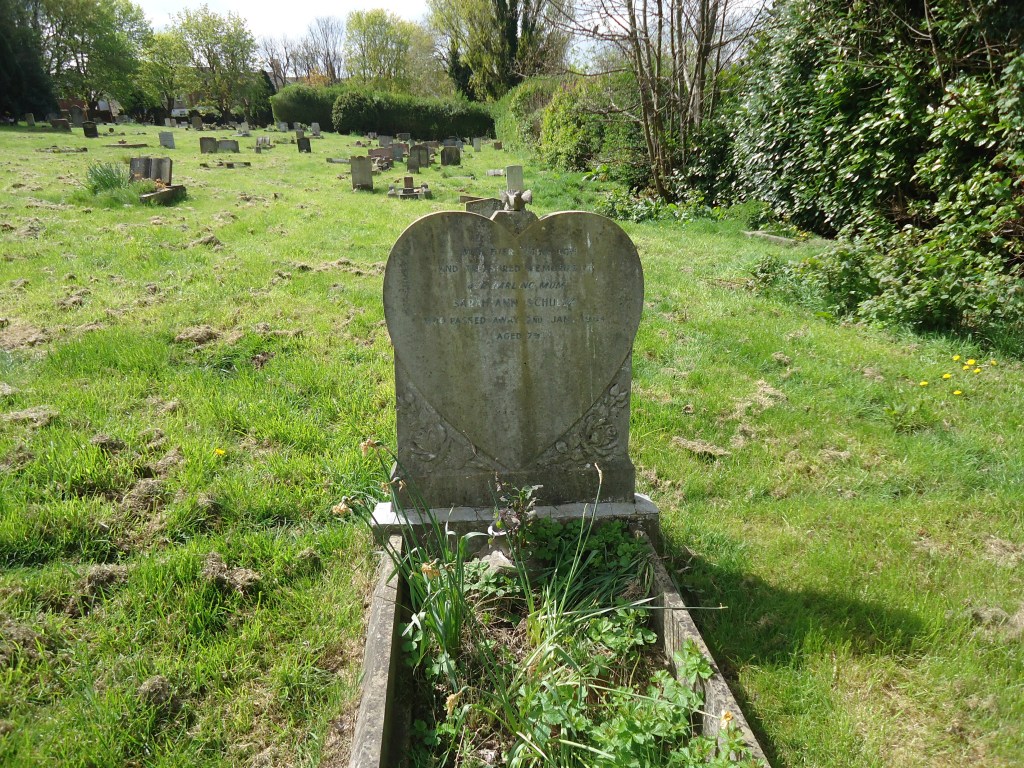
This gravestone was erected by the children of Sarah Ann Shulze who died on January 2, 1964 at the Victoria Hospital, Swindon.

This beautiful heart shaped headstone displays a dove, symbolic of peace and I can’t help but wonder if perhaps Sarah had a life lacking in peace.

Sarah Schulze was born in Avon near Chippenham in 1884, the daughter of George Poulton and his wife Emma. In 1903 she married George William Schulze, the son of Albert Gustav Schulze, a military tailor and cap maker born in Germany.

Albert was living in Aldershot at the time of his marriage in 1876, but the family obviously moved around a fair bit. George was born in 1879 in Norwich while his sister Clara was born in Ireland. In 1881 the family were living in Scotland and by 1891 they were back in Aldershot.

By 1911 George, now married to Sarah Ann, was living at 16 Gordon Gardens here in Swindon where he worked as a Traffic arranger in the Rolling Mills in the GWR Works. The couple had seven children, including little Freda Saturnia who died at the age of 5 on December 23 1914 at the family home, 30 Reading Street.

George died in 1955, a patient at Roundway Hospital, the psychiatric hospital near Devizes. Sarah survived her husband by almost ten years.

I can’t help but wonder how this family with such an obvious German sounding name had coped with living through a period of two world wars.

Archibald Edward Knee – Tell Them of Us

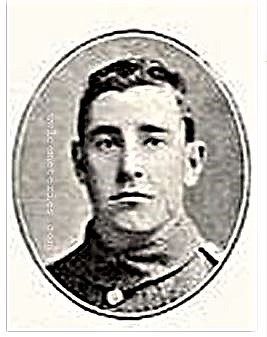
Archibald Edward Knee was born in Stroud in 1892, the son of Francis and Rose Knee. The family later moved to 123 Albion Street where Francis worked as a railway carriage painter in the GWR Works and Rose cared for their seven young children. Archibald joined his father in the GWR Works on leaving school, working as a railway carriage painter and sign writer; a job he could safely expect to hold for life.

Archibald enlisted in the Wiltshire Regiment in July 1915, when a war initially anticipated to be over by Christmas 1914 approached its first anniversary. He embarked for France on New Year’s Eve 1915, part of desperately needed reinforcements at the front.

Archibald Edward Knee

The British army began preparing for the ‘big push,’ in the Spring of 1916. It was believed this allied offensive would finish the war. The Battle of the Somme, in which more than 57,000 British soldiers were killed, wounded or reported missing during the first 24 hours of action, was yet to come.

The 1st Battalion of the Wiltshire Regiment was at Pylones, three kilometres north of the German held Vimy Ridge. The German army bombarded this section of the Western Front on May 21, firing everything at their disposal, including gas and lachrymatory (tear gas) shells.

The men of D Company were in battle by day and making running repairs to fencing and trenches throughout the night.

Lt Col W.S. Brown recorded the events of May 24 in the regimental war diary:

“In the trenches. The enemy were able to reach the Birkin Crater post with Cylinder stick bombs and some casualties were caused.

Many rifle grenades were fired at the outpost line of P73: those fired in retaliation appeared to do considerable damage. After 5 p.m. the enemy fired several heavy trench mortars at P74 and P75 and also at the head of Grange C.T. Snipers claimed three Germans. Repairs to the P line were carried out and a large amount of wire was put out along the whole front during the night of 24th/25th.”

Private F. Daniels of A Company was killed outright. Lance Corporal Knee was among 10 other casualties that night.

Archibald was taken to the 22nd General Hospital at Etaples where he received emergency treatment. He had suffered a gunshot wound to his left thigh, which in itself would probably not have proved life threatening. It was the effect of the German gas attack that proved fatal. Archibald developed gas gangrene and died at 11.20 on the morning of May 29. He is buried in the Etaples Military Cemetery.

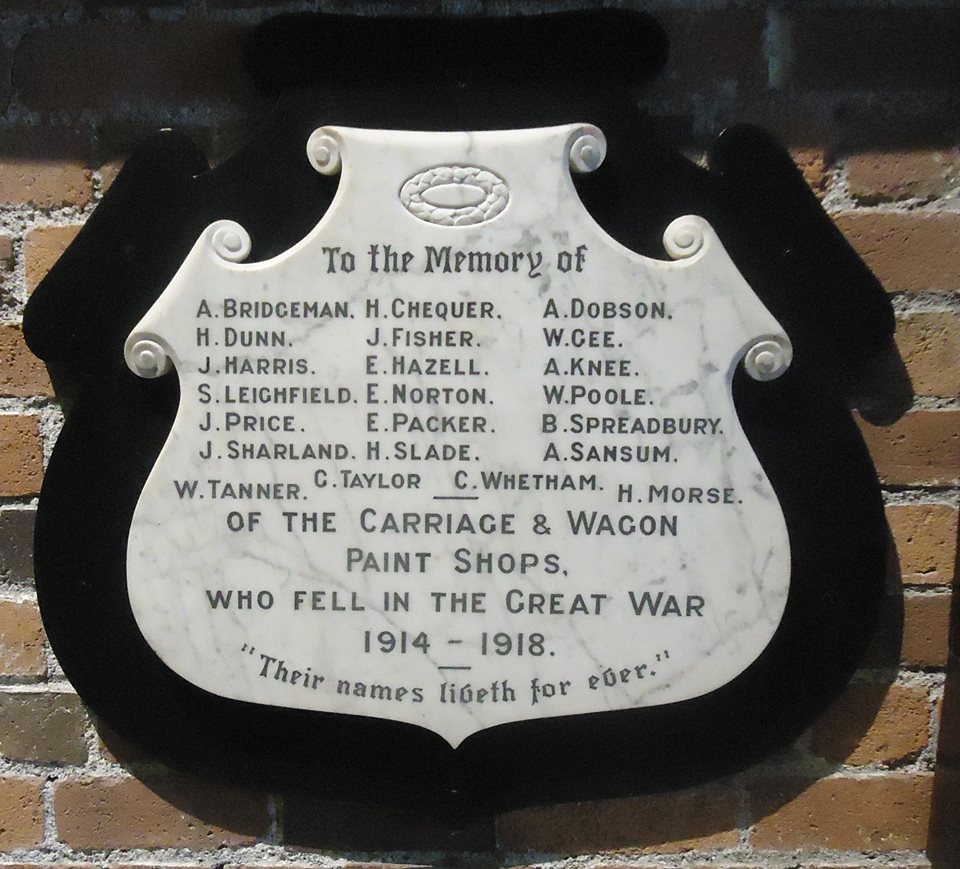
Archibald’s name appears on the memorial dedicated to the memory of those from the Carriage & Wagon Paint Shops who gave their lives in the Great War. This plaque can now be seen in the STEAM Museum.

#TellThemofUs

#MarkSutton

Sapper Archibald Walter Sheppard – Tell Them of Us

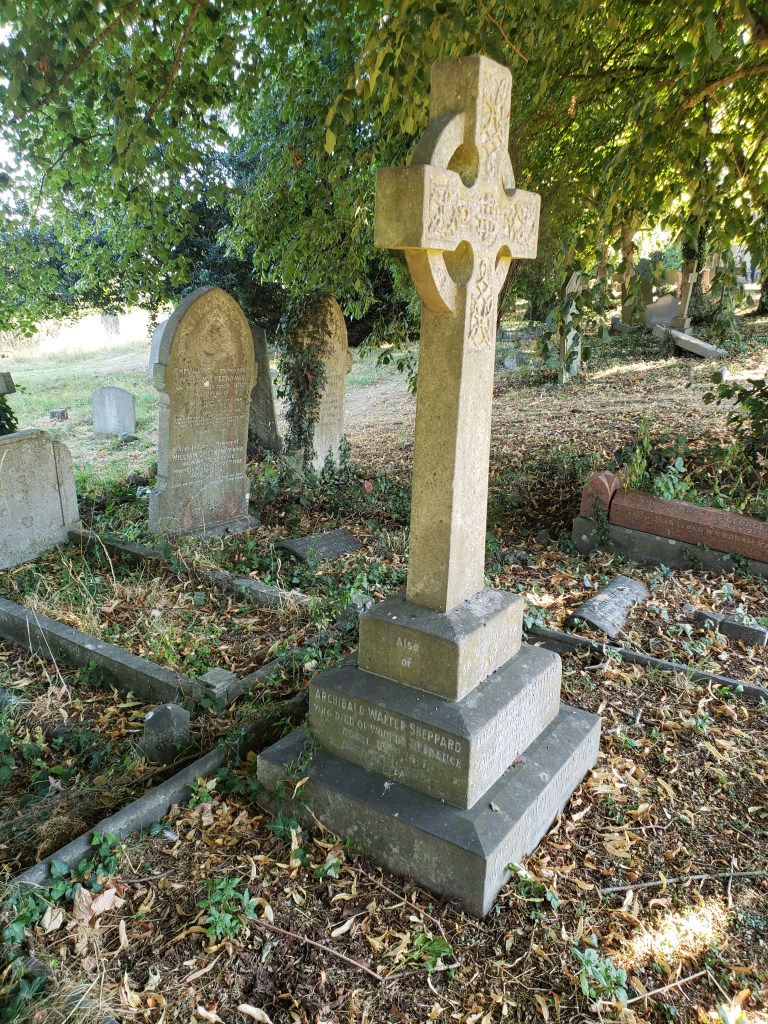
The Commonwealth War Graves headstones stand out proud across Radnor Street Cemetery, the area around them kept clear and accessible by our dedicated team of volunteers. But these are not the only war dead commemorated by Swindon families. Many family memorials carry the name of a lost loved one buried on the First World War battlefields. Were those grieving families able to visit their graves; probably not. So they came to their local cemetery and remembered them here.

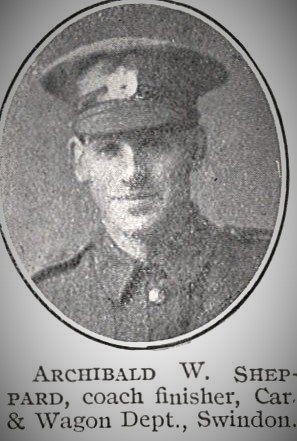
Archibald Walter Sheppard was born on May 4, 1888, the youngest of William and Eliza’s seven children, and grew up in the busy family home in Clifton Street. He began work aged 14 years old as an office boy in the GWR Works and then completed a 6½ year apprenticeship in the Pattern Making Shop, receiving his certificate on May 20, 1909.

Sadly, his military records have not all survived, so we do not know when he enlisted. We do know that Sapper Archibald Sheppard was serving with the Royal Engineers 455th Field Company at the Battle of Arras in April 1917. It is believed he was wounded during fierce fighting at Monchy le Preux. He died of his wounds on April 18 at the 19th Casualty Clearing Station at the village of Agnez le Duisans and is buried in the Duisans British Cemetery Extension.

His parents William and Eliza both died in 1931. They are buried in this large double plot C1999 and C2000 with their sons William Henry who died in 1908, and Albert Leonard Sheppard who died in 1963 and his wife Ellen Gertrude who died in 1935.

And remembered on this fine memorial is the name of their youngest son Archibald who is buried in a grave far from home.

Maurice Carew Swinhoe – banana planter and exporter

Dr George Money Swinhoe was the GWR surgeon at Swindon between c1861 to his death in 1908. He and his wife Diana produced a large family based first at 4 London Street and then later at Park House, which served as family home and doctor’s surgery. They had eight daughters, one of whom died in infancy, five who married and two who didn’t; of their five sons one entered the military, one trained as an engineer and two became doctors working alongside their father. Youngest child Maurice chose a somewhat different career – that of banana planter and fruit exporter working with Elder & Fyfe in Kingston, Jamaica.

Unfortunately Maurice was in Jamaica when an earthquake occurred on January 14, 1907. The first terrifying reports stated that almost all the buildings in Kingston had been destroyed and there was a great loss of life. In the following days an estimated 20,000 people were made homeless, camping out on the racecourse. One report told how ‘continual religious services are being held, in which the people join with hysterical fervour.’ While fires continued to rage in the dock area, a tsunami flooded the lower part of Kingston. The death toll quickly escalated with 1,000 declared dead, although this figure was thought to be an inaccurate and low estimation. The earthquake was described as one of the world’s deadliest recorded in history with aftershocks still being recorded up to March 22, 1907.

Maurice survived and in due course returned to England, but it would appear from the obituary published in the North Wilts Herald, Friday, September 29, 1911 that he never fully recovered from the ordeal.

A Swindonian in Jamaica

News from Mr Maurice C. Swinhoe

On Sunday a cable message was received by Dr George Money Swinhoe from his youngest son, Mr C. Maurice Swinhoe, who went out to Jamaica and settled near Kingston some five or six years ago, stating that he is safe, having, happily, escaped those terrible consequences of the recent earthquake which have been shared by so many.

It is hardly necessary to say that the message, so eagerly looked for, has afforded considerable relief to Dr. Swinhoe and the members of his family.

As stated a fortnight ago in the “Advertiser,” Mr Maurice Swinhoe went out to Jamaica some five or six years ago, and settled some three miles outside Kingston, where he threw in his lot with a partner, possessing an extensive banana plantation, as a planter. Close by the plantation is the racecourse, covering a wide stretch of turf, and, according to the reports received from the stricken area, it was upon this racecourse that the desolated people camped out. Dr. Swinhoe, however, received no news from or concerning his son, and, naturally, the absence of any intelligence gave rise to a little anxiety.

Dr Rodway Swinhoe was, perhaps, the most sanguine member of the family for when fears for the absent one’s safety were beginning to be felt, he said to an “Advertiser” reporter in the course of an interview, “I don’t think anything can have happened to my brother. You see, he picked up a little medical knowledge while out there, and no doubt he has been so busy doing what he can for the sufferers that he has not had the time or opportunity to send any word home.”

The Evening Swindon Advertiser Monday, January 28, 1907

Death of Mr M.C. Swinhoe

The death occurred on Wednesday at the residence of his sister, 11, St. Mary Abbott’s Terrace, London, W., of Mr Maurice Carew Swinhoe, [the youngest age,] was the thirteenth child of Dr. G.M. Swinhoe and was, of course, a brother of Dr. G.R. Swinhoe, of Swindon. Some years ago he went to Jamaica and was occupied as a fruit exporter, being connected with the well known firm of Elder & Fyfe at Kingston. He was in Jamaica at the time of the great earthquake, and a series of letters was published in the columns of this paper at that time vividly descriptive of the stirring phases of danger which the deceased experienced. He suffered much in consequence from nervous derangement, and returned to England, and some two years ago underwent an operation at Bournemouth. It subsequently transpired that this was of little avail, and a further operation was performed at St. Thomas’s Hospital, London. The deceased had been ill for a considerable time previous to his death.

North Wilts Herald, Friday, September 29, 1911.

The body of Maurice Carew Swinhoe was returned to Swindon where he was buried in grave E8228, a large family plot. He was 30 years old.

You might also like to read –

The Death of Mrs Swinhoe

Adelaide Carlton – on the move

Elm Villa published courtesy of Local Studies, Swindon Central Library.

We tend to mistakenly believe that in the past people lived and died in the area in which they were born, but in Swindon this was far from the case. The town of New Swindon was built on the migration of skilled railway workers arriving from all over the UK and Adelaide Carlton’s husband was one of them.

Samuel Carlton began his long and successful career as an apprentice at the Edge Hill and Crewe Works before moving on to marine engineers Pearson & Company and then to the Vulcan Foundry before joining the Great Western Railway at Wolverhampton.

In 1851 he was lodging at 12 Liverpool Street, Crewe with John Aston and his family, quite possibly a relative of dressmaker Adelaide Aston, whom he married that same year. Adelaide was born in Dudley, Staffordshire in 1834 and was only 17 years old when she married Samuel. She would spend the next 26 years producing babies and moving house.

Adelaide’s first child, Thomas William was born in 1852 and baptised at Christ Church, Crewe. Nine more children would follow and the birthplace of each one would log Samuel’s career progress and the many homes Adelaide would find herself living in.

In 1861 the family were living in North Road, Wolverhampton but Adelaide would soon be packing up the numerous knick knacks beloved by the Victorian middle-class housewife as they were on the move. In 1864 Joseph Armstrong, Superintendent of the Northern Division of the Great Western Railway at the Wolverhampton Works, moved to Swindon and an appointment as Locomotive, Carriage and Wagon Superintendent of the GWR. A year later Samuel followed him down to Swindon when Armstrong appointed him as manager of the Locomotive Works.

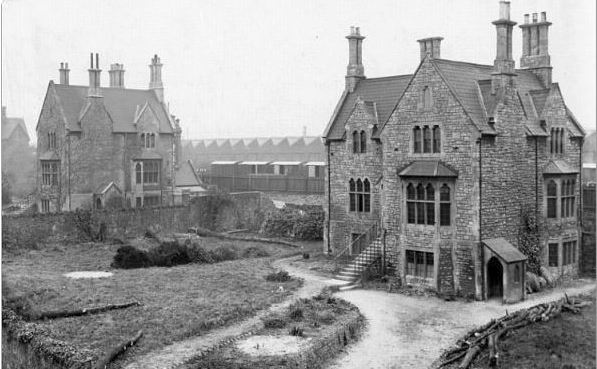
Marlow House left of image

At last Adelaide would be able to make a settled home for her growing family, but even once they arrived in Swindon that was not the case. Between 1871 and 1891 Adelaide and her family lived first at Elm Villa in Wellington Street before moving to Clifton House and then Marlow House, two managers’ properties built to the north of Swindon station.

Samuel retired in 1895 and died the following year. But Adelaide would occupy one more home before she joined her husband in Radnor Street Cemetery. For just a few brief years she lived at Lyndhurst House in Devizes Road with her unmarried daughter May and Minnie Nurden, a domestic servant. It was here that she died on July 19, 1901 following a long illness. She was 67 years old. Her funeral was described as being ‘of a very quiet character,’ much like Adelaide’s life had been. The first part of the service took place, quite fittingly, at St. Saviour’s, the little wooden church in Ashford Road which had been built by railway workers in 1889.

The pink granite obelisk memorial on Samuel and Adelaide’s grave was raised by the subscription of colleagues at the Swindon Works. The inscription reads:

This Memorial was erected by Officials and Workmen of the Great Western Railway and other Friends, to Mark the Esteem in which he was held during the 32 years he was Manager of the Locomotive Works at Swindon.

The grave covers two plots E8276 and E8277 and a note is mentioned in the registers, somewhat unusually, that it is a brick grave 7ft deep. Samuel and Adelaide were joined by their eldest daughter Alma when she died in 1948 at the grand old age of 91. There is also a memorial to the couple’s eldest son Thomas William who died on May 14, 1896 during a voyage to South Africa and was buried at sea.

You may also like to read:

Samuel Carlton – held in esteem