Hungry for more history?

Sunday September 15 saw the last day of the fab Heritage Open Days 2024 event. Apparently Swindon had more events on offer than historic Bristol, so we were well proud. Thank you to the fantastic Karen Phimister for all her hard work.

At Radnor Street Cemetery we welcomed more than 80 people to a guided cemetery walk. Yes, it was a bit crazy and yes, we were concerned that people couldn’t hear us, but we can’t turn people away and Andy and I both have loud voices!

I managed to attend quite a few other events (not as many as I would have liked) including an excellent talk at Swindon Central Library – Electric Wonderland? Women and the 1930s Modern Home by Sarah Yates.

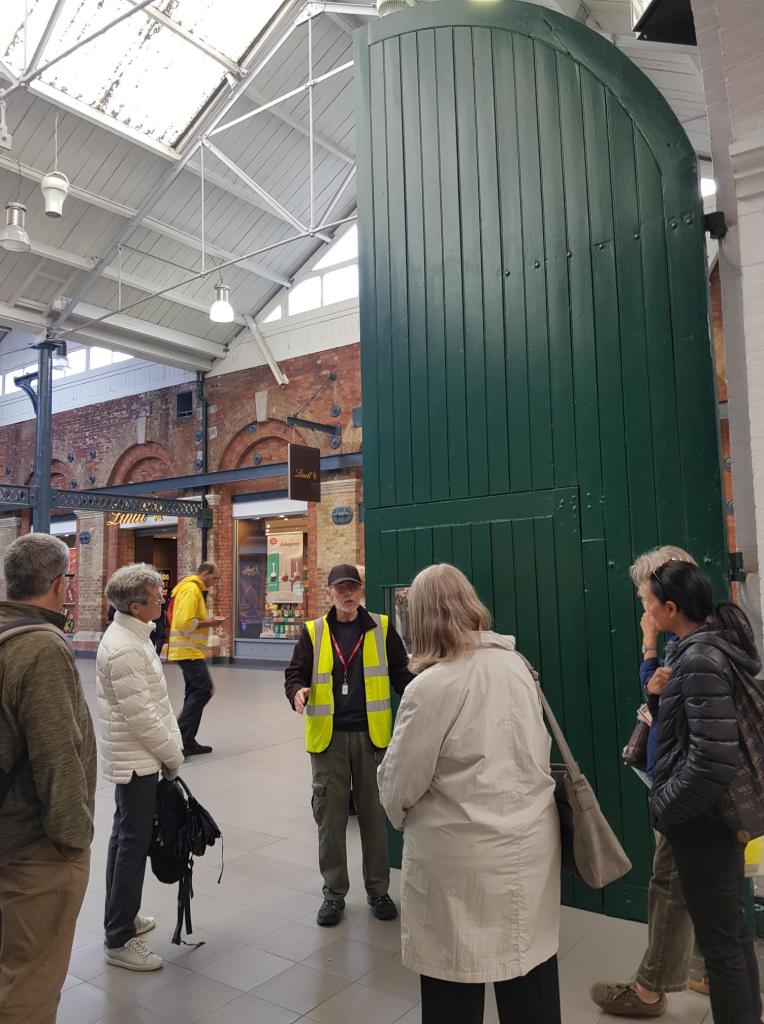
A guided tour of the Railway Village with Karen followed by a GWR Factory Tour with Gordon.

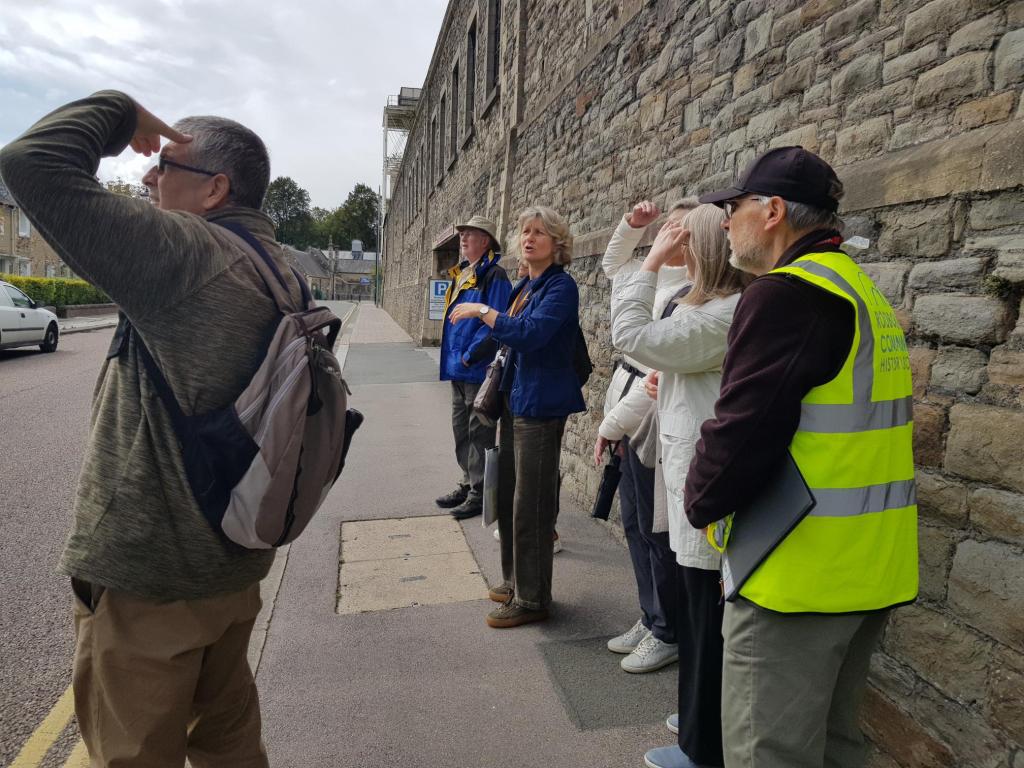
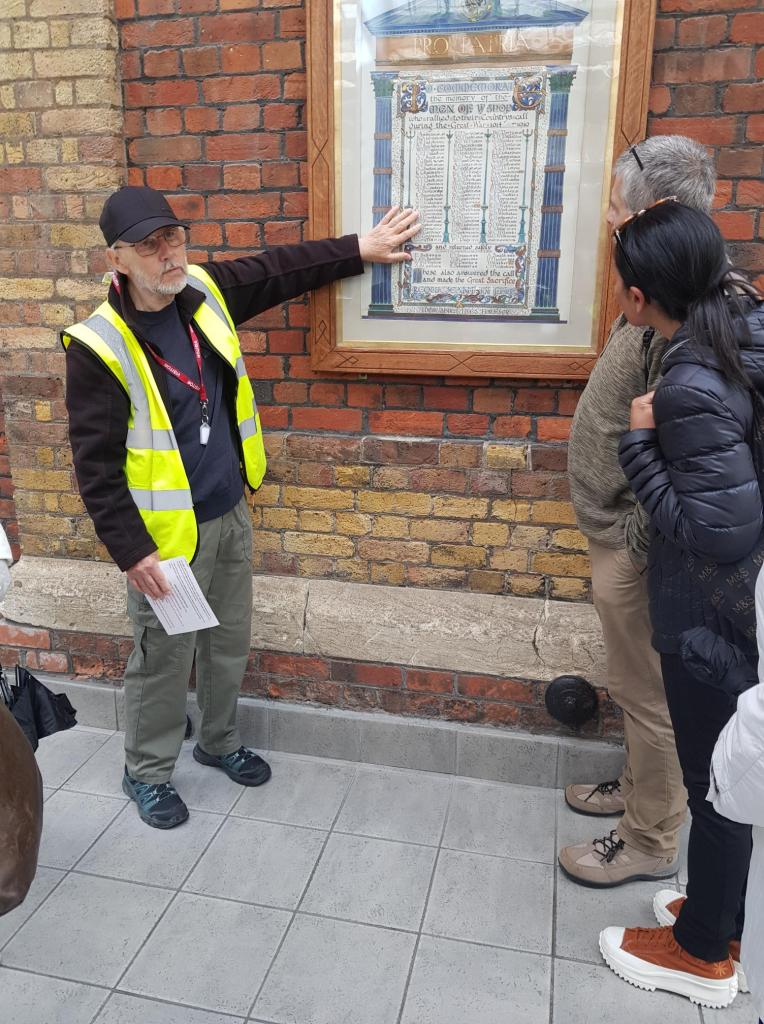
And then a guided tour of the Prospect Place Conservation Area with Michael and Geoff.

Here are a few photographs.

Radnor Street Cemetery guided walk

Guided tour of the Prospect Place Conservation Area

Railway Village with Karen

GWR Factory Tour with Gordon
And if you’re hungry for still more history join the Swindon Society for an Open Day this Saturday September 21, at the Lawn Community Centre on Guildford Avenue, running between 10.00am and 4.00pm.

August

These are difficult times for old cemeteries, long closed and with no dedicated caretaker and groundsmen. When interments take place only occasionally and few people attend their family graves, cemeteries today are quiet places.

Some complain about the lack of care and maintenance provided by local authorities whose budgets are sorely stretched. So, what is the answer for our cemeteries?

Highgate Cemetery in London has long led the way in cemetery conservation and guided cemetery walks. Opened in 1839 by a private company (as most Victorian cemeteries were) by the 1970s the cemetery was no longer a profitable concern and became neglected and vandalised. Today it is run by volunteers of the Friends of Highgate Cemetery Trust supported by some members of paid staff. Highgate remains a working cemetery although space for new burials is running out, which presents more problems.

Abney Park Cemetery in Stoke Newington is another of the ‘Magnificent Seven’ garden cemeteries of London. The cemetery was opened in 1840, again by a private company. In the 1970s the company went into administration and the cemetery was abandoned and fell into disrepair. Today it is thriving as a woodland memorial park and Local Nature Reserve maintained by the Abney Park Trust, a small volunteer led charity, and the London Borough of Hackney.

Our closed Victorian cemeteries pose a problem nationwide. In 1999 the Friends of Lister Lane Cemetery came to the rescue of the Halifax General Cemetery, again after a long period of neglect. This cemetery opened in 1841 and was designed according to the ethos of the period to be not only a burial ground but to provide a public space for walks and outdoor relaxation. The Friends group now cares for the cemetery with support from Calderdale Bereavement Services when funds permit.

Here in Radnor Street Cemetery we have a small team of volunteers who attend to not only the Commonwealth War Graves, but other graves where a fallen serviceman is remembered. Occasionally the Community Payback Team are allocated to the cemetery and always perform valuable work. Sadly, the local authority can only perform the most basic of maintenance and mowing now takes place just once a year.

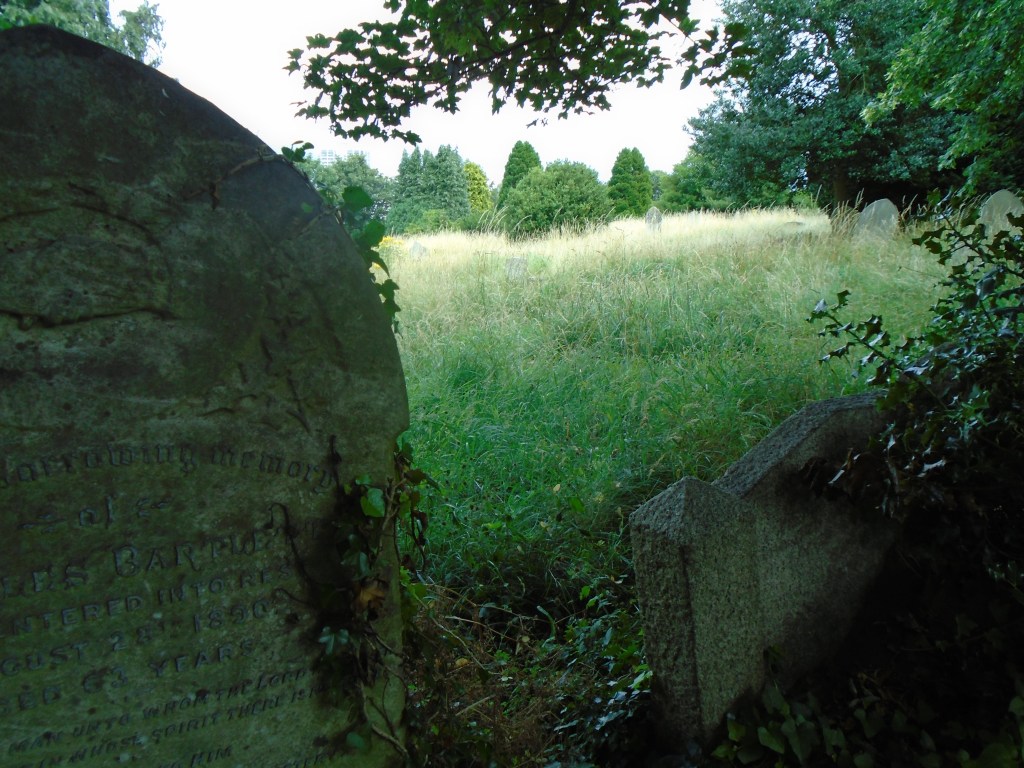
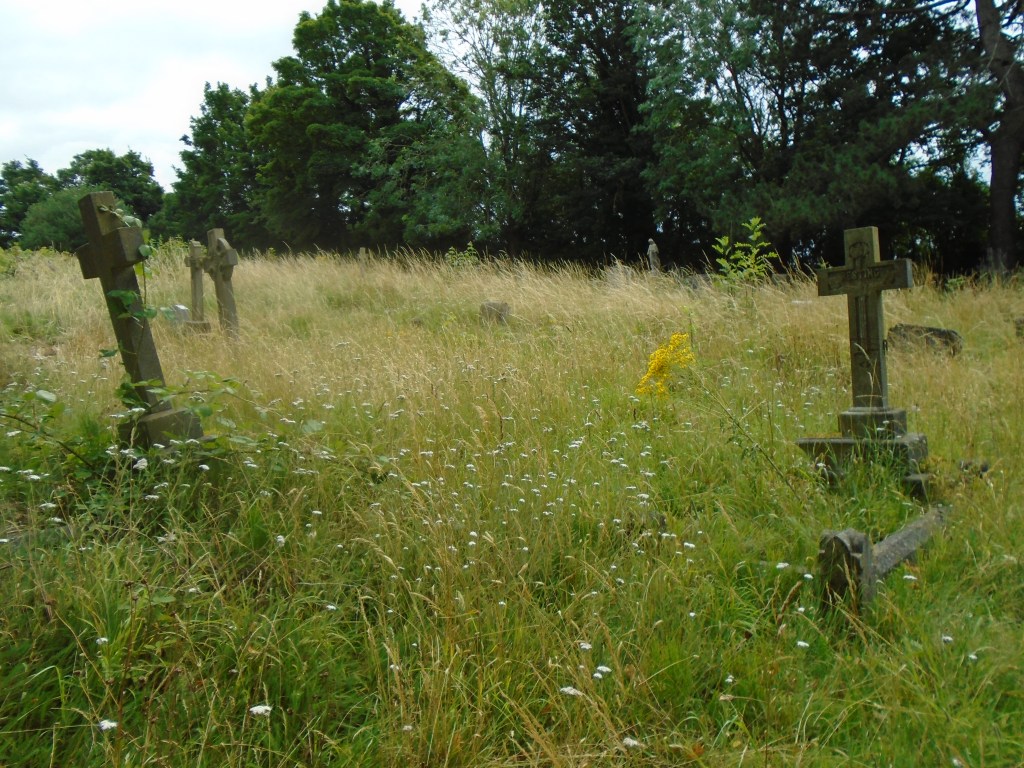
The summer of 2024 has served up a combination of heavy rain and long, hot sunny days. Today the cemetery is a vision of wild abandonment. A place of serene beauty and perfect for the proliferation of wildlife and biodiversity in this densley populated urban area. For the time being we must try to be patient and rest awhile, as the cemetery residents are so well practised at doing.

You may like to join us for a guided cemetery walk during the Heritage Open Days next month. Meet us at the cemetery chapel Sunday September 15 at 1.45 pm for a 2 pm start.

Heritage Open Day event

As part of the Heritage Open Days event this September, I will be conducting short, guided churchyard walks at St. Mary’s Church, Lydiard Park. These will take place at 2pm and 3pm Saturday September 11 (today) and Sunday September 12 (tomorrow) and at the same time next weekend Saturday 18 and Sunday 19 September.

This memorial, just inside the churchyard gates, records the burial of Jonas Clarke who died on March 31, 1862 aged 74. The names of his two young grandchildren Cordelia Ann Carey and her brother Jonas Carey are also mentioned although they are not recorded in the burial registers so it is possible they were buried elsewhere.

Jonas was born in Minety in 1787 where he spent his early adult life. He married Elizabeth Fitchew in 1816 but the marriage proved to be unsuccessful and by 1818 he had entered into a relationship with Alice Pinnell. The couple had seven children but had to wait more than thirty years for the death of Elizabeth before they could marry.

Their children were baptised at All Saints’ Church, Oaksey and St Michael’s, Brinkworth and took the names Clarke Pinnell. Various Clarke Pinnell marriages took place at St. Mary’s, Lydiard Tregoze including a double wedding on May 4, 1841 when Sarah Clark Pinnell married Thomas Hall, a yeoman from Broad Blunsdon and her sister Jane married Francis Carey, a yeoman, also from Broad Blunsdon. The girls’ parents Jonas and Alice were eventually able to marry at St. Mary’s in 1853.

Jonas Clarke, farmed at Wick Farm just beyond the entrance to Lydiard Park, next to the Rectory, from about 1839 until his death in 1862, when his son Jonas Jnr took over. Farm accounts dated 1869 reveal that during the month of June, Wick Farm produced an average of three cheeses a day, over 90 in total during that month. In October of the same year there were 110 cheeses in the cheese room weighing over three tons.

The area around St. Mary’s church and Lydiard House was developed in the 1980s and 90s when street names were often taken from ancient field names. Two fields on Wick Farm called Green Down and the Green Down Mead were adopted for the new Secondary School. (The school has since changed its name to Lydiard Park Academy). The Prinnells estate takes its name from one of the Wick Farm fields, as does the area known as Freshbrook.