A Swindon Time Capsule

If you’re looking for a last minute Christmas gift for a history loving member of the family then I can recommend A Swindon Time Capsule.

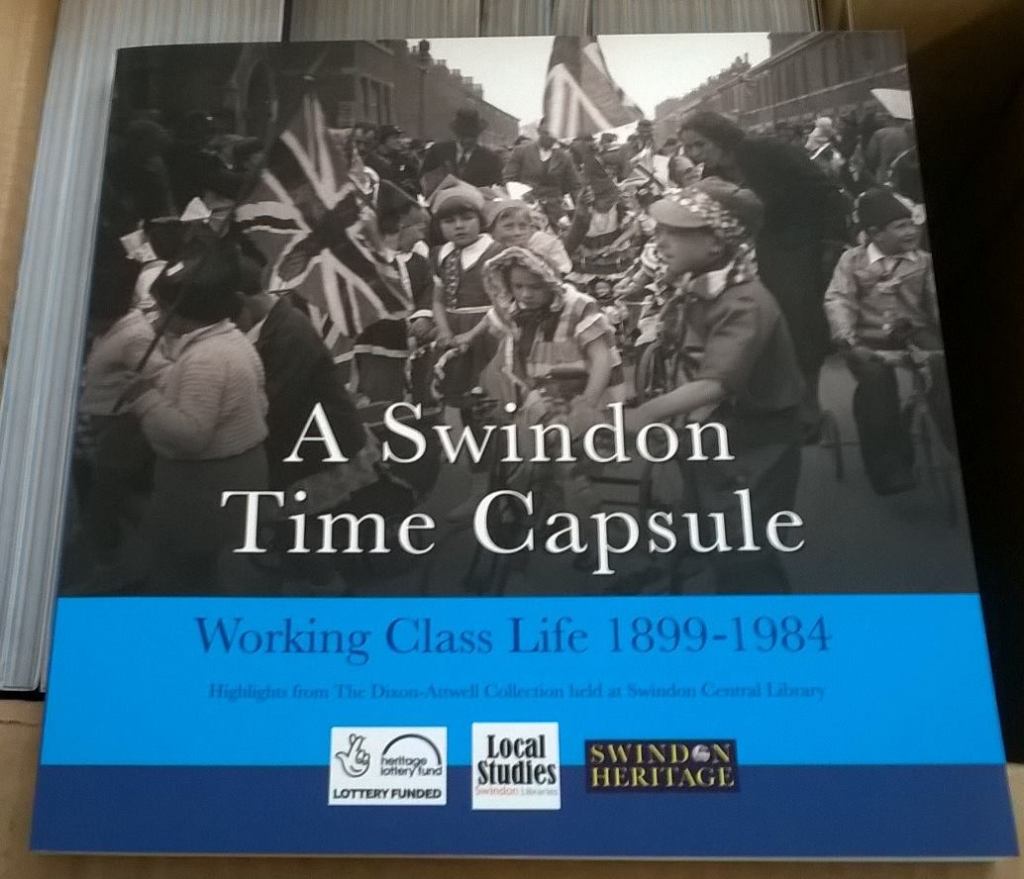
In 2018 the Swindon Heritage team in partnership with Mike Attwell and Local Studies, Swindon Central Library (supported by funding from the HLF) produced an *award winning book entitled A Swindon Time Capsule: Working Class Life 1899-1984.

The book came about following a donation to the Swindon collection made by Mike Attwell when he cleared his family home following the death of his mother Audrey.

Audrey was the daughter of Jack Dixon, a second generation Swindonian whose grandparents George and Mary Hemsley and Francis and Martha Dixon migrated from the North East of England between the years 1840-1850.

George Hemsley worked as a fitter and turner and Francis Dixon as a boilermaker who with their wives were pioneer residents in the new railway town. Both men were active members of the New Swindon society, George was a member of the Liberal & Radical Association and co-founder of the New Swindon Industrial Co-operative Society. For more about George’s life see.

Francis Stephenson Dixon married Martha Charlton at the church of St. Andrew, Newcastle on May 21, 1843. By the time of the 1851 census they were living in Taunton Street with their two children, John 7 and 11 months old Ann.

And like so many of the early railway settlers in Swindon, members of the Hemsley and Dixon families found their final resting place in Radnor Street Cemetery. Francis died at his home, 10 Faringdon Street, on January 2, 1884 aged 63. The cause of death is recorded as cardiac disease. He was buried on January 3 in plot D8283 where his wife Martha followed him the following year.

The Dixon-Attwell family, apparently threw nothing away. As a result ordinary ephemera such as clothing catalogues and dance cards have survived along with apprenticeship indentures and military service records and provide a unique example of everyday life from 1899-1984. A selection from this vast collection can be viewed here.
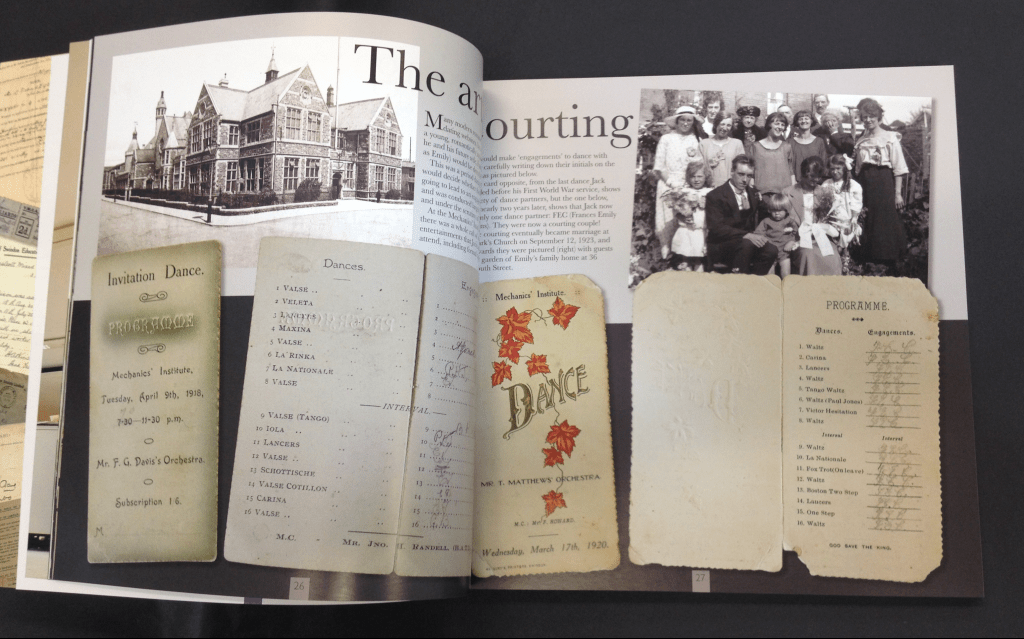
*In 2019 a Swindon Time Capsule won the Alan Ball award, which rewards local organisations for their work to promote and share local history. Copies of the book are available from the Library Shop.

Swindon and District History Network

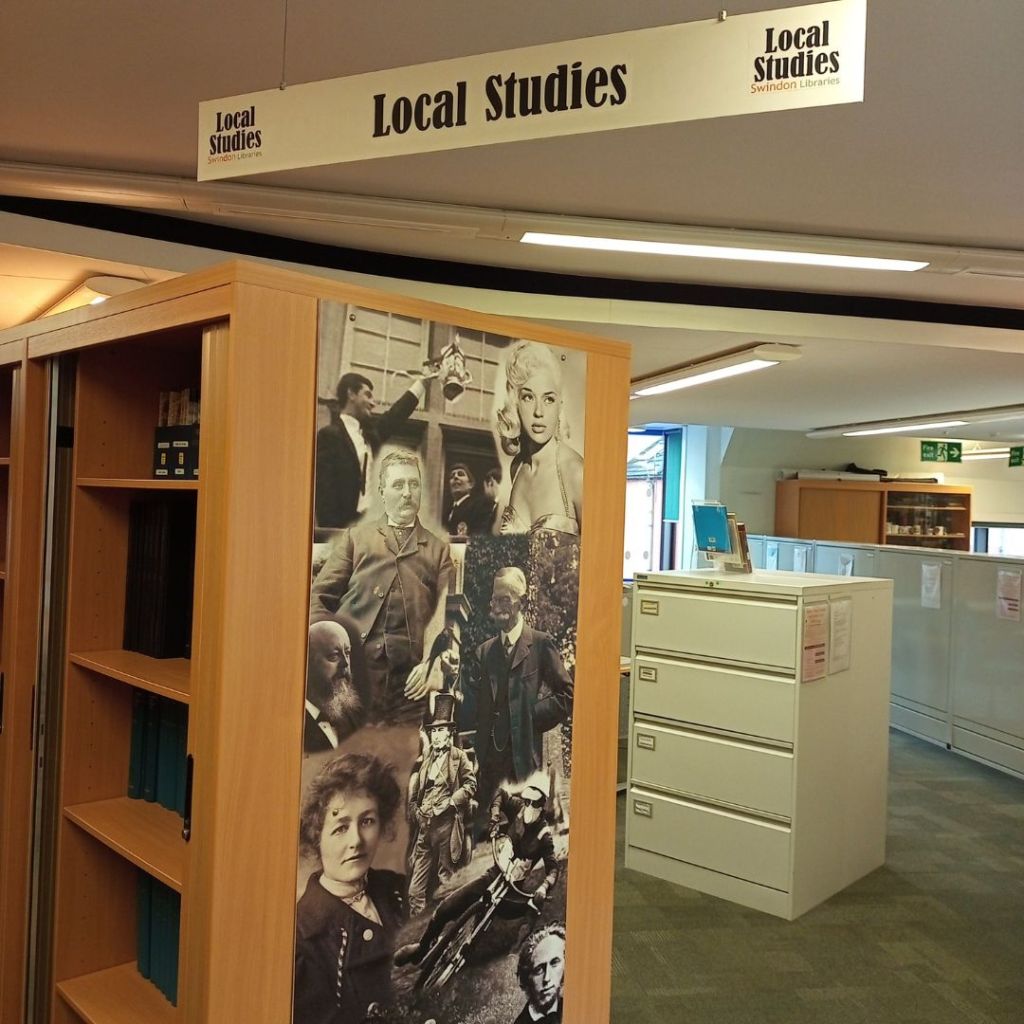
Last evening I attended the 50th meeting of the Swindon and District History Network. The Network was formed as an initiative by staff in Local Studies at Swindon Central Library to bring together all the various history societies, writers and researchers who regularly used the resources there, to share and support their work. More than thirteen years later the Network continues to thrive and this week saw new and existing members squeeze into the Reading Room in Central Library to celebrate and share our projects.

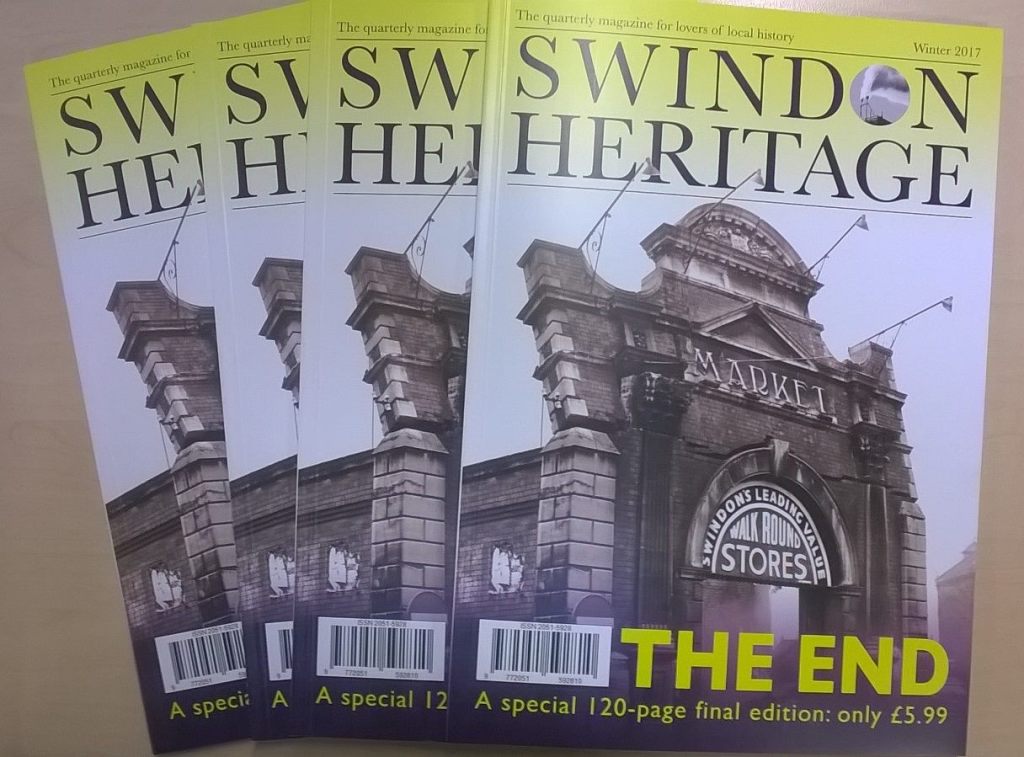
The Network has been hugely supportive to me as both an individual and as a member of the Swindon Heritage magazine team (published 2013-2017). As one of the original members of the Network, I took the opportunity to thank those societies who opened their archives, contributed articles and supported the magazine across five busy years of publication. I spoke about Mark Sutton, military and local historian, author and co-founder of Swindon Heritage who sadly died last year and is greatly missed on the local history scene in Swindon.

This coming weekend – September 9 and 10 – sees Swindon’s history on display during the Heritage Open Day events (8-17 September) when local history groups show Swindonians what a fascinating history their town has. I will be at the Heritage Apple Day event with the Friends of Lydiard Park in the Walled Garden at Lydiard House on Sunday, September 10 – 11-4 pm.

Our next guided cemetery walk takes place on Sunday September 17. Meet at the Chapel in Radnor Street Cemetery for 2 pm.

Local history is alive and busy in 21st century Swindon – come and join us.

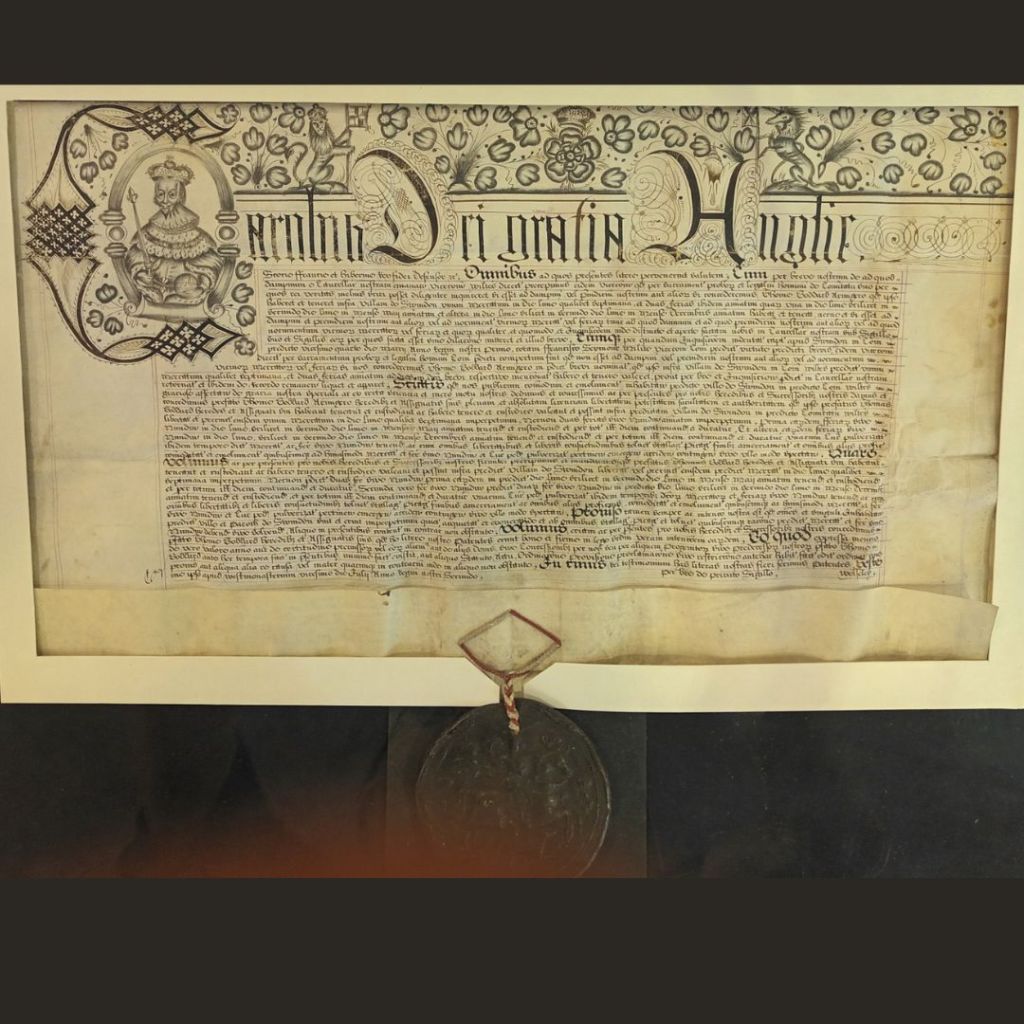
Swindon’s Market and Fair Charter 1626 on display in Central Library, ground floor.

James Longland – Provisional Mayor

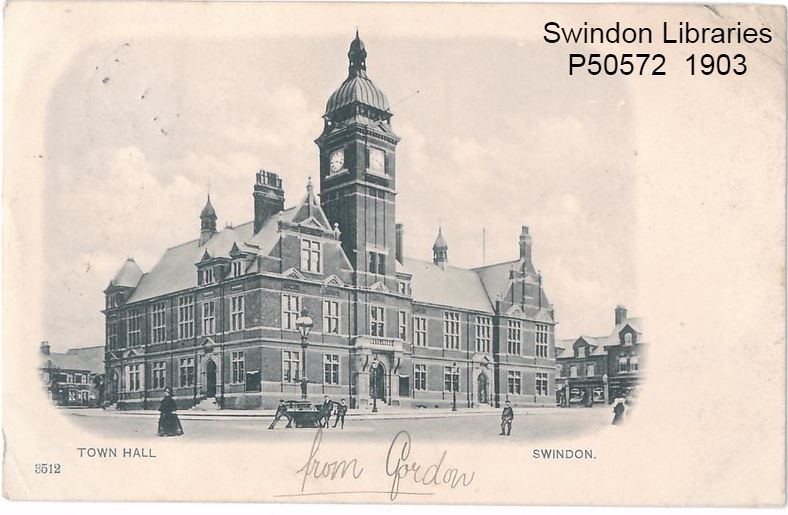
In 1900 the two towns of New and Old Swindon were incorporated to form a single municipal borough. It was a sensible idea promoted by many for some years. Today Old Swindon is still referred to as Old Town but the moniker New Swindon has pretty much slipped out of usage. The first Mayor of Swindon was George Jackson Churchward, Chief Mechanical Engineer of the Great Western Railway but did you know a Provisional Mayor was appointed in 1899? No, neither did I? It was thanks to @jratcliffephoto who posted on twitter on March 8, 2023 This month in Swindon history – 1899 – A draft Charter of Incorporation is produced, making provisional appointments of Mayor (J. Longland, Chairman of the Old Swindon Council), Deputy Mayor and Town Clerk. Well, this led me on the trail of Swindon’s first and possibly only, Provisional Mayor and whether he might be buried in Radnor Street Cemetery. Town Hall

Image published courtesy of Local Studies, Swindon Central Library

Late Mr. J. Longland

Sudden Death of Swindon Resident,

His Public Work

The death took place on Friday at his residence, 6 Volta Road, Swindon, of Mr James Longland, J.P. The deceased, who was 79 years of age, had been in failing health for some months, but he was attending to business as recently as the previous day. Mr Longland came to Swindon about 45 years ago, and started in business as a grocer at premises at the corner of Bristol Street. Later he removed to larger premises at the corner of Deacon Street and Commercial Road. He retired, however, and in more recent years he had been engaged as clerk to Messrs. Protheroe and Moon, income tax collectors. Deceased was a member of the old Urban District Council for New Swindon, and once held the position of chairman of the Finance Committee. He was the last chairman of the Council when the town was incorporated in 1901. When, by a commission dated November 23rd, 1906, the borough of Swindon was granted a magistracy of its own, Mr Longland was one of the first of the appointed magistrates. He had not sat on the Bench in recent years, but he was a regular attendant at the annual Licensing Sessions in February of each year. He was a regular worshipper at the Baptist Tabernacle, and had filled many offices, including those of treasurer and deacon. Mr Longland leaves two sons – one in business in London, and the other in South Africa – and a daughter, who resided at home with her father. Another daughter died a few years ago. Mr. Longland lost his wife two or three years since, and had never fully recovered from the shock.

Funeral

The funeral on Tuesday was attended by a representative company. By the request of the family the obsequies were of a semi-private character, and the desire was expressed that no flowers should be sent. A short service was conducted at the residence by the Rev. E.W. Probert (pastor of the Baptist Tabernacle), and the internment took place in the Cemetery, Mr Probert again officiating.

Mourners including members of the Baptist Church.

In the course of a brief address at the graveside, the Rev. E.W. Probert said they were assembled, as representatives of the Baptist Church and of the civic life of Swindon, to pay their last tribute of respect to one whose long life must assuredly be of a sweet memory to all. Mr. Longland was not only a devoted member of the Baptist Tabernacle, but he was also an honoured representative of the civic life of Swindon, pure in character, and filled with honour and integrity. That was the type of men we required to-day in public life, men who would carry the Spirit of Christ into the civic life. They were grateful for his noble life, and he hoped that young people would arise and fill the gaps made by the departure of such men as the late Mr. Longland.

The Mayor’s Tribute

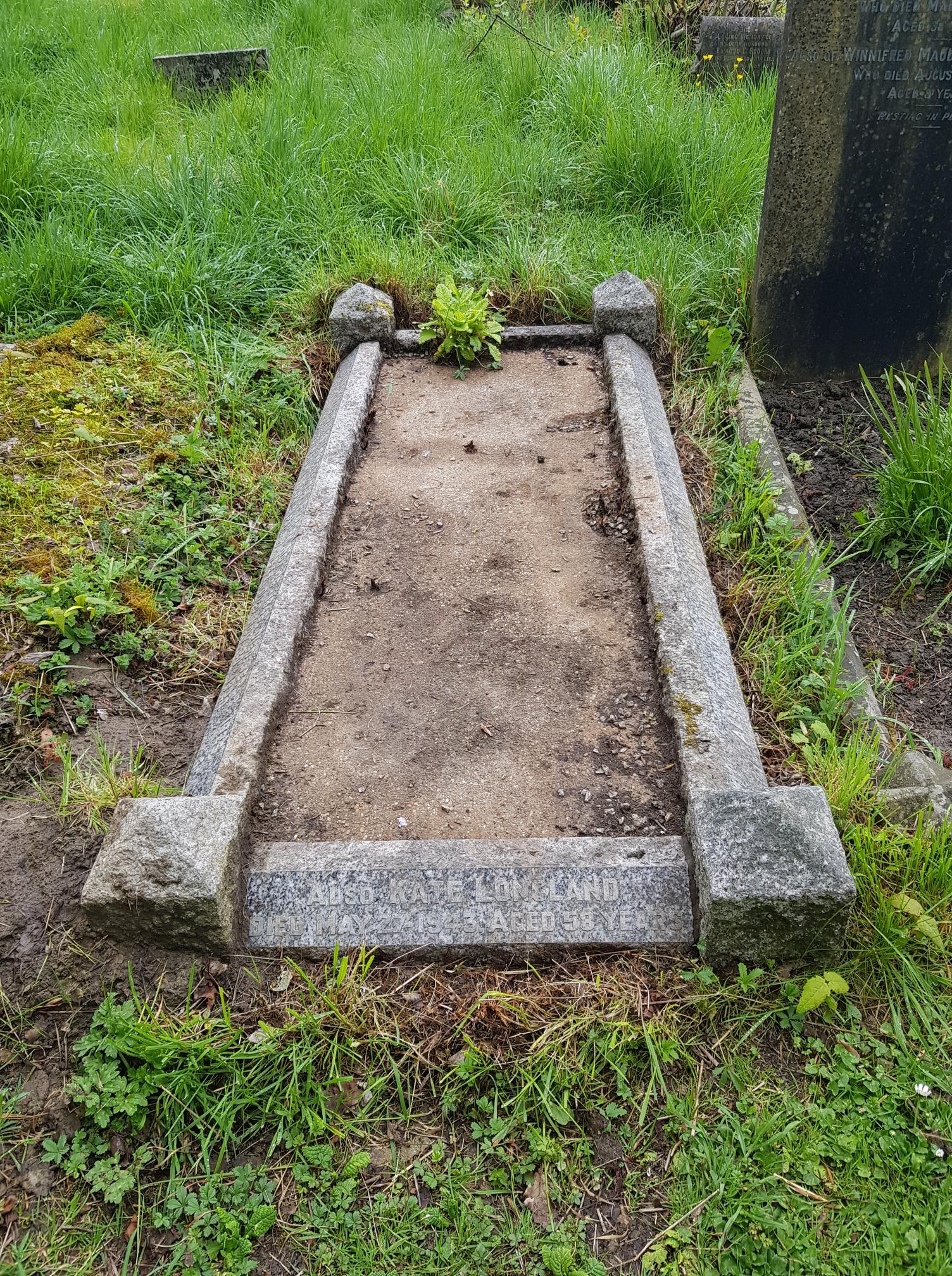
At the meeting of the Town Council on Tuesday evening, the Mayor (Ald. R. Evans) said he wished to refer to the passing of a gentleman who in days gone by took an active interest in local government. Mr J. Longland was elected a member of the New Swindon Local Board in April, 1893, and a member of the New Swindon Urban District Council in April, 1897. He took an active interest in the negotiations and the detail work for bringing about the Incorporation of the borough, and might be termed the “Charter Mayor,” as he was the gentleman named in the Charter as the person to act as Mayor for conducting the election of the first Council and to preside at the first meeting of the Council held on November 9th, 1900. At that meeting he was also elected an alderman of the borough and served the full term of six years, retiring in November, 1906. He was also one of the first magistrates appointed on the grant of a separate Commission of the Peace for the borough. All who knew Mr Longland knew him to be a man of upright character and sterling integrity and a man who placed his best at the service of the town in those days. The Council passed a resolution tendering sincere sympathy and condolence to the family. Extracts from North Wilts Herald, Friday, September 11, 1925 20230509_095922 James Longland, aged 79 years of 6 Volta Road, was buried on September 8, 1925 in plot E7369, a grave he shares with his wife Naomi and two daughters, Jessie who died in 1916 and Kate who died in 1942. This kerbstone memorial was pretty much hidden, covered in grass and weeds, when I visited the cemetery last week. Radnor Street cemetery volunteer Rebecca has made a fantastic job of clearing and tidying it up.