Season of mists in Radnor Street Cemetery

Season of mists and mellow fruitfulness,
Close bosom-friend of the maturing sun;
Conspiring with him how to load and bless
With fruit the vines that round the thatch-eves run;

To Autumn by John Keats
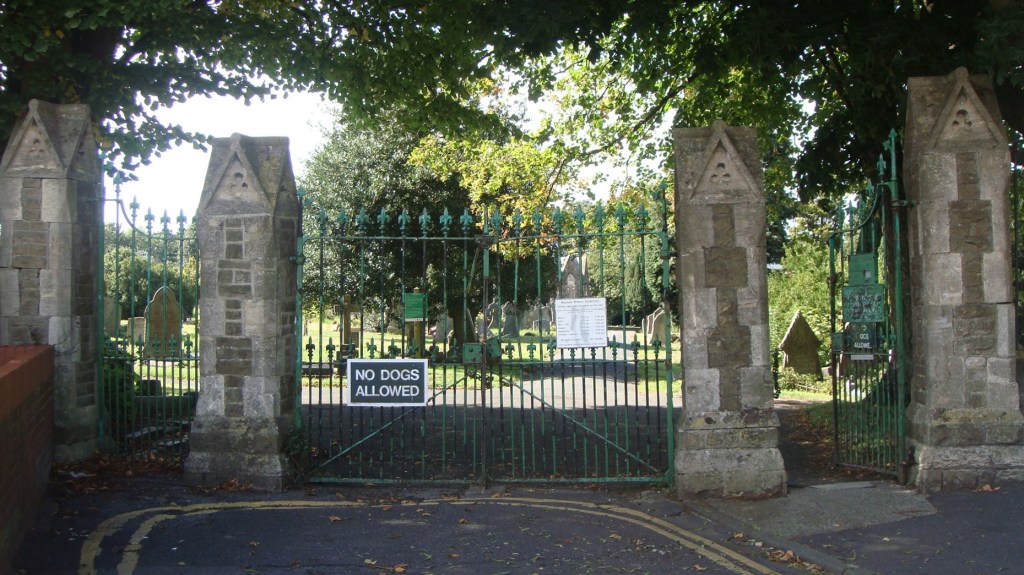
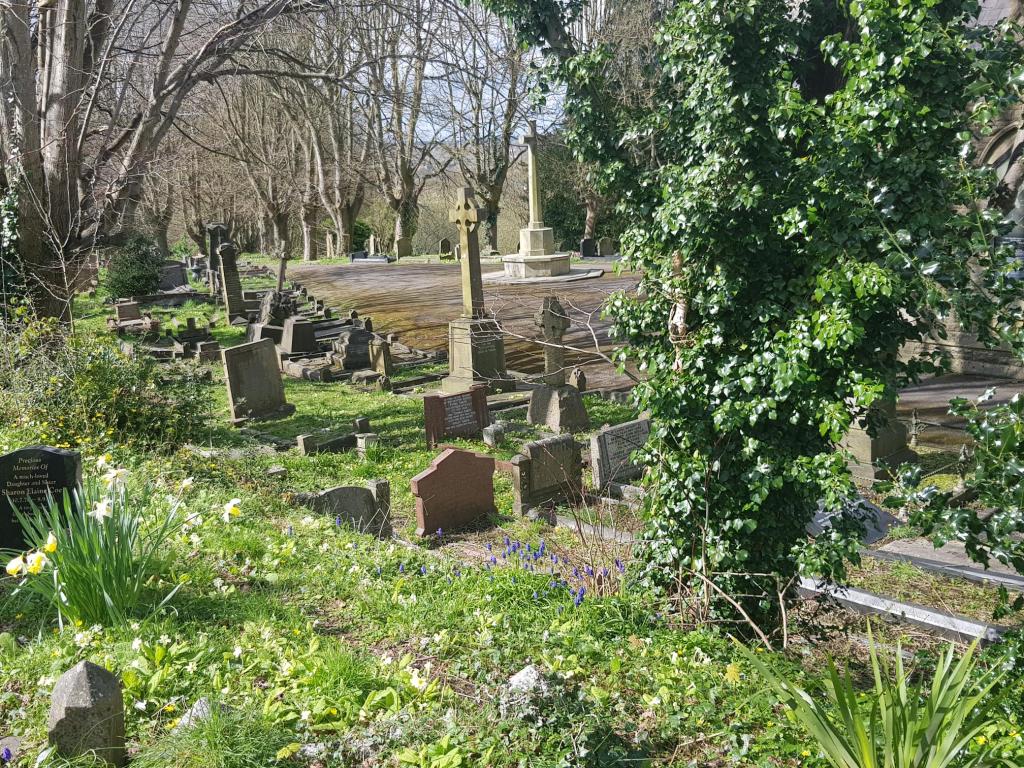
It is the season of mists and mellow fruitfulness and time for a virtual walk among the memorials at Radnor Street Cemetery. I shall don my raincoat and carry an umbrella as the weather forecast is not good, but you can put on the kettle, make a cup of tea and join me from the comfort of your electronic device. Meet me at the Kent Road gate.

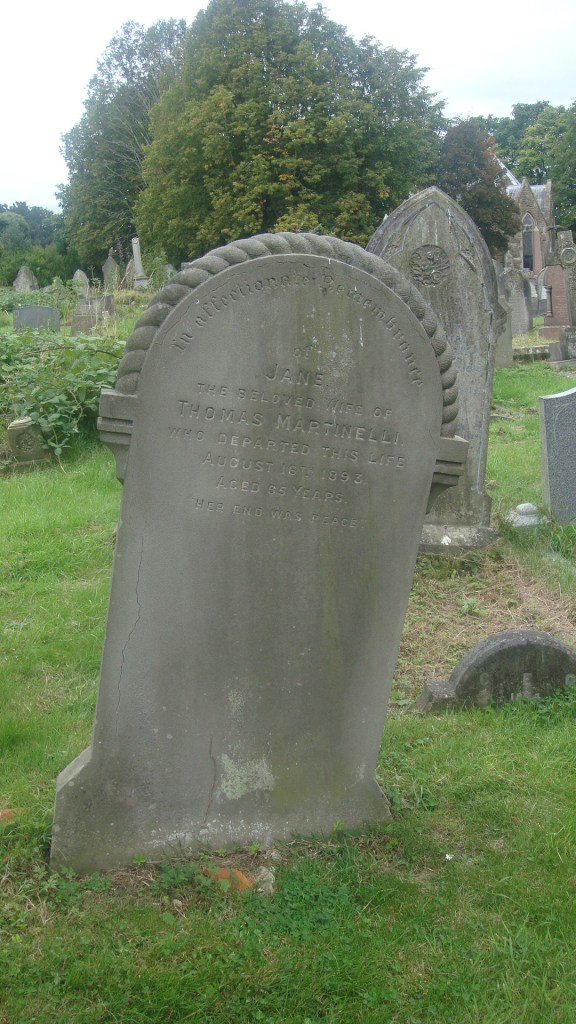
We begin with an incomer to Swindon and a gravestone in a precarious condition. As you can see there is a crack beginning to creep around the edge. Invariably, when this happens the whole surface of the stone shears off when all record of that person is lost. Sadly, there are a number that have so suffered when you look around the cemetery.

This is the last resting place of Jane Martinelli who died in 1893 aged 65. From the brief details on the gravestone I wondered if Jane and Thomas might be Italian however, further research has revealed that Jane was born in Worcester, and this is about all that can be discovered about her. The Martinelli story, on the other hand, is one of fluctuating fortunes. 

In the 1891 census Jane is living with husband Thomas at 13 John Street, Swindon. Thomas worked as a Railway Coach Builder and states his place of birth as St. Pancras, London. He was baptised at Trinity Church on December 26, 1831, the son of Louis Martinelli, also a coach maker.

Thomas was descended from an Italian family famous for making barometers and thermometers and was the grandson of Aloysious Louis Martinelli born in Como, Italy sometime between 1761-1771.  By 1799 he was living in London where he married Abigail Marshall at St. Anne’s Church, Soho. He died in the Lambeth Workhouse in 1845 aged 84.

Returning to Swindon and Jane’s story.  The Martinelli’s didn’t have any surviving children and  tracking them through the Victorian census returns reveal they lived in Manchester and Birmingham before arriving in Swindon.

Thomas married again in 1894, the year after Jane’s death. When he died in 1905 he was buried here with Jane. Regrettably, his name was not added to the headstone.

Well, the predicted downpour has ensued and I feel a chill in my bones. Time to be heading home, I think. Join me again tomorrow. Same time, same place?
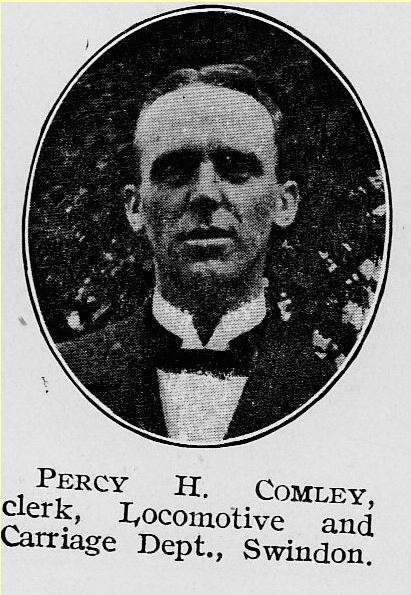
War Graves Week – Sapper Percy Harold Comley

Mary Elizabeth Hutchings and Percy Harold Comley are pictured (middle row right) at a family wedding in 1914.

Saturday May 11 sees the launch of the annual CWGC War Graves Week 2024. Radnor Street Cemetery friend and colleague Mark Sutton spent a lifetime devoted to remembering those who served in WWI.

Our thoughts today go out to those parents who lost a son, and in many tragic cases, more than one. But, Albert and Mary Ann Comley were not to know their youngest son had been killed in action.

Percy Harold Comley was born on August 12, 1889 and began work as a 14 year old clerk in the GWR Works. He enlisted on November 24, 1915 and was put in the Army Reserve. He was mobilized on January 5, 1917, a Sapper in the Royal Engineers serving with the 2nd Light Railway Operating Coy.

He had married Mary Elizabeth Hutchings on October 26, 1916 at Christ Church. Less than a year later he was dead.

The charred remains of a telegram survive with his military records. It reads:

“Regret to inform you Officer Commanding 2 Canadian Casualty Clearing Station France reports 1st October 218815 PH Comley RE 1st October shell wound abdomen.”

Percy Harold Comley is buried in Lijssenthoek Military Cemetery Poperinge, Belgium. Mary Elizabeth never remarried. She died on February 4, 1947 at Weston-super-Mare.

Today our volunteers continue Mark’s work, caring for the Commonwealth War Graves headstones and recognising those remembered on private, family graves. To date they have noted 50 such fallen heroes. For more information about the War Graves Week visit the Commonwealth War Graves Commission website.

Mary Ann Comley died at her home 8 Ashford Road and was buried on May 21, 1915 in grave plot E8044. Her husband, Albert Comley, a watchman, died at Guys Hospital, London and was buried with her on August 15, 1916.

The Haggard family

The first time I heard the story of Charles Edgar Haggard was more than 20 years ago on a cemetery walk with Mark Sutton. He told how Charles, a regular soldier at the outbreak of war in 1914, was captured in 1915 and spent the rest of the war in a German prisoner of war camp.

Mark told the story with such pathos that it has always remained in my memory and I too have written and spoken about Charles Haggard on many occasions since.

This is the story of his brother Edward and his three sons, Gordon, Eddie and Cyril.

In the middle of Section C there is a cluster of Haggard family graves, the family of Charles’s brother Edward.

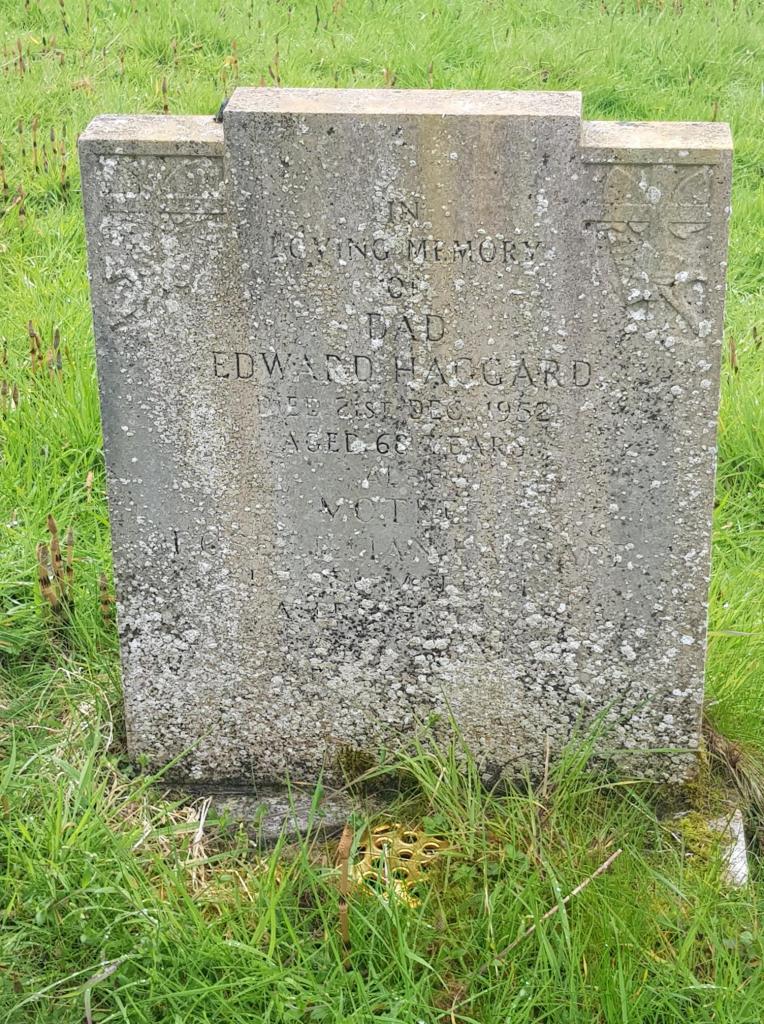
Edward was younger than Charles by two years. Like Charles he was born in Minety while his father was landlord at the Old Red Lion Inn. By 1891 the family were living at 60 Stafford Street, Swindon where on his 15th birthday in 1899 Edward began a 6½ year Tender & Fitting apprenticeship in the Works. He married Rose Lillie Edwards in 1913 and the couple had three sons.

Edward died in 1952 and Rose in 1969 and they are buried in grave plot C180.

They are surrounded by the graves of their three sons. Gordon died in 1933 aged just 10 years old. He is buried in grave plot C155 with his brother Eddie who died in 1992 aged 78.

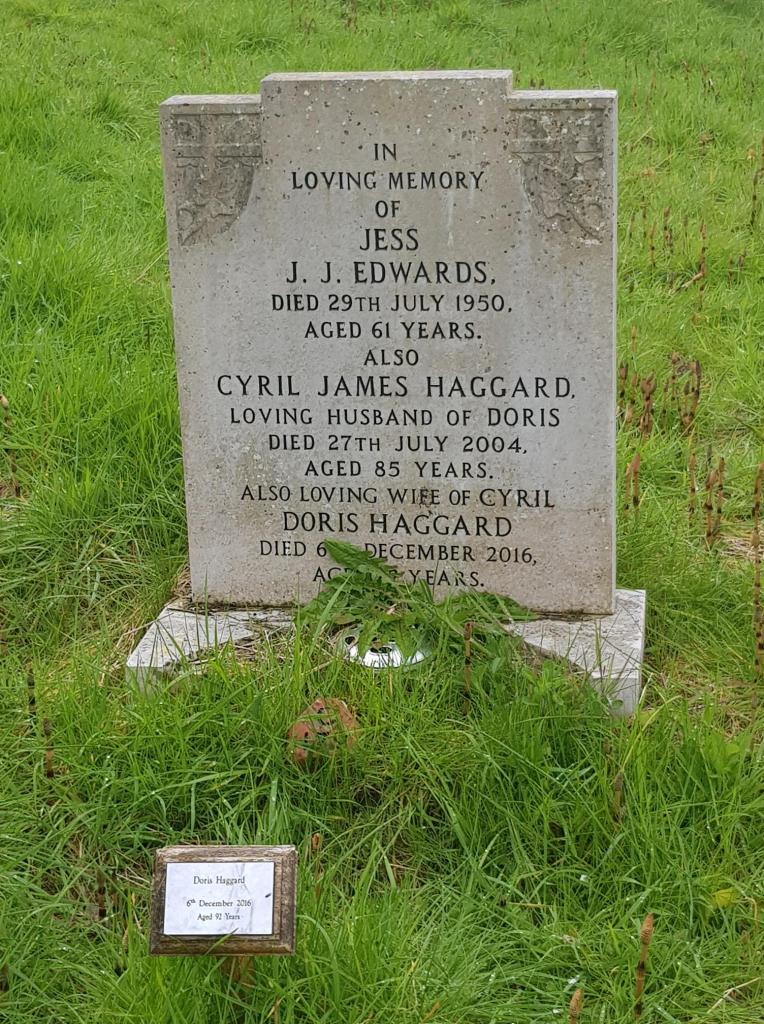
Close by in grave plot C179 is family member Jess J. Edwards who died in 1950, and is buried with the youngest Haggard son, Cyril, who died in 2004 aged 85. The last burial in this family plot was that of Cyril’s wife Doris who died in 2016 aged 92.

Details from Wilts Book

During the excitement of writing and producing the first edition of Swindon Heritage, co founder Mark Sutton provided a book he thought might be of interest. I remember it was quite a large book, the binding broken and the pages loose, but I now can’t remember the title. In it were short biographies of the great and the good of Wiltshire. Mark photographed those pages with a particular reference to Swindon and saved them on a CD ROM on which he wrote ‘Details from Wilts Book.’

Here is one of those biographies …

James Carson Rattray M.D., Granville Bath Road, Swindon; son of the late William Rattray of Edinburgh; born at Penicuik, Midlothian, May 1st, 1864; educated at Edinburgh University; M.B., C.M., and M.D. Edin. Member of the British Medical Association; Hon. Surgeon to the Swindon Victoria Hospital. Recreation; motoring, orchid growing, and is noted for breeding Scotch deerhounds, for which he has taken many First Prizes, Medals, and Championships.

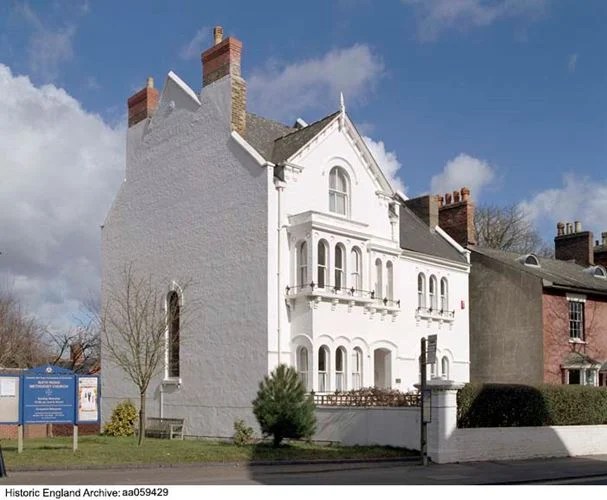
Granville House published courtesy of Historic England

James Carson Rattray can be found living and working as a General Medical Practitioner in Purton in 1888 aged 26. By 1901 he was living at Granville House, Bath Road where several members of the Rattray family had joined him – brother Sam, also a doctor; Pat, another brother, a dental student and sisters Bella who was his housekeeper and Mary.

James Carson Rattray died on November 19, 1906 while staying at 5 Albyn Place, Aberdeen. He was buried in North Merchiston Cemetery, Edinburgh.

Guided cemetery walk

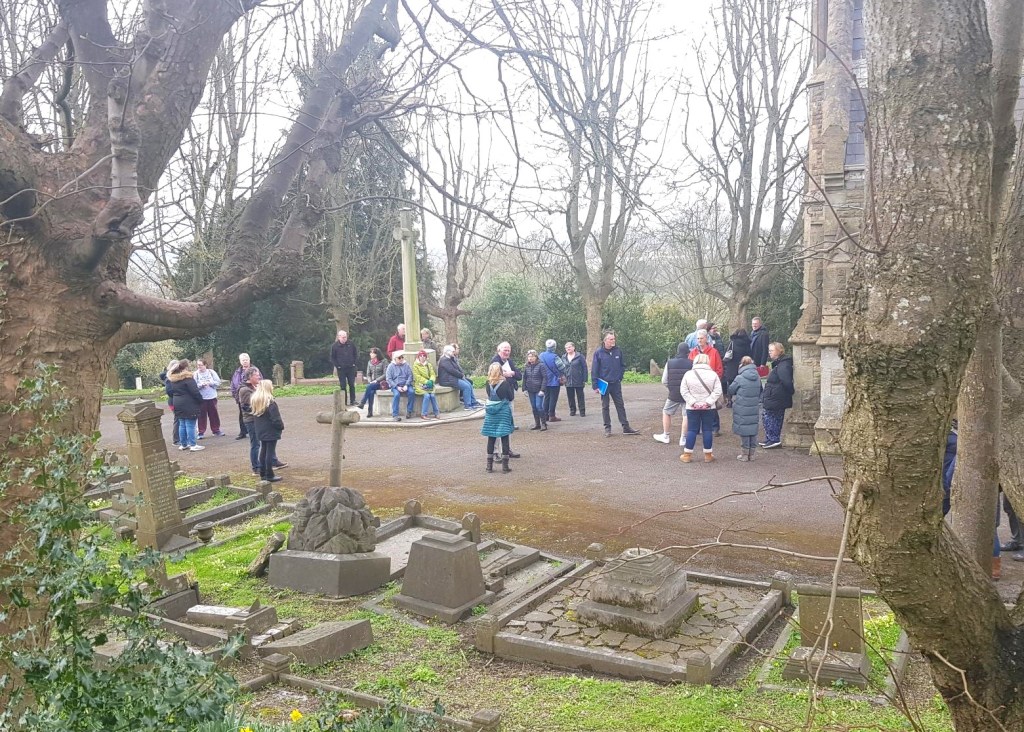
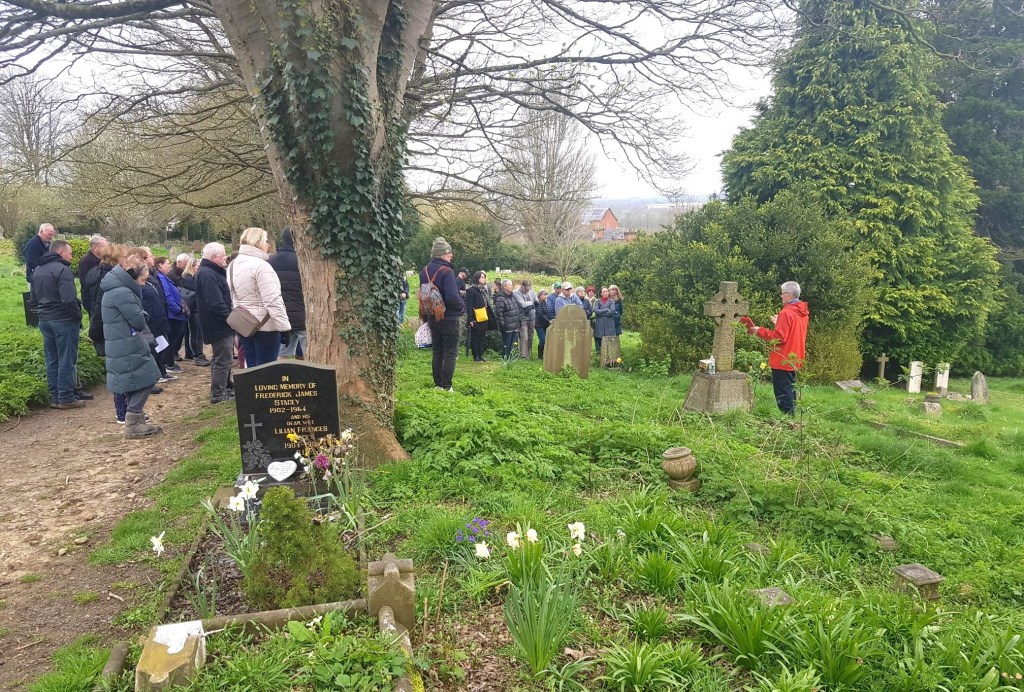
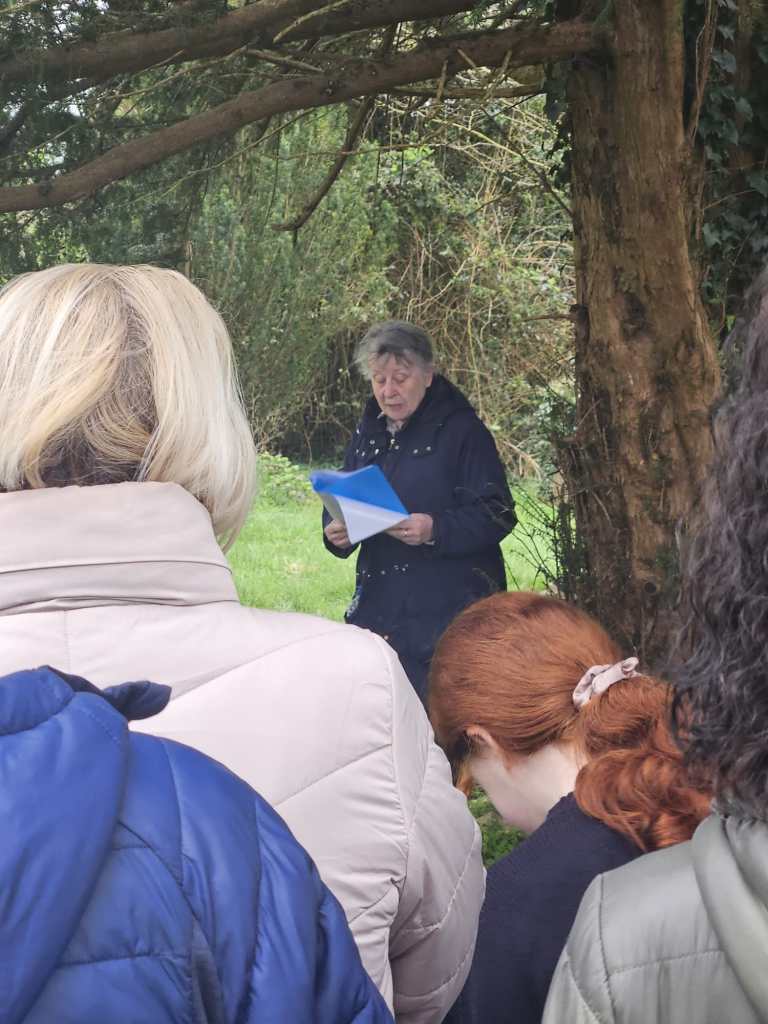
Many thanks to everyone who joined us for the first of this season’s walks. The weather was kind and the rain held off.

We were joined by members of the Menham family as Andy spoke about Swindon Town football legend Bob Menham. Kevin followed by telling us of the military career of his son Reginald Menham and reading a poignant letter taken from Mark Sutton‘s book Tell Them of Us.

Further talks included the stories of Frederick and Elizabeth Alley, Minnie Price, Ethelwyn May Collet, Elsie Wootten White and another sporting legend Scottish rugby player Dr. Charles Reid. Jon told us about the continuing work of the volunteers and introduced members of the team who give so much of their time to looking after the war graves and helping visitors find family graves.

There were lots of fascinating conversations as visitors shared their family history stories with us. It was lovely to meet Clare and I hope you found your family grave. I look forward to receiving your information and photographs to publish here.

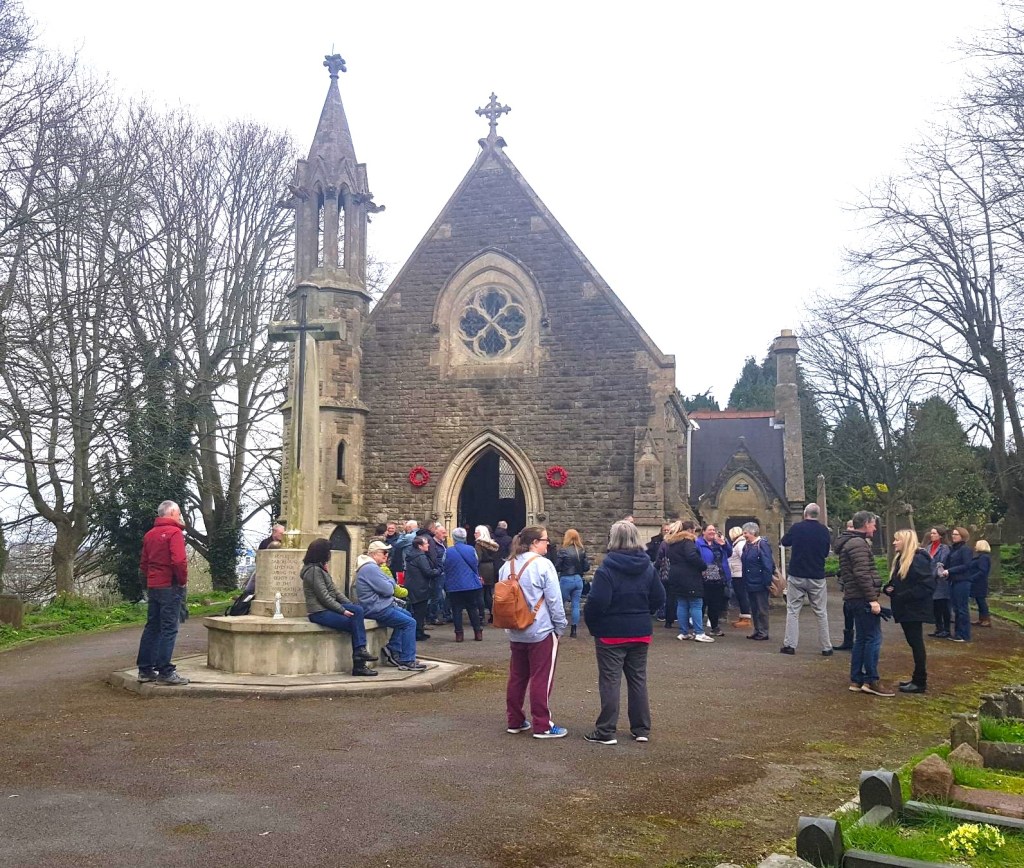
Our next walk will take place on Sunday April 28. Meet at the chapel for 2 pm.

Jesse John Preater – brothers in arms

Three brothers died in the First World War, another returned with his health compromised. But what was it like for the two brothers who never went to war but stayed at home?

At the beginning of the 20th century the busy Preater family were running two businesses. Charles Preater ran first a haulage business before becoming licensee at the New Inn in Cromwell Street with his wife Mary Jane.

Harry Charles Preater was born on April 25, 1880 and baptised at St. Mark’s Church on May 27. He was the eldest of Charles and Mary Jane Preater’s nine children. In old photographs of Swindon you will see H.C. Preater’s garage at the Whale Bridge close to where the Leonardo Hotel now stands. Harry became a prominent business man and a Freemason. During the Second World War Harry was Secretary of the Swindon Penny a Week Fund, which raised £16,500 towards supporting prisoners of war. Harry died in 1968 and is buried in grave plot D65A.

Second son Jesse John Preater was born on April 2, 1882 and baptised at St Paul’s Church on May 14. By 1901 Jesse, then aged 18, was working alongside his father in the haulage firm. Ten years later his younger brothers Charles and John had joined him in that side of the family business.

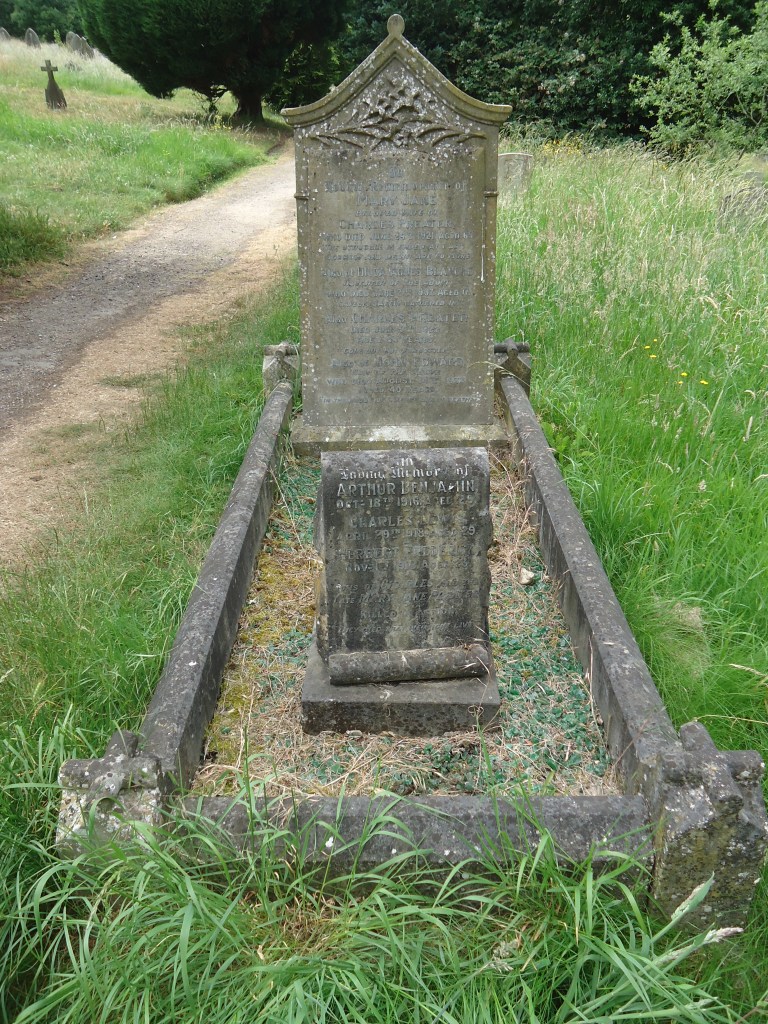
Arthur Benjamin Preater, Charles Lewis Preater and Herbert Frederick Preater were all killed in action, Arthur in 1916 and Charles and Herbert in 1918.  John Edward Preater served and returned home.

Why did neither Harry nor Jesse go to war? I’m sure their parents were relieved to save these two sons, but what was life like for them during and in the aftermath of the war. They shared their fate with many other men, but that couldn’t have made it any easier. Today we have a name for this condition ‘survivor guilt.’

Jesse married May Wallis at St Mark’s Church on October 4, 1915. Their son Charles Wallis Jesse was born in 1922. They are buried together in grave plot B2693 close to the grave where Jesse’s parents, his sister Hilda and John Edward, the brother who survived the war, are buried. A separate memorial commemorates the three brothers who were killed in action.

You may also like to read

Comrades of the Great War

Harry C. Preater and the Red Cross Penny a Week Fund

Lance Corporal Thomas Neate Harding – Tell Them of Us

The First World War was all about loss; loss of life and loss of prospects. Landed property was lost with the death of an heir; local businesses were lost when sons did not return, and in this case, families fell on hardship with the loss of a breadwinner.

Within the records of the UK World War I Pension Ledgers and Index Cards 1914-1923 published on Ancestry are claims mostly made by service personnel incapacitated by their military service, and war widows. However, Thomas Henry Harding, the father of Lance Cpl. T.N. Harding, made an application declaring he was a dependant of his son.

Thomas Neate Harding was baptised on July 15, 1888 in the parish of Holy Trinity, Slad. He was the only child of Thomas Henry Harding, a labourer, and his wife Caroline.

The family moved to Argyle Street, Gorse Hill, Swindon three years after Thomas’s birth. By the time of the 1911 census both father and son were employed in the GWR Works. Thomas Henry Harding worked as a wood sawyer and 23 year old Thomas Neate Harding as a Blacksmith’s Striker.

Caroline Harding died in March 1913 and is buried in a public grave in Radnor Street Cemetery. So now father and son carried on alone at home.

At the outbreak of war in 1914 Thomas Henry Harding was about 54 years old, his son 26. Thomas Neate Harding was not one of the early volunteers to join the army. Perhaps his responsibilities at home were too great. But with the introduction of conscription in 1916 he would eventually be called up, enlisting in July 1917 with the Royal Engineers and serving with the Inland Waterways and Docks.

Thomas Neate Harding died on February 12, 1920 at the Northern Hospital, Liverpool. He was 32 years old. His father made an application to the War Office for the cost of his son’s funeral expenses.

Administration of Thomas Neate Harding’s will was granted to his father in April 1920. His effects were valued at £173 7s 1d.

Thomas Neate Harding was buried in a public grave plot number B1271. The same grave in which his mother Caroline was buried.

Lance Corporal Thomas N. Harding is commemorated on plaque in St. Barnabas Church, Gorse Hill.

First published November 3, 2022.

Sidney William T. Chambers – Army Cycle Corps

The re-imagined story …

In 1911 three of the Chambers uncles lived in Stafford Street; people used to jokingly call it Chambers Street. Actually, there is no Chambers Street in Swindon. Funny that really when you think how many other builders had streets named after them.

William Chambers lived and worked as builder and funeral director in the end house in Ashford Road, the one with the Calvary cross in the brickwork. You can still see it now, and the silhouette of the shop sign.

Sam, William’s youngest son took over the business when his father died. I suppose that’s pretty unusual when you think about it. You’d expect the eldest son to take over usually. After the war there were few elder sons left to carry on the family businesses.

Sidney was working in the business as a 15-year-old polisher. We all ended up working for one of the uncles. As kids there were always errands to run, materials to move, digging, sweeping. Uncle Sam could always find you a job to do although none of us liked helping in the funeral parlour.

My dad talked a lot about Sidney. They had grown up together, worked together, served together. They both came home. Dad unscathed, that is if you didn’t count the nightmares and the terrifying rages that so frightened us kids. Sidney only got as far as Devonport Hospital where he died on October 14, 1918.

Uncle Robert and Aunt Kate never got over his death. Some parents blamed the Hun, some blamed the government. Others blamed themselves.

It’s barely ten years since the war ended and sometimes it seems like yesterday. Some scars never heal. But those who died will always be remembered, well by my generation at least they will. It remains to be seen if those that follow will. Will anyone remember Sidney a hundred years from now?

The facts …

Sidney William T. Chambers was born in Swindon in 1895, the eldest of Robert and Kate Chambers’ four children.

He served first in the Cyclist Corps, later transferring to the Labour Corps. His military records do not survive.

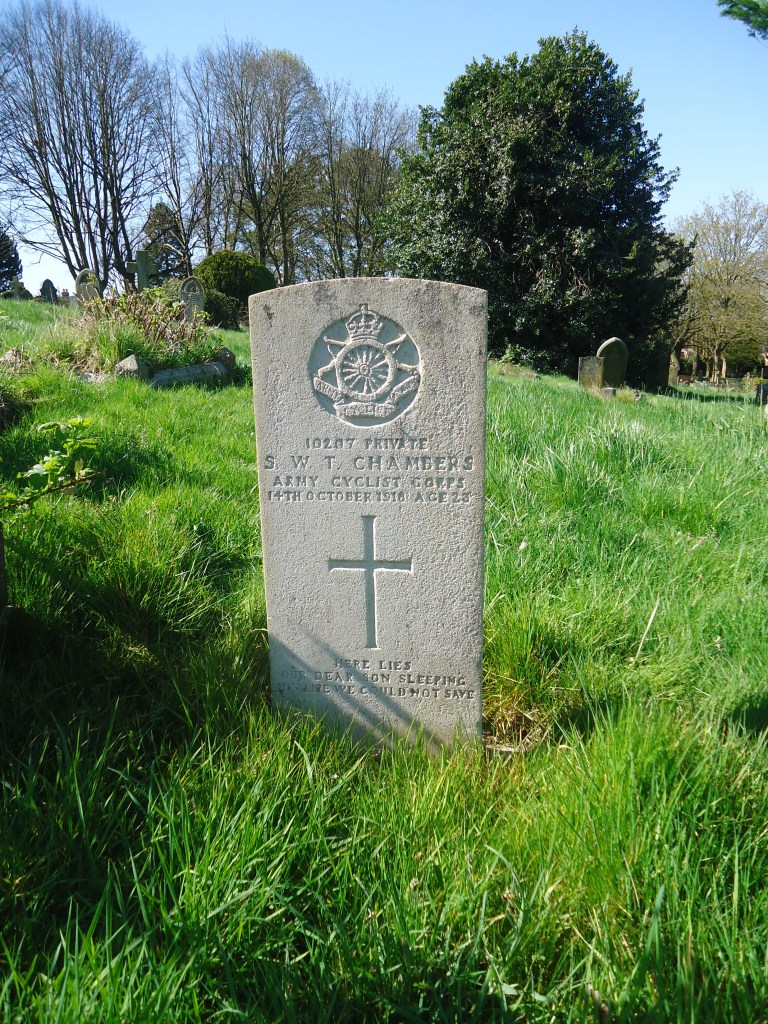
Sidney died at Devonport Hospital on October 14, 1918. He was 23 years old. His funeral took place at Radnor Street Cemetery on October 19 and he is buried with his father and three other family members in plot C1052.

The inscription on the Commonwealth War Graves headstone reads:

Here lies our dear son sleeping

His life we could not save

First published January 15, 2022.

Air Mechanic Frederick Clarence Whatley

Continuing a series of articles in remembrance of Swindon’s sons who served in two world wars.

Frederick Clarence Whatley was buried in Radnor Street Cemetery on October 16, 1918 but when I discovered his cause of death it raised many questions.

Frederick was born on February 8, 1899, the second son of William George Whatley, a cost clerk in the GWR Works, and his wife Emily, and grew up in the Broad Green area of Swindon. Frederick started work as a Machine Operator in the Locomotive Department of the Works on April 30, 1913, transferring to the Carriage and Wagon Works on February 21, 1914.

Frederick joined the Royal Navy in July 1917 and was assigned to HMS Campania, a seaplane training and balloon depot ship. In March 1918 he was transferred to the RAF and served at No 1 School of Navigation and Bomb Dropping (Stonehenge) as a 3rd Class Air Mechanic.

Frederick died in a diabetic coma on October 12, 1918 at the Fargo Military Hospital. He was 19 years old.

Although diabetes was identified in the 17th century, no effective form of treatment was available until the discovery of insulin in the 1920s. Two Canadian scientists, Frederick Banting and John Macleod, were awarded the Nobel Prize in 1923 and there were many others experimenting on a treatment around the same date. Diabetes is a condition that remains a bar to military service today.

Did Frederick know he had diabetes? Was his condition recognised in 1917 and if so how did he pass a medical? Unfortunately his military records do not survive. The CWGC records state that he died from a chill and family history researchers once believed he died in a flying accident, however, his death certificate tells the true story.

Frederick is remembered on a memorial plaque that was once displayed in the Carriage and Wagon Works and now hangs in Steam Museum.

He is buried in a family grave in Radnor Street Cemetery.

#TellThemofUs

#MarkSutton

First published on July 27, 2022.

Remembrance Day Service

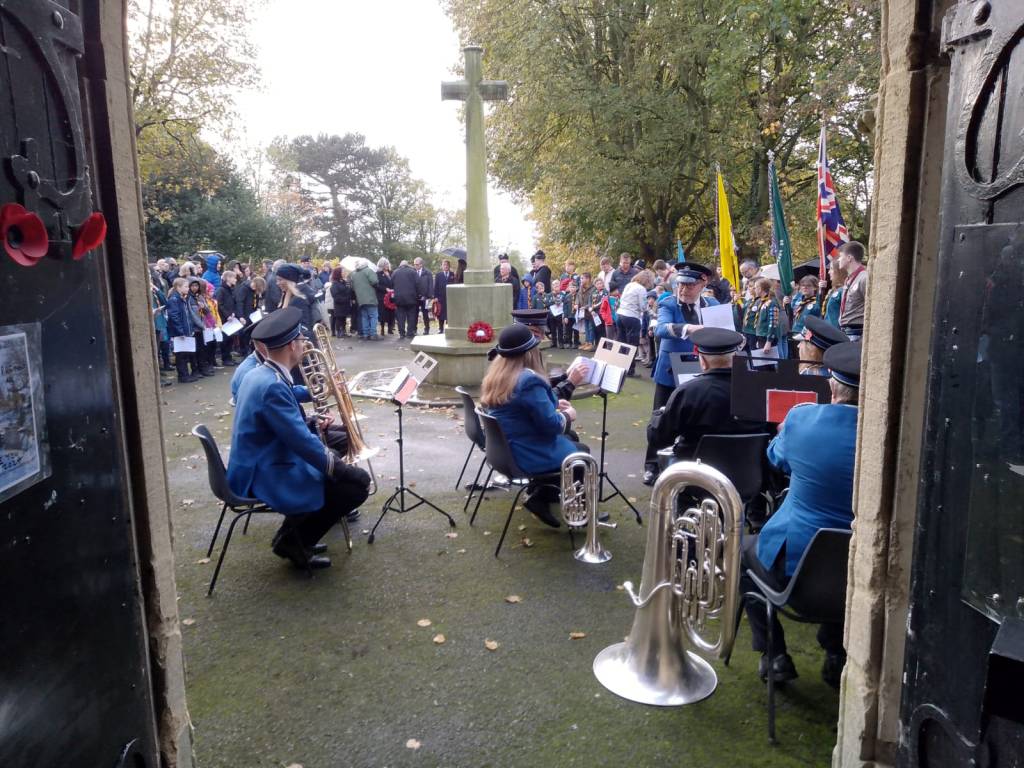
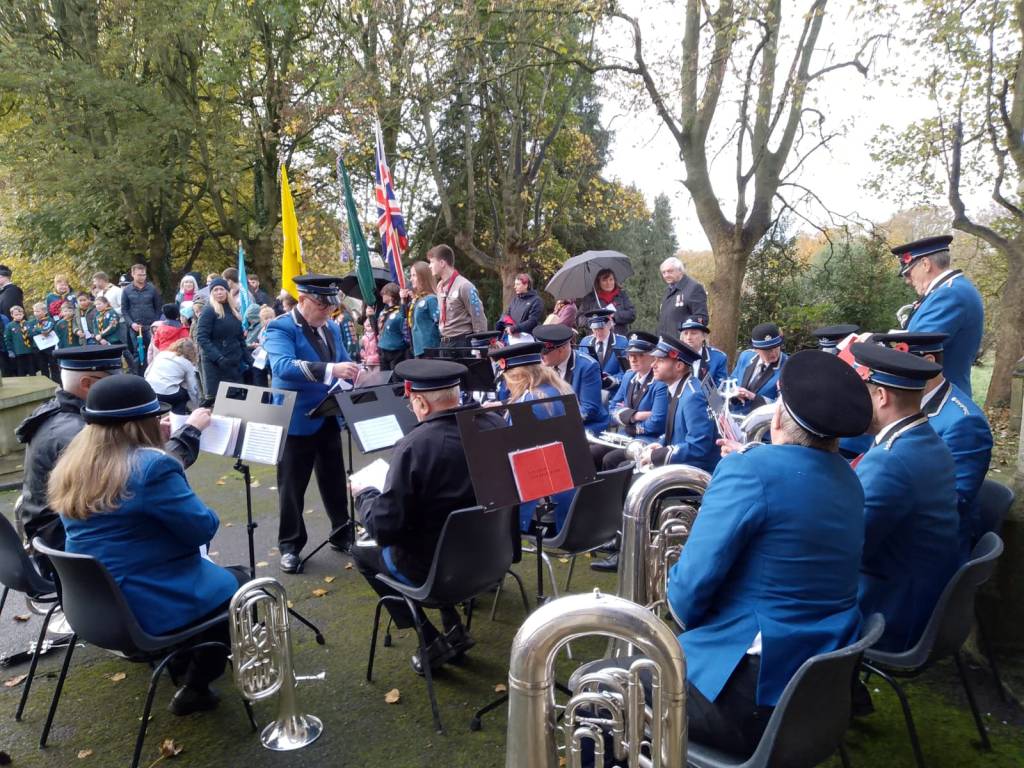
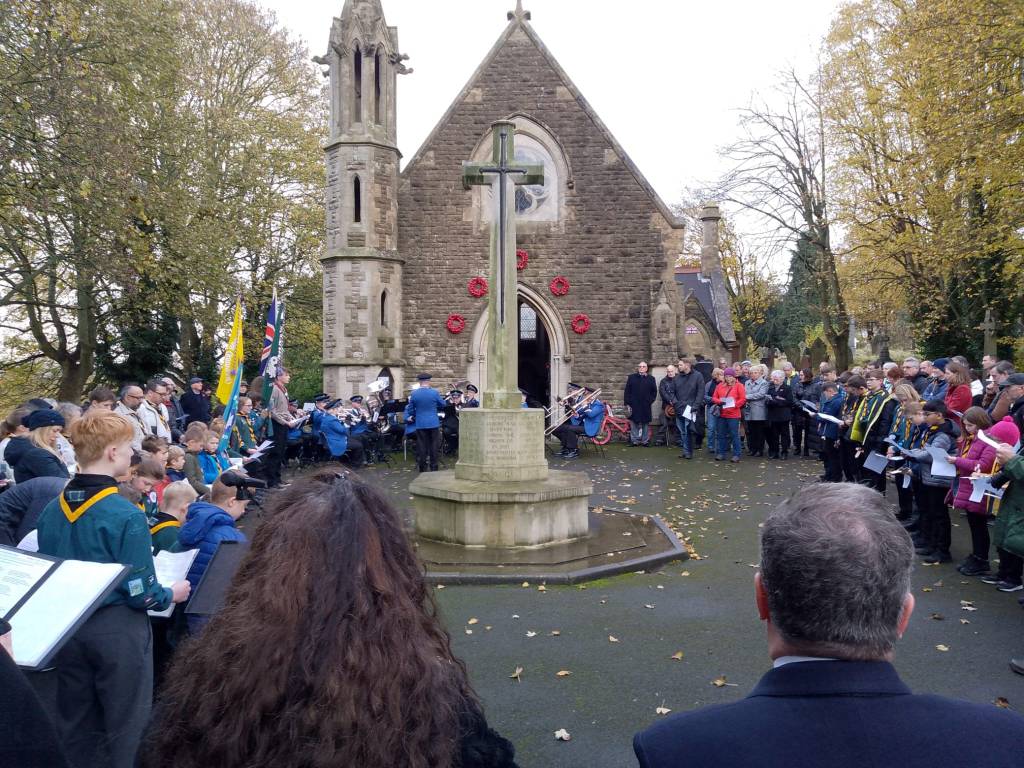
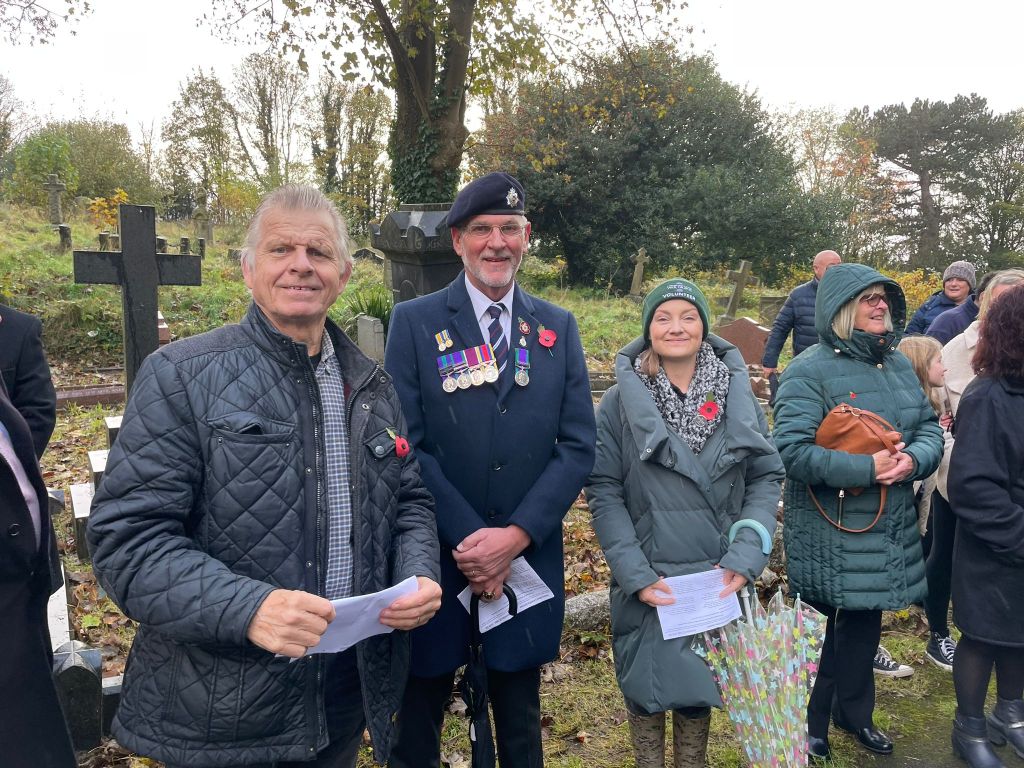
It was wonderful to have so many people join us for a Service of Remembrance at Radnor Street Cemetery.

“When you go home, tell them of us and say, for your tomorrow, we gave our today.”

Three of our volunteers – Brian, Kevin and Bex.

Theresa Sutton and her two grandsons unveil a plaque dedicated to Mark Sutton.

Thanks go to:

Andy Binks, Noel Beauchamp, Paul Gentleman and Graham Carter

Father Toby Boutle and the clergy from St. Mark’s Church

Wroughton Silver Band

18th Swindon Scouts

Sir Robert Buckland MP for Swindon South

Heidi Alexander Labour Parliamentary Candidate for Swindon South

Cllr Barbara Parry Mayor of Swindon