
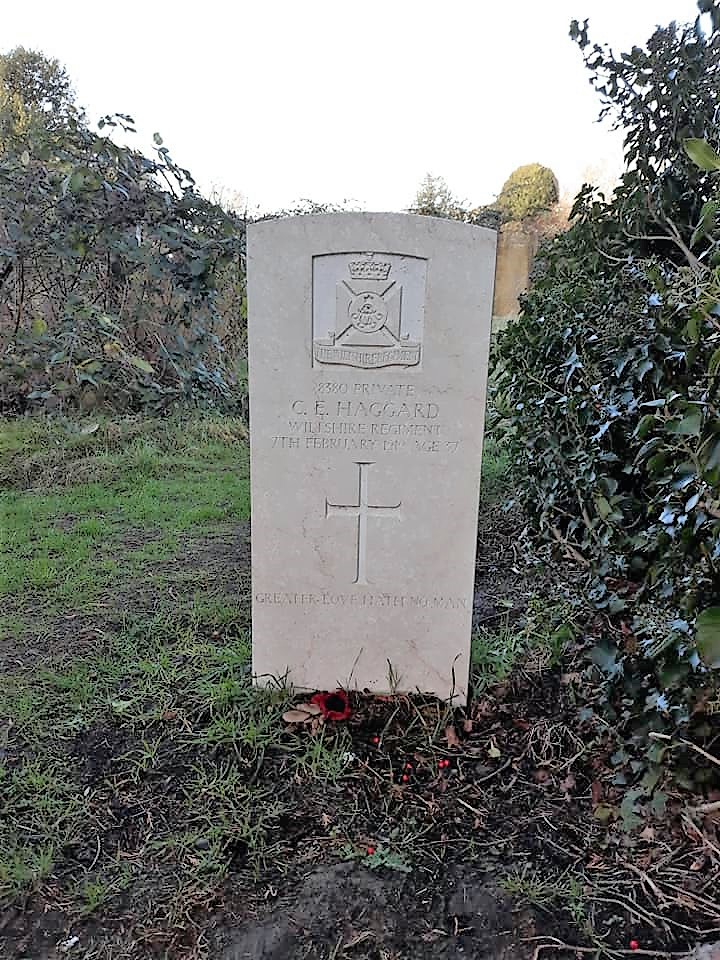
The re-imagined story…
‘He woke up gently, sliding smoothly into a new day. It wasn’t usually like this. Sometimes he woke up with a jolt, ready to jump out of bed, as if he could. Sometimes he suddenly found himself awake, his heart beating rapidly, his breath coming in gasps. Sometimes he just lay there, eyes open, awake, absent. But today felt different. Today he turned over in bed and snuggled down beneath the blankets.
The bedroom was cold. He’d known colder. He’d known bone aching cold when every joint was immobilised, every muscle mortified. But he liked this cold. It reminded him of childhood. Ice on the inside of the window; a house full of noise, children getting ready for school, his father already at work.
“Charlie are you up yet?” he was always the last one, reluctant to leave his bed.
Today his mother tapped softly on the bedroom door; checking if he was awake, checking if he was alive. He understood her dilemma. Should she wake him or should she let him sleep on?
“Morning Ma,” he called.
The door opened.
“Cuppa tea boy.”
Nearly 37 years old but he would always be her boy. When he was a child he had to share her, but now she was his alone; making up for lost time.
His father hadn’t recognised him when he opened the door of 60 Stafford Street. Four years as a prisoner of war had altered him immeasurably. But as the cold January air swept around him and into the house she knew it was her boy returned. She had never given up hope.
Today he felt a little better, a little stronger. Today he would take a slow walk into town. He would call in at the Town Hall and sign the register of returning soldiers. He hoped Miss Handley might be there. He would so like to see her, say thank you for the food parcels that had kept the prisoners of war alive’.
The facts …
Charles Haggard was born April 30, 1882 at the Old Red Lion Inn in Minety where his father Samuel was the innkeeper. His parents were in their early 20s and already had four children, George, Alice, Kate and Thomas.
By 1901 the family had moved to 60 Stafford Street, Swindon and on the census returns for that year 18-year-old Charles described himself as a Steam Engine Tender Maker, Fitter & Turner – of course he still had two years left to serve of his apprenticeship.
By 1911 he had left a life ‘inside’ (which is how everyone referred to working in the railway factory) and joined the army where he served as a Private in the 1st Wiltshire Regiment. Charles was taken prisoner on October 24, 1914 at the Battle of Mons and was held prisoner at Krossen-on-Order for the duration of the war.
On February 7, 1919 Charles spent the day in Shrivenham visiting friends. He arrived back in Swindon sometime between 9 and 10 pm where he met his father in Manchester Road.
At the inquest Charles’s father said his son seemed very cheerful as they began the walk home to Stafford Street.
When they reached Deacon Street Charles called out “Wait a minute, dad,” and went to catch hold of the palisading, but fell backwards. His father knew he was dead.
Mr A.L. Forrester, Coroner for North Wilts, held an inquest at St Saviour’s Schools, Ashford Road, Swindon where Dr Beatty testified that he had made a post mortem examination of the body and found athroma of the valves of the heart. The cause of death was aortic disease of the heart, a condition worsened by starvation and exposure during his time as a prisoner of war. Charles had been home less than three weeks.
He is buried in plot E7227 with his brothers George and Thomas.
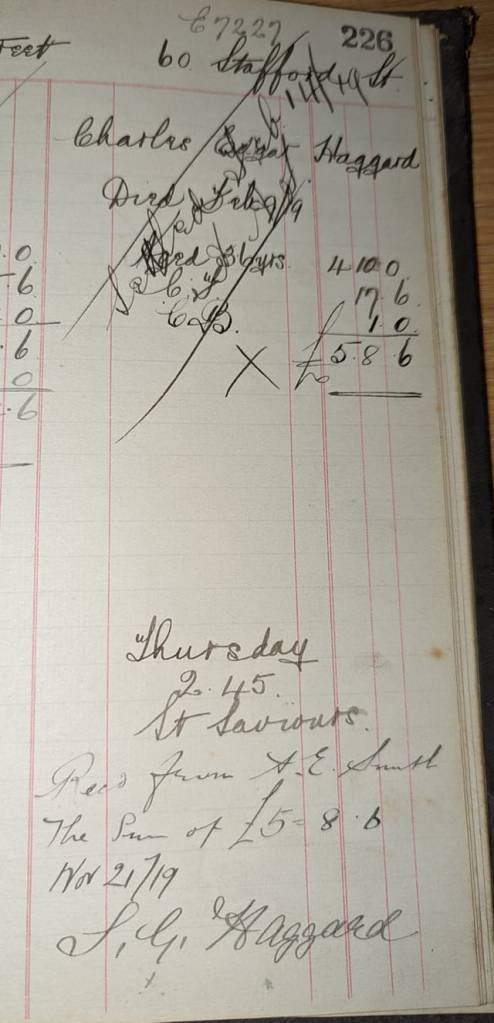
Image of funeral account provided by A.E. Smith & Son, Funeral Directors
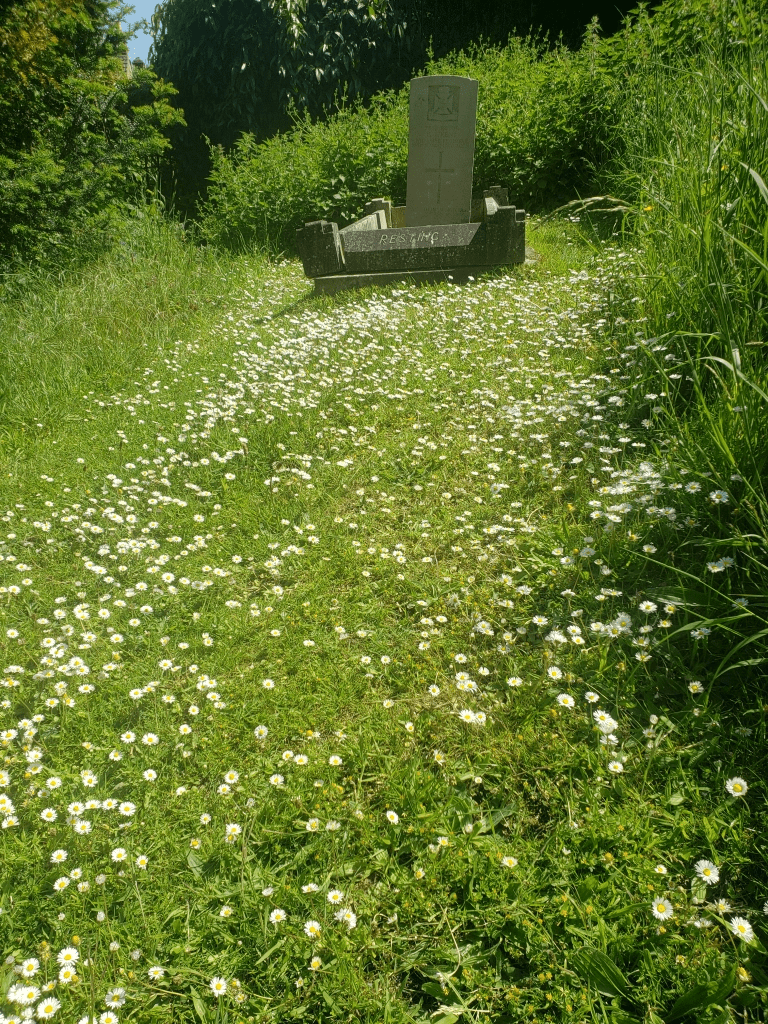

 Radnor Street Cemetery