For more than 15 years a small group of volunteers have been working to bring the history of the cemetery alive again and the cemetery chapel has been central to our work.
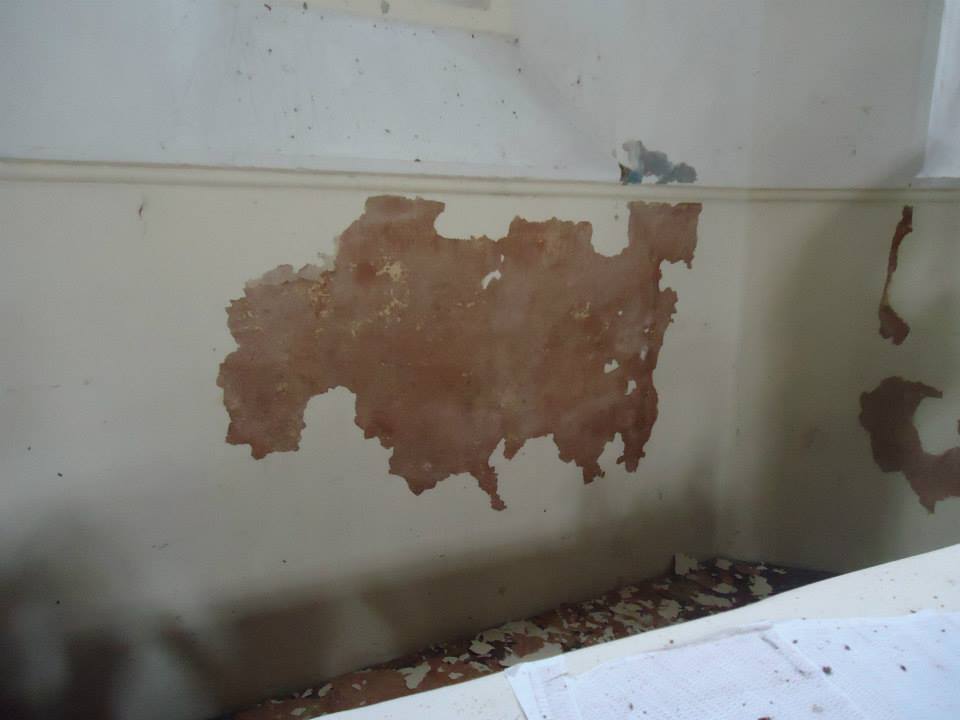
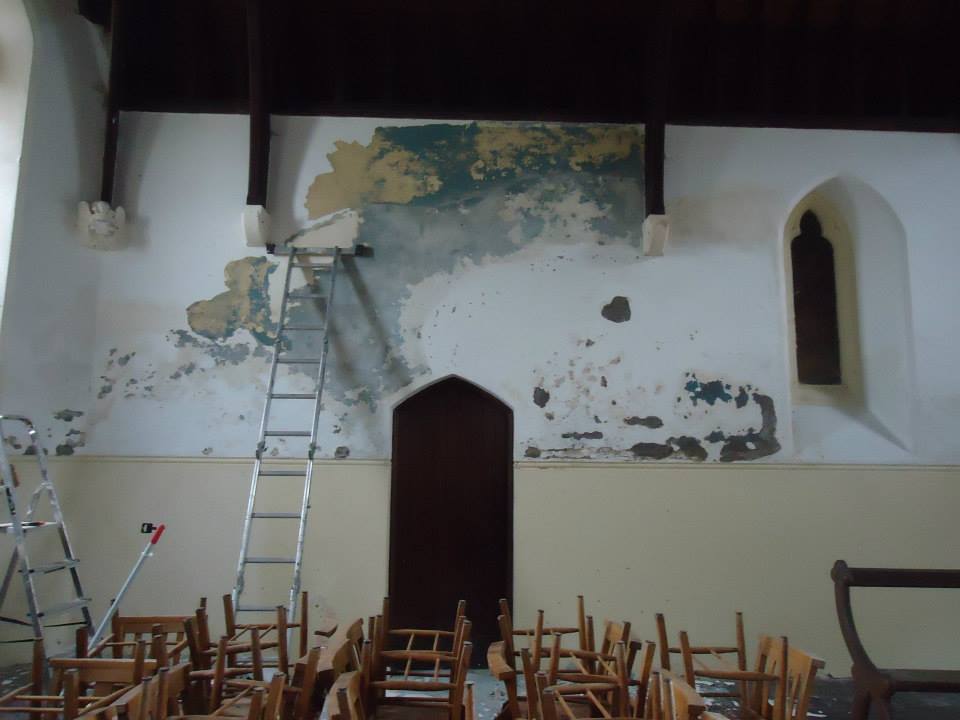
The chapel was designed in 1881 in the Gothic Revivalist style by popular local architect William Henry Read (who is buried in the cemetery). The cemetery chapel was non denominational and the burial plots in the cemetery were unconsecrated, at last the non-conformist residents of Swindon could be buried according to their own beliefs. Built to seat 100 people the chapel is austere and unfussy and painted white throughout, but this was not the original colour scheme. During repair and restoration work undertaken in 2013 we discovered that the upper walls were painted dark blue with the lower section a dark red, another fascinating aspect of the history of the building.
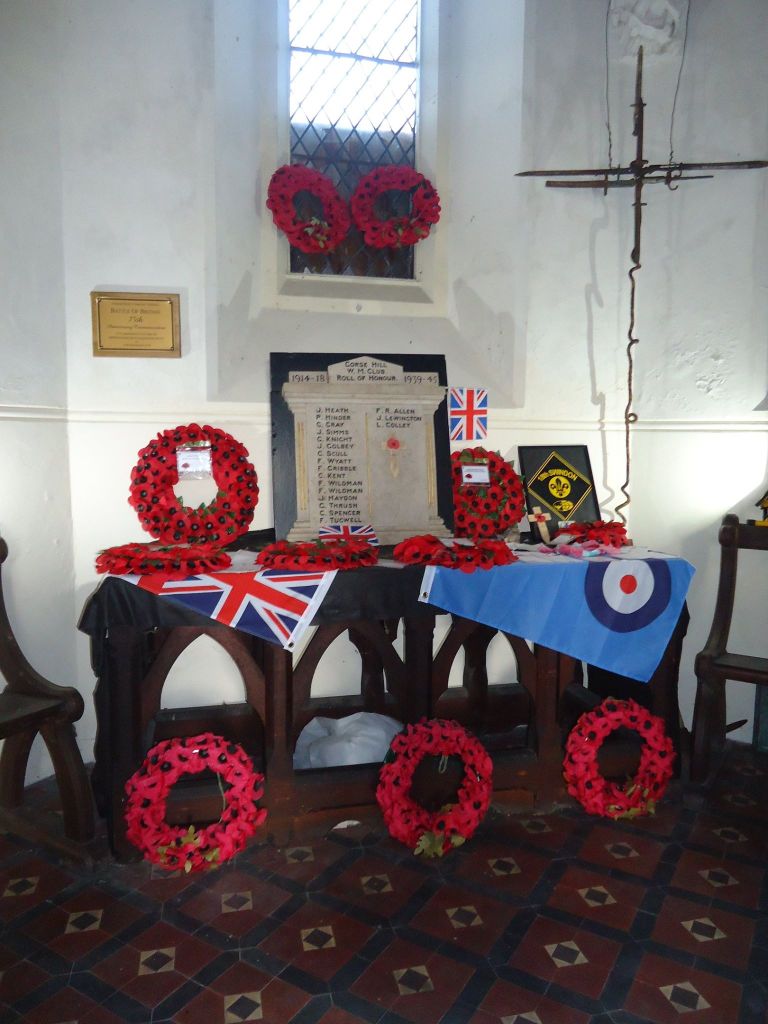
The cemetery chapel is central to the activities we hold, especially the Service of Remembrance. However, in recent years the numbers who attend this service have increased to such an extent that we are no longer able to meet in the chapel. Instead we gather round the Cross of Sacrifice, the Commonwealth War Graves memorial. At the end of the service the scouts place a cross on each of the 104 Commonwealth War Graves.
In 2014 we hosted the launch of Swindon in the Great War, a four year project to commemorate the events of the First World War. An exhibition of First World War artefacts and photographs at the end of the commemoration period was a great success.
And in 2015 the Duke of Gloucester was guest of honour at a Battle of Britain 75th anniversary commemorative event held at the cemetery. The Battle of Britain Memorial Flight flew over Radnor Street Cemetery and the grave of Squadron Leader Harold Morley Starr, a Swindon born pilot who was shot down by enemy aircraft above Kent on August 31, 1940.




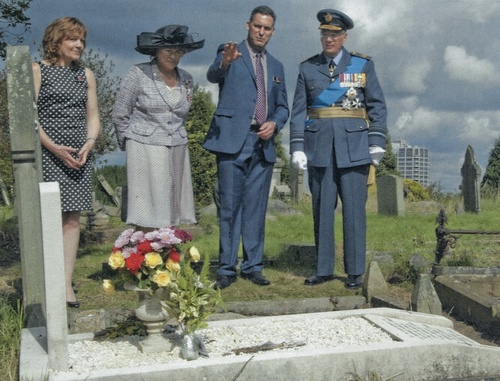
The Duke of Gloucester at the grave of Squadron Leader Harold Morley Starr

Join us for a guided cemetery walk on September 15, 2024 to celebrate Heritage Open Days. Meet at the chapel at 1.45. Walk begins at 2 p.m.


 Radnor Street Cemetery