John Betjeman (Poet Laureate 1972-1984) wrote an essay for a book entitled Studies in the History of Swindon published in 1950 to celebrate the fiftieth anniversary of the incorporation of the Borough. Betjeman’s ‘short architectural study of Swindon’ provides some examples of architecture (and yes, we still have some) but he also gives credit to the construction of the familiar red brick terraces, describing Swindon as ‘more interesting than many towns which are more beautiful.’
Much of 19th century Swindon, old and new, was built piecemeal in short terraces by individual builders; houses that are different styles and different sizes. Occasionally a terrace name survives in brick work such as Albert Terrace in Dixon Street.
Betjeman talks about ‘artisan buildings’ for ‘mechanics and handicraftsmen built consciously as such’ ‘well built and weatherproof,’ and he mentions Hawkins Street, Thomas Street, Charles Street and Manton Street in Rodbourne.
And more than 70 years later there are still interesting features to be found; the trick is to look up! Take a wander down any street in Rodbourne and you will see decorative plaques beneath the eaves. On the terrace between Linslade Street and Jennings Street there is a plaque – Lucknow Terrace 1880 – named to commemorate the Siege of Lucknow in 1857. Perhaps the builder, TP, was a veteran of that war?
Closer to the cemetery is Albion Street where building dates from 1877. Between house numbers 9 and 10 there is situated a decorative plaque enclosing the initials JD and the date 1878.
Three years later, at the time of the 1881 census, Joseph Deacon, a carpenter and joiner, lived in number 9, (a property he probably built along with number 10) with his wife Eliza and their three young children Sarah Jane 3, Harry 2 and one month old baby William James.
For more than 70 years the Deacon family lived at numbers 9 and/or 10 Albion Street. In 1901 Eliza ran a general shop at number 10 where she later died in 1917 and youngest daughter Julia died at No 9 in 1955.
Joseph died in 1925. He was buried on June 4 and shares grave plot C3415 with his wife Eliza and daughter Julia.
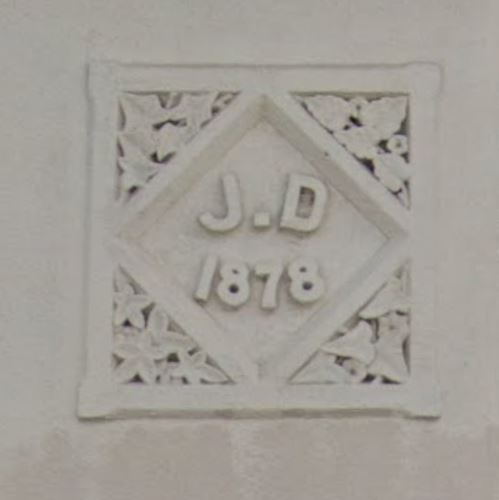
Below – decorative plaques on Rodbourne streets


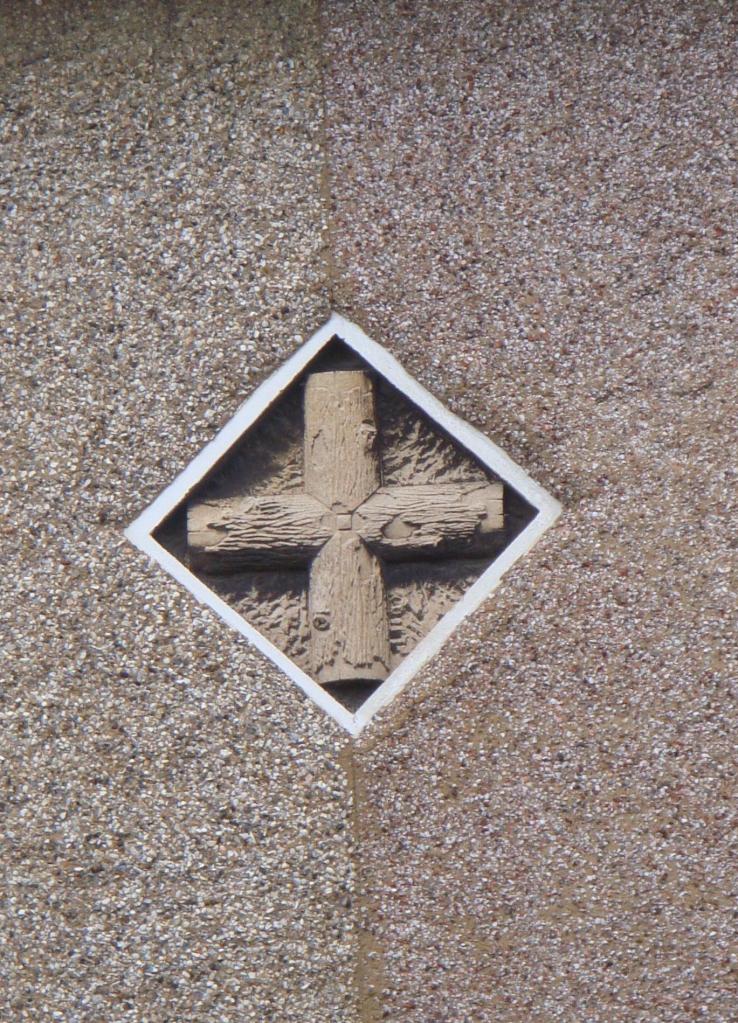

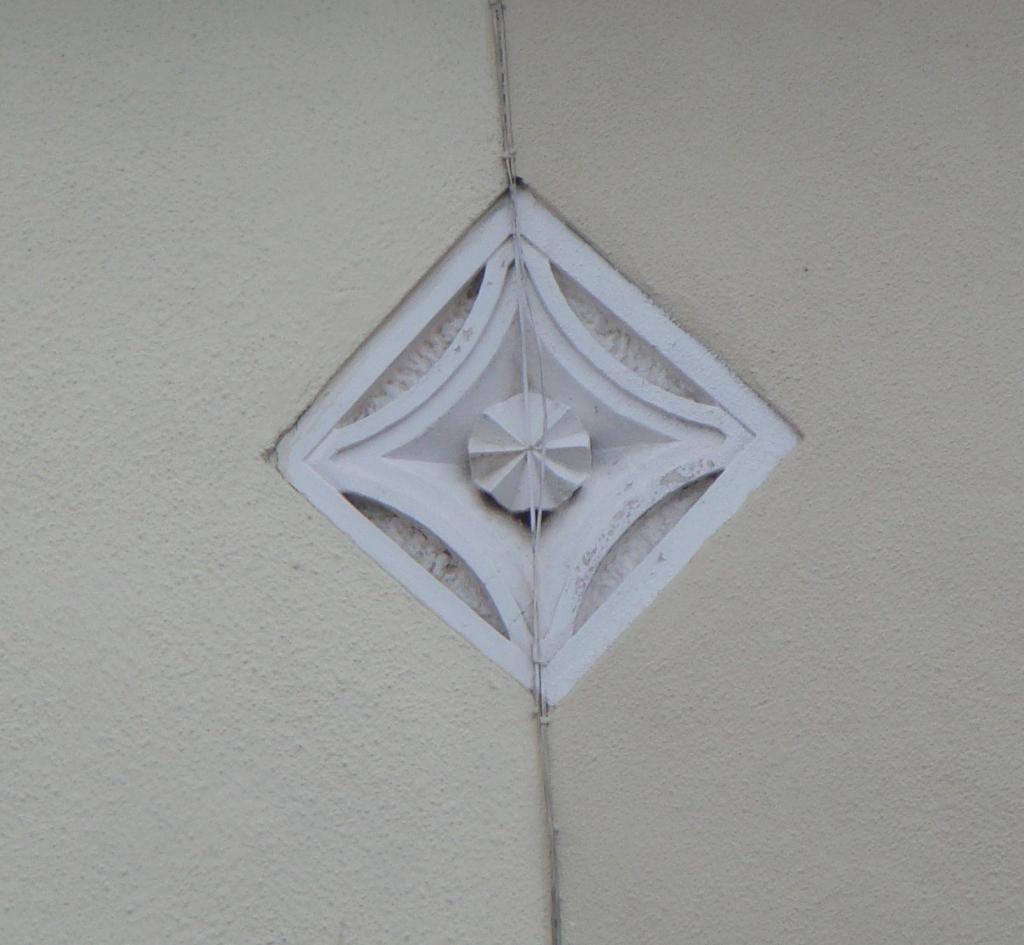


Albert Terrace, Dixon Street
 Radnor Street Cemetery