The re-imagined story …
I stood in front of the Baptist Tabernacle and watched the crowds gather, ten, twelve, fifteen deep in some places, packing all the approaches to the Town Hall.
Hundreds upon hundreds of people had come to pay their respects. Grieving parents stood next to those who had welcomed home their shattered sons, everyone touched by the horror of four long years of war.
Soldiers on crutches, soldiers with no obvious injuries. Widows holding the hands of little children, who even at such a young age appreciated the solemnity of the occasion.
Gathered immediately around the shrouded war memorial were the Mayor and civic dignitaries standing next to members of the clergy from the various Swindon congregations. Alongside detachments of the local military units were a group of Boy Scouts and Girl Guides, all standing to attention.
I went to school with the Preater brothers. I was in the same class as Bert, the youngest. Six sets of brothers were lost from Sanford Street School and I knew them all. Reginald Corser, an Engine Room Artificer who died on board HMS Defence in 1916. His brother Horace died on the Western Front two years later.
The Leggett brothers both served with the Wilts 1st Battalion and died within three months of each other in 1915. Bill was shot through the stomach. He was 22 years old. Ern was also killed in action. He was 21.
I went to school with the Preater brothers and Bill and Ern Leggett and the Corser brothers, but I didn’t go to war with them. The British Army wouldn’t have me. I tried to enlist twice, but each time I failed the medical.
The ladies used to wait outside the Works with their white feathers. I keep mine in an envelope in my sock drawer.
And then it was time for the service to begin. The Mayor unveiled the Cenotaph as the Last Post was sounded.
The band of the Comrades of the Great War played the introduction to the hymn “Nearer my God, to Thee” and a great swell of voices carried the words heavenwards on that serene and sunny day in October 1920.
After the prayers the short service closed with another hymn, “For all the saints who from their labours rest” and as the voices stilled, relatives made their way to the war memorial to lay their flowers. The silence only broken by the sound of sobs. How many more tears could we shed?
Mrs Preater leaned heavily on the arm of her son John, the only one of four who went to war and returned home. She looked frail. Three sons lost and no grave to visit for any of them.
The war had been over for almost two years but for families like the Preater’s it would never be over.
It took a long time for the crowd to disperse. People were reluctant to leave this place, this time.
I stood and watched and wondered how I could continue to face the men who had returned home broken. The war casualties continued long after the armistice.
I am writing my memories of that day. Maybe in the future someone will be interested. At the moment I can’t see a future.
These words were found with a white feather in an envelope in his sock drawer.
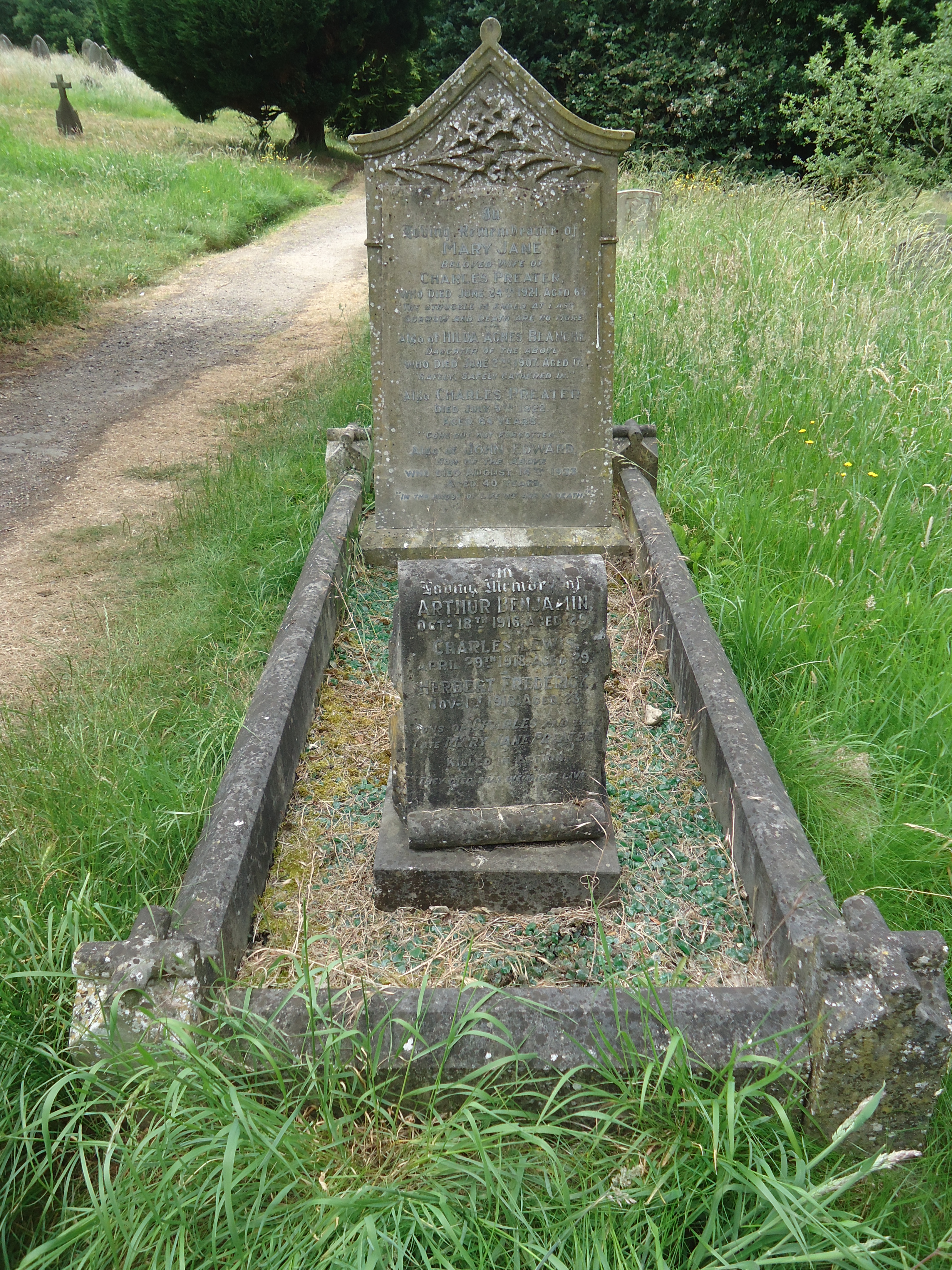
The Preater family grave in Radnor Street Cemetery
The facts …
Buried in this grave are Charles and Mary Jane Preater, their daughter Hilda who died in 1907 and John Edward Preater, the son who survived the First World War.
A memorial to the three sons who died stands on the grave.
Arthur Benjamin Preater was born in 1886 and served in the 2nd battalion of the Wiltshire Regiment. The battalion had been involved in the Somme battles since July 8, 1916. On October 18 they were in the line along with the 2nd Liverpool, 2nd Manchester Pals and the 2nd Yorks and attacked the German positions not far from Flers. The attack was not successful and the battalion reported casualties of 14 officers and 350 other ranks. Arthur was among those killed. He is remembered on the Thiepval memorial and has no known grave.
Charles Lewis Preater was born in 1889 and served in the 6th battalion of the Wiltshire Regiment. In April 1918 the 6th were in the Messines area of Belgium about seven miles from Ypres. The 2nd part of the great German offensive took place on the night of the 9/10 and the objective was Ypres again. In the path of this onslaught was the 6th Wilts. By the time the battalion was relieved on April 20 they had lost over half their strength. Charles had been severely wounded and died as a result on April 29. His grave was lost due to constant shelling and he is remembered on the Tyne Cott memorial.
Herbert Frederick Preater was born in 1896 and served with the 2nd/8th Battalion of the Worcestershire Regiment. He was killed in action on November 1, 1918 and is buried in France in the Cross Roads Cemetery Fontaine au Bois.
John Edward Preater was born in 1893. He served with the Worcestershire Regiment. He survived and returned home. He took over as landlord at The New Inn following his father’s death in 1922. John collapsed at the GW Railway Station, Chippenham on August 14, 1933. He was travelling with a group of friends and his fiancée. They were off to Weymouth for a short holiday. He died on the platform before a doctor could arrive. There was no inquest as John was under the care of a doctor at the time of his death. He is buried with his parents and his sister.
Two elder sons didn’t serve.
There were two daughters. Eva Emma Leah Preater who married James Ernest Wood, an Engine Erector, in 1909. Eva died in 1974 aged 90 and is buried close to the Preater family grave. Youngest child, Ada Cora Preater, never married. She took over as proprietor of The New Inn after her brother’s death in 1933. She died on February 26, 1956 at the pub where she had lived all her life. She is also buried in Radnor Street Cemetery in plot D65A.
Resources include Tell Them of Us by Mark Sutton
Swindon’s War Record by W.D. Bavin

The Leggett Brothers – William (left) Ernest (right)

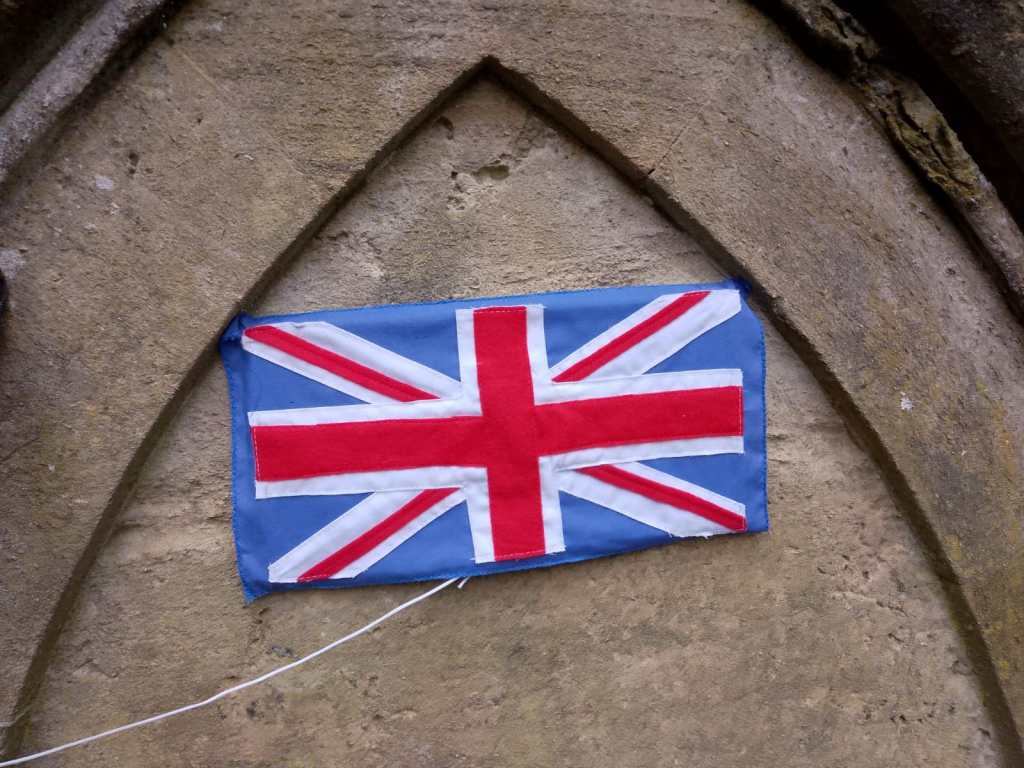
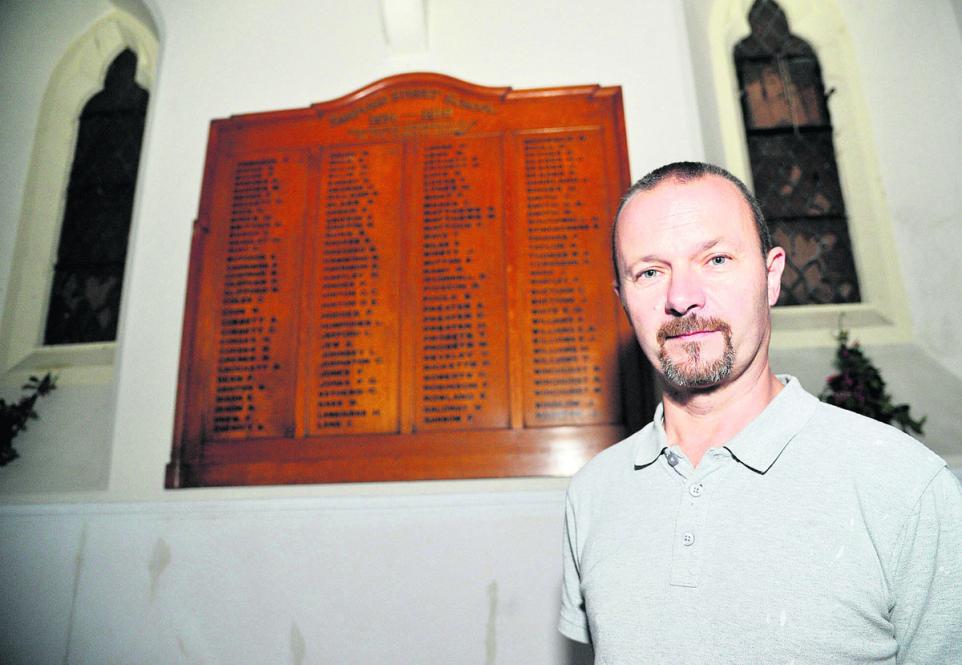
Sanford Street School Memorial, Radnor Street Cemetery chapel
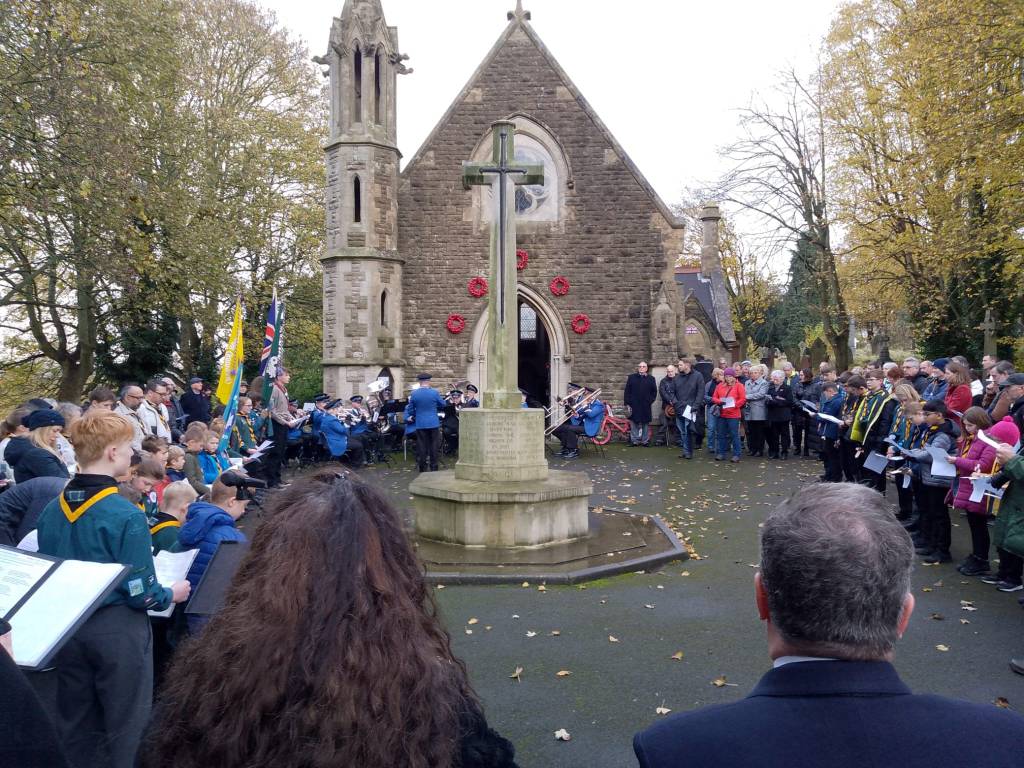
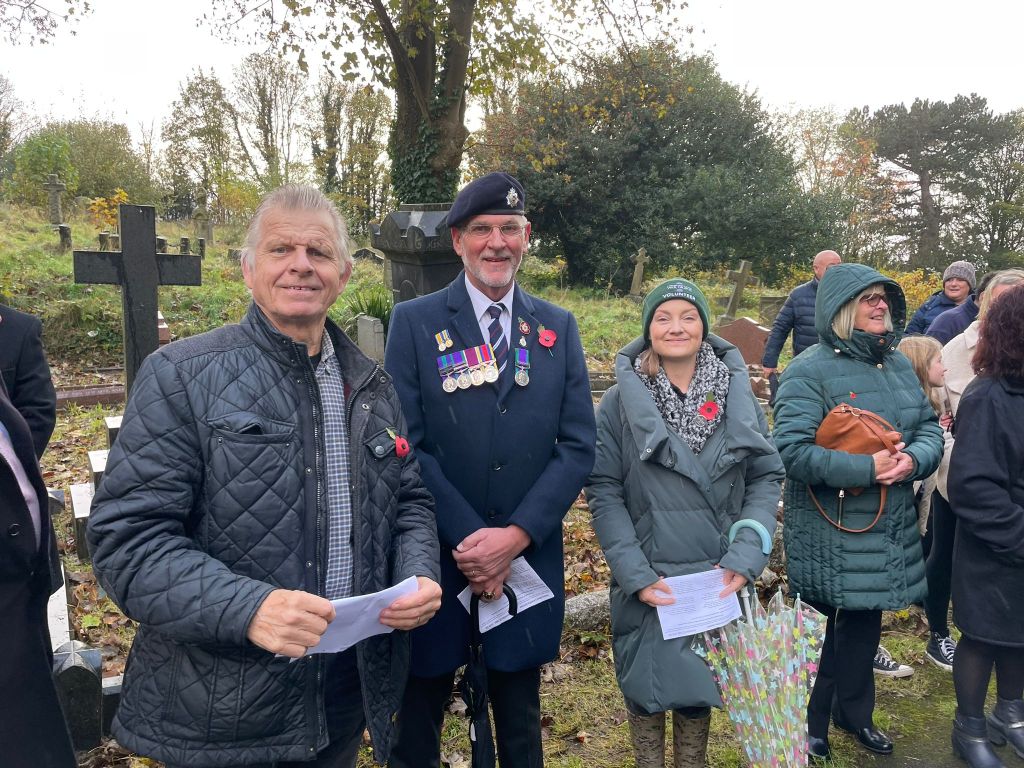
Join us in a Service of Remembrance at Radnor Street Cemetery on Sunday November 10. Meet at the Cross of Sacrifice memorial for 2pm.
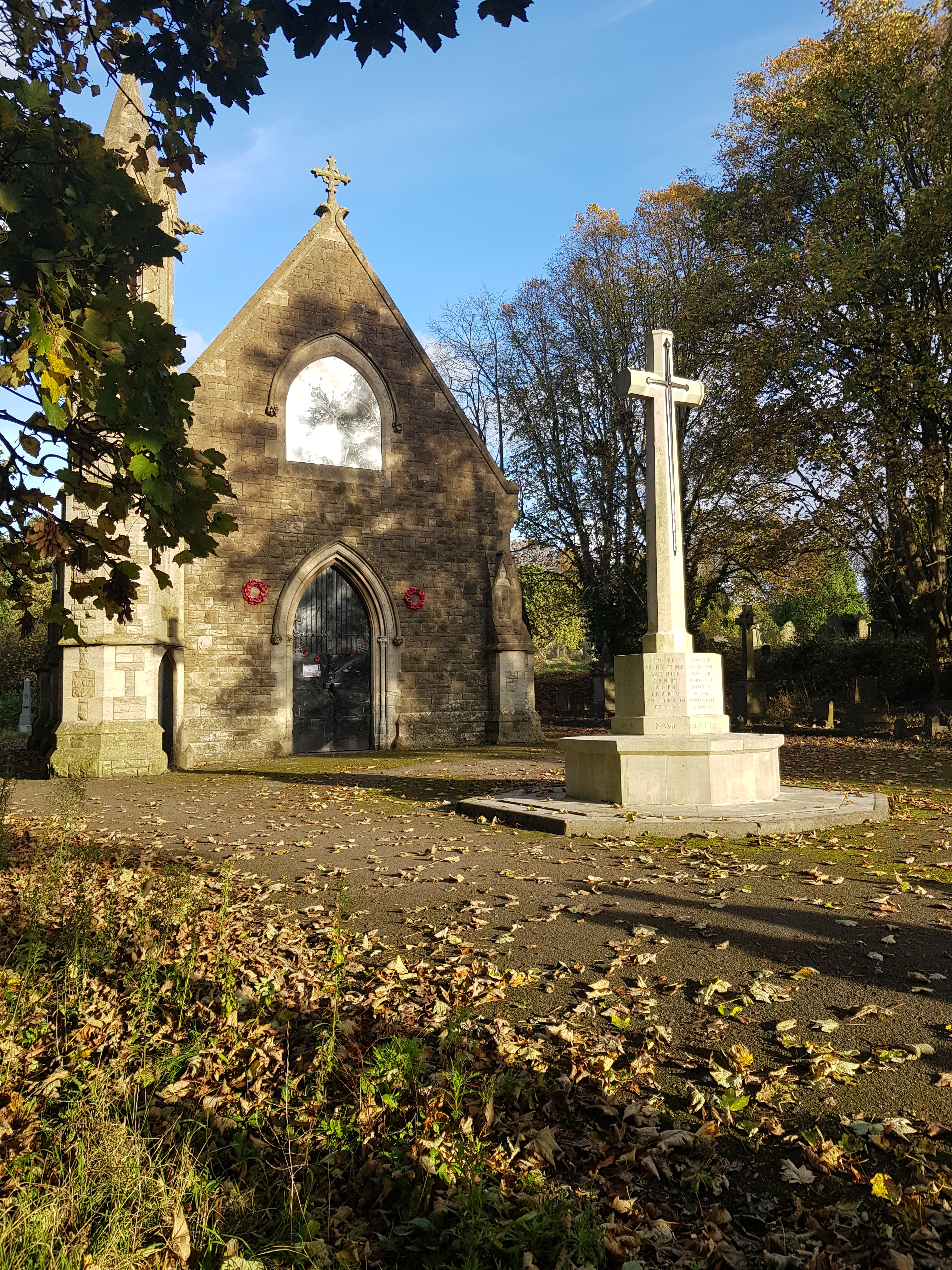


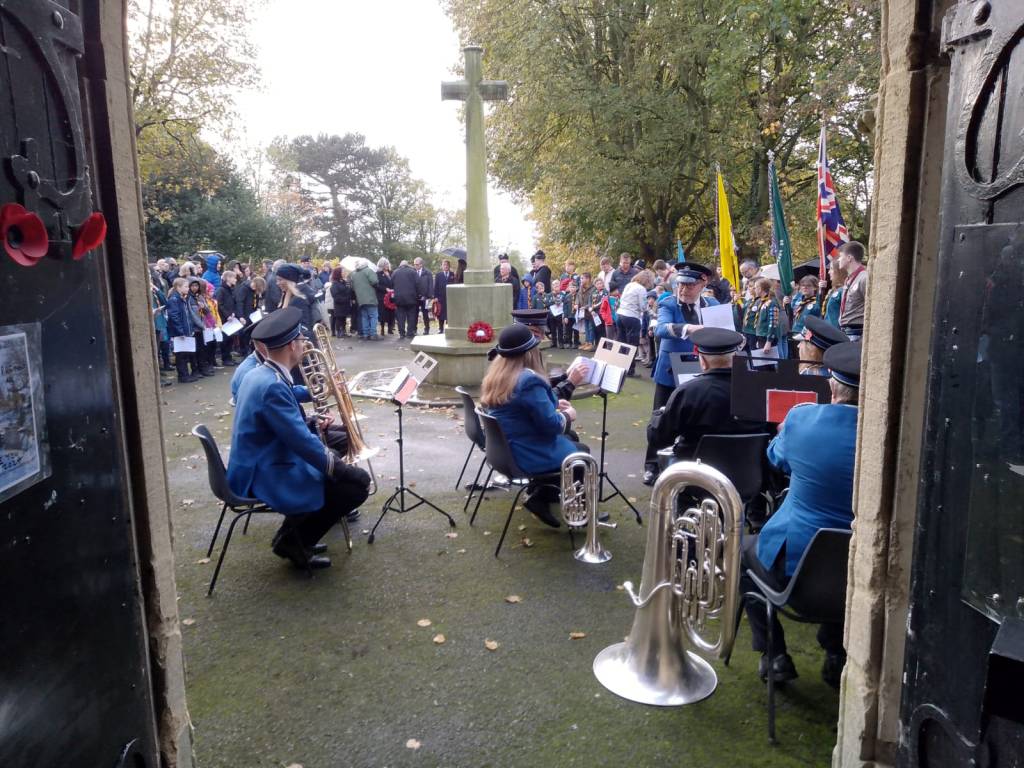
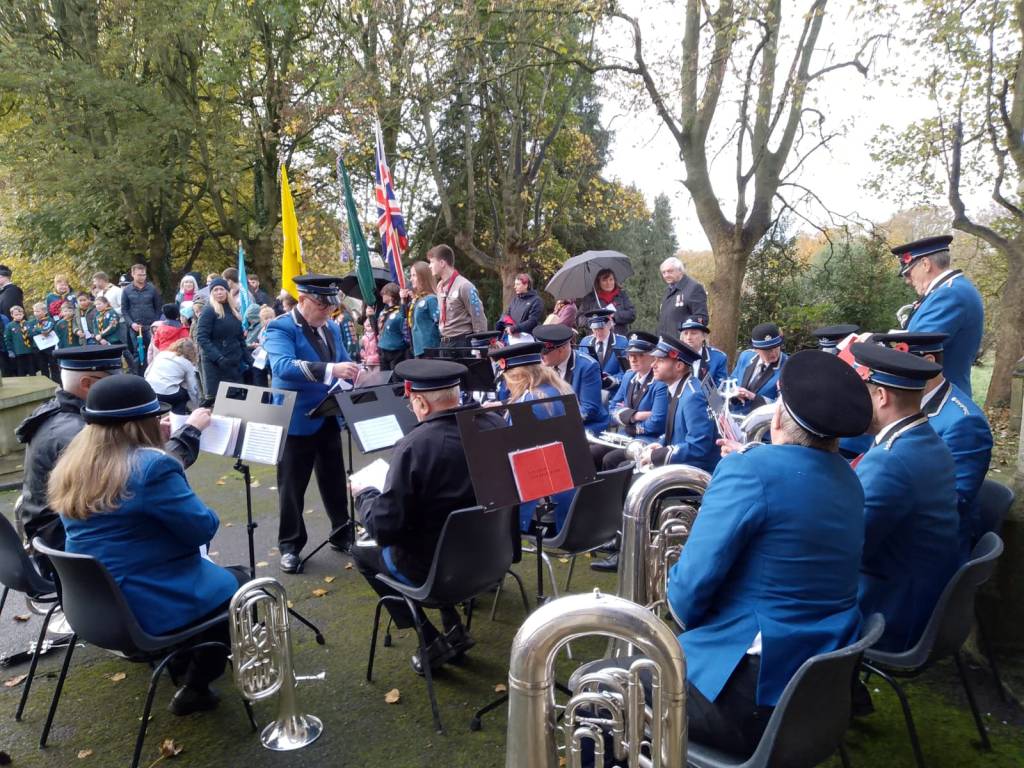




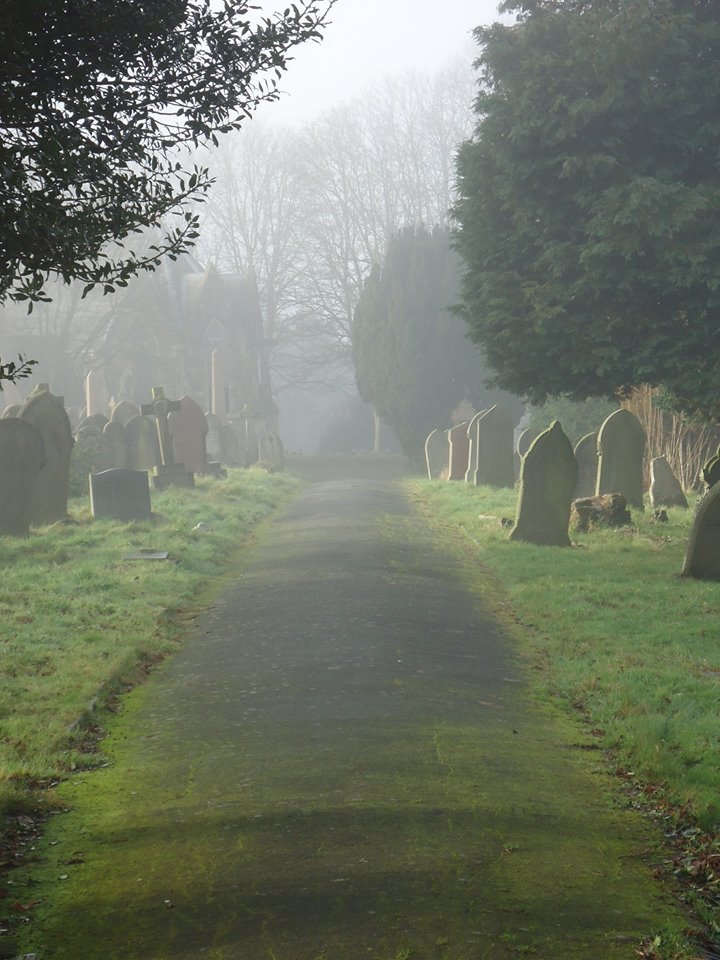

 Radnor Street Cemetery