
The re-imagined story …
They’ll be along in a little while. I see them most days, the young man and the little girl. Sometimes they walk past me but sometimes they sit next to me on the bench. I like those days. The young man exchanges a few pleasantries, comments on the weather, that kind of thing. The little girl only talks to him. My, she’s a chatterbox. She tells him about her friends and about school and who got told off that day. She has a nasty cough, mind; some days I think she doesn’t wear enough clothes. She never wears a coat in the winter, but then the young man takes off his greatcoat and puts it around her shoulders while they sit on the bench.

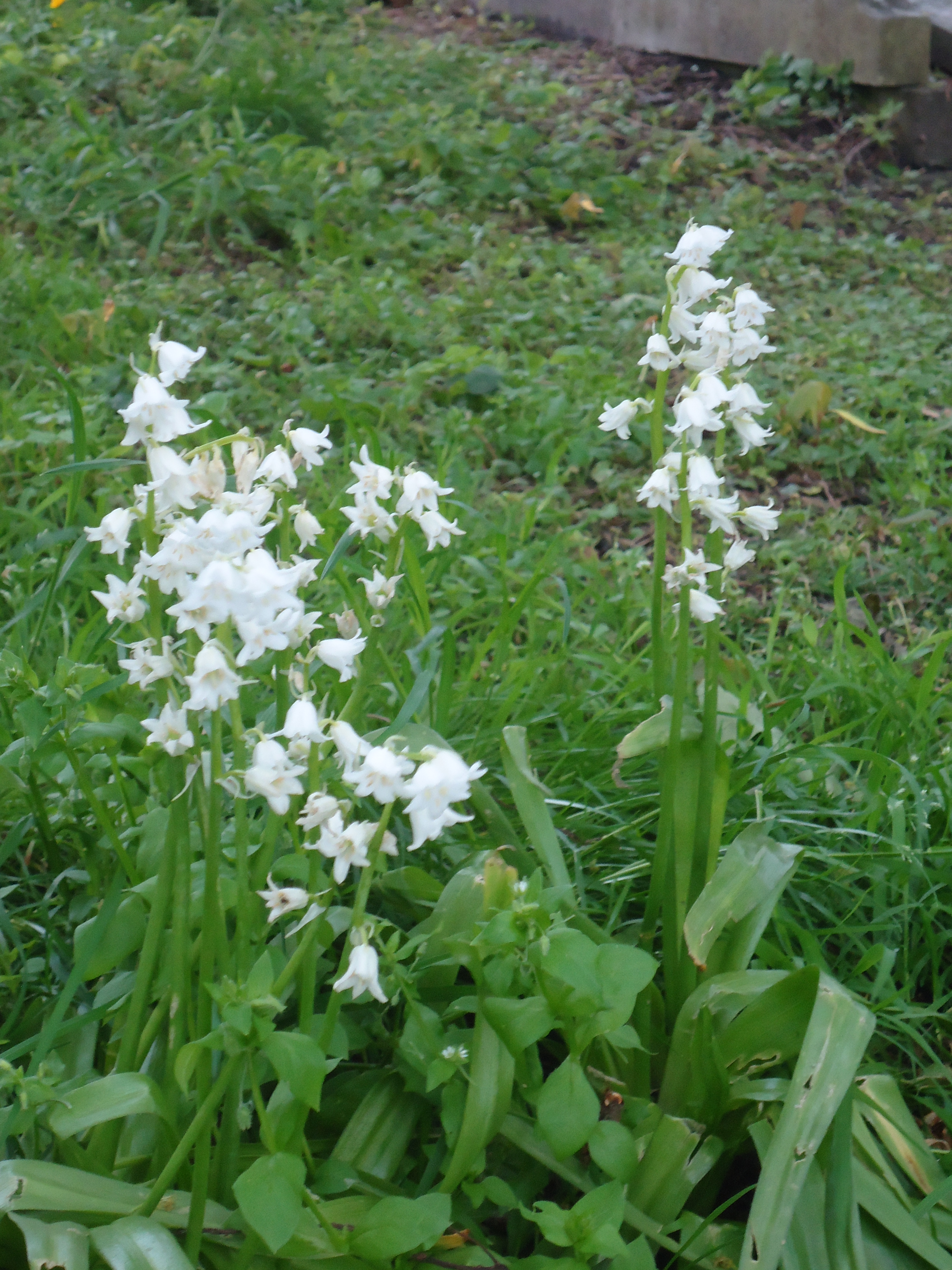
But today it is summer and the sun shines on the cemetery and warms the cold earth. Yesterday she collected some flowers from one of the graves. He gently explained that she couldn’t take them and that someone had placed them there as a token of their love for the person who had died. She said she wanted to take some flowers to her mother so they picked some harebells that grew by the cemetery gate.
Here they come now. She is skipping alongside him, holding his hand. He is smiling. There is something very familiar about that smile. He reminds me of someone, but I can’t remember who. My thoughts are so muddled these days. The nurses call me Edie but I don’t think that’s my name. Tom never called me Edie. After the children came along he called me ‘ma’ like they did. I’m sure my name isn’t Edie though.
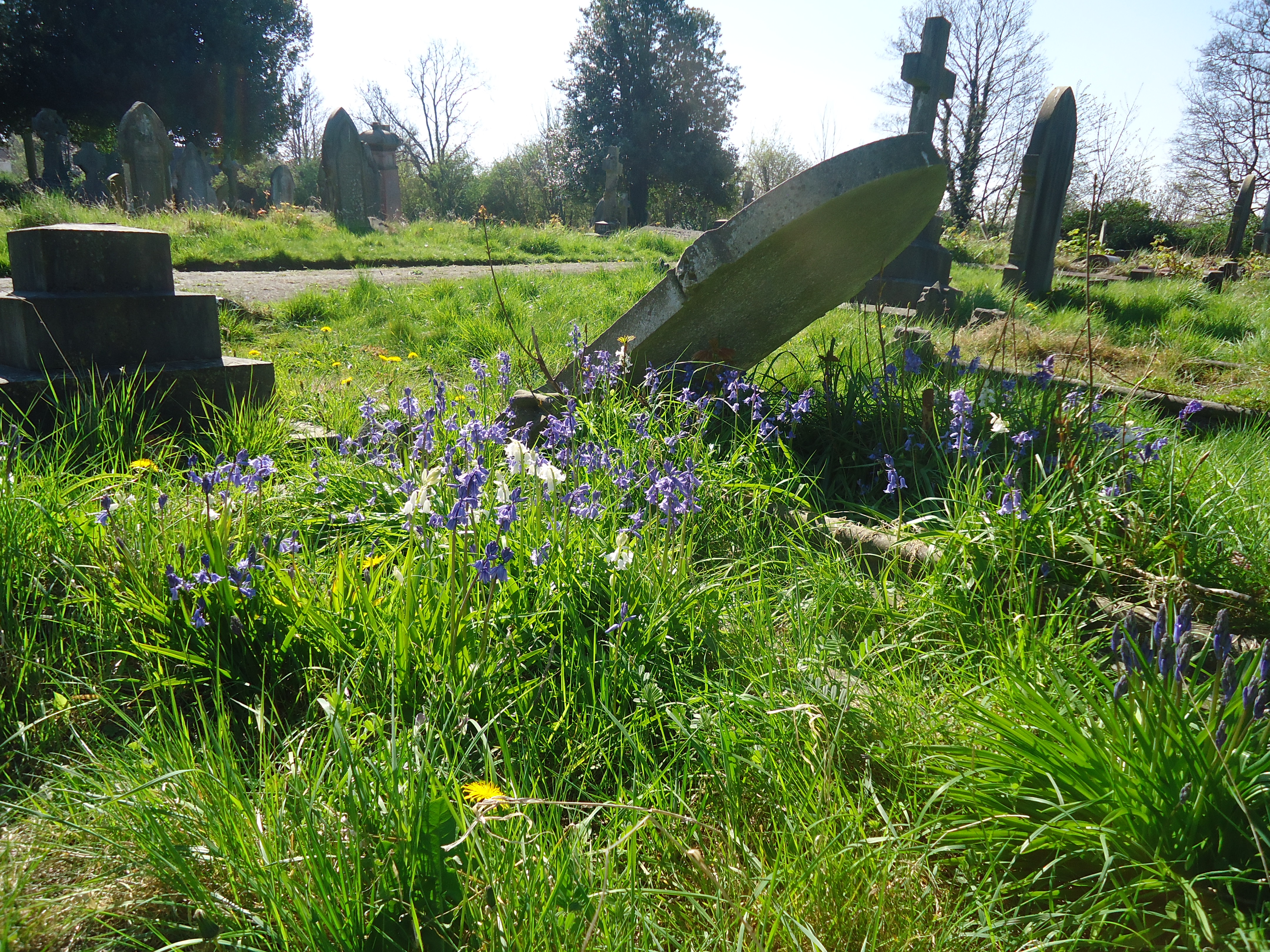
They’re not stopping at the bench today. That’s a shame. I like listening to their conversation. Never mind, there’s always tomorrow.

Evening is drawing in. Doris will be along soon. She is never far away. She knows where to find me. It’s funny, I never forget her name. Here she comes now.
“Did you see them Ma?”
“Yes. They were along earlier.”
“Did Charlie speak to you?”
“No, not today. But he did smile. Do you know him then?”
“Of course I do Ma. It’s our Charlie and little Vera.”
“He doesn’t recognise me. Why doesn’t he recognise me Doris?”
“It was a long time ago Ma. You’ve changed a lot, got older. He doesn’t recognise me either.”
“I’ll remind him who I am tomorrow. They’ll be along again tomorrow.”
“Come on Ma, it’s beginning to get dark. We should make a move. Take my arm.”
I lean heavily on her, but she never complains. She’s a good girl. She’ll make some lucky man a lovely wife. I wonder why she hasn’t got married by now. I wish I could remember these things.
The nurses call me Edie, but I’m sure that’s not my name.
The facts …
Edith Emily was born in 1876 in Gorse Hill, the daughter of John Painter, a sawyer at the GWR Works, and his wife Hannah. She married Thomas Gray, a steam engine fitter in the Works, in 1895 and at the time of the 1901 census the couple were living at 263 Cricklade Road, Gorse Hill with their two children Florence aged 4 and one year old Charles. They would go on to have a total of 11 children, the last born in 1919, a daughter Gwendoline, who died before her first birthday. Two other daughters died in the 1920s.
On the 1939 List Thomas and Edith are living at 13 Carlton Street with their daughter Irene, who works as a domestic servant and son Ronald, a van driver for a Wine and Spirit Merchant.
Thomas died in November 1941 at Carlton Street and was buried on December 3 with his two daughters in plot C1024. He was 67 years old.
Edith Emily Gray died on Christmas Day 1959 at Roundways, a psychiatric hospital in Devizes. The hospital had opened in 1851 when it was called the Wiltshire County Lunatic Asylum, changing its name to the Wiltshire County Mental Hospital in 1922 and eventually Roundways. Edith was 83 years old. She was buried on December 31, in plot C1024, with her husband and two daughters. This is a public or pauper’s grave and the Gray family members are buried with two others.
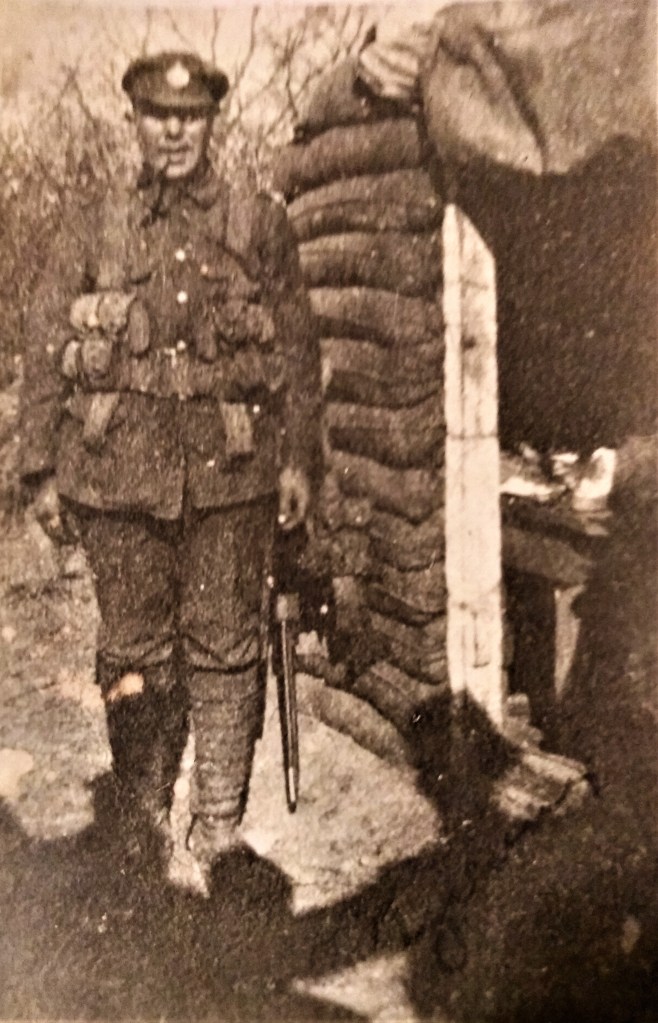
Thomas and Edith’s eldest son was Charles Herbert, born in 1899. He served with the 6th Wilts regiment from the outbreak of the First World War and was discharged from the army on March 15, 1919. Sadly his records are among those destroyed during bombing in the Second World War, but we do know what action the 6th Wilts served in and that Charles was most probably with them.
The 6th Wilts embarked for the Western Front in July 1915 as part of the 19th Division and were involved in action at Loos in September of that year. After the attack they returned to Neuve Chapelle for the remainder of 1915.
In 1916 they were engaged in training at Albert in preparation for the Somme offensive, during which they suffered 380 casualties in two months.
In 1917 the 6th Battalion saw action on the Ypres salient, Messines Ridge and Passendaele Ridge. They became the 6th (Royal Wiltshire) Yeomanry Battalion following more heavy losses.
Throughout the last year of the war the 6th (Service) Battalion were heavily engaged. They sustained heavy losses and despite reinforcements were eventually disbanded, most of the men being sent to the 2nd Battalion. They were eventually disbanded in Devizes in 1919.
During the September quarter of 1920 Charles married Ada J. Edginton and the coupled lived at 14 Haydon Street. Charles died from Pulmonary Tuberculosis on April 4, 1921 at Salisbury Hospital.* He was 22 years old. He was buried on April 9 in grave plot B2321.
The birth of Charles and Ada’s daughter, Vera Dorothy Joan was registered during the June quarter of 1921, so probably around the time of Charles’s death.
Vera died in January 1926 at the Isolation Hospital. She was four years old. She is buried in Radnor Street Cemetery in plot C569, a public grave which she shares with eight others.
*Paul Cook kindly obtained the death certificate for Charles Herbert Gray.

History of the 6th Wilts taken from The Wardrobe – Home of the Infantry Regiments of Berkshire & Wiltshire.


 Radnor Street Cemetery