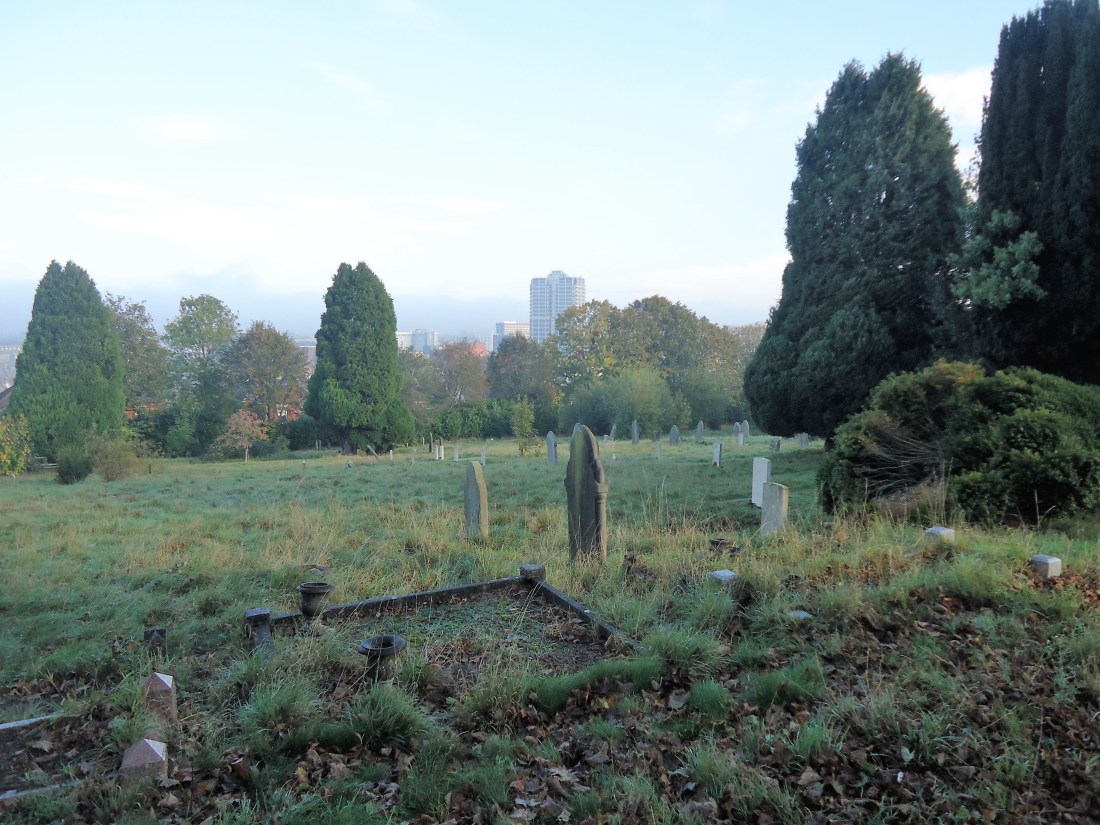
The re-imagined story …
I should never have read the account of the inquest in the Adver. I knew there had been an accident, I knew he was dead, I didn’t need to know all the details or the extent of his injuries.
I’d only known him a few months but long enough. He was a lost soul. My mother always says I’m attracted to the poor little sods of this world.
He hadn’t yet told me what had gone wrong in his life, but something obviously had. At the inquest he was described as being a little addicted to drink. What a quaint expression. He drank for a reason and it wasn’t because he liked the taste of the beer.
He drank because he was lonely and sad and disappointed with how his life had turned out. When he wasn’t drunk he was angry and resentful but when he was drunk he was happy, or so he thought, but we both knew that wasn’t the case.
I tried to help. If we’d had longer together I might have made a difference, might have got to know the real man.
The facts …
The Fatal Accident Near Wootton Bassett
Inquest and Verdict
Mr W.E.N. Browne, Coroner, held an inquest at the Beaufort Inn, Wootton Bassett, on Saturday afternoon, on the body of William Johnson, who was killed by being knocked down by a train on the GWR near Wootton Bassett Station, the previous Thursday evening, as briefly reported in our last issue. Inspector Wheeler, of Chippenham, was present to watch the proceedings on behalf of the Great Western Railway Company. Mr T. Taylor was chosen foreman of the jury, who then proceeded to view the body, which was lying in an outhouse at the Beaufort Inn yard. The head and face was fearfully knocked about, and almost beyond recognition. The body had, however, been identified as that of William Johnson, 37 years of age, a native of Coventry, and for the past three years employed as a shop clerk in the GWR Works at Swindon. Deceased was a single man, living in lodgings at 41 Chester St., New Swindon. Deceased’s only brother, Thomas Johnson, who is also employed in the GWR Works and lives at Swindon, was present. Particulars as to the occurrence will be found in the following evidence:-
William Hyland, of Swindon, was the first witness called, and identified the body. He said deceased had worked with him in the same shop in the factory at Swindon- the carriage finishing shop. He last saw him alive on the previous Tuesday Morning at nine o’clock when they had a chat about the “Trip” and other matters. Deceased told him he was not going away this trip time; he had nothing whatever to do with the trip. Deceased has never appeared despondent, but was more of a lively, excitable nature, and much more so when he had beer. Deceased was addicted to drink a little. He had worked in the factory since 1888. Two years ago deceased had a fit in the Works and fell, receiving a blow in the head, which rendered him insensible, and he had to be carried out of the Works. Deceased had told him he had been abroad, having been in the army – the artillery. He was not married.
The next witness called was Matthew Henry Cameron, of Paddington, engine driver on the GWR. He said he was the driver of the express train leaving Bristol at 5.18 pm on the previous Thursday. This train usually ran to Swindon without stopping. When they got this side of Dauntsey on Thursday evening he did not see anyone on the line. The first intimation he received of anything being wrong was when they got close to the bridge about half a mile or so from Wootton Bassett Station. His mate blew the whistle, and he looked round to see what was the matter. The fireman then told him he thought a man had been knocked down by the engine. He immediately shut off the steam, pulled up the train as quickly as possible at Wootton Bassett station, and told the signalman to send someone back to the bridge, as he believed a man had been knocked down by the engine. He felt sure someone had been killed, as there were marks of blood and flesh on the engine. The train was going at a speed of fifty miles an hour. There was no level crossing near the spot where the man was knocked down, nor any public footpath. He believed the buffer plank of the engine must have struck the deceased.
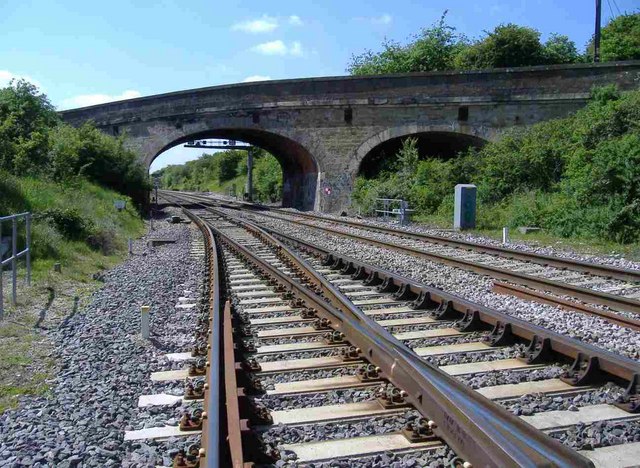
View of the Skew Bridge, Wootton Bassett published courtesy of Roger Cornfoot
Frederick Albert Hurson, fireman, also of Paddington, said he was on the same engine with the last witness. When near the skew bridge at Wootton Bassett he saw a man come down the bank on the Wootton Bassett side of the bridge and stop just by the side of the rails. He (witness) blew the whistle, and the man turned for a moment and looked toward him (witness), and just when the engine was close upon him he made a sudden movement as if he was going to cross the line in front of the engine. He (witness) asked the driver to see if the man was got across, and he looked and replied, “No,” He (witness) then looked on the side of the train again, and saw flesh and blood all up the side of the engine. They then pulled up the train at Wootton Bassett station, and informed the signalman of what had happened.
Thomas Johnson, a clerk in the GWR Works, living at 17, Clifton Street, New Swindon, said deceased was his only brother, and was a single man. He last saw him alive on the previous Monday evening at Swindon. Deceased then appeared to be in his usual health, and was going to the Mechanics’ Institute to see the evening news. Deceased had formerly lived with him. He had no reason to suppose that deceased would commit suicide. He was very much surprised when he heard the previous night what had occurred. He had no idea whatever that deceased came to Wootton Bassett the previous Thursday – he had never heard him speak of the place during the whole 2½ years he had been living at Swindon. He was not aware that deceased knew anyone at Wootton Bassett. – By the Coroner: He had not been altogether friendly with deceased lately. Deceased seemed to have a feeling of being jealous of his (witness’s) position in the Works. If he was at all despondent it was because he did not make such progress in the world as he would like to. Deceased was formerly in a good business as a watchmaker before he entered the army, and he might now have been in a comfortable position had he not been a little addicted to drink.
James Merrett, a labourer on the GWR, said he was working about a quarter of a mile from the scene of the occurrence on Thursday. He and a fellow workman saw the driver of the train shut the steam off, and after the train had passed they could see something lying on the four-foot way which ought not to be there. They went to examine it, and found it was the body of a man; he was quite dead. They sent for a doctor, and put the body on a trolley and took it to Wootton Bassett station. Witness added that he never saw any person on the line or inside the railway fence before the train came up. There was no public footpath near, but there was a path which was used by the packers working on the line, and at the entrance to it there was a notice board warning the public to keep off the line. – In reply to a juryman, witness said he found the body fifteen yards on the Wootton Bassett side of the bridge.
This concluded the evidence, and the Coroner briefly summed up, remarking that there was no evidence to show that deceased was temporarily insane at the time, or that he attempted to commit suicide.
The Jury returned a verdict of “Killed by a passing train.”
Extracts from the Swindon Advertiser, Saturday, July 18, 1891
At the time of the 1891 census William was lodging at 41 Chester Street with William Lang, his wife Mary and their infant son. William’s age is recorded as 39 years, born in Coventry, his occupation was Stores Keeper.
William’s funeral took place on July 13, 1891 and was conducted from his brother’s home in Clifton Street. He is buried in a public grave, plot B1964, with five other unrelated people.
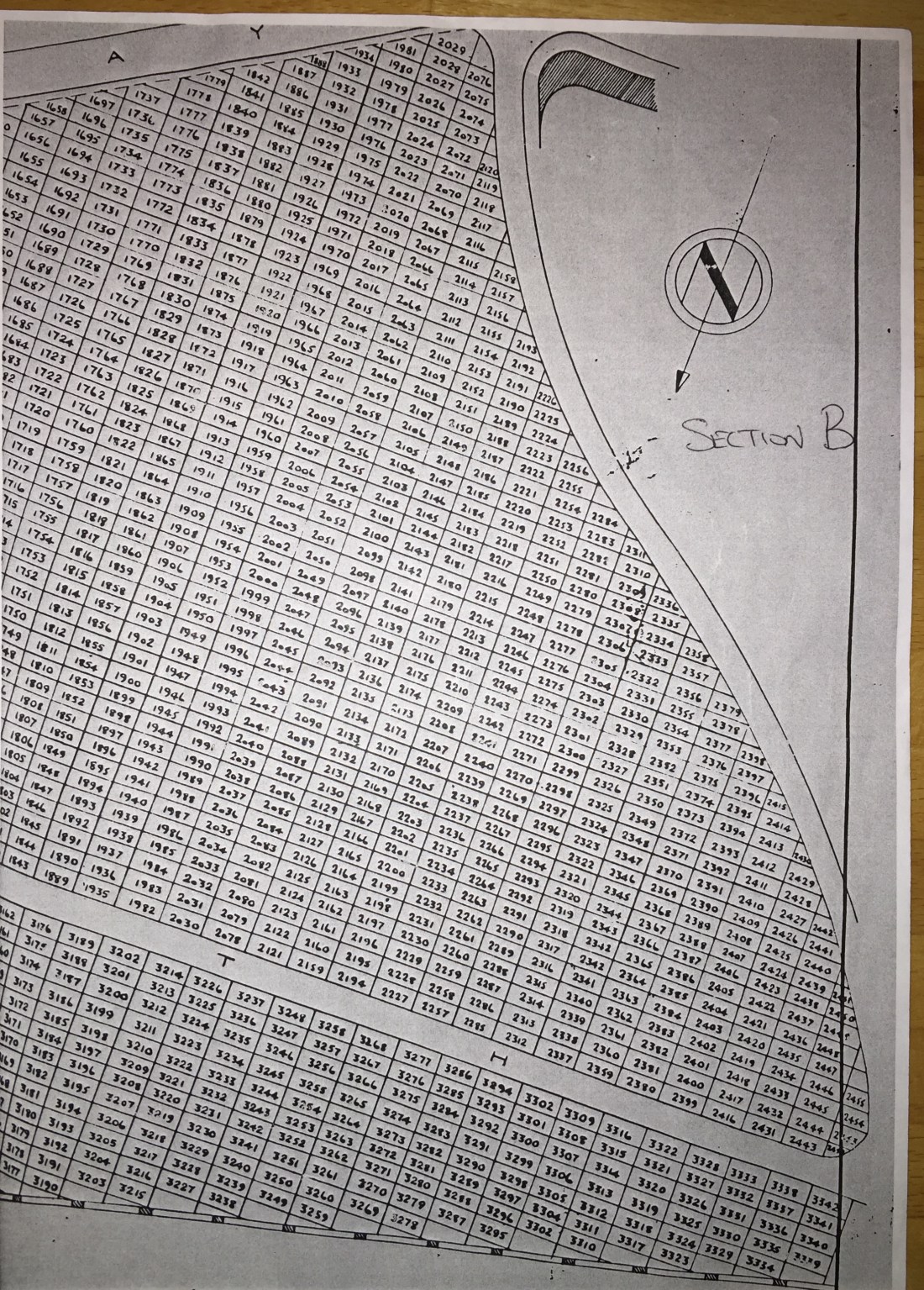
 Radnor Street Cemetery