The re-imagined story …
‘Mother always said there was nothing I could have done to help, but I never believed her. Today I can still hear the cries of the men, although mother said that wasn’t possible, they were too deep in the tunnel and I was too far away.
But I wasn’t.
What she didn’t know was that I was there, by the mouth of the tunnel as the ballast train screeched through. I was the first person on the scene, a 10-year-old boy walking home from school across the railway line.

A gang of platelayers image published courtesy of Newton Abbot Railway Studies.
I knew the platelayers were at work in the Sapperton tunnel that day in April 1896. I had seen them arrive with their truck and their tools while I was about my early morning tasks on the farm. A section of the tunnel was under repair and I wished I could see inside.
The tunnel was a feat of engineering carved beneath the Cotswold escarpment and a source of wonderment to this 10-year-old boy. By the end of that day in April 1896 the Sapperton tunnel would be the stuff of nightmares, a scene that would haunt me for years.
For weeks afterwards it was all anyone talked about in the village. How the gang of five men had been warned of the approach of a down train and had stepped out of the way on to the other set of metals. They did not notice that an up ballast train had entered the tunnel. Two men were killed instantly, their bodies mutilated in a shocking manner.
And I saw it all. At first I thought all were dead, but then came the moaning and the cries as the two who were less severely injured began to move.
I crept closer. In the light of their lantern I could see a man still lying on the track, his arm wrenched from his body, blood seeping from his head.
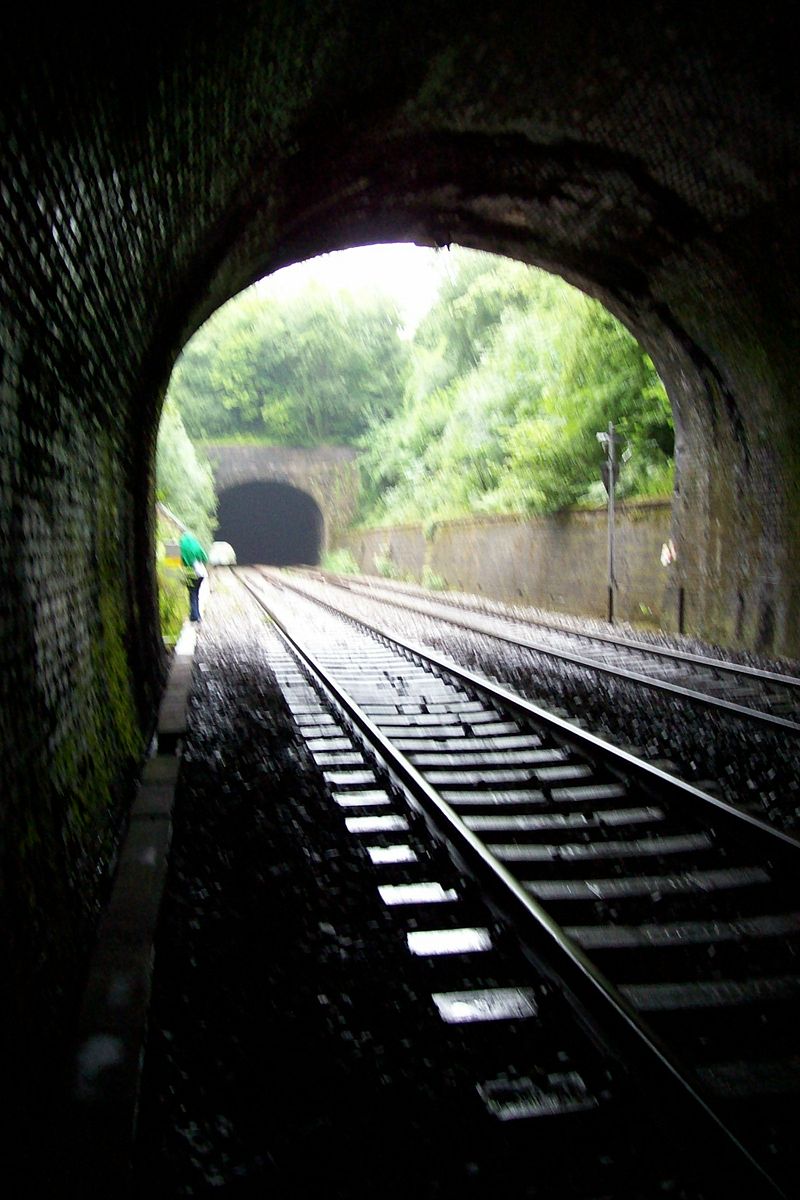
Sapperton Railway Tunnel
Help was slow in coming. The three surviving men were eventually picked up by a passenger train passing through the tunnel half an hour after the accident. At Stroud they were taken from the railway station to the hospital, causing a painful sensation in the town.
The men who died were named as H. Ballard and E. Greenaway. Another, J. Hillsley sustained concussion of the brain, scalp wounds and bruised limbs while W. Pointer was sent home from hospital during the course of that evening. The man with the severed arm died on the way to hospital. His name was Frederick Gee.
Mother said there was nothing I could have done to help, but I never believed her.’
The facts …
Platelayer – a man employed in laying and maintaining the railway track. The poorest of any railway employee with little or no opportunity for promotion or advancement. ‘The most neglected man in the service.’ (Will Thorne, Victorian platelayer).
Ganger Frederick Gee 47 was married to Mary Ann nee Willis and left seven children, five under the age of 10 years including a baby son just a few months old, when he died working in the Sapperton tunnel in April 1896.
Frederick was buried in Radnor Street Cemetery where in 1900 the couple’s sixteen-year-old daughter Rosa Ethel was buried alongside him and four years later their son Harry Howard, aged 21.
In just a few short years Mary Ann lost her husband and two of her children, but she was made of stern stuff.
On March 14, 1907 Mary Ann set sail from Liverpool on board the SS Cymric with her four youngest sons Sidney 17, Ernest 15, Frank 13 and eleven-year-old Wilfred, to begin a new life in the United States of America.
The family arrived in Boston, Massachusetts on March 25 and in the 1910 US census they can be found living in Forest Dale, Salt Lake City, Utah.
In 1917 Mary Ann, then aged 62, married William A. Tolman. William Augustus Tolman was 69, a widower and a member of a prominent pioneering family in the Church of Jesus Christ of Latter Day Saints (the Mormons). William’s father Cyrus had arrived in Salt Lake City, Utah in 1848 with Brigham Young’s second company.
Theirs was a brief marriage. William died from smallpox in 1920. He was buried in the family plot at Oakley Cemetery, Cassia County, Idaho with his first wife Marintha.
Mary Ann died in 1929 aged 71. She had survived the death of two husbands, two sons and a daughter.
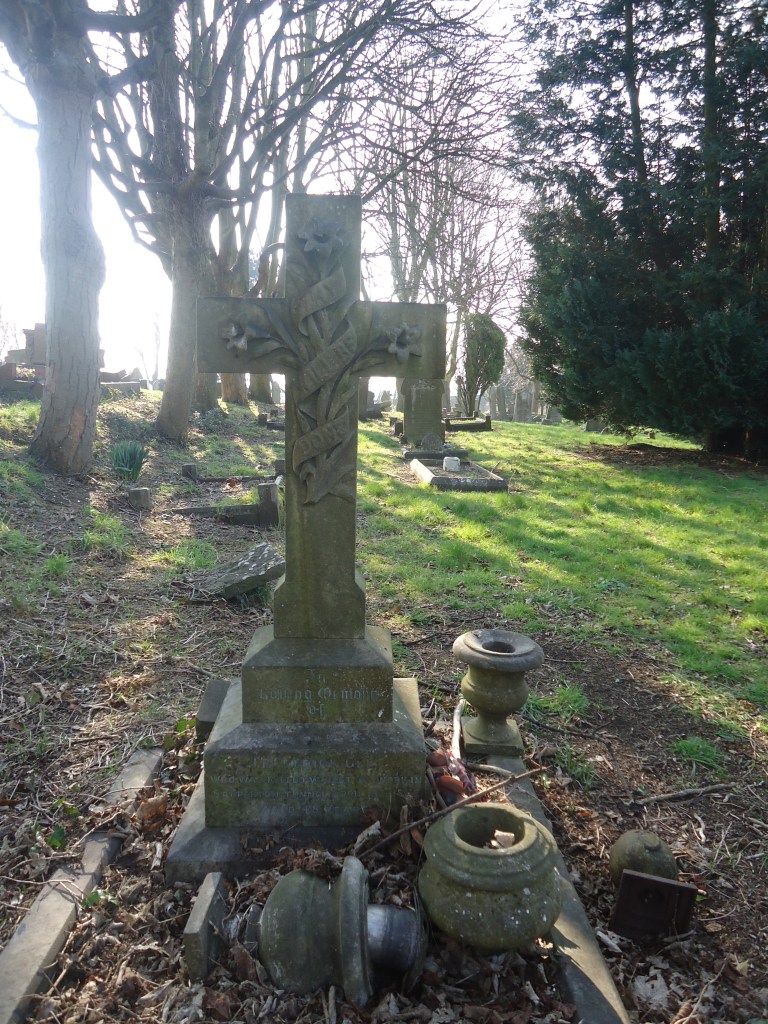
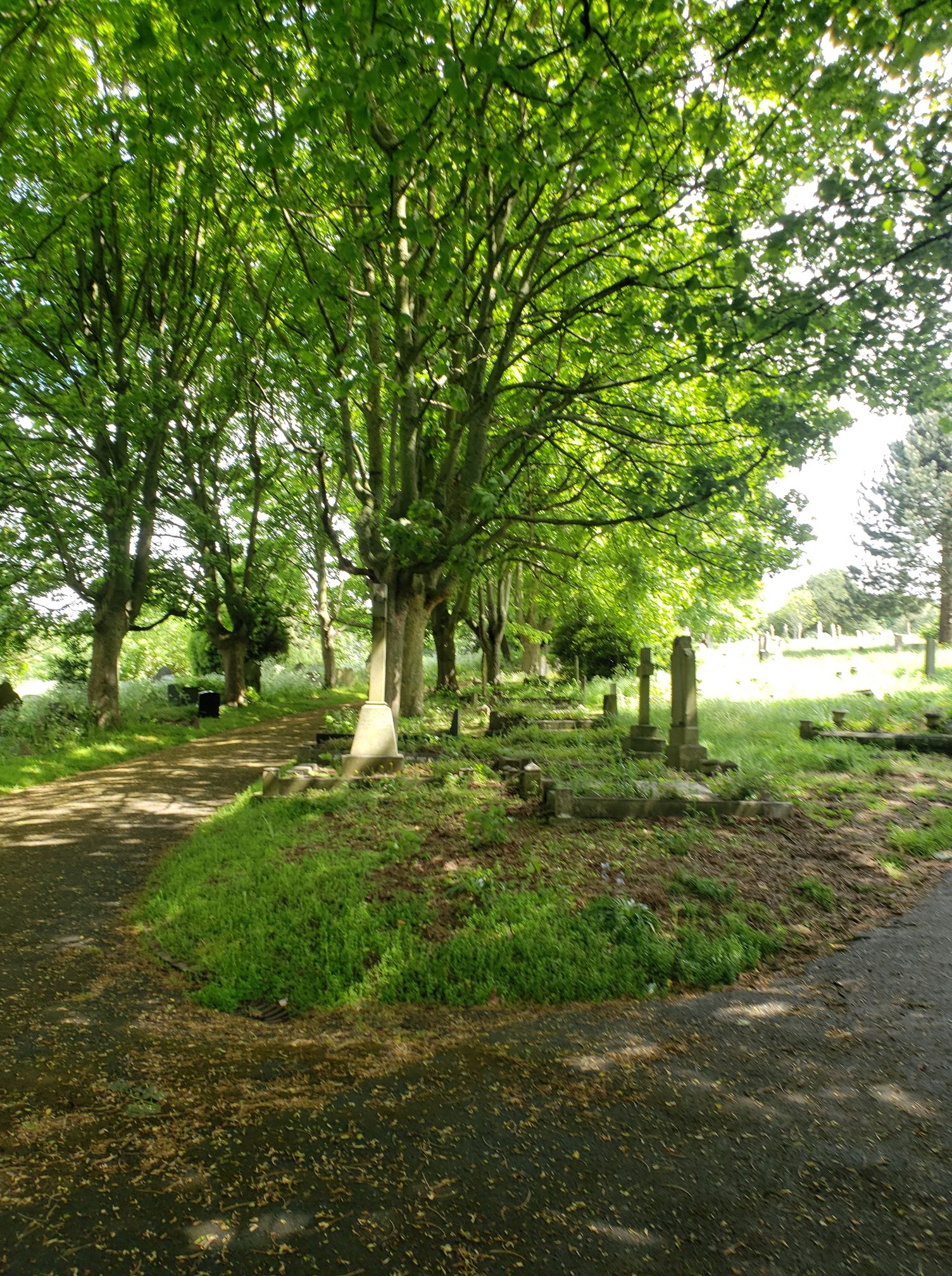
 Radnor Street Cemetery