In 1869 the people of New Swindon went to the polls to vote upon the question of a new cemetery. More than 480 votes were cast, 153 in favour of a new cemetery, 333 against, influenced no doubt by the Great Western Railway Company’s announcement that they intended to oppose the proposal.
The Wilts & Gloucestershire Standard reported – ‘The question, therefore, resolves itself into a sentimental grievance on the part of the Dissenters, who object to be buried in the churchyard. The proper course to have pursued would doubtless have been for the Dissenters to form a company, as was suggested by one of the speakers at a former meeting, and not to put an unnecessary tax on Churchmen and Dissenters alike.’
But the cemetery problem did not, and could not, go away. There were more meetings and discussions and William Morris continued to publish letters in his newspaper, the Swindon Advertiser. Then, more than eleven years later the matter appeared to have been resolved, but not without further problems as William Morris discusses in this hard hitting, editorial.
“Swindon, with its eighteen or twenty thousand of population, is drifting, or rather had drifted, into a position which even the smallest of communities might desire to avoid. For long anterior to the time when it was counted a public duty to decently house the living, the work of providing a last resting place for the dead was undertaken, and has always been most religiously adhered to. But Swindon, as we have said, has drifted into that unique, and we do not hesitate to say disgraceful, position of having literally no place to bury its dead.
This, we know, is practically to close all means for burying the dead in the ecclesiastical district of St Mark’s, New Swindon, for there is absolutely no other place beside the churchyard of St Mark’s in which interments can take place.
Then, as to the churchyard of the Old Town district. It has but very little more burying space left than has the churchyard of St Mark’s. So full has the yard become, and so far have the graves advanced westwards, the interments having been commenced in the eastern part and gradually worked on westward, that poor Cook, the unfortunate man who, the other day, was found dead in the snow at Walcot, now lies in his grave within ten or twelve yards of the very spot where he left his cart in Brock-hill on the night of the dreadful snow storm.
It cannot be long before, in the interest of the public health, this burying place also will be peremptorily closed. And what have we then? Absolutely nothing in the shape of accommodation for the burial of the dead out of the population of a parish of from eighteen to twenty thousand inhabitants: Is there in the whole country another town in such a pitiable, or, rather, disgraceful, position?
In addition to the two churchyards, there are, or rather have been – for the bodies have been sometime since removed from one of the places, the ground being required for building purposes – four other burial places connected with Non-conformist chapels – if, indeed, a strip of land, about ten feet wide, between the front of a chapel and a public street, can be called a burial ground. And, then, one of the two remaining graveyards – the old Independent yard, in Newport street, has been closed for very many years, thus leaving one place only in the parish in addition to the two churchyards – the small yard in Prospect belonging to, and exclusively used by, the Particular Baptists, for the interment of the dead of the whole parish, which, on a very moderate computation, cannot be less than from two hundred and fifty to three hundred per annum.
We believe we are within the mark when we say that by utilizing every foot of ground in all the available graveyards in the parish there could not be made room enough for the decent burial of one year’s dead without using ground “over again” and disturbing the remains of those who have pre-deceased friends and relatives still living only a few years.
And this is what a place like Swindon has come to! We hesitate not to say it is simply disgraceful, and when the reason for it all is understood, no right minded person can help pronouncing it contemptible.
The question of providing a public Cemetery is no new thing in Swindon. Twenty years ago it was regularly and persistently advocated on the ground that without such a convenience the inhabitants did not enjoy that full religious liberty to which they were entitled, and which the providing of a public Cemetery would give them. But the insidious priestly intrigues of those who are interested only in the narrowest and most exclusive of sectarian bigotry always succeeded in crippling every effort that was made.
In Swindon, for many years past, there has appeared no possible chance of carrying out so important a work as that of providing a public Cemetery on the simple basis of the duty we owe each other on the platform of equal rights in all matters of conscience and religious liberty.
Again and again, for years past, efforts have been made to avoid the difficulty in which the parish is now placed. Public meetings were held, resolutions passed, and committees formed, but it was always so managed that nothing further could be done. At one time elaborate statistics and statements were read to show that the existing burial space would be sufficient for years to come; at another time the always “sure card” of increased rates and unnecessary expense was played, and always, with the same result as now, a great deal being done “on paper,” but nothing anywhere else.
A loan of £10,000 has been applied for, and that sum the parish – that is, the parish less Walcot and Broome Farms – will have to repay. Land has been secured upon which this £10,000 will be expended in a hurry, and money spent in a hurry on public works is too often little better than squandered. But worse by far than this is the prospect of the parish having a year’s dead thrown on its hands with nowhere to place it. Progress is bound up hand and foot in that most tenacious of all bondages – red tape; on sanitary grounds every burying place in the parish ought to be peremptorily closed forthwith, and men, women, and children will continue to die. The work has now to be done under the most ruinous of conditions, and under the most unfavourable of all circumstances, and for no better reason, we hesitate not to assert, that in the past, reasons, which should have had no influence with reasonable and rational men for one moment, have been allowed to be all powerful and to stand in the way of anything and everything being done.
Extracts from The Swindon Advertiser – Saturday, February 5, 1881.
Just a few of Swindon’s non-conformist churches and chapels
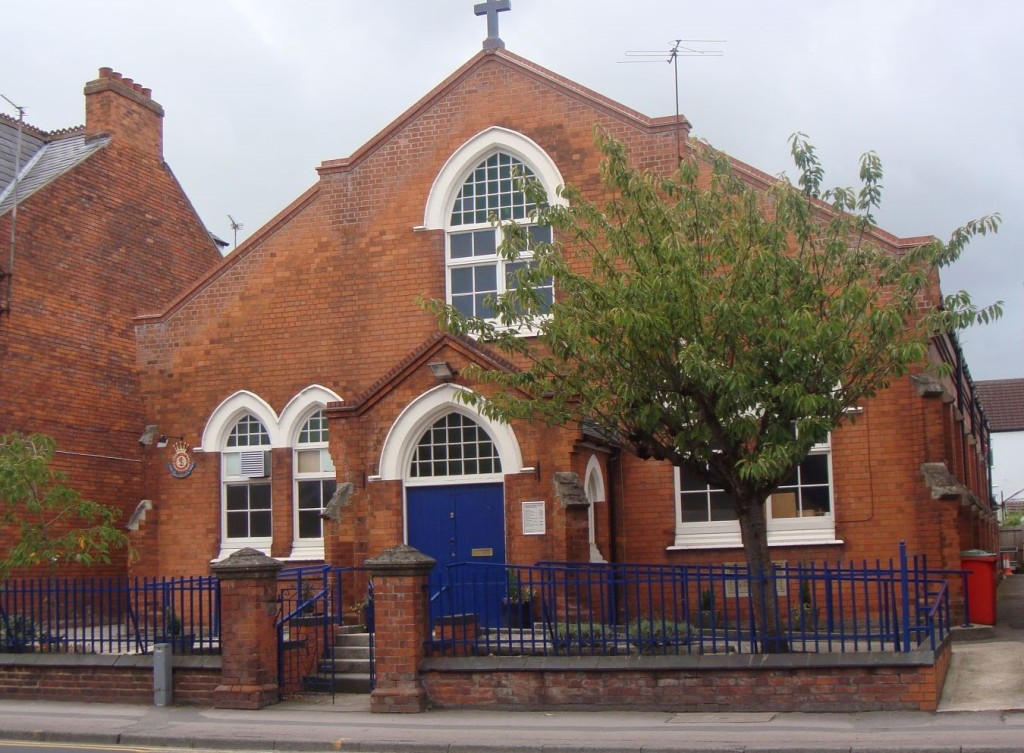
Salvation Army Citadel, Devizes Road

Rodbourne Baptist Church
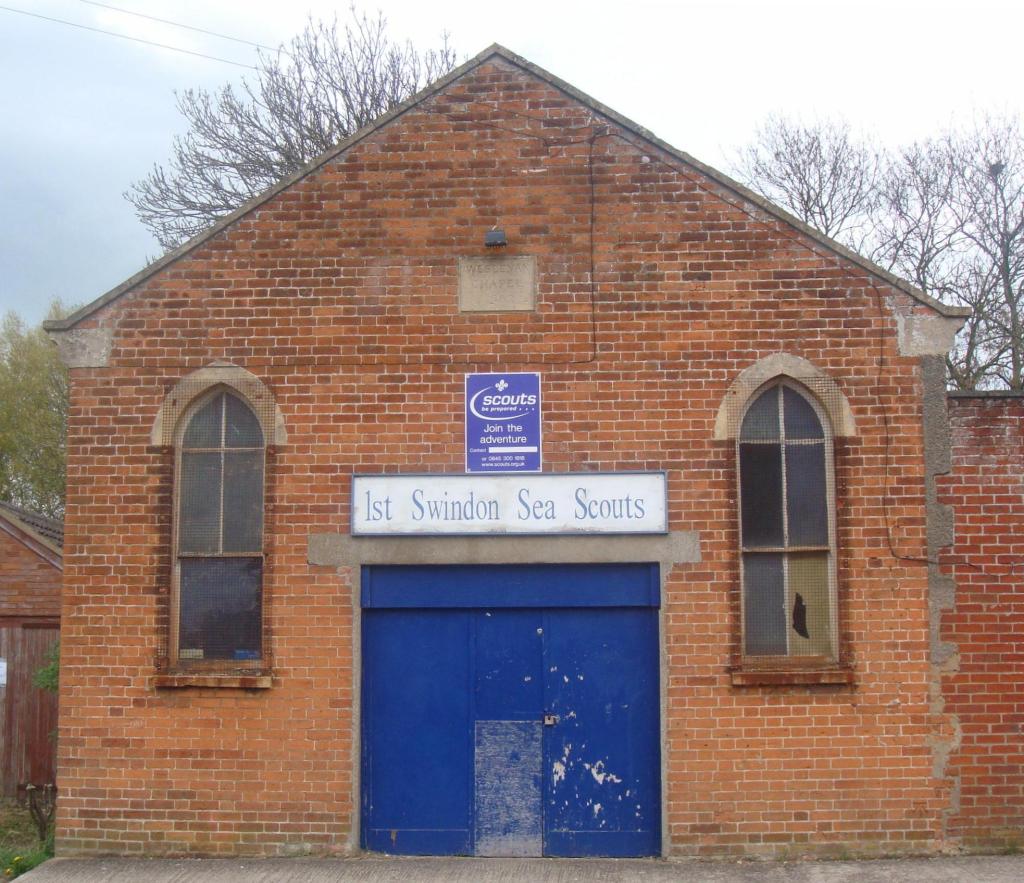
Wesleyan Chapel, Haydon Wick

Moravian Church, Dixon Street


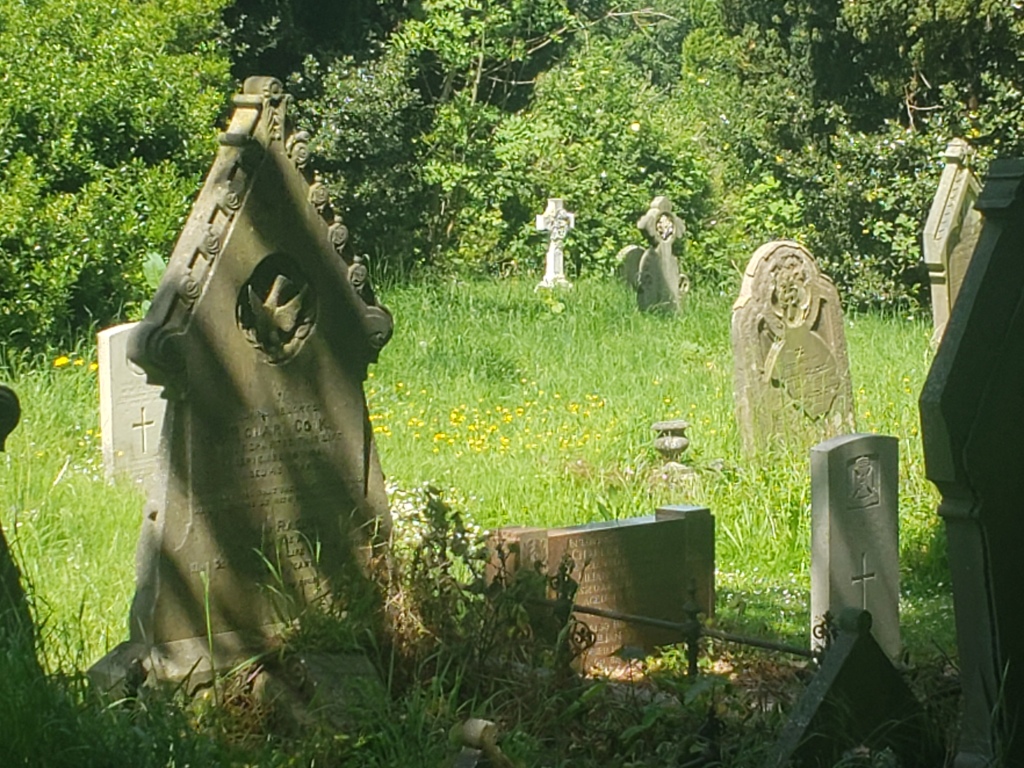
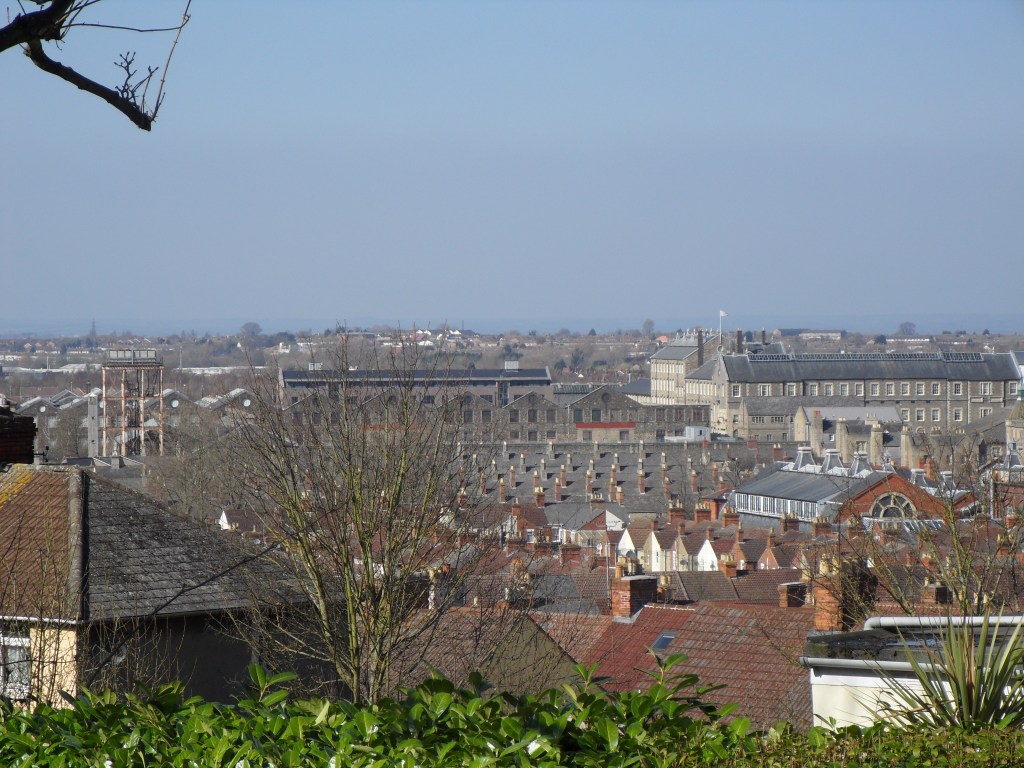
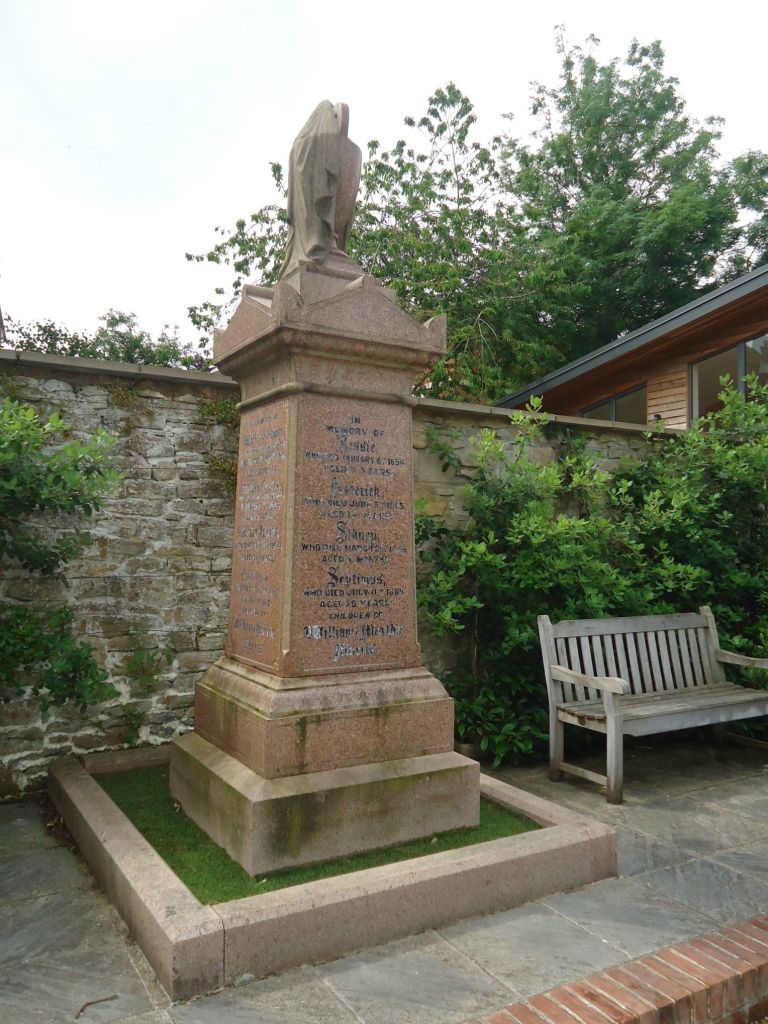
 Radnor Street Cemetery