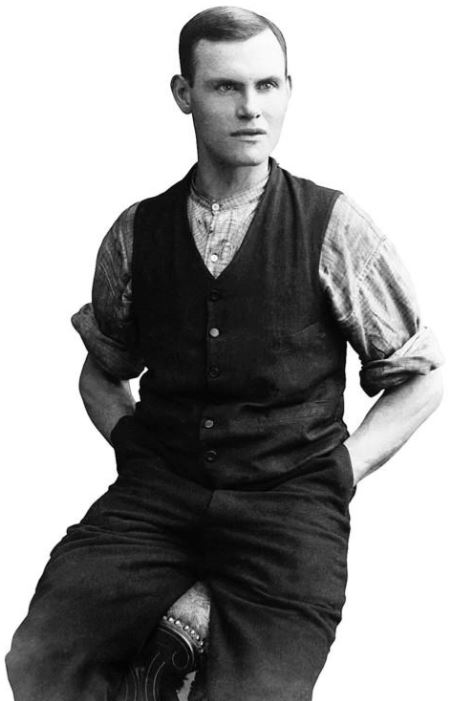
William Thomas spent his entire working life in an iron foundry; first in his home town of Llanelly, Breconshire where he worked as a ‘Baller.’ By 1871 he appears on the census returns here in Swindon living at 13 Cambria Place with his wife Cecilia and his two daughters. His job description is ‘rail rougher.’
In 1915 Alfred Williams published a book entitled ‘Life in a Railway Factory.’ It was a controversial book; a warts and all description of working ‘Inside.’ It didn’t go down well with the Great Western Railway where Alfred had worked as a hammerman for 23 years. Today it provides us with a first hand account of what it was really like in the Works at that time.
If you have a railway ancestor who appears on the census returns as a ‘baller’ or a ‘puddler’ and you’ve thought this sounds a rather quaint occupation – well, this is what it involved.
Punchings and drillings are also treated by the process known as “puddling.” In this case, the furnaces will have a cavity in the floor, into which the small scrap material is shovelled or tipped. The door is now made fast and the heat applied, which must not be too fierce, however, or the whole mass would soon be burned and spoiled. When the drillings and chippings have cohered, the puddler, by an aperture through the iron door, inserts a steel bar, curved at the end, and prises the lump and turns it over and over. This is called “balling up.” By and by, when the iron is thoroughly heated and fairly consistent, it is brought to the “shingler,” who soon gives it shape and solidity.
Alfred Williams writes:
You can always tell these young men of the steam-hammer or rolling mills, whenever you meet them. They are usually lank and thin and their faces are ghastly white. Their nostrils are distended; black and blue rings encircle their eyes. Their gait is careless and shuffling, and their dress, on a holiday, is a curious mixture of the rural and urban styles. On week-days they are as black as sweeps, and the blacker they are the better, in their opinion, for they take pride in parading the badge of their profession and are not ashamed of it as are their workmates who dwell in the town.
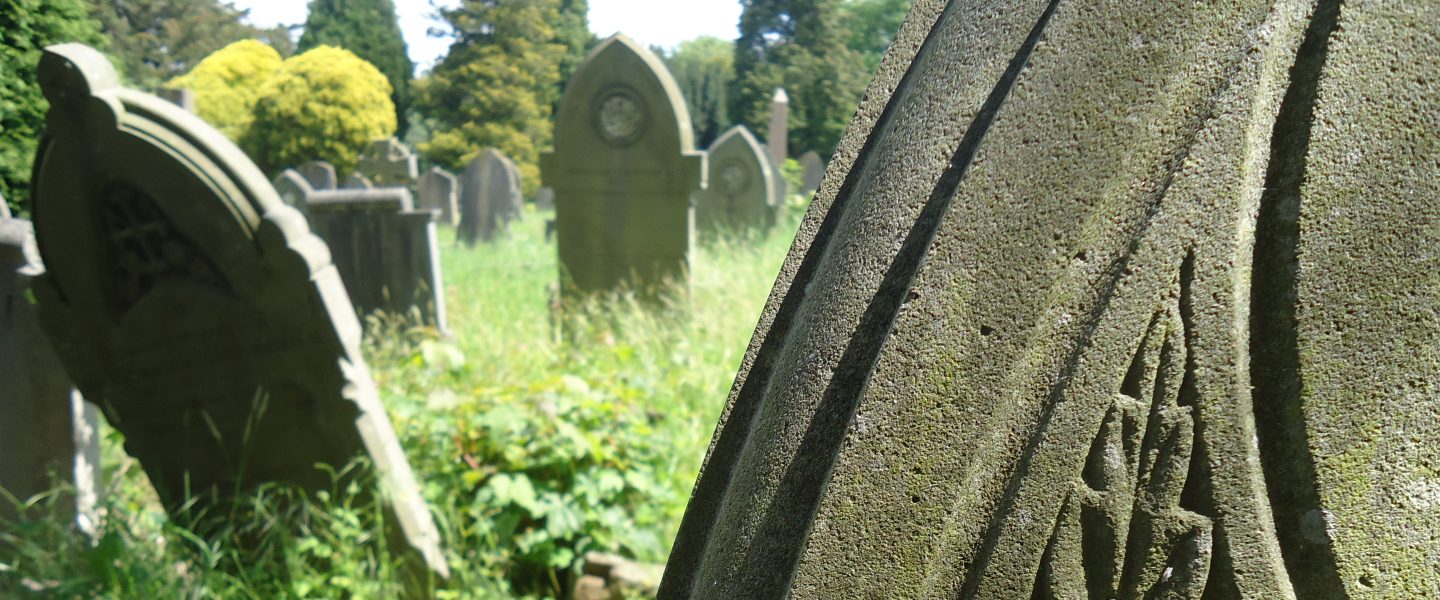
William and Cecilia Thomas continued to live in the Welsh enclave around Faringdon Road and Cambria Place. William died in 1899. He was 73 years old and the burial registers describe his occupation as ‘puddler.’ Whether he was still working until the time of his death remains unknown, but it is quite likely.
Cecilia died at her home 4 Park Terrace in 1901 and was buried in grave plot D46 where she joined William. Their beautiful pink granite memorial describes Cecilia (and presumably William as well) as ‘Angels Waiting.’


The book is a very interesting read!
LikeLike