The amazing Alley family

I know I shouldn’t have a favourite ‘family’ …

During some 20 years of research at Radnor Street cemetery I have discovered some fascinating family stories. Among my favourites is that of the Alley family who I’ve featured at various times on cemetery walks.

George Richman Alley and his brother Frederick were both born in Trowbridge and eventually made their way to Swindon and jobs in the Works.

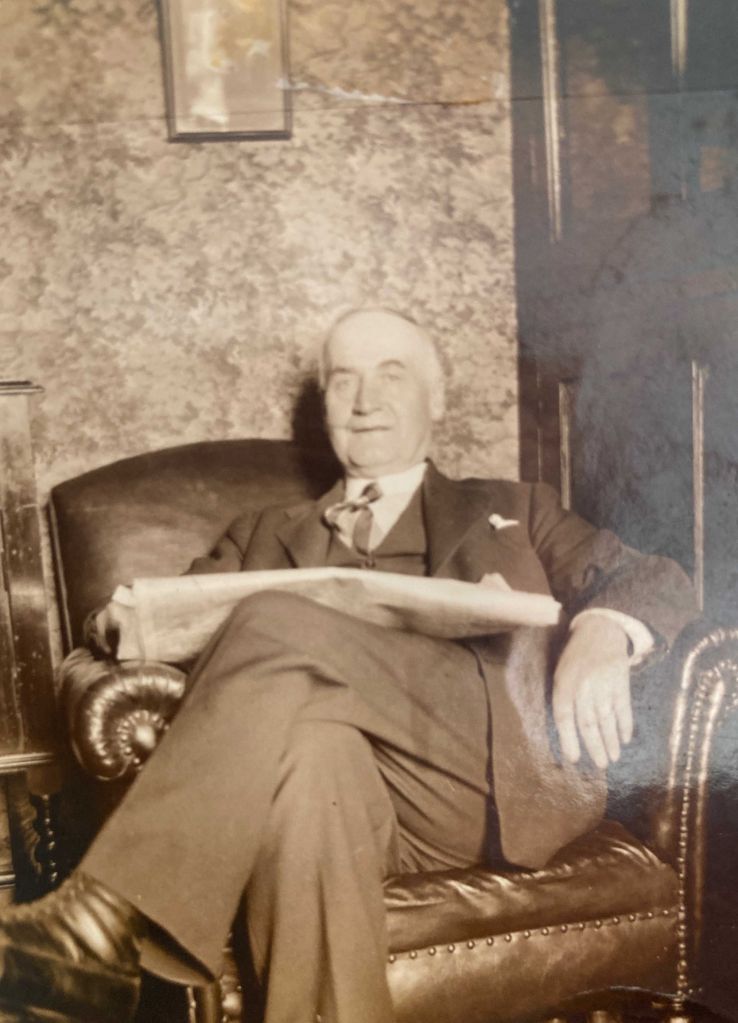
This is the story of George (pictured below) with his wife Emma on the occasion of their youngest daughter’s wedding at the Baptist Tabernacle in 1911.

The family moved to Swindon in the 1870s when they lived first at 3 Carfax Street and then at 8 Merton Street. The couple had a son George who pursued a career in the navy and 8 daughters (Annie died just after her 1st birthday).

The bride in the photograph, Eva Ross Alley, married George Babington on March 1, 1911 at the Baptist Tabernacle. The couple managed a draper’s shop at 92 Victoria (next to her sisters’ millinery business). Eva died in 1978 aged 92.

Ethel Gertrude Alley worked as a milliner with her sister Amelia. Another active member of the Baptist church, Ethel married Wilfred Hewer, a tailor. They later ran the Oddfellows’ Arms in Cricklade Street. Ethel died in 1958 aged 74.

Flora Elizabeth Alley was a teacher until she married William Harold Hall. The couple had two children and lived in Country Road. Flora died in 1974 aged 93.

Amelia Annie Alley was the only sister not to marry. She worked as a milliner at 90 Victoria Road and was also a member of the Baptist Church. She died in 1973 aged 94.

Mabel Alley married Thomas Charles Harding. In 1960 she was awarded the British Empire Medal for Meritorious Service as sub postmistress at Westcott Place Sub Post Office for 50 years. She died in Cheriton Nursing Home in 1965 aged 88. Her daughter Vera is the little bridesmaid in the photo.

Maud Richman Alley was a dressmaker. She married Henry J. Lewis in her 40s and lived in Chippenham. She died in 1963 aged 93.

My interest in the Alley family began when I discovered the story of eldest daughter Emma Louisa who trained as a tailor, married Walter Lloyd Hull and moved to Bournemouth. Emma (known within the family as Lousia) took an active role in the Votes for Women campaign in the early 20th century. She joined the Women’s Freedom League formed in 1907 by Teresa Billington-Greig and Charlotte Despard in a break away organisation from the Pankhurst led Women’s Social and Political Union.

Emma was arrested several times, once with several other women who all gave their name as Smith or Smythe. On another occasion she was among a group of women who cheered the magistrate from the dock in appreciation of the way he had dealt with their case.

She returned to Swindon after the death of her husband in 1947 and gave talks to local women’s groups about her involvement with the suffrage campaign. She wore a badge carrying an engraving of Holloway prison. Other suffragette souvenirs she had included a Votes for Women banner and a cocoa mug and a salt pot smuggled out of Holloway gaol!

Emma eventually returned to Bournemouth where she continued to tell her story. She died on July 24, 1967 aged 100 years old.

Who’s Who in the wedding photograph as provided by a family member

George Richman Alley died aged 84 at his home 8 Merton Street and was buried in grave plot D31A on December 1, 1925.  His wife Emma died aged 87 at 12 Park Lane and was buried with him on October 24, 1932.

George Richman Alley and his wife Emma Jane

You may also like to read:

The Alley family reunion

Ellen Amanda Alley – an ordinary woman

The Lost Alley family babies

All of us back together again – the Alley sisters

Plaum’s Pit

A family of Belgian immigrants have left their name to a beauty spot in Rodbourne Cheney, possibly one of Swindon’s best kept secrets.

Plaum family history facts can be gleaned from notes on the 1911 census made by George Jacques Plaum. At that time he was newly married and living with his wife Catherine and his younger brother Robert Maximilian (who he describes as ‘feeble minded since birth’) at 489 Ferndale Road. He also adds that his father was German and his mother English and that the family had been resident in England since 1888.

Matthias and Clara Plaum had lived in Antwerp, Belgium from at least 1882 to 1887 during which time their children Georgius, Ernestus, Joannes, Robert and Frederick were all born. As George states in 1911, they have been living in England since 1888, so it should be possible to find them on the 1891 census.

On August 25, 1893 Matthias was admitted to the Wiltshire County Lunatic Asylum in Devizes where he sadly died on October 13. Now it was up to Clara to support three sons, one of whom could not work due to a disability. In 1901 she was living at 21 Vilett Street where she worked as a dressmaker. George 19 is employed in the GWR. Younger brother Frederick 13 claims he is a Railway Fitter and Wheel Turner. It is more likely he was an apprentice or perhaps a labourer. Robert is 15 years old. Life was obviously very difficult for them. The Radnor Street Cemetery registers state that Clara died in 1908 at 29 Villett Street aged 48 years. She was buried on December 10 in a public grave with two other unrelated persons.

But by dint of hard work and an entrepreneurial talent, George Plaum and his family prospered.

He purchased the Rodbourne Bathing and Boating Pool in the 1920s with financial help from a Bristol business man. The lake, like the one in Queens Park, began life as a clay pit feeding Victorian Swindon’s rapacious brick making industry. Quarrying came to an end when diggers hit underground springs and forced the closure of the clay pit.

By the 1920s the lake offered a number of leisure activities including swimming, boating and fishing. An additional income was derived from entrance and camping fees and refreshments. Grass, grazing and allotment fees brought in £5 7s 6d in 1925.

Today Plaum’s Pit is home to Plaum’s Pit Angling Club who can be contacted via their website.

Plaum’s Pit swimming pontoon in the 1930s

Image of Plaum’s Pit published courtesy of Brian Robert Marshall

William Batley Pitts and Archibald Kenneth Poulton.

This is the story of two boys born 20 years apart – William Batley Pitts, the natural son of Robert and Elizabeth Pitts, the other Archibald Kenneth Poulton, their adopted son.

Today railway safety is heavily promoted and Network Rail has a series of safety campaign videos on their website aimed at everyone from the very young to the distracted commuter.

You might expect railway safety to have been a priority in Swindon of all places, but perhaps it wasn’t so in 1893.

On September 1, 1893, a group of boys were playing on the level foot crossing close to the residence of William Dean, Chief Locomotive Superintendent at the GWR Works. The horrific accident was described in great detail during the inquest held at the Cricketer’s Arms the following day.

Shocking Accident on the GWR at New Swindon – On Friday evening, the 1st inst., about six o’clock, a shocking accident occurred on the GWR at the level foot crossing near the subway close to Major Dean’s house. The victim was a lad 12 years of age, name William Batley Pitts, son of Robert Pitts, of 19 Clifton Street, Swindon. It appears that the lad had been at play with others near the foot crossing close to the residence of Mr Dean, the chief locomotive superintendent. A goods train passed on the down line, and as soon as he thought the line was clear the boy attempted to run his hoop across the line when he was struck by the up Cornish express, of the approach of which he was not apparently aware. The poor lad was cut to pieces and the train carried his body 23 yards before throwing it off the line. When picked up the boy was terribly mutilated. A lad named Smith witnessed the sad occurrence, and rushed to Major Dean’s house, close by, for assistance. Dr. Pearman and PC Pinchen were soon on the spot, and had the scattered portions of the poor child’s body collected and conveyed to the GWR Medical Fund Hospital. The Coroner was communicated with, and the inquest was held this morning at the Cricketer’s Arms, a verdict of accidental death being returned by the jury.

Swindon Advertiser Saturday, September 2, 1893.

William was buried on September 5, 1893 in plot B2193, a privately purchased grave. Thirty years later he was joined by Archibald Kenneth Poulton, the boy his parents adopted long after William’s death.

At the beginning of the 20th century adoption was frequently an informal affair. Perhaps he was related in some way, a nephew, maybe a grandson. It is now not possible to trace how little Archibald ended up with the Pitts family. He died in 1924 and was buried with William in grave plot B2193 on April 22.

The area in which the accident happened

George Palphramand

George Bellwood Palphramand retired in 1913 after 41 years in the service of the Great Western Railway.

George was born in Wolverton, Buckinghamshire on June 17, 1851, the son of George, an engine driver and his wife Isabella. Following the death of Isabella in 1861 the family moved to Rugby where George jnr served his apprenticeship with the London and North Western Railway. In 1872 he moved to Swindon where he married Mary Ellen Strong in 1876.

In 1884 George and Mary were hit by tragedy when their three year old son Ernest drowned in the canal near their home at 24 Read Street. In an age when child mortality was high they could not have expected to lose one of theirs in such traumatic circumstances. How do parents recover from such a loss? George had to go to work, Mary had to cook, clean and care for her surviving three children. In time they would have another son, Reginald born in 1887. Three siblings that had no memory of their little brother and one who never knew him.

In time Reginald followed his father into the railway works and having completed his fitting and turning apprenticeship moved to Coventry where he worked as a fitter in the aviation industry.

Following his retirement George and Mary moved to 69 Broadway, Earlsdon, Coventry. Mary died there in 1926. George died 11 years later on December 7, 1937.

Both Ellen and George were buried back in Swindon in Radnor Street Cemetery grave plot E8469 where they joined their little son who had died so many years before.

The site of the former Wilts & Berks Canal

Presentation to Mr. G. Palphramand – An interesting affair took place in the G Shop Office, Loco. Dept., GWR Works, Swindon, on Saturday morning last, the occasion being a presentation to the Foreman, Mr G. Palphramand, on his retirement from the Company’s service. The presentation took the form of a handsome silver-mounted ebony walking stick and a pipe, given by the assistants and Office Staff of the G. Shop. Mr A. Beer, in making the presentation, said he was expressing the sentiments of all those present in wishing Mr Palphramand the best of health to enable him to enjoy his retirement. He asked him to accept the gifts as a small token of respect and esteem of the members of his Staff. He would carry away with him the best wishes of all whom he had been associated with during his long service, and no doubt the walking stick and pipe would bring back pleasant recollections of bygone days.

Mr Palphramand thanked his colleagues for their kindness, and said he should appreciate the gifts very much indeed, as coming from his Staff, with whom he had always had harmonious dealings during the whole of his service as Foreman; and he thanked them all for the support they had at all times given him in carrying on the work of the Shop, at times under very trying circumstances. He felt very sorry to leave them all, and he had not thought of retiring quite so soon, but he found his health was not good enough now to enable him to carry on the work, and he thought it wise to give up in time.

Mr Palphramand served his apprenticeship with the L. and N.W. Railway at Rugby, and entered the service of the GWR in June 1872, thus completing 41 years with the Company. He was appointed Assistant Foreman in May, 1884, and took over the G (Millwrights) Shop as Foreman on Jan 1st, 1891. He has served under five different Managers, and was for many years Captain of the GWR Works Fire Brigade. He was also for some years a member of the Council of the GWR Mechanics’ Institution, and also served in the old Volunteer Force in connection with the Wilts Regiment.

Swindon Advertiser, Wednesday, October 15, 1913.

The large Palphramand and Strong family grave

You may also like to read:

The Palphramand family

Swindon Photographers

Swindonians were an adventurous lot, embracing new ideas and new inventions. In the early 19th century photography exploded in a blaze of magnesium and by the 1860s the popular carte de visite had become affordable to all but the very poorest in society.

In 1861 Richard Keylock Passmore, one of the first Swindon based photographers, was established at Victoria Street. By 1895 there were six local photographers listed in Kelly’s Directory with two in Regent Street and one in Regent Circus.

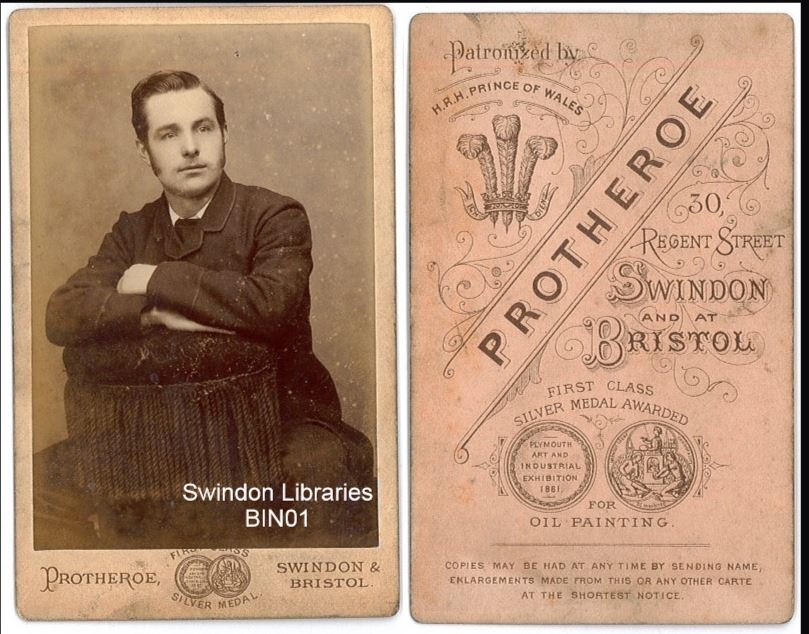
In 1889 James Smith Prothero had a studio at 30 Regent Street where he worked alongside his nephew Thomas Henry Simons who eventually took over the business. James Prothero died in Mumbles, Glamorganshire in 1929 and is buried in Radnor Street Cemetery. You can read more about him here.

Perhaps the most ‘famous’ of Swindon’s photographers is William Hooper who began his business following a disabling accident in the GWR Works which led to his dismissal on medical grounds. Hooper’s photographic career spanned more than 20 years and today his collection is managed by his descendent Paul A. Williams. William Hooper died in 1955 and is buried in Radnor Street Cemetery. You can read more about him here.

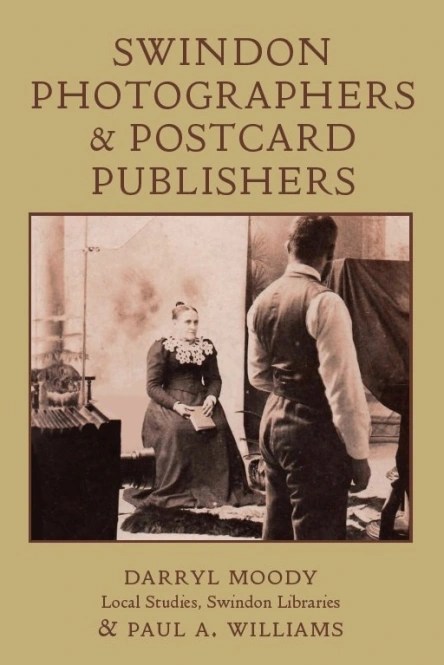
You might also like to read Swindon Photographers & Postcard Publishers by Darryl Moody and Paul A. Williams available from the Library Shop.

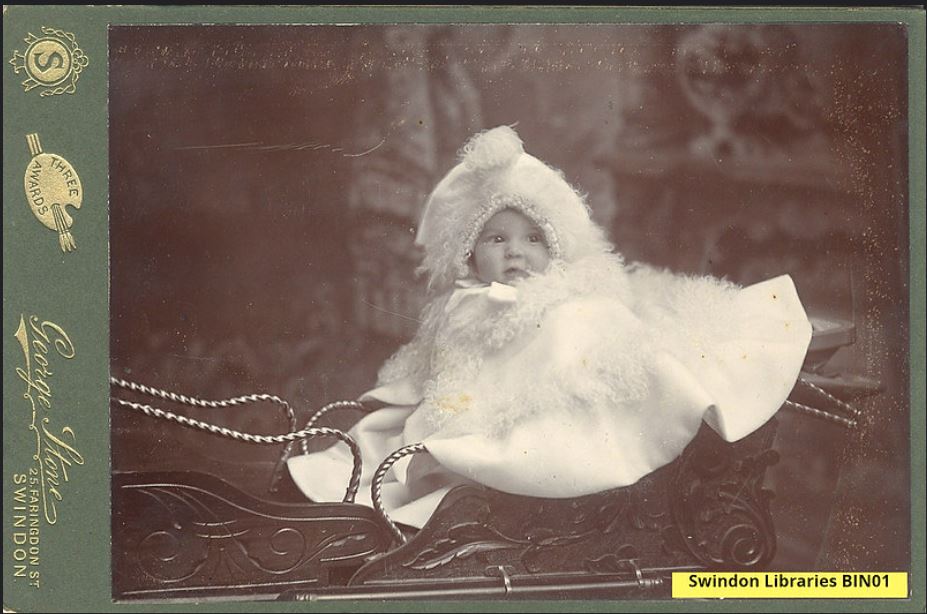
Carte de visite and cabinet card photographs survive in great numbers but sadly, unless in a family collection, most are identifiable. Local Studies at Swindon Central Library have reproduced some of their collection on their website. Here are just a few, people I am sure must now lie in Radnor Street Cemetery, if only I knew their names.

Samuel and Minnie Holbrow

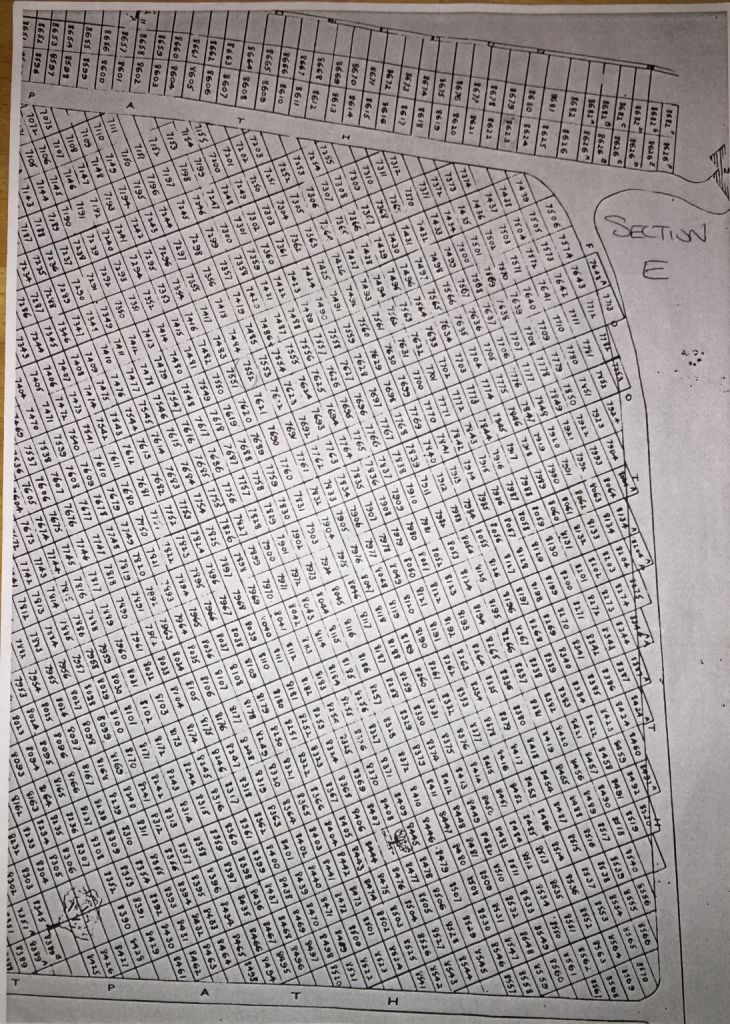
Sometimes the cemetery map can be a little misleading. When I researched the Holbrow family a year or so ago it appeared that the family grave might be beneath a path. There was no evidence to suggest that sections of the cemetery had been re-configured and as it turned out the Holbrow family plot was on the periphery of Section E but with plenty of room for a fine headstone.

Samuel Edward Holbrow was born on November 5, 1871 the son of Joseph and Mary Holbrow. At the time of the 1881 census Samuel, his five brothers and sisters and his parents were living at 10 Reading Street, sharing a property with Elijah Jones and his daughter Sarah, evidence of the overcrowded situation in the railway village that continued into the 1880s.

He began his 7 year apprenticeship in the Tender & Fitting Shop in the Works on his 14th birthday on a daily rate of 10d rising to 2/- in his 7th year. His record of employment shows that he received his certificate signed on November 19, 1892 by H. Birch (accountant at the GWR Works after whom Birch Street was named) and that he left in April 1893. A completed apprenticeship did not guarantee a permanent job in the Swindon Works as so many of the newly qualified apprentices discovered.

During his absence from Swindon Samuel married Minnie Florence Louise Bishop at St. Andrew’s Church, Cardiff. By 1896 the couple had returned to Swindon and their elder daughter Elsie (born in Devonport on August 24, 1896) was baptised at Christchurch in 1897 when the family lived at 60 Dixon Street.

Their second daughter Hilda May was baptised at St. Mark’s Church on June 19, 1898 when the family lived at 9 Dean Street. Soon after Hilda’s birth the family moved to 47 Deacon Street where Samuel died in 1941 and Minnie in 1965. This would remain Hilda’s home until her death in 1995.

Her sister Elsie, however, had a much more adventurous life – you can read more by following the link below.

Samuel Edward Holbrow

Samuel, Minnie and their daughter Hilda are all buried in grave plot E7643A. Interred with them are the cremated remains of 9 year old Peter Scott, Samuel and Minnie’s great grandson who was born in Peru. His death was registered in Lothingland, East Anglia, however the address recorded in the Burial Register is Hotel Junin, Oraya, Peru. Another mystery to solve!

You may also like to read:

The aspirational Percival Seymour Scott

Samuel Westmacott – A Pioneer of Swindon nonconformity

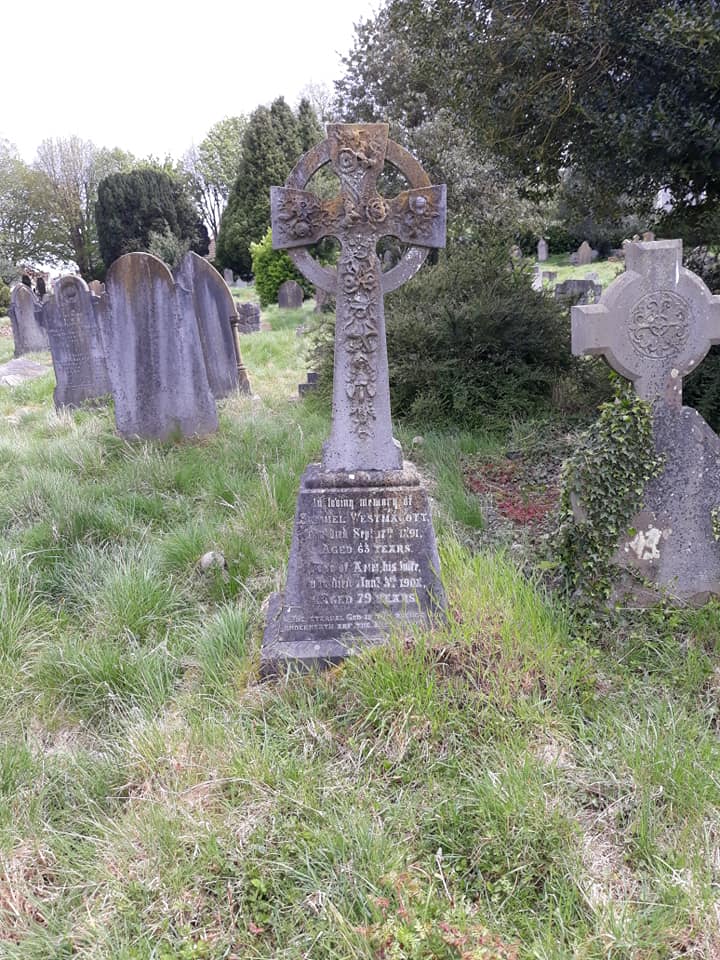
Reading between the lines of this fulsome obituary Samuel Westmacott sounds a force of nature with strong opinions and not afraid to voice them. He was even temporarily expelled from the Methodist church on the issue of “original sin”…

The Late Samuel Westmacott – A Pioneer of Swindon nonconformity.- A funeral sermon in memory of the late Mr Samuel Westmacott, of New Swindon, who died on the 17th ult., at the age of 63 years, was preached recently in the Regent Street Primitive Methodist Chapel, New Swindon, to a large congregation, by the Rev. T. Pinnock, of London

Taking for his text II. Timothy iv., verses 7 and 8, “I fought the good fight,” the rev. gentleman preached an excellent sermon, and in referring to the life of the deceased Methodist, said Mr Westmacott was converted when 19 years of age. He had lived in Swindon nearly all his life, only removing on one occasion to Purton for a short time, and had worked earnestly in the cause of Methodism.

He was a long way in advance of his time, not being prepared to adopt the theology of the Church, and consequently he and several others with him were expelled for a time, the question on which the expulsion took place being “original sin.” Deceased was a man who held very strong views, and sometimes in expressing them he unintentionally wounded the feelings of even his dearest and strongest friends. But under his rough exterior there was a warm heart, which those who knew him well at once recognised.

Mr Pinnock mentioned that he himself was the minister at Swindon when that chapel in which they were then assembled was built, and he had no hesitation in saying that had it not been for the efforts of Mr Samuel Westmacott the church would not have been built at that time. At a meeting in the year 1875, when the proposed erection of the church was discussed, the members of the committee, to the number of 24, decided to postpone the erection of the building, and they were just about to close the meeting when Mr Westmacott rose and presented the matter to them in a different light to what they had seen it before, and by the sheer force of his will converted the meeting to adopt his view of the matter, and they resolved to proceed with the building at once. And whilst the church was being built Mr Westmacott rendered great assistance, both personally, financially, by his counsel, and in every possible way.

Extracts from the Swindon Advertiser, Saturday, October 31, 1891.

Samuel Westmacott died aged 63 years at 30 Bridge Street. He was buried on September 21, 1891 in plot E8399, a grave he shares with his wife Ann who died in 1908 aged 79.

The military service of the Rodway and Sellwood families, Gorse Hill

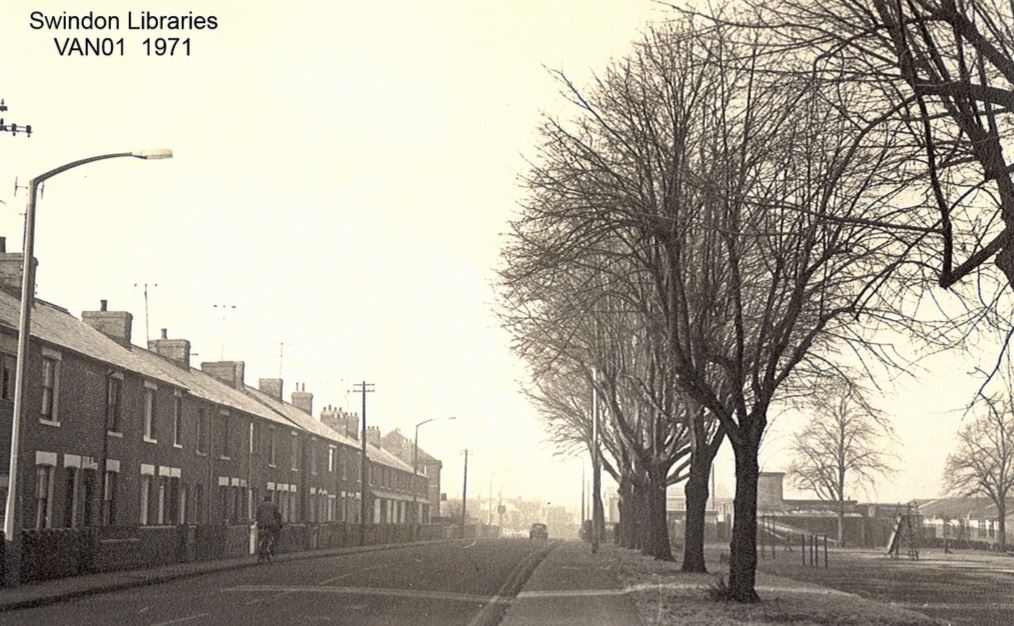
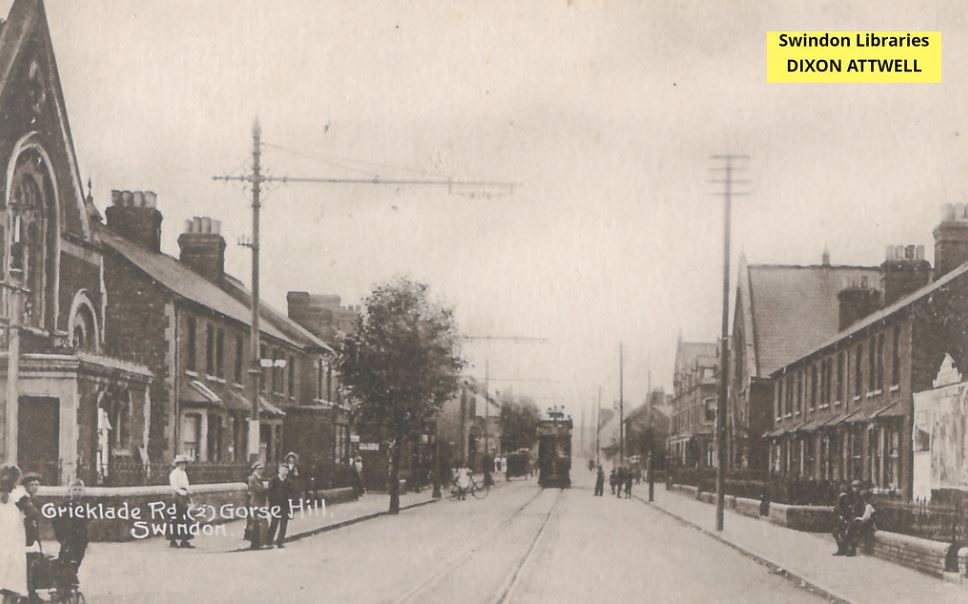
Image of Chapel Street, Gorse Hill published courtesy of Local Studies, Swindon Central Library.

The lives of the ordinary people of Swindon never cease to amaze me. When I began researching the Rodway and Sellwood families of Gorse Hill I discovered a combined military history spanning almost 70 years.

Ellen Rodway was born in 1856 in Newport on the Isle of Wight, the daughter of Joseph Rodway, a soldier who served in the 28th Regiment of Foot from 1843 to 1864. In 1861 Joseph was serving in St. Helena, Coast of Africa, where Ellen’s brother, Joseph Thomas and sister Jane were both born before the family returned to England. By 1871 Joseph Rodway and his family were living in Barton St. Michael, Gloucestershire and in 1881 they were in Stratton St. Margaret where Joseph, the former soldier, worked as a railway porter. And we tend to think people didn’t move about much in the old days!

Joseph Thomas Rodway would later enlist in the Royal Marines, serving for more than 20 years. His son, William John Rodway, aged 16 in 1911, was a soldier in the Kings Royal Rifles and on census night of that year was staying with his uncle William Rodway at 126 Chapel Street.

In 1881 Ellen Rodway married Henry Sellwood who had recently retired from B. Brigade R.H.A. (Royal Horse Artillery) aged 24 and was described as a Royal Hospital Pensioner. Henry settled down to a job in the railway factory and married life in Gorse Hill.

In 1891 the couple were living at 116 Chapel Street with their four children, Henry 9, Joseph 6, Rosa 4 and one year old Robert. By 1911 they had moved to 95 Edinburgh Street, which remained their home until Ellen died in 1940.

Henry died in 1918 and was buried on October 17 in grave plot B2850 joining two of the couple’s sons – Robert Charles who died in 1907 aged 19 and Joseph William who died in 1914 aged 28.

Ellen died on May 7, 1940 at her son’s home in Broad Street aged 83 years old. Her funeral was reported in the North Wilts Herald. She was buried on May 11 and joined her husband and two sons in grave plot B2850.

Ellen’s mother, Kate Rodway, died at 44 Chapel Street in 1901. She was buried in Radnor Street Cemetery on May 7 in grave plot A317, a public grave. Her husband, that old soldier Joseph who served in the 28th Regiment of Foot for more than 20 years, died at 126 Chapel Street in 1910 aged 84 and was buried with his wife on September 3.

Mrs E. Selwood

The funeral took place on Saturday, of Mrs Ellen Selwood, of 95, Edinburgh-street, Swindon, who died on 7 May, at her son’s home, 66 Broad-street, a few days before her 84th birthday. The service at the *Russell Memorial Church was conducted by Rev. Burgin, who also officiated at the interment in Radnor-street Cemetery.

Chief mourners were: Mr F.R. Selwood (son and daughter), Mr W. Rodway (brother), Mrs C.D. Love (granddaughter), Mrs. E.M. Selwood (daughter-in-law), Mr T. Robins, Mrs E. Bell, Mrs. L. Scott, Mrs M. Griffiths.

Funeral arrangements were carried out by Messrs. A.E. Smith and Son, 24, Gordon-road, Swindon.

North Wilts Herald, Friday, 17 May, 1940.

Image of Cricklade Road, Gorse Hill published courtesy of Local Studies, Swindon Central Library.

*The Russell Memorial Church was built in 1890 on the corner of Cricklade Road and Edinburgh Street. It was named after Thomas Russell the early missioner.

Ethelwyn May Collett – wife of the GWR Chief Mechanical Engineer

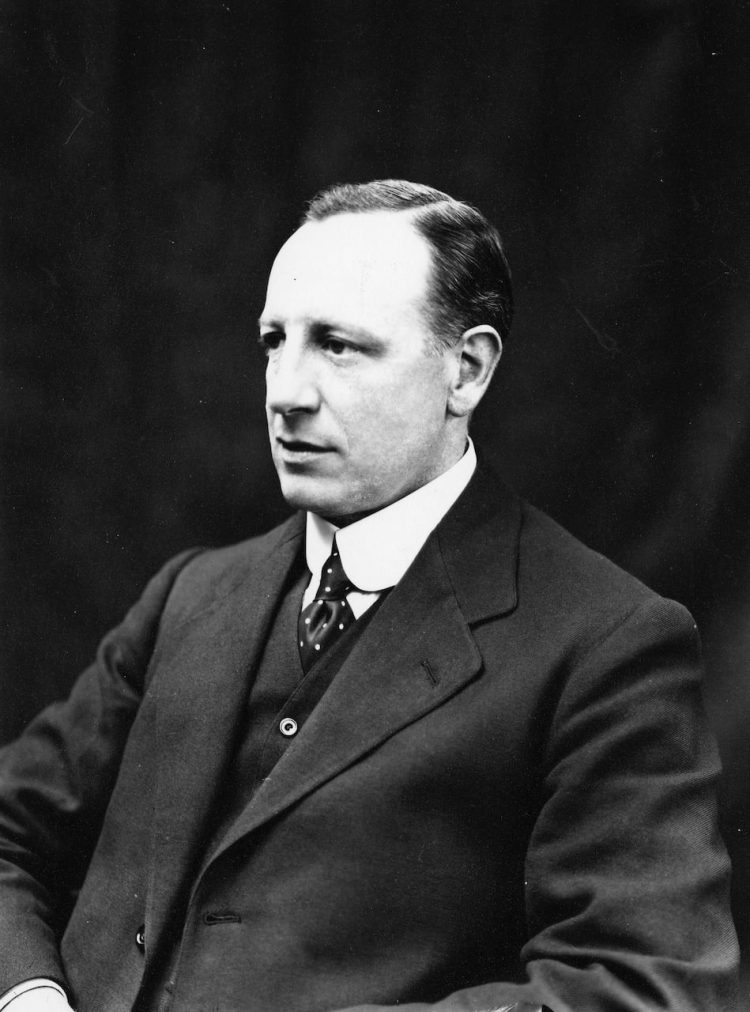
Charles Benjamin Collett – GWR Chief Mechanical Engineer 1922-1941

It is relatively easy to find out a great deal about Charles Benjamin Collett, OBE, Chief Mechanical Engineer at the Great Western Railway.

He has gone down in history as a well-respected, modest man who designed the iconic fleet of “Castle” and “King” Locomotives yet lived an unassuming lifestyle alongside the railwaymen and their families in the railway village.

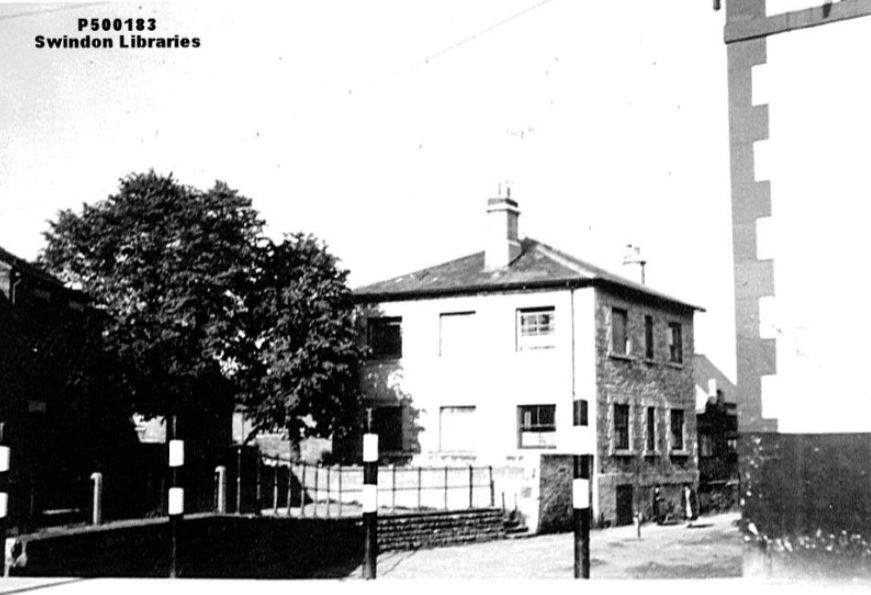
Charles and Ethelwyn Collett’s home in the railway village

He was born on September 10, 1871 the son of journalist William Collett and his wife Mary. He was educated at the Merchant Taylors School Charterhouse Square and later studied at the City and Guilds College of London University. He was articled as a pupil to Mr Joshua Field, of Maudslay, Sons & Fields Ltd., London before joining the GWR in 1893 as a junior draughtsman. He then became assistant to the Chief Draughtsman and in 1900 Technical Inspector and later Assistant Manager. By 1919 he was Deputy Chief Mechanical Engineer before succeeding George J. Churchward as Chief Mechanical Engineer.

Rather less is known about his wife.

Ethelwyn May Simon was born in 1876 the daughter of Henry Simon, a Congregational Minister who served as Pastor at Westminster Chapel from 1876-87, and his wife Annie.

Charles and Ethelwyn married at St. George’s Church, Bloomsbury on November 4, 1896. It is said that the couple were very devoted and that Charles was greatly affected when Ethelwyn died in 1923, the year in which he launched the record breaking Caerphilly Castle Locomotive.

Ethelwyn was buried in Radnor Street Cemetery on March 23, 1923. Charles purchased two grave plots numbered Section A2517 and A2518. However, it seems unlikely that his intention was to be buried with his wife when the time came as a note in the burial registers reveal that Ethelwyn was buried in the centre of both graves.

Radnor Street Cemetery Jon stands at Ethelwyn’s unmarked grave

Ethelwyn lies in an unmarked grave, which is probably what Collett wanted. He lies in an unmarked grave in Gap Road Cemetery, Wimbledon, which he shares with two other unrelated persons. Apparently, he requested that his grave should also go unmarked.

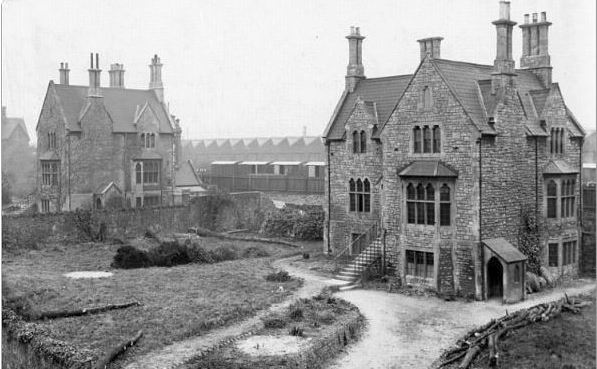
Elm Villa and Marlow House

Two interesting properties, long since demolished, and the story of one woman who lived in both of them – Adelaide Carlton.

Messrs. Bishop and Pritchett are favoured with instructions from Mr C. H. Barker to sell by auction, at their Sale Room, Regent Circus, Swindon, on Monday, September 28th, 1903, at Seven o’clock in the evening …

Lot 2 – The substantial stone-built residence, of roomy accommodation, known as “Elm Villa,” Wellington Street, Swindon, with flower garden and lawn, a useful shed with paved floor, off which are harness room and well-fitted stabling, having a loose box and three stalls with loft over, a large coach house with loose box, and a yard with good entrance from Merton Street.

These managers residences or villas (Marlow House is on the left) were built to the north of Swindon Station. Similar houses had once stood adjacent to the Railway Village but were demolished in the 1870s.

Images published courtesy of STEAM – Museum of the Great Western Railway

Adelaide Carlton’s last resting place with her husband Samuel in Radnor Street Cemetery.